Old Maps of Wayne, Illinois for Hiking & Exploration
Hike through history with 26 historic maps of Wayne. Explore old trails, ghost towns, and forgotten backroads — perfect for outdoor adventurers and local explorers.
- Rediscover forgotten places: Map out old mining camps, roads, and footpaths that no longer exist on modern maps.
- Layer with modern tools: Combine with LiDAR or satellite views to plan hikes through historical terrain.
- Made for exploration: Popular among hikers, overlanders, and local history lovers.
Use these maps to find adventure and explore the hidden past of Wayne.
Wayne, IL maps
(26)- 1908 Map of Wheaton
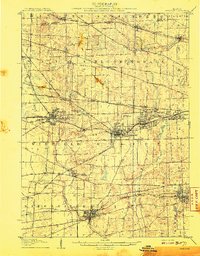 1908 Wheaton1908 Print · USGSDuPage County was a hub of steam and electric rail travel in the years following the turn of the century. Genealogists and historians can trace the early footprints of Naperville, Downers Grove, and Wheaton, alongside notable sites like the Wheaton Driving Park.5 unique versions available
 - 1932 Map of Geneva
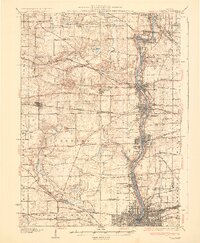 1932 Geneva1932 Print · USGSThe Fox River valley is a hive of early twentieth-century industry and civic life. Genealogists can trace family names through rural landmarks like Johnsons Mound or the many country schools, including Red Brick Sch and Stewart Sch.3 unique versions available
 - 1948 Map of Wheaton, 1956 Print
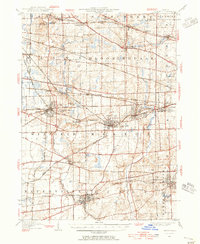 1948 Wheaton1956 Print · USGSDuPage County at the dawn of the post-war boom shows a landscape of growing towns connected by a dense network of steam and electric rails. Researchers can trace the early footprints of Naperville, Wheaton, and Downers Grove alongside smaller stops like Ontarioville and Eola.
 - 1948 Map of Geneva, 1964 Print
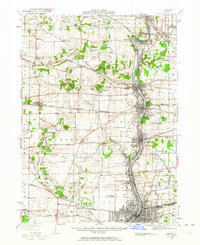 1948 Geneva1964 Print · USGSThe Fox River valley thrives in the late 1940s, showing the industrial cores of Geneva and Batavia before the suburban boom. Trace the complex rail network through Elburn and St Charles, or locate rural landmarks like Johnsons Mound and Red Brick Sch.
 - 1949 Map of Geneva
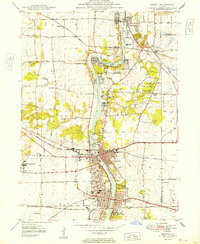 1949 Geneva1949 Print · USGSThe Fox River valley in the late 1940s reveals a unique landscape of riverside industrial towns and massive state institutions. Genealogists and local historians can trace the footprint of the State Boys School, find Dunham Castle, or locate rural landmarks like Burr School.2 unique versions available
 - 1953 Map of West Chicago, 1955 Print
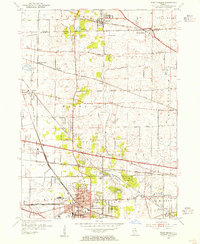 1953 West Chicago1955 Print · USGSThe rail corridors of DuPage County intersect at West Chicago in the early fifties, showing a landscape of small rural schools and emerging suburbs. Trace family history at the Old Ontarioville Cem or the Oak Glen Sch (Abandoned).
 - 1954 Map of Wheaton, 1960 Print
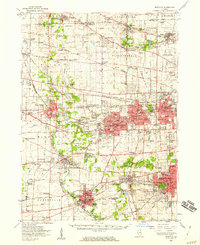 1954 Wheaton1960 Print · USGSDuPage County transitions from its agricultural roots to a bustling suburban corridor during the mid-fifties. Genealogists and historians can trace institutional landmarks like the Zace Sanitarium, Old Ontarioville Cem, and Sacred Heart Academy before later development.2 unique versions available
 - 1958 Map of Aurora, 1969 Print
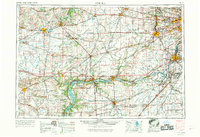 1958 Aurora1969 Print · USGSNorthern Illinois in the late fifties shows a landscape of powerful river industry and expanding transport corridors. Genealogists and historians can trace the development of Aurora and Joliet or locate sites like the Elwood Ordnance Plant and Starved Rock.3 unique versions available
 - 1961 Map of Aurora
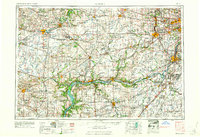 1961 Aurora1961 Print · USGSNorthern Illinois at the height of the post-war era reveals a landscape of massive industrial works and thriving river towns. Genealogists and historians can trace the paths of the Lincoln Highway or locate long-standing landmarks like the Green River Ordnance Plant and Starved Rock State Park.
 - 1962 Map of West Chicago, 1963 Print
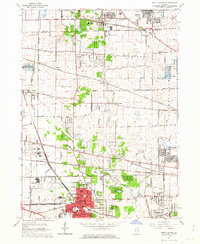 1962 West Chicago1963 Print · USGSMid-century DuPage County is captured here at a peak of rail activity, with five major lines crossing the prairies and developing towns. Genealogists and local historians can trace family plots at Old Ontarioville Cemetery or locate landmarks like Wheaton College Academy and the Munger rail stop.4 unique versions available
 - 1964 Map of Geneva, 1965 Print
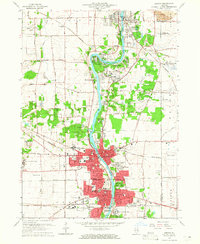 1964 Geneva1965 Print · USGSThe Fox River valley in the mid-1960s shows a landscape of growing river towns and sprawling forest preserves. Researchers can trace the footprints of institutional landmarks like St Dominic College or find family history at Union Cem and Oak Hill Cem.4 unique versions available
 - 1985 Map of Aurora, 1989 Print
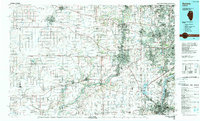 1985 Aurora1989 Print · USGSNortheastern Illinois is captured in the mid-1980s as suburban growth began to bridge the gap between the Fox River cities and the outer prairies. Researchers can trace the development of Naperville and Aurora or locate rural landmarks like Fairview Cem and the Illinois and Michigan Canal.
 - 1993 Map of Geneva, 1994 Print
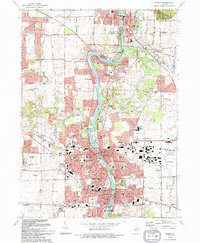 1993 Geneva1994 Print · USGSThe Fox River valley was experiencing significant suburban expansion in the early nineties as residential neighborhoods filled the gaps between historic river towns. Researchers can trace local landmarks like Union Cem, South Elgin, and the Du Page County Airport.
 - 1993 Map of West Chicago, 1994 Print
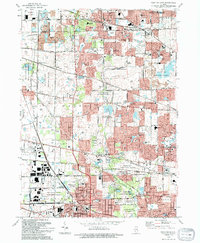 1993 West Chicago1994 Print · USGSWest Chicago and the DuPage County borderlands show a landscape of suburban expansion and forest preservation in the early 1990s. Genealogists and local historians can trace rail-side settlements like Ontarioville, Munger, and Prince Crossing.
 - 1998 Map of West Chicago, 2002 Print
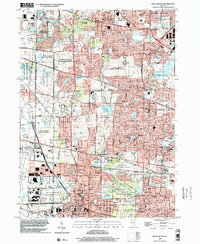 1998 West Chicago2002 Print · USGSDuPage County at the close of the twentieth century shows a complex network of forest preserves and suburban growth. Researchers can trace local history through sites like Wayne Twp Cem, the McAuley Sch, and the rail junction at Munger.
 - 1998 Map of Geneva, 2002 Print
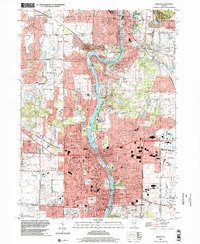 1998 Geneva2002 Print · USGSKane County's Fox River valley is captured here at the end of the century, showing the dense growth of St Charles and Geneva. Local historians can trace old landmarks like Little Woods Cem, the Chicago and North Western rail lines, and the Illinois Prairie Path.
 - 2012 Map of West Chicago, 2012 Print
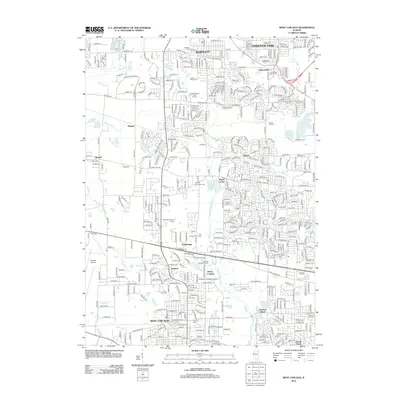 2012 West Chicago2012 Print · USGSThe West Chicago corridor in the early 2010s shows a landscape of established communities and extensive green space along the W Br Du Page River. Genealogists and historians can trace numerous burial sites such as Ontarioville Cem or visit local landmarks like Wheaton College Academy.
 - 2012 Map of Geneva, 2012 Print
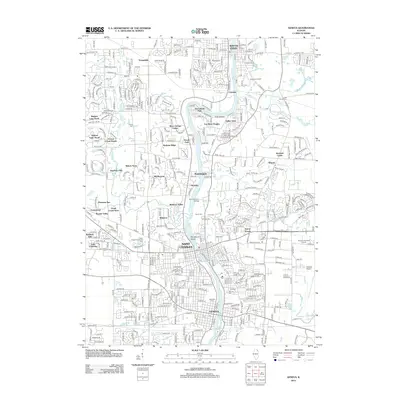 2012 Geneva2012 Print · USGSThe Fox River valley in the early 2010s shows a sophisticated landscape where historic towns meet modern suburban growth. Researchers can locate numerous local landmarks including Dunham Castle, Saint Dominic College, and family plots at Oak Hill Cem.
 - 2015 Map of West Chicago, 2015 Print
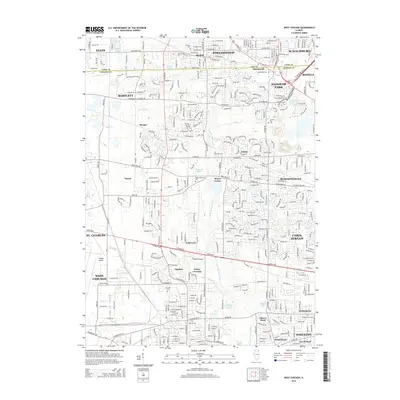 2015 West Chicago2015 Print · USGSThe West Chicago and Bartlett area is shown in the mid-2010s as a dense network of suburban growth and historical landmarks. Researchers can trace the layout of smaller communities like Ontarioville or locate burial sites such as Glen Oak Cem and Calvary Cem.
 - 2015 Map of Geneva, 2015 Print
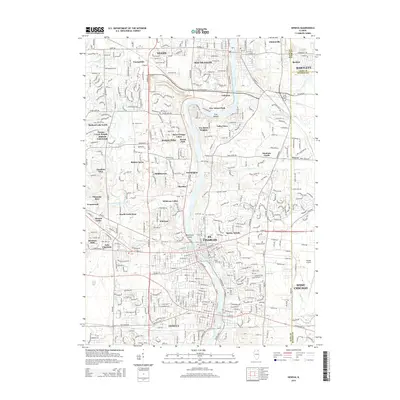 2015 Geneva2015 Print · USGSThe Fox River Valley thrives in the mid-2010s, showing the dense suburban development and preserved riverfronts between Geneva and South Elgin. Researchers can locate historic landmarks like Dunham Castle or trace family lineages through Oak Hill Cem and Little Woods Cem.
 - 2018 Map of West Chicago, 2018 Print
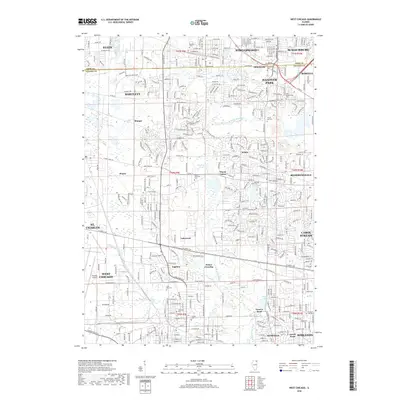 2018 West Chicago2018 Print · USGSWest Chicago and the DuPage County borderlands appear here as a dense network of suburban growth and preserved history during the late 2010s. Researchers can trace family roots at Old Ontarioville Cem or locate smaller historical junctions like Ingalton and Wayne Center.
 - 2018 Map of Geneva, 2018 Print
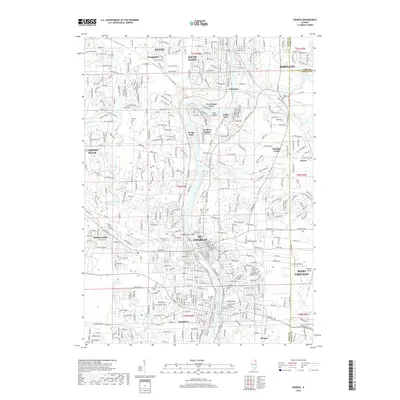 2018 Geneva2018 Print · USGSThe Fox River Valley corridor is shown in extensive detail during its modern period of growth. Genealogists and local historians can trace the established neighborhoods of St. Charles and Geneva, locating landmarks like Dunham Castle and the Oak Hill Cem.
 - 2021 Map of West Chicago, 2021 Print
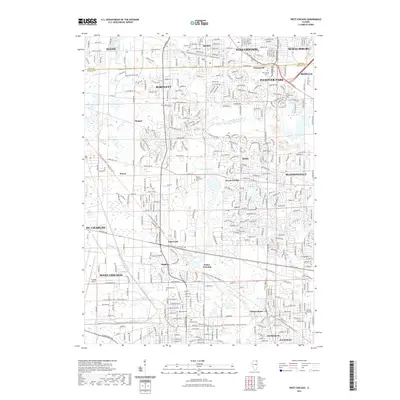 2021 West Chicago2021 Print · USGSThe Fox River Valley suburbs emerge in this modern survey of the Cook and DuPage county line. Researchers can trace the legacy of rail transit via the Illinois Prairie Path and locate historic burial sites like Glen Oak Cem or Ontarioville Cem.
 - 2021 Map of Geneva, 2021 Print
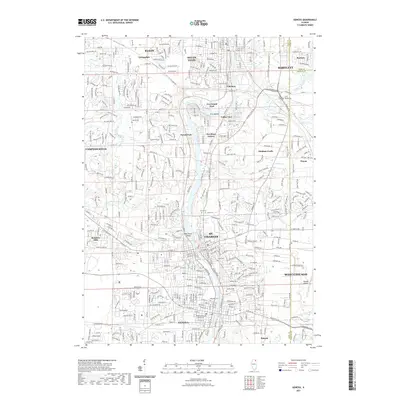 2021 Geneva2021 Print · USGSThe Fox River valley in the early twenty-first century shows a dense network of suburban communities and historic river towns. Trace local heritage at the Kane County Courthouse or locate family plots in Oak Hill Cem and Prairie Cem.
 - 2024 Map of West Chicago, 2024 Print
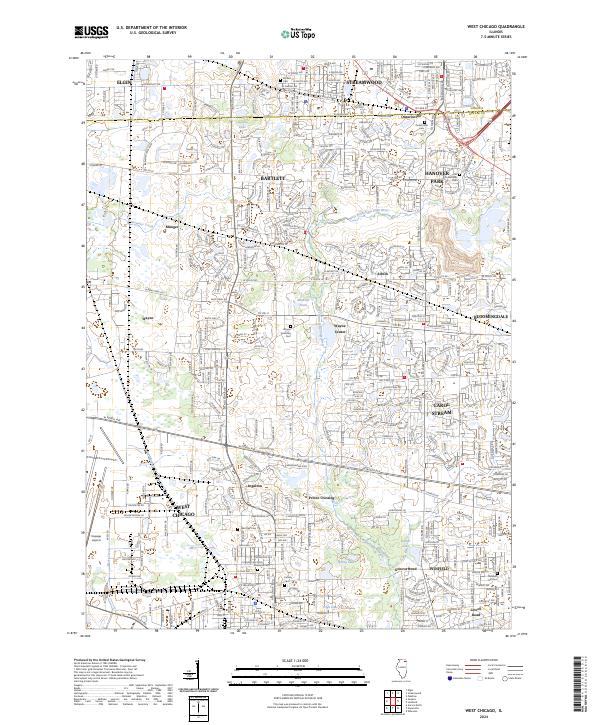 2024 West Chicago2024 Print · USGSThe DuPage County suburbs are shown in their modern configuration, tracing the growth of Bartlett and West Chicago. Researchers can locate several historic burial grounds like Ontarioville Cem and trace old rail junctions near Ingalton and Munger.
Showing maps 1-25 of 26
Top cities near Wayne
- Aurora historical maps
- Naperville historical maps
- Elgin historical maps
- Schaumburg historical maps
- Bolingbrook historical maps
- Palatine historical maps
See more
Frequently asked questions
- What are the different types of historical maps available for Wayne?
- What is the oldest map of Wayne?
- Where can I purchase historical maps of Wayne for my home or office?
- Where can I download high-res historical maps of Wayne?
- Are there historical topographic maps available for Wayne?
- Is there historical aerial imagery available for Wayne?
- Where are historical maps of Wayne sourced from?