Old Maps of Oliver, Illinois for Academic Research
Study the evolution of Oliver with 14 high-resolution historic maps. Whether you're teaching, researching, or modeling changes in land use, these maps provide essential visual documentation of urban, environmental, and geographic change.
- Analyze long-term change: Track patterns in development, transportation, and natural features.
- Ideal for environmental or urban studies: Support academic projects with primary historical map data.
- Use in the classroom or lab: Educators and researchers rely on these maps to bring historical context to life.
These maps are a powerful tool for teaching, research, and visualizing how Oliver has changed over the decades.
Oliver, IL maps
(14)- 1891 Map of Clinton
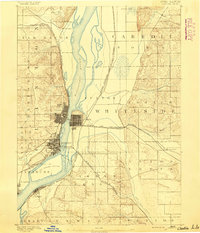 1891 Clinton1891 Print · USGSThe Mississippi River corridor thrived as a dual-state rail hub in the 1890s, anchored by the riverfront centers of Clinton and Fulton. Researchers can trace the early tracks of the Chicago and Northwestern RR and locate vanished stops like Almont and Argo.
 - 1894 Map of Clinton
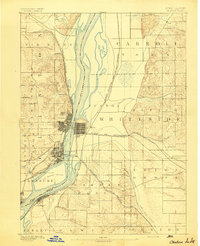 1894 Clinton1894 Print · USGSThe riverfront communities of eastern Iowa and western Illinois are captured here in the late nineteenth century as rail expansion reached its peak. Researchers can trace early street grids in Clinton and Lyons or locate old rail junctions near Garden Plain and Almont.3 unique versions available
 - 1899 Map of Clinton
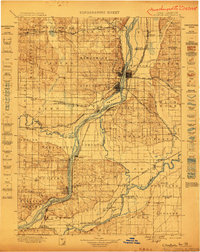 1899 Clinton1899 Print · USGSThe Mississippi River valley comes alive in the late 1890s, capturing the river-and-rail economy of Iowa and Illinois before modern channelization. Genealogists and historians can trace early townships and river landings, finding precise locations for Low Moor, Folletts, and Pink Prairie.5 unique versions available
 - 1952 Map of Clinton, 1953 Print
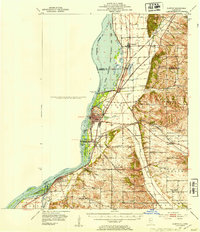 1952 Clinton1953 Print · USGSThe Illinois-Iowa border along the Mississippi River is captured here in the early fifties, showing a landscape defined by industrial rail lines and wildlife refuges. Trace family roots through specific rural landmarks like York Ch, Cottonwood Sch, and Calvary Cem.2 unique versions available
 - 1958 Map of Davenport, 1968 Print
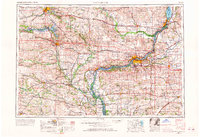 1958 Davenport1968 Print · USGSEastern Iowa and western Illinois thrive along the river during the late fifties, defined by the industrial Quad Cities and a robust rail network. Genealogists can trace family roots through settlements like Oasis and Stanwood or along the Cedar River.2 unique versions available
 - 1961 Map of Davenport
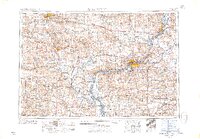 1961 Davenport1961 Print · USGSThe Quad Cities and the eastern Iowa riverlands are captured here in the early sixties, showing the region's transition into a modern industrial and transit hub. Genealogists and historians can trace the paths of major railroads and find river landmarks like Rock Island Arsenal, Huron Island, and the Coralville Reservoir.
 - 1962 Map of Davenport
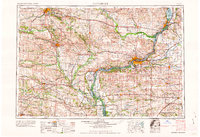 1962 Davenport1962 Print · USGSThe Quad Cities and the Mississippi River corridor are shown at their industrial peak just before the interstate era fully transformed the region. Researchers can trace the sprawling rail networks of the Chicago Rock Island and Pacific and find landmarks like the Rock Island Arsenal and Wild Cat Den State Park.
 - 1984 Map of Davenport, 1985 Print
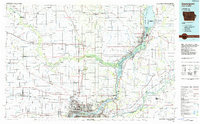 1984 Davenport1985 Print · USGSThe Quad Cities and the eastern Iowa riverlands are captured in the mid-eighties as industry and conservation converged along the Mississippi. Genealogists and local historians can trace rural roots through Stender Church, Oxford Mills, and the Elmwood Cem burial grounds.2 unique versions available
 - 1985 Map of Union Grove, 1986 Print
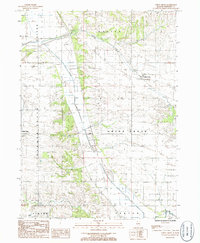 1985 Union Grove1986 Print · USGSWhiteside County in the mid-1980s reveals a structured landscape of small settlements and creek-side industry. Researchers can trace rural landmarks from Union Grove to Garden Plain, alongside distinctive local features like a Peat Mine and Cattail Creek.
 - 2012 Map of Union Grove, 2012 Print
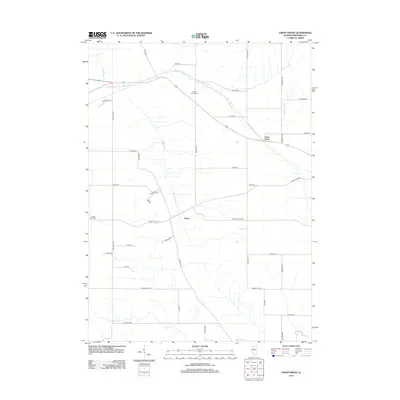 2012 Union Grove2012 Print · USGSWhiteside County's rural agricultural heartland is documented here in the early twenty-first century, showing the enduring grid of farm-to-market roads. Genealogists can locate Cotton Wood Cem and Garden Plain Cem near the small hamlets of Union Grove and Oliver.
 - 2015 Map of Union Grove, 2015 Print
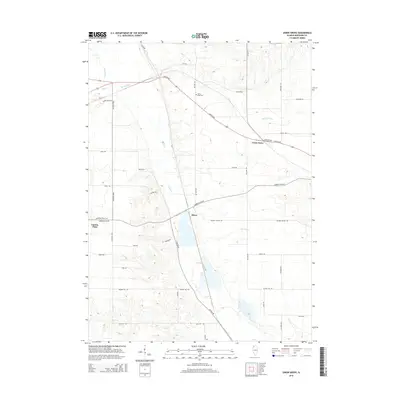 2015 Union Grove2015 Print · USGSWhiteside County in the mid-2010s remains a landscape of historic farm roads and rural cemeteries. Genealogists and local historians can trace the geography around Union Grove, Garden Plain, and Cotton Wood Cem while following the path of Cattail Cr.
 - 2018 Map of Union Grove, 2018 Print
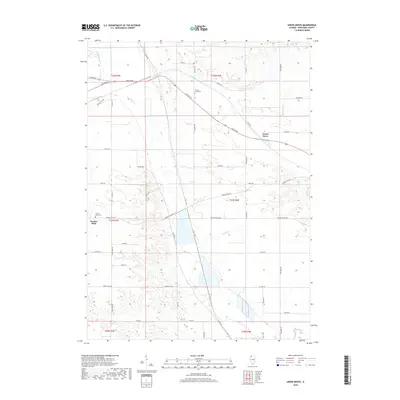 2018 Union Grove2018 Print · USGSWhiteside County's rural landscape is captured here in the late 2010s, showcasing the traditional township grids and creek-fed valleys of central Illinois. Genealogists and local researchers can locate specific sites like Cotton Wood Cem, Garden Plain Cem, and the old settlement at Union Grove.
 - 2021 Map of Union Grove, 2021 Print
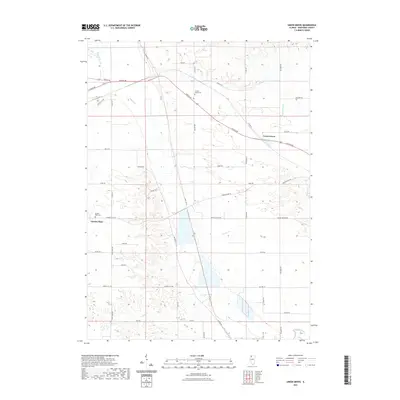 2021 Union Grove2021 Print · USGSWhiteside County agricultural lands and small rural centers are captured here in the early twenty-first century. Genealogists and local historians can locate legacy sites like Cotton Wood Cem and the settlements of Union Grove and Garden Plain.
 - 2024 Map of Union Grove, 2024 Print
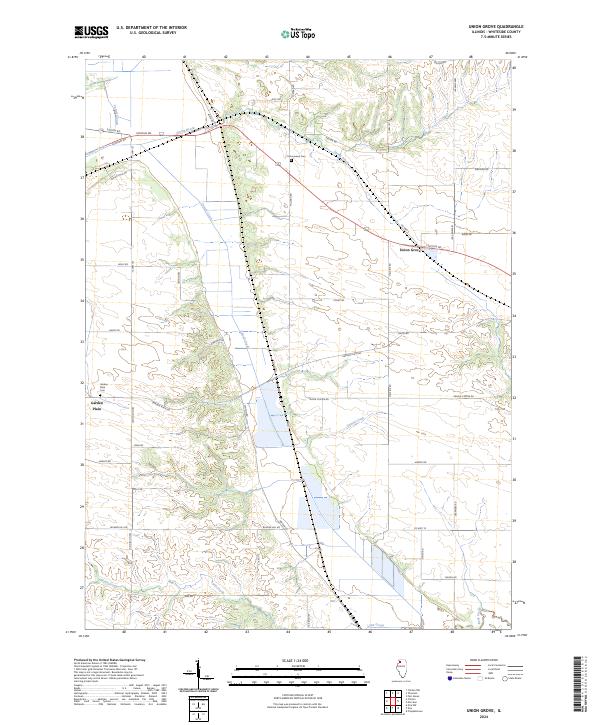 2024 Union Grove2024 Print · USGSWhiteside County is captured in the early 2020s, showing a traditional Illinois agricultural landscape shaped by numerous local waterways. Trace rural family roots and historic property lines near Union Grove, Cottonwood Cem, and the banks of Cattail Slough.
End of results
Showing maps 1-14 of 14
Top cities near Oliver
- Clinton historical maps
- Camanche historical maps
- Morrison historical maps
- Fulton historical maps
- Prophetstown historical maps
- Erie historical maps
See more
Frequently asked questions
- What are the different types of historical maps available for Oliver?
- What is the oldest map of Oliver?
- Where can I purchase historical maps of Oliver for my home or office?
- Where can I download high-res historical maps of Oliver?
- Are there historical topographic maps available for Oliver?
- Is there historical aerial imagery available for Oliver?
- Where are historical maps of Oliver sourced from?