Old Maps of Arcola, Indiana for Academic Research
Study the evolution of Arcola with 10 high-resolution historic maps. Whether you're teaching, researching, or modeling changes in land use, these maps provide essential visual documentation of urban, environmental, and geographic change.
- Analyze long-term change: Track patterns in development, transportation, and natural features.
- Ideal for environmental or urban studies: Support academic projects with primary historical map data.
- Use in the classroom or lab: Educators and researchers rely on these maps to bring historical context to life.
These maps are a powerful tool for teaching, research, and visualizing how Arcola has changed over the decades.
Arcola, IN maps
(10)- 1953 Map of Fort Wayne, 1963 Print
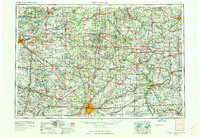 1953 Fort Wayne1963 Print · USGSNortheast Indiana and its neighboring borderlands in Michigan and Ohio appear here during a peak era of rail and road expansion. Researchers can trace the massive rail networks of the Nickel Plate Road and Wabash or locate lakeside landmarks like Lake Wawasee and Clear Lake.4 unique versions available
 - 1956 Map of Fort Wayne
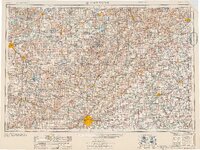 1956 Fort Wayne1956 Print · USGSThe tri-state borderlands of Indiana, Michigan, and Ohio are captured here in the mid-fifties, centered on the growing industrial hub of Fort Wayne. Researchers can trace the heavy rail lines of the New York Central and Pennsylvania alongside prominent water features like Lake Wawasee and the Maumee River.2 unique versions available
 - 1961 Map of Arcola, 1963 Print
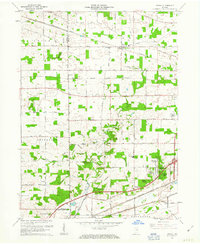 1961 Arcola1963 Print · USGSAllen County in the early sixties showcases a rural landscape evolving with new residential developments and established rail corridors. Genealogists can trace family heritage at St Patricks Cem, Bayliss Cem, or through the early settlement of Arcola and Dunfee.2 unique versions available
 - 1984 Map of Fort Wayne, 1985 Print
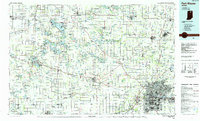 1984 Fort Wayne1985 Print · USGSNortheast Indiana in the mid-1980s reveals a complex landscape of glacial lakes, thriving college towns, and heavy rail infrastructure. Researchers can trace the development of Winona Lake, locate Manchester College in North Manchester, and find rural landmarks like Oakwood Cem or the Tri-County State Fish and Game Area.
 - 1994 Map of Fort Wayne
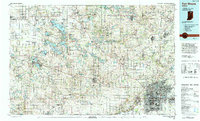 1994 Fort Wayne1994 Print · USGSNortheast Indiana in the mid-nineties shows a landscape deeply tied to its glacial lakes and early rail networks. Genealogists and historians can trace old transit lines like the Old Ind RR and explore lakeside settlements such as Enchanted Hills and Syracuse.
 - 2010 Map of Arcola, 2010 Print
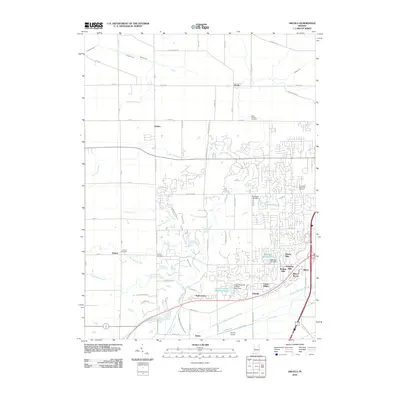 2010 Arcola2010 Print · USGSAllen County’s western corridor is captured in the early 21st century as suburban growth meets rural farmland. Genealogists can locate family burial plots at Saint Patricks Cemetery or Bayliss Cemetery, while following the path of Aboite Creek through Dunfee.
 - 2013 Map of Arcola, 2013 Print
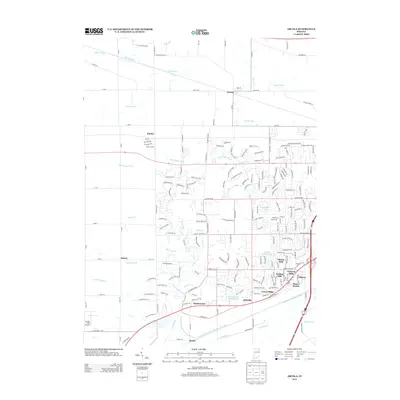 2013 Arcola2013 Print · USGSArcola and its surrounding townships appear here during a period of suburban transition in Allen County. Researchers can trace the development of Liberty Hills and Ellisville or locate landmarks like Gerig's Field Airport and Kekionga Shores Lake.
 - 2016 Map of Arcola, 2016 Print
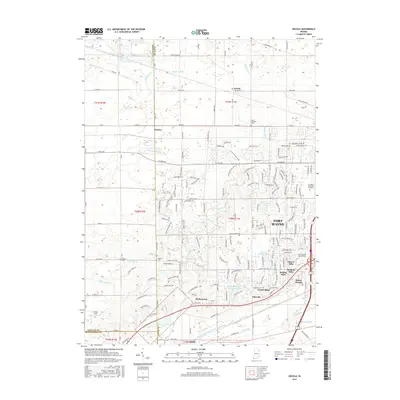 2016 Arcola2016 Print · USGSThe Allen County borderlands west of Fort Wayne come into focus during a period of suburban growth into former farmland. Genealogists and local historians can locate Saint Patricks Cem, the village of Arcola, and residential developments like Timbercrest and Ellisville.
 - 2019 Map of Arcola, 2019 Print
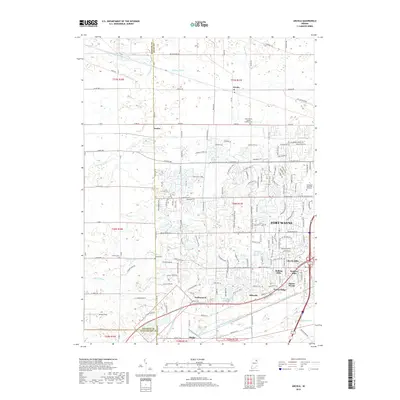 2019 Arcola2019 Print · USGSFort Wayne's westward suburban growth is documented here just before the end of the decade, showing the transition from rural Allen County to modern residential neighborhoods. Genealogists can locate family burial sites at Saint Patrick Roman Catholic Cem or Bayless Cem while tracing the waters of the Little River.
 - 2023 Map of Arcola, 2023 Print
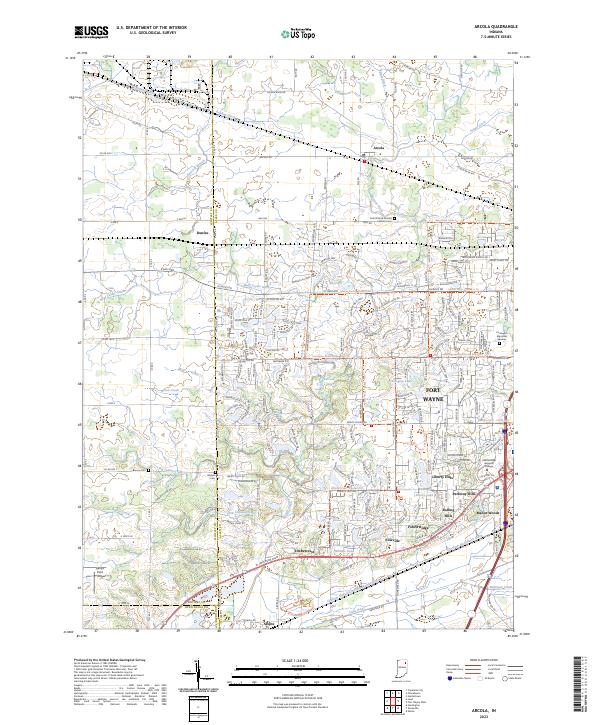 2023 Arcola2023 Print · USGSAllen County reveals its shift from a drainage-dependent farming landscape to a growing suburban center in the early 2020s. Researchers can locate historic burial grounds like Saint Patrick Roman Catholic Cem and trace the paths of Gangwer Ditch and Aboite Creek.
End of results
Showing maps 1-10 of 10
Top cities near Arcola
- Fort Wayne historical maps
- Aboite historical maps
- Huntington historical maps
- New Haven historical maps
- Columbia City historical maps
- Garrett historical maps
See more
Frequently asked questions
- What are the different types of historical maps available for Arcola?
- What is the oldest map of Arcola?
- Where can I purchase historical maps of Arcola for my home or office?
- Where can I download high-res historical maps of Arcola?
- Are there historical topographic maps available for Arcola?
- Is there historical aerial imagery available for Arcola?
- Where are historical maps of Arcola sourced from?