Old Maps of North Vernon, Indiana for Academic Research
Study the evolution of North Vernon with 32 high-resolution historic maps. Whether you're teaching, researching, or modeling changes in land use, these maps provide essential visual documentation of urban, environmental, and geographic change.
- Analyze long-term change: Track patterns in development, transportation, and natural features.
- Ideal for environmental or urban studies: Support academic projects with primary historical map data.
- Use in the classroom or lab: Educators and researchers rely on these maps to bring historical context to life.
These maps are a powerful tool for teaching, research, and visualizing how North Vernon has changed over the decades.
North Vernon, IN maps
(32)- 1942 Map of Columbus
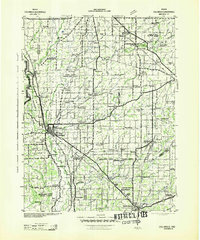 1942 Columbus1942 Print · USGSBartholomew and Shelby counties are shown during the early years of the war, as military installations and rail lines reshaped the rural Indiana landscape. Genealogists can trace family-named sites and established communities like St Louis Crossing, Hope, and the sprawling Camp Atterbury.
 - 1953 Map of Cincinnati, 1965 Print
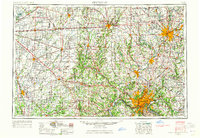 1953 Cincinnati1965 Print · USGSThe Ohio River valley and the industrial heartland of Indiana and Ohio are captured here during the mid-century peak of rail and river commerce. Genealogists and historians can trace connections between Cincinnati and outlying military sites like Camp Atterbury and Bakalar AFB.3 unique versions available
 - 1956 Map of Louisville, 1971 Print
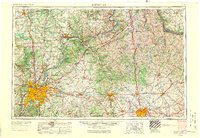 1956 Louisville1971 Print · USGSThe Ohio River valley and the Kentucky Bluegrass are captured here during a period of rapid mid-century growth and industrial activity. Genealogists and historians can trace rail-centered towns and military land use at Fort Knox and the Jefferson Proving Ground.2 unique versions available
 - 1957 Map of Cincinnati
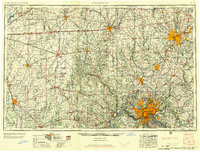 1957 Cincinnati1957 Print · USGSThe Ohio River valley and its surrounding highlands thrived during the mid-fifties industrial peak, centered on the bustling Cincinnati and Dayton metropolitan hubs. Researchers can trace the extensive rail networks and military sites like Wright-Patterson AFB and Camp Atterbury.
 - 1957 Map of Butlerville, 1958 Print
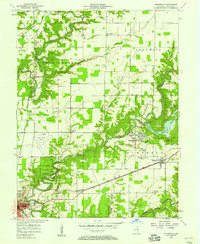 1957 Butlerville1958 Print · USGSJennings County in the late fifties is defined by the convergence of major rail lines and large-scale state institutions. Genealogists and local historians can trace family roots through Day Cemetery and St Anns School, or explore the grounds of the Muscatatuck State School.3 unique versions available
 - 1957 Map of North Vernon, 1958 Print
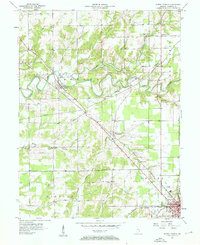 1957 North Vernon1958 Print · USGSJennings County during the late fifties reveals a landscape defined by the intersection of major rail lines and quiet rural life. Researchers can trace family heritage at Cave Springs Cem or locate old community landmarks like the Covered Bridge and the Oak Grove Ch.5 unique versions available
 - 1959 Map of Vernon, 1960 Print
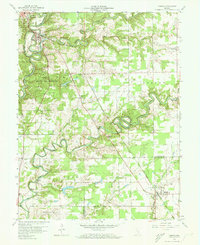 1959 Vernon1960 Print · USGSJennings County at the end of the 1950s shows a landscape shaped by the deep meanders of the Muscatatuck River. Genealogists can trace the paths between Vernon and Dupont, locating rural landmarks like Freedom Ch and the Douchette Cem.5 unique versions available
 - 1959 Map of Hayden, 1960 Print
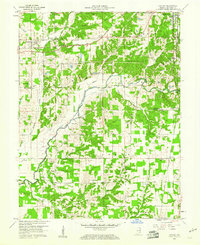 1959 Hayden1960 Print · USGSJennings County at the end of the fifties is a patchwork of river-bottom farms and small rail towns connected by the Baltimore and Ohio Railroad. Genealogists can locate family landmarks like Whitcomb Cem, St Josephs Ch, and the Township Sch near Lovett.3 unique versions available
 - 1964 Map of Louisville
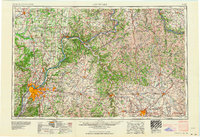 1964 Louisville1964 Print · USGSThe Ohio River valley and Kentucky Bluegrass are captured in the mid-1960s, showing a region balanced between industrial growth and its agrarian roots. Genealogists and historians can trace the development of county seats like Shelbyville and Paris, or locate established institutions such as Georgetown College and Bernheim Forest.
 - 1986 Map of Greensburg
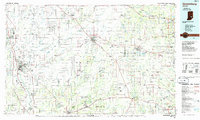 1986 Greensburg1986 Print · USGSSoutheastern Indiana in the mid-eighties shows a balance of growing industrial centers and deeply rooted rural communities. Family historians can trace landmarks like the Highland Center School, South Park Cemetery, and the Bartholomew County Courthouse among the river forks.2 unique versions available
 - 1986 Map of Madison
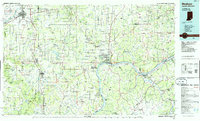 1986 Madison1986 Print · USGSSouthern Indiana and Northern Kentucky are shown here in the mid-eighties, centered on the river corridor and the sprawling Jefferson Proving Ground. Genealogists and historians can trace rail lines like the Seaboard System and locate river towns from Madison to Bethlehem.
 - 1990 Map of Madison, 1991 Print
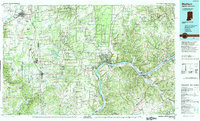 1990 Madison1991 Print · USGSThe Ohio River valley and the southern Indiana plains are documented here in the final decade of the twentieth century. Genealogists and historians can trace family-named crossroads and established rail towns like Dudleytown, Austin, and Crothersville along the P C RR line.
 - 2010 Map of Butlerville, 2010 Print
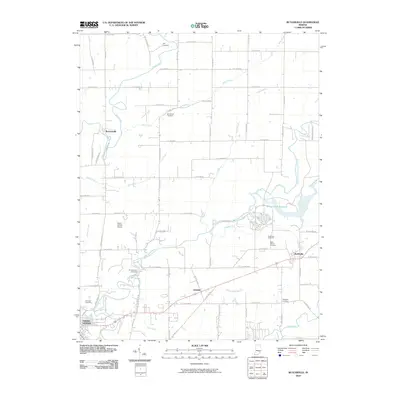 2010 Butlerville2010 Print · USGSJennings County at the start of the 2010s reveals a landscape defined by the winding Vernon Fork Muscatatuck River and its rural settlements. Genealogists can locate numerous burial sites like State School Cemetery and Summerfield Cemetery.
 - 2010 Map of Vernon, 2010 Print
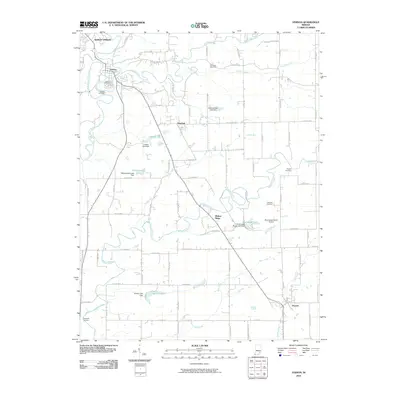 2010 Vernon2010 Print · USGSJennings County at the dawn of the 2010s shows a landscape of river bends and rural water works centered on North Vernon. Researchers can trace local lineage through numerous grounds like Vernon Cemetery and Hopewell Cemetery or locate landmarks such as the Broomsage Ranch Airport.
 - 2010 Map of Hayden, 2010 Print
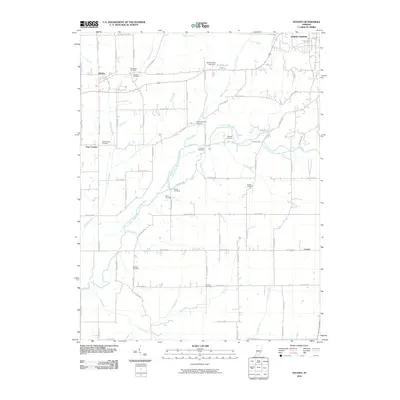 2010 Hayden2010 Print · USGSJennings County at the start of the 2010s reveals a quiet landscape of river bends and rural crossroads west of North Vernon. Genealogists can trace family heritage through more than a dozen sites like Sixmile Cemetery, Sullivan Cemetery, and the settlement of Hayden.
 - 2010 Map of North Vernon, 2010 Print
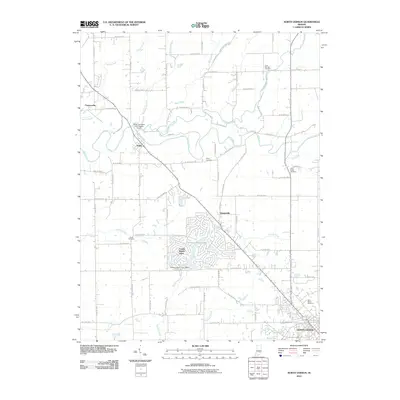 2010 North Vernon2010 Print · USGSJennings County at the start of the 2010s shows a landscape of modern residential growth alongside historic rural hamlets. Researchers can trace family roots at Saint Marys Cemetery or locate landmarks like Country Squire Lakes and the Miller and Sons Farm Supply Airport.
 - 2013 Map of North Vernon, 2013 Print
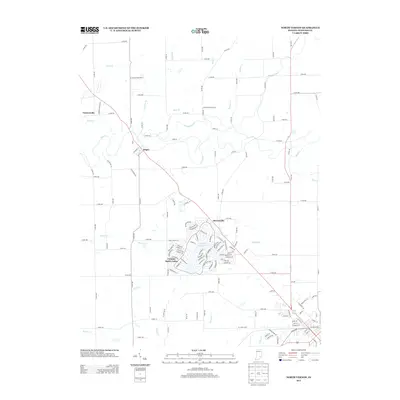 2013 North Vernon2013 Print · USGSJennings County in the early twenty-first century reveals a landscape of growing lakeside communities and historic crossroads settlements. Genealogists and local historians can trace the development of Country Squire Lakes or locate landmarks in Scipio and Queensville.
 - 2013 Map of Butlerville, 2013 Print
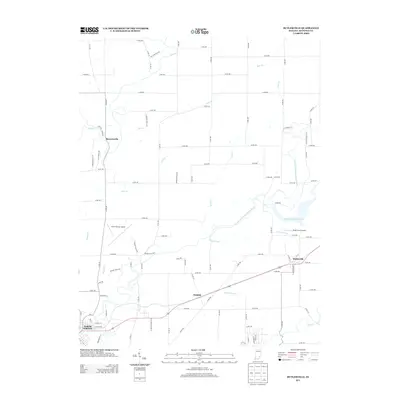 2013 Butlerville2013 Print · USGSJennings County in the early twenty-first century shows a landscape of river-fed reservoirs and rural crossroads. Trace the lineage of small settlements from Brewersville and Oakdale to the protected woodlands of the Selmier State Forest.
 - 2013 Map of Vernon, 2013 Print
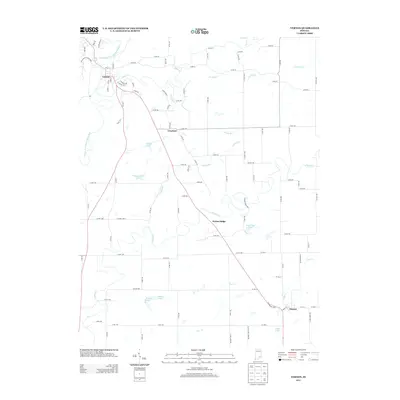 2013 Vernon2013 Print · USGSJennings County and the outskirts of Jefferson County are captured here in the early 2010s, centered on the river-bend settlement of Vernon. Researchers can trace local landmarks like Muscatatuck State Park, Crosley Lake, and the community of Dupont.
 - 2013 Map of Hayden, 2013 Print
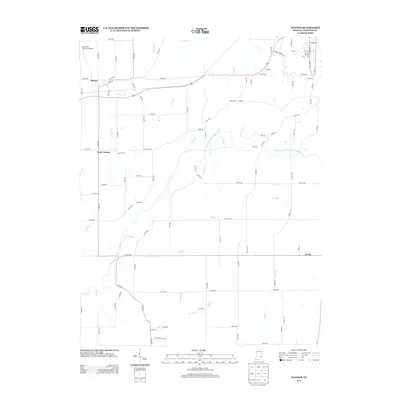 2013 Hayden2013 Print · USGSJennings County as it appeared in the early 2010s reveals a landscape defined by the winding Vernon Fork Muscatatuck River and its many creeks. You can trace the local street grids of Hayden and Lovett, or locate the specialized Aerobatic Practice Airport.
 - 2016 Map of Vernon, 2016 Print
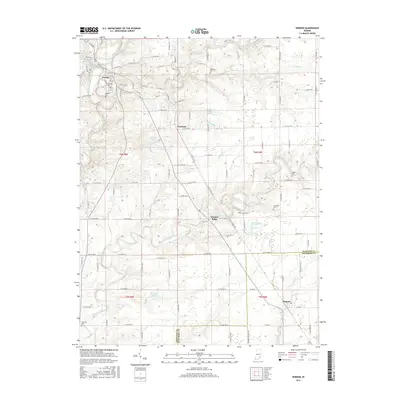 2016 Vernon2016 Print · USGSJennings County and the border of Jefferson County appear here in the mid-2010s, centered on the winding path of the Vernon Fork Muscatatuck River. Genealogists can trace family landmarks across several historic sites, including Hughes Cem, Callicotte Cem, and the settlement of Walnut Ridge.
 - 2016 Map of North Vernon, 2016 Print
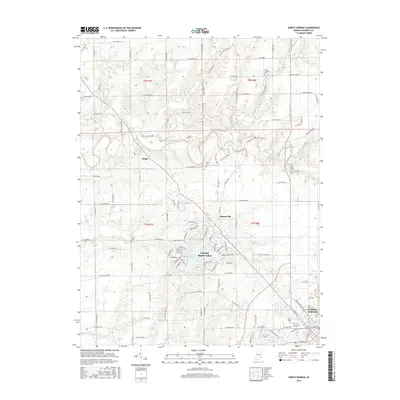 2016 North Vernon2016 Print · USGSJennings County in the mid-2010s shows a landscape of creek-side hamlets and modern residential growth between the county seat and the northern townships. Genealogists and historians can locate several burial grounds, including Cave Springs Cem and Fish Creek Cem, or trace the development of Country Squire Lakes.
 - 2016 Map of Hayden, 2016 Print
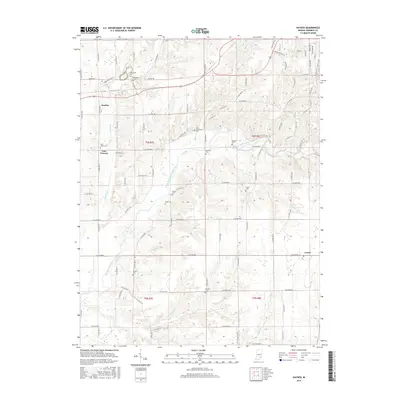 2016 Hayden2016 Print · USGSJennings County at the start of the twenty-first century remains a landscape of quiet river bends and storied rural settlements. Local historians can trace family ties through numerous burial sites like Saint Catherines Cem and Weston Cem near the banks of the Vernon Fork Muscatatuck River.
 - 2016 Map of Butlerville, 2016 Print
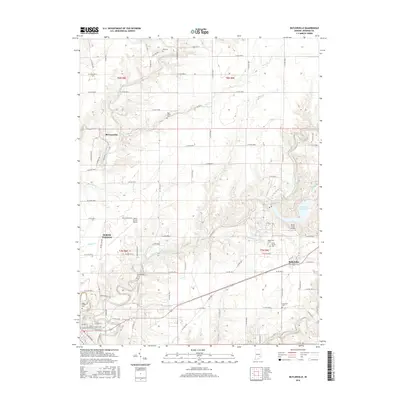 2016 Butlerville2016 Print · USGSJennings County in 2016 reveals a landscape of winding river forks and quiet rural crossroads. Genealogists can trace family roots through numerous burial grounds like Hopewell Cem and Day Cem or explore the area around Butlerville.
 - 2019 Map of Hayden, 2019 Print
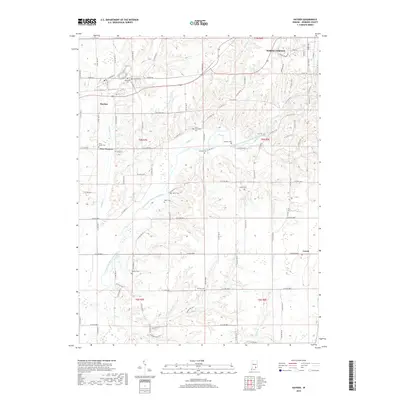 2019 Hayden2019 Print · USGSJennings County near the edge of North Vernon appears here in the late 2010s, defined by its small crossroads and river bottomlands. Genealogists can locate numerous rural burial sites including Whitcomb Cem, Saint James Cem, and German Cem.
Showing maps 1-25 of 32
Top cities near North Vernon
- Seymour historical maps
- Lancaster historical maps
- Crothersville historical maps
- Westport historical maps
- Lovett historical maps
- Jackson historical maps
See more
Frequently asked questions
- What are the different types of historical maps available for North Vernon?
- What is the oldest map of North Vernon?
- Where can I purchase historical maps of North Vernon for my home or office?
- Where can I download high-res historical maps of North Vernon?
- Are there historical topographic maps available for North Vernon?
- Is there historical aerial imagery available for North Vernon?
- Where are historical maps of North Vernon sourced from?