Old Maps of Audubon, Iowa for Academic Research
Study the evolution of Audubon with 12 high-resolution historic maps. Whether you're teaching, researching, or modeling changes in land use, these maps provide essential visual documentation of urban, environmental, and geographic change.
- Analyze long-term change: Track patterns in development, transportation, and natural features.
- Ideal for environmental or urban studies: Support academic projects with primary historical map data.
- Use in the classroom or lab: Educators and researchers rely on these maps to bring historical context to life.
These maps are a powerful tool for teaching, research, and visualizing how Audubon has changed over the decades.
Audubon, IA maps
(12)- 1954 Map of Omaha, 1967 Print
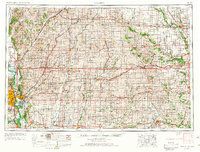 1954 Omaha1967 Print · USGSMid-century development radiates from the river bluffs into the agricultural heartland during this period of post-war growth. Genealogists and historians can trace rail-connected towns like Atlantic and Red Oak or locate the sprawling grounds of Offutt Air Force Base and Manawa Lake.3 unique versions available
 - 1957 Map of Omaha
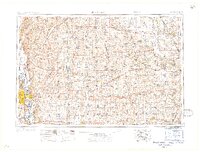 1957 Omaha1957 Print · USGSWestern Iowa and the Missouri River valley are seen here in the mid-fifties during the height of the rail-and-road era. Researchers can trace the sprawling rail lines of the Chicago And North Western or locate Cold War landmarks like Offutt Air Force Base.
 - 1957 Map of Audubon, 1958 Print
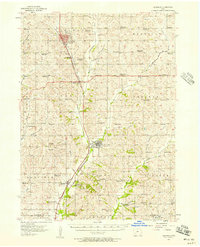 1957 Audubon1958 Print · USGSCentral Iowa farmland is captured here in the 1950s, centered on the Audubon and Exira rail corridors. You can trace early schoolhouse locations like School No 9 and find local family landmarks such as St Patricks Cem and the County Fairground.2 unique versions available
 - 1958 Map of Omaha
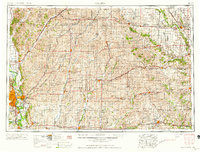 1958 Omaha1958 Print · USGSOmaha and Council Bluffs stand at the center of this mid-fifties landscape, where the Missouri River splits the urban plains of Nebraska from the rolling hills of western Iowa. Genealogists can trace the rail lines of the Wabash RR and Illinois Central RR to rural settlements like Missouri Valley and Red Oak.2 unique versions available
 - 1983 Map of Audubon, 1984 Print
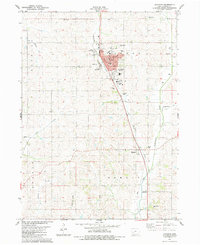 1983 Audubon1984 Print · USGSAudubon and the surrounding prairie townships are captured here in the early eighties as the community balanced its civic core with its river-valley agriculture. You can trace the locations of family burial grounds at Aretas Lodge Cemetery and Danish Cemetery, or locate the Courthouse and County Fairgrounds.
 - 1984 Map of Guthrie Center, 1985 Print
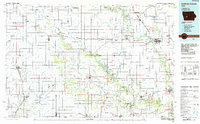 1984 Guthrie Center1985 Print · USGSWest-central Iowa's river valleys and farming townships are shown here in the mid-1980s, highlighting a network of conservation areas and historic rail towns. Genealogists and local historians can locate Violet Hill Cem, trace the Chicago and North Western railroad, or explore the grounds of Springbrook State Park.
 - 1993 Map of Guthrie Center
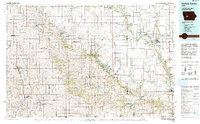 1993 Guthrie Center1993 Print · USGSWestern Iowa in the early 1990s showcases a network of river-valley towns and essential rail corridors. Researchers can trace local landmarks like Violet Hill Cem and the Chicago and North Western RR through Coon Rapids and Panora.
 - 2010 Map of Audubon, 2010 Print
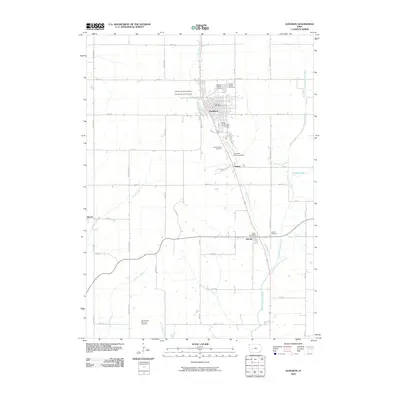 2010 Audubon2010 Print · USGSAudubon and its surrounding farming townships are captured in 2010, documenting the enduring civic centers and rural crossroads of western Iowa. Researchers can locate local landmarks like Albert the Bull Campground, the Danish Cemetery, and the Audubon County Fairground.
 - 2013 Map of Audubon, 2013 Print
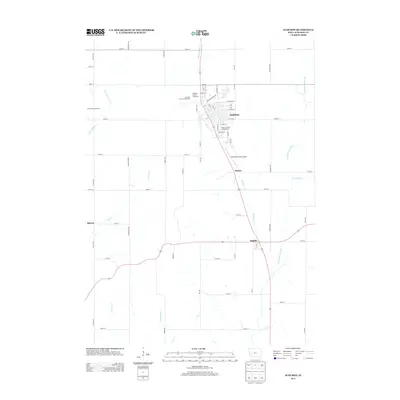 2013 Audubon2013 Print · USGSAudubon County at the start of the 2010s shows a landscape of well-ordered farms and small prairie settlements. Genealogists and local historians can trace the road networks connecting Audubon, Hamlin, and the Audubon County Fairgrounds.
 - 2015 Map of Audubon, 2015 Print
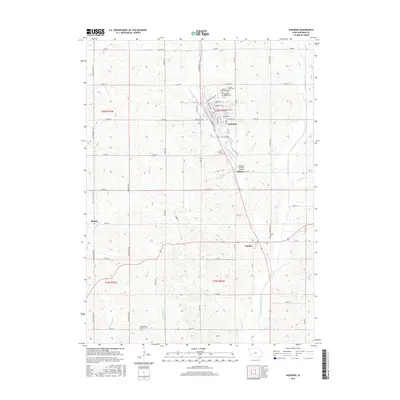 2015 Audubon2015 Print · USGSCentral Iowa's farm country and its local hamlets are detailed here in the mid-2010s. Genealogists can locate several distinct burial sites including Maple Grove Cem, Saint Patricks Cem, and Seventh Day Adventist Cem near Audubon and Hamlin.
 - 2018 Map of Audubon, 2018 Print
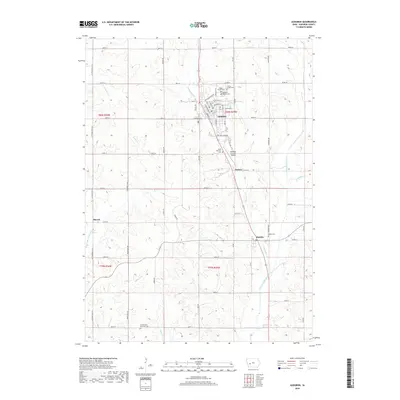 2018 Audubon2018 Print · USGSAudubon County's rolling farmland and river valleys are captured here in the late twenty-teens. Researchers can locate family landmarks such as Arlington Heights Cem, the settlement of Hamlin, and the winding East Nishnabotna River.
 - 2022 Map of Audubon, 2022 Print
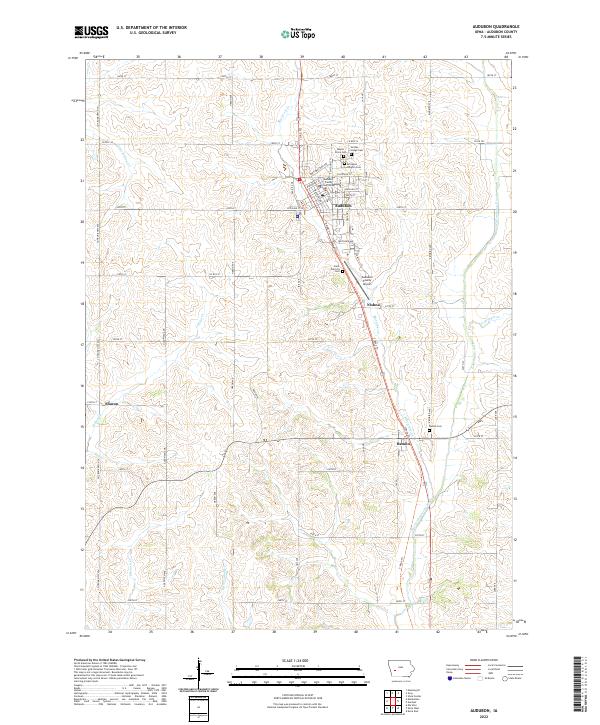 2022 Audubon2022 Print · USGSAudubon and its surrounding townships are documented in the early twenty-first century, revealing a landscape defined by deep-rooted farming communities. Researchers can locate several burial grounds like Danish Cem and Saint Patricks Cem, and trace landmarks such as the Audubon County Courthouse.
End of results
Showing maps 1-12 of 12
Top cities near Audubon
- Manning historical maps
- Exira historical maps
- Elk Horn historical maps
- Templeton historical maps
- Kimballton historical maps
- Dedham historical maps
See more
Frequently asked questions
- What are the different types of historical maps available for Audubon?
- What is the oldest map of Audubon?
- Where can I purchase historical maps of Audubon for my home or office?
- Where can I download high-res historical maps of Audubon?
- Are there historical topographic maps available for Audubon?
- Is there historical aerial imagery available for Audubon?
- Where are historical maps of Audubon sourced from?