Old Maps of Cedar Falls, Iowa for Academic Research
Study the evolution of Cedar Falls with 28 high-resolution historic maps. Whether you're teaching, researching, or modeling changes in land use, these maps provide essential visual documentation of urban, environmental, and geographic change.
- Analyze long-term change: Track patterns in development, transportation, and natural features.
- Ideal for environmental or urban studies: Support academic projects with primary historical map data.
- Use in the classroom or lab: Educators and researchers rely on these maps to bring historical context to life.
These maps are a powerful tool for teaching, research, and visualizing how Cedar Falls has changed over the decades.
Cedar Falls, IA maps
(28)- 1954 Map of Waterloo, 1968 Print
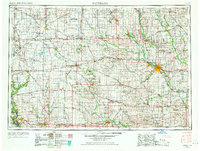 1954 Waterloo1968 Print · USGSCentral Iowa at the height of its mid-century agricultural and rail boom features the growing hubs of Waterloo and Cedar Falls. Genealogists and researchers can trace the rail corridors of the Chicago Great Western and find local landmarks like Iowa State College and Brushy Ridge.4 unique versions available
 - 1955 Map of Waterloo
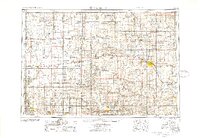 1955 Waterloo1955 Print · USGSCentral Iowa in the mid-fifties presents a dense landscape of rail-connected farming towns and growing river cities. Researchers can trace ancestral roots and old transport routes through Waterloo, Marshalltown, and Ames, while locating rural Cemeteries and local Quarries.2 unique versions available
 - 1963 Map of Hudson, 1964 Print
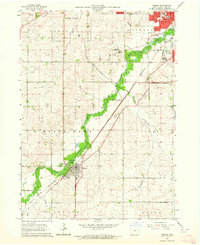 1963 Hudson1964 Print · USGSThe rural landscape around Hudson and the Waterloo outskirts comes to life in this early 1960s survey. Researchers can trace the Chicago Great Western rail line and locate landmarks like Mt Olive Cemetery and Cedar Falls Junction.2 unique versions available
 - 1963 Map of Cedar Falls, 1965 Print
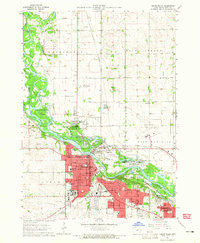 1963 Cedar Falls1965 Print · USGSThe Cedar River valley was undergoing significant post-war expansion in the early sixties as industrial Waterloo and academic Cedar Falls grew together. Researchers can trace the mid-century campus of the State Teachers College or locate family plots at Greenwood Cemetery and Highland Cem.4 unique versions available
 - 1971 Map of Zaneta, 1973 Print
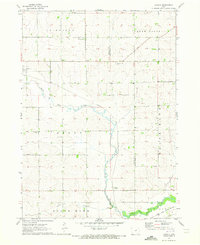 1971 Zaneta1973 Print · USGSThe rural border of Grundy and Black Hawk Counties is captured here in the early seventies, showcasing a landscape of fertile creek bottoms and rail-side settlements. Researchers can locate family landmarks like St Marys Cemetery, the crossroads at Fredsville, and the Zaneta rail stop.
 - 1971 Map of New Hartford, 1973 Print
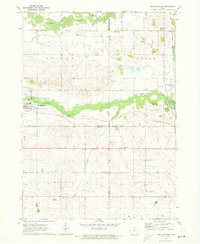 1971 New Hartford1973 Print · USGSThe Butler and Black Hawk county lines meet near New Hartford during the early seventies, showcasing a classic Iowa landscape of rail-fed towns and river bottoms. Genealogists can locate several local burial sites like Hillcrest Cem and Fairfield Cem along the farm roads.
 - 1984 Map of Marshalltown, 1985 Print
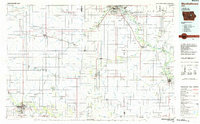 1984 Marshalltown1985 Print · USGSMid-Iowa's agricultural landscape and river corridors come alive in the mid-eighties as the Cedar River connects industrial hubs and small farm towns. Trace the tracks of the CHICAGO AND NORTHWESTERN or locate local landmarks like Union Grove State Park and Cedar Falls Junction.2 unique versions available
 - 1984 Map of Waverly, 1985 Print
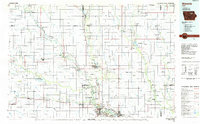 1984 Waverly1985 Print · USGSNortheast Iowa in the mid-eighties shows a robust network of river towns and rail corridors connecting agricultural centers. Researchers can trace family sites near Garden of Memories Cem or follow the Chicago and North Western line through Janesville and Waverly.2 unique versions available
 - 2010 Map of Zaneta, 2010 Print
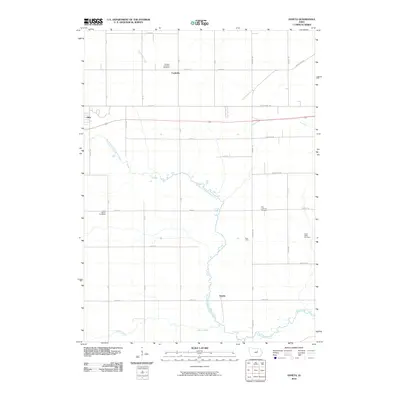 2010 Zaneta2010 Print · USGSBlack Hawk County agricultural lands are captured here in the early twenty-first century as they maintain their traditional rural structure. Researchers can locate family-named sites and historic burying grounds such as Zion Lutheran Cemetery and Fairfield Township Cemetery.
 - 2010 Map of Hudson, 2010 Print
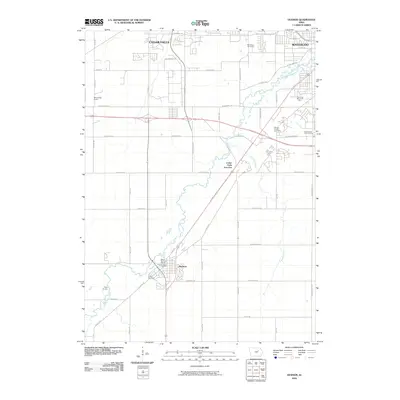 2010 Hudson2010 Print · USGSBlack Hawk County comes into focus in this early twenty-first-century survey of the communities south of Waterloo and Cedar Falls. Local researchers can locate family heritage sites at Hudson Cemetery and Mount Olivet Cemetery or trace the winding course of Black Hawk Creek.
 - 2010 Map of Cedar Falls, 2010 Print
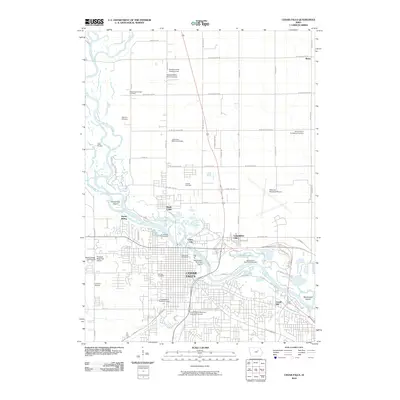 2010 Cedar Falls2010 Print · USGSCedar Falls and the Waterloo airport corridor are captured here in the early twenty-first century as the university and riverfront evolved. Trace family plots at Fairview Cemetery or locate landmarks like Norris Siding and Antique Acres Show Grounds.
 - 2010 Map of New Hartford, 2010 Print
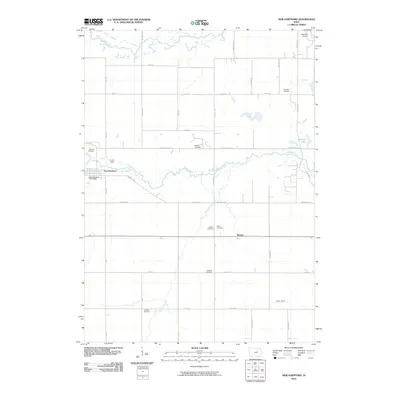 2010 New Hartford2010 Print · USGSBlack Hawk County farmland at the dawn of the 2010s shows a landscape deeply rooted in its agricultural past. Genealogists and local historians can trace family locations through numerous sites like Gerholdt Cemetery, Benson Cemetery, and the New Hartford Post Office.
 - 2013 Map of New Hartford, 2013 Print
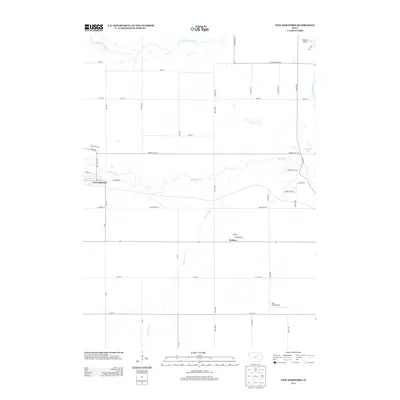 2013 New Hartford2013 Print · USGSThe rural lands surrounding New Hartford and Benson are shown during the early twenty-first century, revealing a landscape of structured agriculture and river valleys. Genealogists and researchers can trace local landmarks like Railroad Lake, Bluebird Airport, and the meandering Beaver Cr.
 - 2013 Map of Cedar Falls, 2013 Print
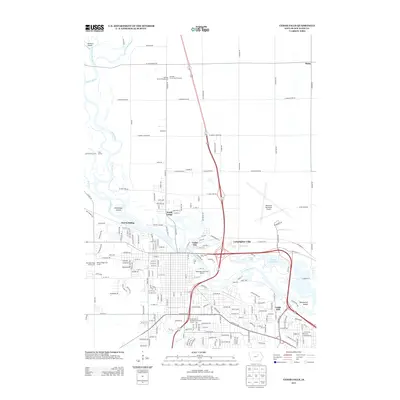 2013 Cedar Falls2013 Print · USGSThe Cedar Falls and Waterloo area in the early twenty-first century shows a landscape defined by the Cedar River and the University of Northern Iowa. Researchers can trace local development through points like Norris Siding, Cedar City, and the Antique Acres Show Grounds.
 - 2013 Map of Zaneta, 2013 Print
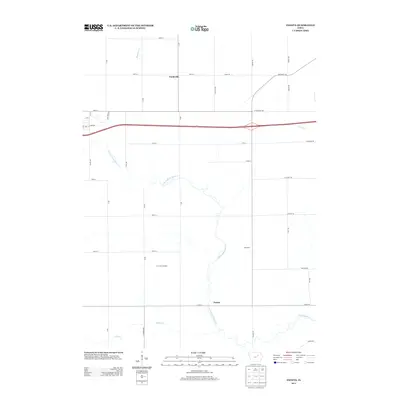 2013 Zaneta2013 Print · USGSBlack Hawk County is captured here in the early twenty-first century, showing a transition between quiet crossroads and modern infrastructure. Genealogists and local researchers can trace the vicinity of Fredsville, the waters of Willow Cr, and the rural outpost at Zaneta.
 - 2013 Map of Hudson, 2013 Print
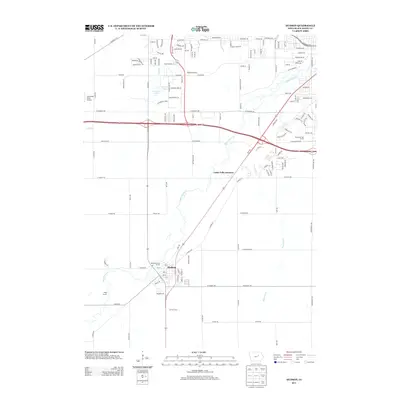 2013 Hudson2013 Print · USGSBlack Hawk County comes into focus in the early 2010s as suburban expansion meets the agricultural heartland. Genealogists and local historians can trace the street-level growth of Hudson and find landmarks like Witcombe Field Airport or the Grover Farms area.
 - 2015 Map of Zaneta, 2015 Print
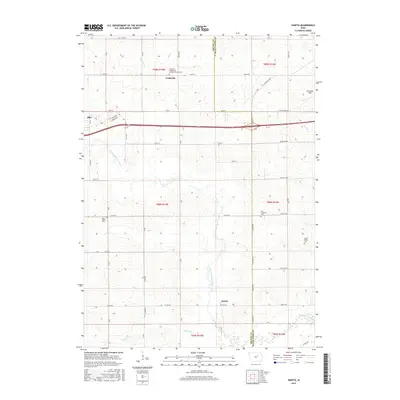 2015 Zaneta2015 Print · USGSThe Grundy and Black Hawk county line in the mid-2010s shows a landscape of enduring rural settlements and well-preserved pioneer cemeteries. Genealogists can trace family footprints at Fredsville Evangelical Lutheran Church Cem and Zion Lutheran Cem or locate the quiet hamlet of Zaneta.
 - 2015 Map of Hudson, 2015 Print
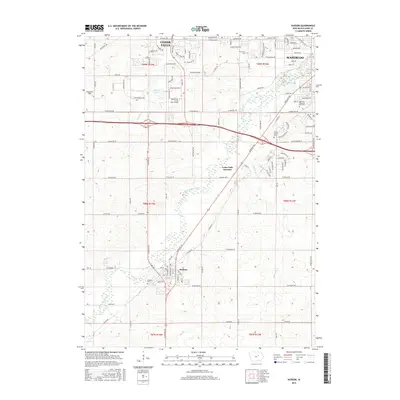 2015 Hudson2015 Print · USGSThe Cedar Valley urban corridor comes into focus in the mid-2010s, showing the residential and commercial growth between the major cities. Researchers can locate several key burial sites including Mount Olivet Cem and Hudson Cem, or trace the winding path of Black Hawk Creek.
 - 2015 Map of New Hartford, 2015 Print
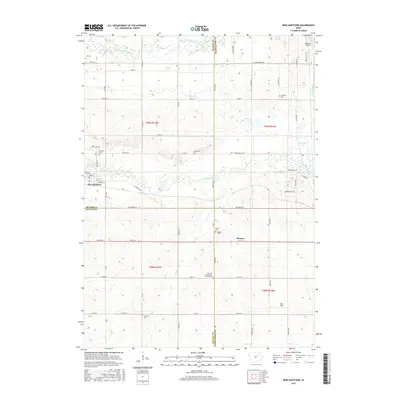 2015 New Hartford2015 Print · USGSUpper Iowa farm country and the river bottomlands near the tri-county border are captured here in the mid-2010s. Genealogists can trace family connections through numerous rural sites such as Hillcrest Cem, the community of Benson, and the Oak Hill Cem outside New Hartford.
 - 2015 Map of Cedar Falls, 2015 Print
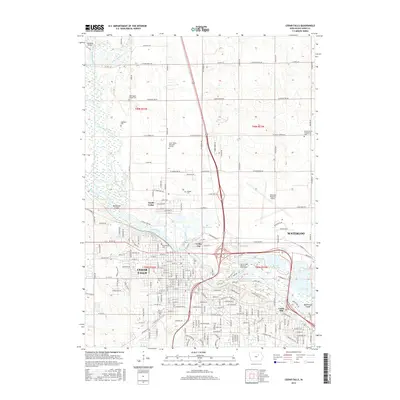 2015 Cedar Falls2015 Print · USGSThe Cedar River valley near Waterloo and Cedar Falls is shown in high detail during the early twenty-first century. Genealogists can locate several burial grounds like Hillside Cem and Fairview Cem, or trace the campus of the Univ of Northern Iowa.
 - 2018 Map of Zaneta, 2018 Print
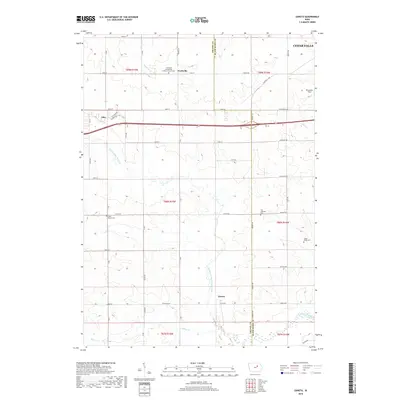 2018 Zaneta2018 Print · USGSThe Grundy and Black Hawk county line divides this Iowa prairie landscape as it appeared in the late 2010s. Researchers can trace rural lineages through the Fredsville Evangelical Lutheran Church Cem, Saint Mary's Cem, and the quiet settlement of Zaneta.
 - 2018 Map of New Hartford, 2018 Print
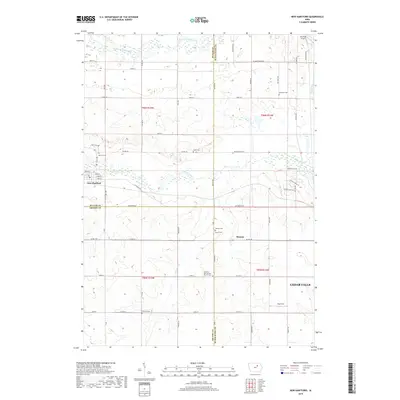 2018 New Hartford2018 Print · USGSThe borderlands of Black Hawk and Butler counties are captured here in the late twenty-teens, anchored by the river-valley communities of New Hartford and Benson. Local historians can trace family plots at Fairfield German M E Church Cem or locate rural landmarks like Bluebird Airport.
 - 2018 Map of Cedar Falls, 2018 Print
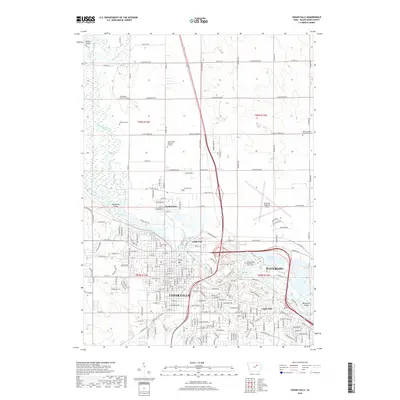 2018 Cedar Falls2018 Print · USGSBlack Hawk County shows its modern urban-industrial footprint in the late 2010s as the riverfront connects established city centers. Genealogists can locate several historic burial sites like Highland Cem and Fairview Cem while tracing the growth of neighborhoods like Castle Hill and Cedar City.
 - 2018 Map of Hudson, 2018 Print
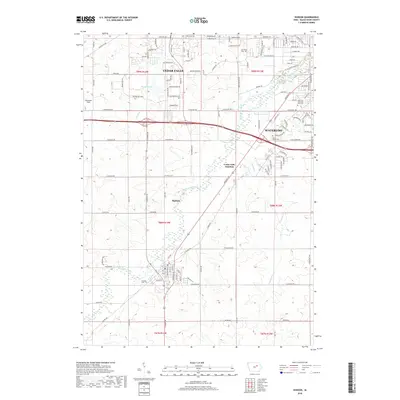 2018 Hudson2018 Print · USGSBlack Hawk County in the late 2010s shows the growing connection between Waterloo and its western neighbors along the creek. Genealogists and local researchers can trace legacy sites from Mount Olivet Cem and Pet Haven Cem to the early rails at Cedar Falls Junction.
 - 2022 Map of New Hartford, 2022 Print
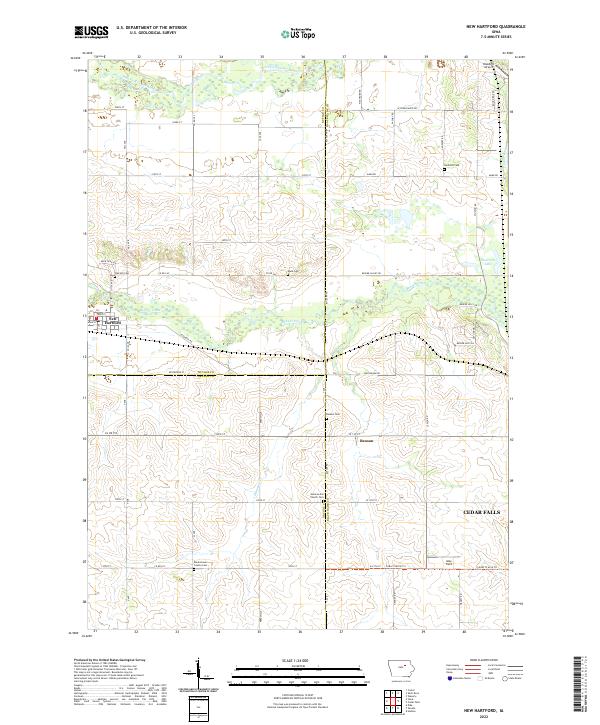 2022 New Hartford2022 Print · USGSThe rural borderlands of Butler and Black Hawk counties come into focus in the early 2020s, showing a landscape shaped by the Beaver Creek and West Fork Cedar River. Genealogists can locate numerous pioneer burial sites such as Oak Hill Cem and the Black Hawk County Cem.
Showing maps 1-25 of 28
Top cities near Cedar Falls
- Waterloo historical maps
- Waverly historical maps
- Evansdale historical maps
- Hudson historical maps
- Denver historical maps
- Reinbeck historical maps
See more
Top neighborhoods of Cedar Falls
Frequently asked questions
- What are the different types of historical maps available for Cedar Falls?
- What is the oldest map of Cedar Falls?
- Where can I purchase historical maps of Cedar Falls for my home or office?
- Where can I download high-res historical maps of Cedar Falls?
- Are there historical topographic maps available for Cedar Falls?
- Is there historical aerial imagery available for Cedar Falls?
- Where are historical maps of Cedar Falls sourced from?