Old Maps of Cass Township, Iowa for Academic Research
Study the evolution of Cass Township with 31 high-resolution historic maps. Whether you're teaching, researching, or modeling changes in land use, these maps provide essential visual documentation of urban, environmental, and geographic change.
- Analyze long-term change: Track patterns in development, transportation, and natural features.
- Ideal for environmental or urban studies: Support academic projects with primary historical map data.
- Use in the classroom or lab: Educators and researchers rely on these maps to bring historical context to life.
These maps are a powerful tool for teaching, research, and visualizing how Cass Township has changed over the decades.
Cass Township, IA maps
(31)- 1911 Map of Madrid, 1958 Print
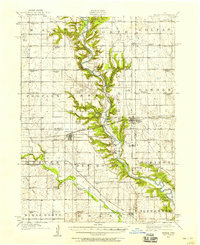 1911 Madrid1958 Print · USGSBoone and Dallas counties appear here in the early twentieth century as a busy corridor of river-valley agriculture and rail transit. Researchers can trace dozens of early rural school sites like Hull School and Gildea School alongside the path of the Inter-Urban Railway.
 - 1914 Map of Madrid
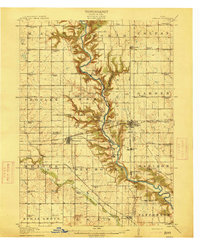 1914 Madrid1914 Print · USGSCentral Iowa's river valleys and prairie townships come alive in the decade before the Great War, showing a landscape defined by rail lines and rural schoolhouses. Genealogists and historians can trace family roots through specific landmarks like Madrid, Woodward, and the Marcy Center School.3 unique versions available
 - 1954 Map of Des Moines, 1973 Print
 1954 Des Moines1973 Print · USGSCentral Iowa's evolving landscape is captured here in the early seventies, just as major reservoirs were reshaping the river valleys. Genealogists and historians can trace the rail corridors of the Burlington Northern or locate family roots near Pella, Indianola, and Knoxville.2 unique versions available
 - 1956 Map of Des Moines
 1956 Des Moines1956 Print · USGSCentral Iowa in the mid-fifties shows a landscape defined by bustling rail hubs and deep-rooted agricultural research. Genealogists and researchers can trace the growth of Des Moines and Ames, locate the Sac and Fox Indian Reservation, or study the paths of the Skunk River and South Skunk River.
 - 1957 Map of Des Moines
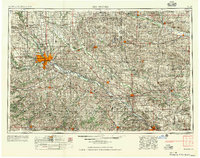 1957 Des Moines1957 Print · USGSCentral Iowa's post-war landscape is defined here by the converging rail lines and river valleys that shaped its earliest settlements. Genealogists and historians can trace the paths of the Rock Island Railroad and locate community landmarks in Des Moines, Ames, and Newton.
 - 1965 Map of Granger, 1966 Print
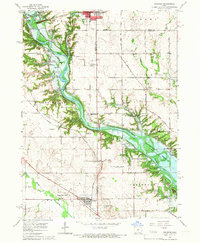 1965 Granger1966 Print · USGSThe Des Moines River valley in the mid-sixties reveals a landscape undergoing transformation as the Saylorville Reservoir takes shape. Genealogists can locate family sites like Granger Homesteads or rural landmarks such as Hopkins Grove Cem and the Chestnut Ford Bridge.2 unique versions available
 - 1965 Map of Woodward, 1966 Print
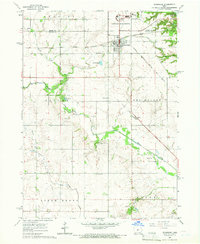 1965 Woodward1966 Print · USGSThe Dallas County prairie in the mid-1960s is defined by its small towns and the sprawling Woodward State Hospital campus. Genealogists and local historians can trace the early reaches of Saylorville Reservoir and locate several rural burial grounds like Xenia and Greenwood Cemetery.
 - 1965 Map of Madrid NW, 1967 Print
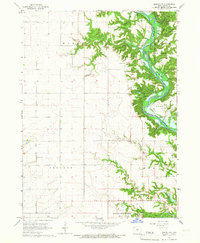 1965 Madrid NW1967 Print · USGSBoone County river life is captured here in the mid-sixties, just as the valley prepared for the waters of the Saylorville Reservoir. Genealogists and hikers can trace old landmarks like Peoples Cem, the Hubby Bridge, and the ridges of Ledges State Park.2 unique versions available
 - 1965 Map of Luther, 1967 Print
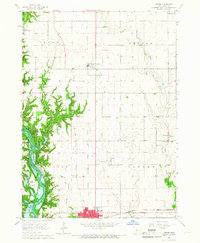 1965 Luther1967 Print · USGSMid-century Boone County is captured here during a period of agricultural expansion and new water management projects. Genealogists and local historians can trace rural roots through landmarks like Garden Prairie Ch and the many family plots at Dalander Cem or Fairview Cem.2 unique versions available
 - 1969 Map of Des Moines
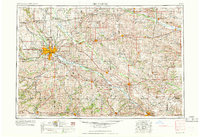 1969 Des Moines1969 Print · USGSCentral Iowa's fertile plains and growing capital are captured here during the late sixties, a time of major highway expansion and reservoir construction. Genealogists and researchers can trace rural township boundaries, local cemeteries, and rail lines serving towns like Pella, Grinnell, and Oskaloosa.
 - 1984 Map of Des Moines, 1985 Print
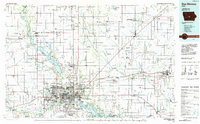 1984 Des Moines1985 Print · USGSCentral Iowa's heartland is captured in the mid-1980s as suburban growth met long-standing farm and rail infrastructure. Genealogists and researchers can trace the reaches of the Chicago and North Western through Maxwell or locate Laurel Hill Cem and Camp Dodge Military Reservation.2 unique versions available
 - 2010 Map of Madrid NW, 2010 Print
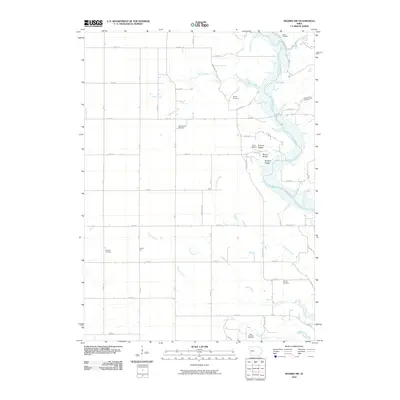 2010 Madrid NW2010 Print · USGSNear the Des Moines River in the early twenty-first century, this area of Woodward features a landscape of wooded river bluffs and rural farmsteads. Genealogists can locate several burial sites including the State Hospital Cemetery and Peoples Cemetery, or trace local terrain near Frankel Ridge.
 - 2010 Map of Luther, 2010 Print
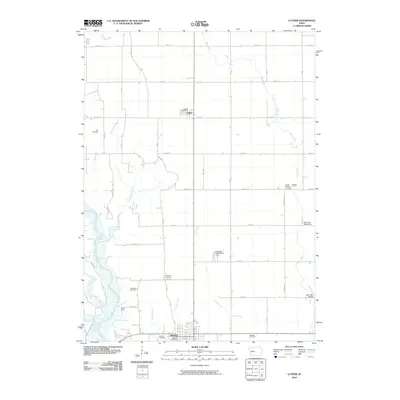 2010 Luther2010 Print · USGSCentral Iowa's agricultural heartland is documented here during the first decade of the 21st century. Genealogists can trace family roots through numerous local sites including Hull, Fairview, and the Cassel burial grounds near Madrid.
 - 2010 Map of Woodward, 2010 Print
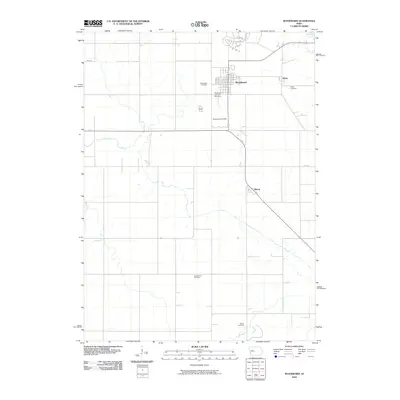 2010 Woodward2010 Print · USGSWoodward and its surrounding agricultural townships are documented here during a period of steady Midwestern development. Genealogists can locate family sites across four distinct burial grounds, including Xenia Cemetery and the more remote Beaver Cemetery.
 - 2010 Map of Granger, 2010 Print
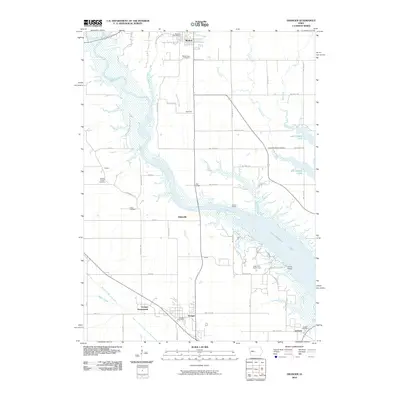 2010 Granger2010 Print · USGSCentral Iowa's river valley is defined by modern reservoir projects and deep-rooted agricultural settlements in this 2010 survey. Genealogists and local historians can locate early burial grounds like Robbins Chapel Cemetery and trace the development of Granger Homesteads near the Des Moines River.
 - 2013 Map of Luther, 2013 Print
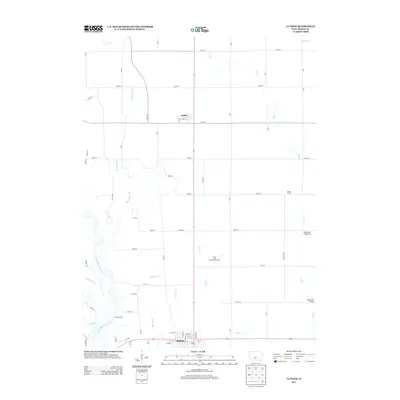 2013 Luther2013 Print · USGSBoone County's agricultural heartland is documented here in the early twenty-first century, spanning the terrain from Luther to north Madrid. Researchers can trace local landmarks such as the Iowa State Experimental Farm, Camp Laurie, and several crossings over Big Cr.
 - 2013 Map of Granger, 2013 Print
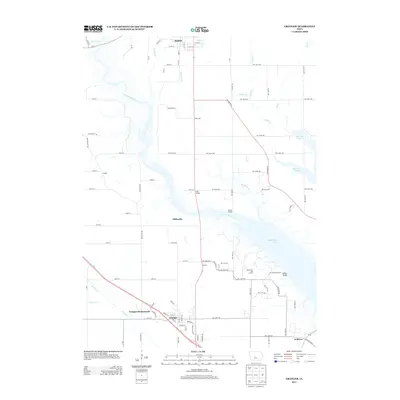 2013 Granger2013 Print · USGSNorth of Des Moines in the early twenty-first century, this area shows the intersection of rural agriculture and major water management. Researchers can trace the layout of Granger Homesteads and find river landmarks like High Bridge and Snyder Bridge.
 - 2013 Map of Woodward, 2013 Print
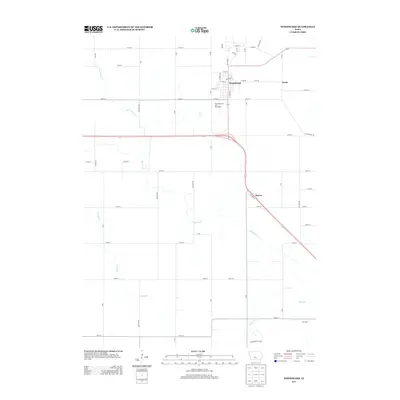 2013 Woodward2013 Print · USGSThe community of Woodward and its surrounding rural sections are captured here during the early twenty-first century. Genealogists and local historians can trace the grid of the main town or locate smaller nearby sites like Xenia, Moran, and the banks of Beaver Cr.
 - 2013 Map of Madrid NW, 2013 Print
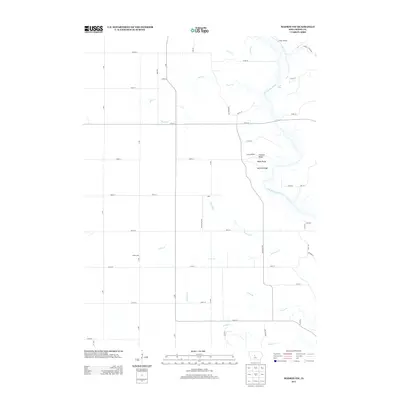 2013 Madrid NW2013 Print · USGSThe Des Moines River valley in central Iowa appears here as it was in the early 21st century, showing the intersection of high-country ridges and river-bottom timber. Researchers can trace the boundaries of Ledges State Park and locate historic rural points like Jehu and Prairie Hill.
 - 2015 Map of Woodward, 2015 Print
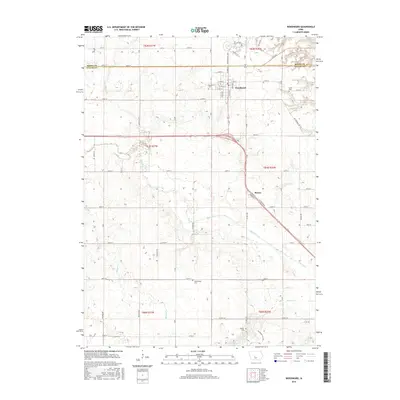 2015 Woodward2015 Print · USGSWoodward and the borderlands of Boone and Dallas counties are captured here in the mid-2010s during a period of modern rural stability. Researchers can trace family sites and local landmarks across the townships, including Xenia Cem, Moran, and the winding path of Beaver Creek.
 - 2015 Map of Madrid NW, 2015 Print
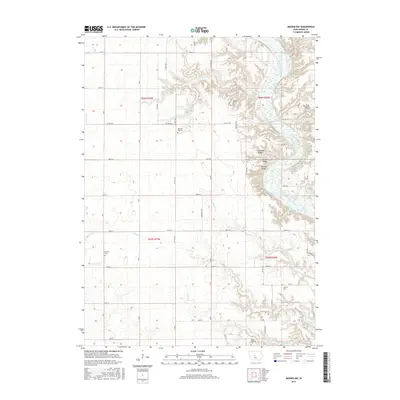 2015 Madrid NW2015 Print · USGSBoone County's river valley and rural uplands are shown in detail as they appeared during the mid-2010s. Researchers can trace family history at the James Gildea Cem or explore the river breaks near Buffalo Ridge and Lost Lake.
 - 2015 Map of Luther, 2015 Print
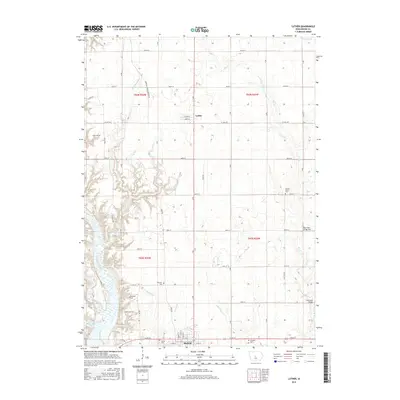 2015 Luther2015 Print · USGSThe rural landscape of Boone County, Iowa, is captured here in the mid-2010s, showing the intersection of agricultural townships and the Des Moines River valley. Genealogists can locate several historic burial sites, including Dalander Cemetery and Garden Prairie Cemetery.
 - 2015 Map of Granger, 2015 Print
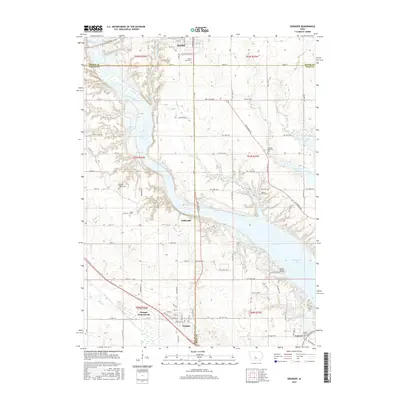 2015 Granger2015 Print · USGSMid-Iowa's river valleys and reservoirs come to life in this survey of the tri-county area around the turn of the century. Genealogists can locate several family-named burial grounds like Hopkins Grove Cem and Robbins Chapel Cem near the banks of the Des Moines River.
 - 2018 Map of Woodward, 2018 Print
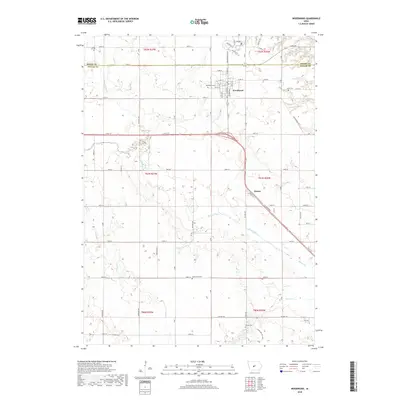 2018 Woodward2018 Print · USGSWoodward and the surrounding central Iowa farmland are shown in the late 2010s, capturing the intersection of Boone and Dallas counties. Genealogists can locate several historic burial sites like Xenia Cem and Beaver Cem or trace the hamlet of Moran.
 - 2018 Map of Luther, 2018 Print
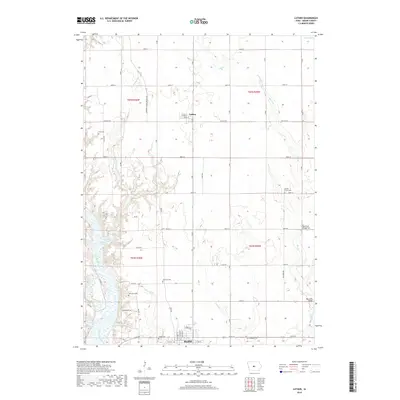 2018 Luther2018 Print · USGSBoone County agricultural life and riverfront geography are well-preserved in this modern survey of the Madrid and Luther areas. Researchers can locate numerous family-history sites, including Garden Prairie Cem, Fairview Cem, and landmarks along the Des Moines River.
Showing maps 1-25 of 31
Top cities near Cass Township
- Ankeny historical maps
- Ames historical maps
- Johnston historical maps
- Grimes historical maps
- Boone historical maps
- Perry historical maps
See more
Frequently asked questions
- What are the different types of historical maps available for Cass Township?
- What is the oldest map of Cass Township?
- Where can I purchase historical maps of Cass Township for my home or office?
- Where can I download high-res historical maps of Cass Township?
- Are there historical topographic maps available for Cass Township?
- Is there historical aerial imagery available for Cass Township?
- Where are historical maps of Cass Township sourced from?