Old Maps of Des Moines County, Iowa for Hiking & Exploration
Hike through history with 111 historic maps of Des Moines County. Explore old trails, ghost towns, and forgotten backroads — perfect for outdoor adventurers and local explorers.
- Rediscover forgotten places: Map out old mining camps, roads, and footpaths that no longer exist on modern maps.
- Layer with modern tools: Combine with LiDAR or satellite views to plan hikes through historical terrain.
- Made for exploration: Popular among hikers, overlanders, and local history lovers.
Use these maps to find adventure and explore the hidden past of Des Moines County.
Des Moines County, IA maps
(111)- 1932 Map of Lomax, 1957 Print
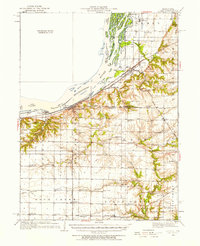 1932 Lomax1957 Print · USGSWestern Illinois river towns and railroad junctions thrive during the early 1930s as the river remains a central artery for commerce and life. Genealogists can trace family footprints across dozens of rural landmarks, including Dallas City, Gittings Mound, and the uniquely named Froggie Sch.
 - 1934 Map of Oquawka
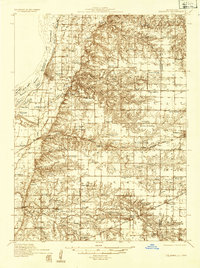 1934 Oquawka1934 Print · USGSHenderson County river life and prairie farming are captured here in the mid-thirties, from the Mississippi sloughs to the railroad towns. Genealogists can locate family landmarks including the County Farm, Coghill Cem, and the Little Brick Sch.3 unique versions available
 - 1934 Map of Burlington
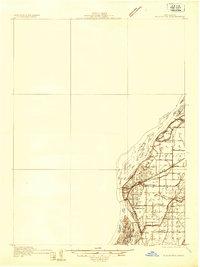 1934 Burlington1934 Print · USGSThe river bottomlands of Illinois and Iowa come alive in the mid-1930s, showing a landscape defined by the shifting currents and rail lines. Genealogists and historians can trace small rural communities and local education centers like Orchard City, Carthage Junc, and Crystal Lake Sch.2 unique versions available
 - 1935 Map of Keithsburg
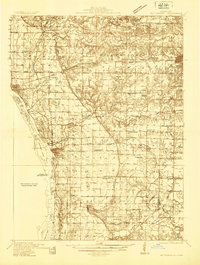 1935 Keithsburg1935 Print · USGSMercer County during the mid-thirties reveals a landscape of river towns and railroad junctions along the Mississippi. Genealogists and local historians can trace rural roots at Peniel Ch, Brick Cem, and numerous schoolhouses like Hazel Dell Sch.4 unique versions available
 - 1937 Map of Lomax
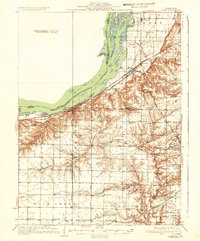 1937 Lomax1937 Print · USGSThe riverfront and rail corridors of Henderson and Hancock Counties come alive in the late 1930s, documenting a time of active country schools and river commerce. Genealogists can locate family landmarks like Gittings Cem, Enterprise Ch, and distinctively named sites like Shake Rag Sch.2 unique versions available
 - 1940 Map of Oquawka
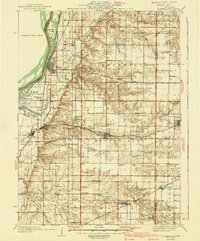 1940 Oquawka1940 Print · USGSHenderson County's river-and-rail economy is captured here during the 1930s as the Mississippi River environment meets an expanding network of rural towns. Genealogists and historians can trace dozens of country schoolhouses and cemeteries, from the Little Brick Sch to South Henderson Cem.2 unique versions available
 - 1940 Map of Burlington
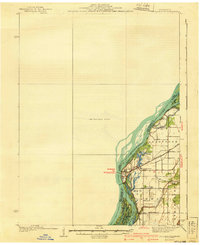 1940 Burlington1940 Print · USGSThe Mississippi River floodplain comes alive in the mid-1930s, showing the intricate network of sloughs and rail lines between Illinois and Iowa. Genealogists and historians can locate rural landmarks like Merry Dell Sch, trace the Chicago Burlington and Quincy tracks, or explore the riverfront at Gulfport.3 unique versions available
 - 1941 Map of Keithsburg
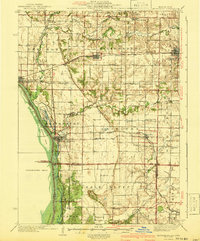 1941 Keithsburg1941 Print · USGSThe Mississippi River front in Mercer County thrived during the early 1940s as a hub of rail and river commerce. Genealogists can trace family footprints through dozens of rural landmarks, from Peniel Ch to schoolhouses like Prouty Sch and Lee Sch.2 unique versions available
 - 1946 Map of Wapello, 1954 Print
 1946 Wapello1954 Print · USGSThe riverfront town of New Boston and the surrounding islands are captured in the mid-1940s as the Mississippi River meets the Iowa River. Researchers can trace the era's local rural life at Swan Lake Sch, Pin Oak Sch, and the engineering at Lock and Dam No 17.2 unique versions available
 - 1949 Map of Wapello
 1949 Wapello1949 Print · USGSThe riverfront of Mercer County and the Mississippi border appear here in the late 1940s, just after the war. Local historians can trace the river's path through Lock and Dam No 17, find rural schoolhouses like Bay View Sch, or locate the Ferry at the mouth of the Iowa River.2 unique versions available
 - 1958 Map of Burlington, 1968 Print
 1958 Burlington1968 Print · USGSThe tri-state river country of Iowa, Illinois, and Missouri is captured here in the mid-fifties, dominated by the Mississippi River and major rail lines. Genealogists and historians can trace the development of river towns like Keokuk or locate the sprawling Iowa Army Ammunition Plant.4 unique versions available
 - 1958 Map of Davenport, 1968 Print
 1958 Davenport1968 Print · USGSEastern Iowa and western Illinois thrive along the river during the late fifties, defined by the industrial Quad Cities and a robust rail network. Genealogists can trace family roots through settlements like Oasis and Stanwood or along the Cedar River.2 unique versions available
 - 1961 Map of Burlington
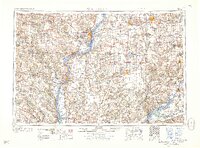 1961 Burlington1961 Print · USGSThe tri-state borderlands along the Mississippi River are captured here during the late fifties and early sixties, showing the vital river-and-rail economy of Iowa, Illinois, and Missouri. Genealogists and historians can trace the development of major hubs like Galesburg and Macomb alongside landmark sites such as the Iowa Ordnance Plant and the historic river town of Nauvoo.
 - 1961 Map of Davenport
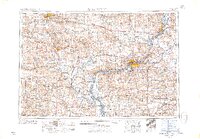 1961 Davenport1961 Print · USGSThe Quad Cities and the eastern Iowa riverlands are captured here in the early sixties, showing the region's transition into a modern industrial and transit hub. Genealogists and historians can trace the paths of major railroads and find river landmarks like Rock Island Arsenal, Huron Island, and the Coralville Reservoir.
 - 1962 Map of Davenport
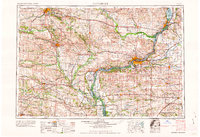 1962 Davenport1962 Print · USGSThe Quad Cities and the Mississippi River corridor are shown at their industrial peak just before the interstate era fully transformed the region. Researchers can trace the sprawling rail networks of the Chicago Rock Island and Pacific and find landmarks like the Rock Island Arsenal and Wild Cat Den State Park.
 - 1963 Map of Burlington
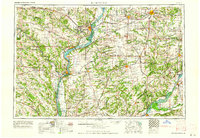 1963 Burlington1963 Print · USGSThe tri-state river country of the Mississippi and Illinois valleys comes alive in this mid-century survey. Genealogists and historians can trace the industrial and academic growth of the region, from the Iowa Ordnance Plant to campuses like Knox College and Western Illinois University.
 - 1964 Map of Burlington, 1965 Print
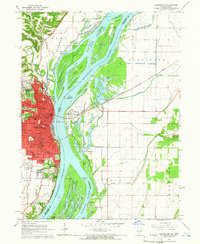 1964 Burlington1965 Print · USGSMid-century Burlington and the Mississippi riverfront are captured here as the city expanded westward toward the Burlington Municipal Airport. Genealogists can locate family landmarks like Sacred Heart Cemetery, St Johns School, and the scattered homes of Heapsville.3 unique versions available
 - 1964 Map of Lomax, 1965 Print
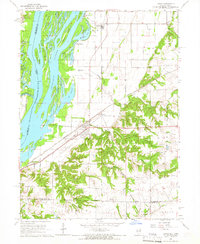 1964 Lomax1965 Print · USGSThe Mississippi River floodplain and rail junctions of Henderson County are captured here in the mid-1960s. Genealogists can trace family sites at Gittings Cem and Freeland Cem or follow the heavy rail traffic through Lomax and Iowa Junction.
 - 1964 Map of West Burlington, 1965 Print
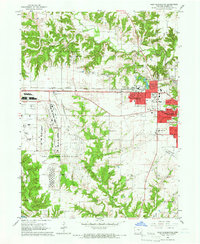 1964 West Burlington1965 Print · USGSDes Moines County reveals its mid-century industrial and suburban character as the Cold War era reshaped the landscape. Trace the massive Iowa Army Ammunition Plant, the tracks of the Chicago Burlington and Quincy, and landmarks like Burk Chapel.2 unique versions available
 - 1964 Map of Dallas City, 1965 Print
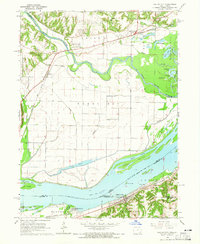 1964 Dallas City1965 Print · USGSThe Mississippi River floodplain in the 1960s reveals a landscape of industrial rail lines and intricate backwaters. Trace the historic tracks of the Atchison Topeka and Santa Fe or locate rural landmarks like Oak Grove Ch and Eureka Sch.4 unique versions available
 - 1964 Map of Sperry, 1965 Print
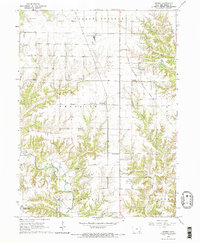 1964 Sperry1965 Print · USGSDes Moines County as it appeared in the mid-sixties reveals a landscape of productive Iowa farmland carved by the valleys of Flint Creek and Knotty Creek. Genealogists and local historians can trace the foundations of the community at Old Stone Ch, the Gypsum Plant, and Franklin Mills Sch.2 unique versions available
 - 1964 Map of Kingston, 1966 Print
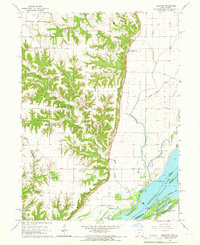 1964 Kingston1966 Print · USGSDes Moines County, Iowa, and the Mississippi River bottoms are captured here in the mid-1960s. Researchers can trace the river's path through Running Slough or locate local landmarks like Tama Sch and St Pauls Ch.2 unique versions available
 - 1965 Map of Mediapolis, 1966 Print
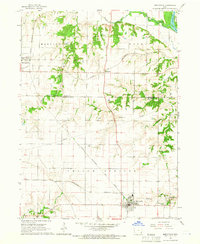 1965 Mediapolis1966 Print · USGSMediapolis and Morning Sun are captured in the mid-1960s as vital rail hubs at the junction of three major railroad lines. Genealogists can locate family sites at Linn Grove Cem & Ch, Bethel Cem, and the small settlement of Kossuth.
 - 1965 Map of Oakville, 1967 Print
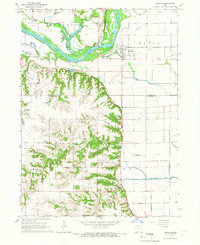 1965 Oakville1967 Print · USGSSoutheast Iowa in the mid-1960s reveals a landscape defined by the river bottomlands and the transition to the southern uplands. Genealogists can trace family landmarks like Parson Cem and Old Swedish Cem, or locate rail junctions at Elrick Junction and Oakville.
 - 1981 Map of Danville
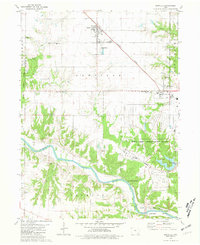 1981 Danville1981 Print · USGSSoutheast Iowa in the early eighties shows a landscape shaped by rail, river, and military industry. Genealogists can trace family names at Pleasant Grove Cem and Creamer Cem, or locate the Iowa Army Ammunition Plant and Harmony Ch.
Showing maps 1-25 of 111
Top cities of Des Moines County
- Burlington historical maps
- West Burlington historical maps
- Mediapolis historical maps
- Danville historical maps
- Beaverdale historical maps
- Middletown historical maps
Frequently asked questions
- What are the different types of historical maps available for Des Moines County?
- What is the oldest map of Des Moines County?
- Where can I purchase historical maps of Des Moines County for my home or office?
- Where can I download high-res historical maps of Des Moines County?
- Are there historical topographic maps available for Des Moines County?
- Is there historical aerial imagery available for Des Moines County?
- Where are historical maps of Des Moines County sourced from?