Old Maps of Randolph, Iowa for Academic Research
Study the evolution of Randolph with 17 high-resolution historic maps. Whether you're teaching, researching, or modeling changes in land use, these maps provide essential visual documentation of urban, environmental, and geographic change.
- Analyze long-term change: Track patterns in development, transportation, and natural features.
- Ideal for environmental or urban studies: Support academic projects with primary historical map data.
- Use in the classroom or lab: Educators and researchers rely on these maps to bring historical context to life.
These maps are a powerful tool for teaching, research, and visualizing how Randolph has changed over the decades.
Randolph, IA maps
(17)- 1955 Map of Nebraska City, 1967 Print
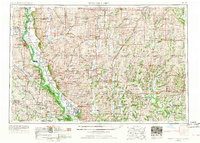 1955 Nebraska City1967 Print · USGSThe four-state region surrounding the Missouri River valley appears here in the mid-1950s, a landscape of rail-dependent market towns and rural school districts. Genealogists can locate family landmarks like the Rock Bluff School, St Oswald Church, and the Clarinda State Hospital.3 unique versions available
 - 1957 Map of Nebraska City
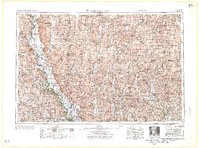 1957 Nebraska City1957 Print · USGSThe four-state junction of Nebraska, Iowa, Missouri, and Kansas comes alive in this mid-fifties survey of the Missouri River valley. Genealogists and historians can trace the rail-and-road networks connecting Nebraska City, Maryville, and the Squaw Creek National Wildlife Refuge.
 - 1957 Map of Randolph, 1958 Print
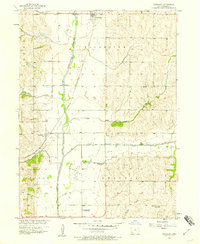 1957 Randolph1958 Print · USGSFremont County, Iowa, shows its agricultural heart and river valley infrastructure in the late fifties. Genealogists and local historians can trace the locations of the Chamber Cem and several closed country schools like Mayflower Sch (Abandoned).2 unique versions available
 - 1957 Map of Tabor NE, 1958 Print
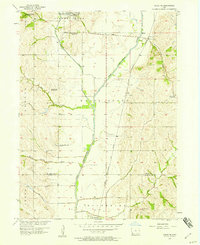 1957 Tabor NE1958 Print · USGSSouthwestern Iowa in the late 1950s was defined by its railroad arteries and shifting rural school system. Researchers can trace the WABASH rail line and identify vanished school sites like Mt Vernon Sch and Barrett Sch across the landscape.
 - 1958 Map of Nebraska City
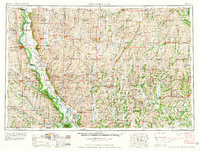 1958 Nebraska City1958 Print · USGSThe Missouri River Valley and its fertile four-state borderlands are captured here during the mid-century expansion of the regional highway and rail networks. Genealogists can trace family roots through numerous rural landmarks like Moulton School, Shady Grove Church, and the Clarinda State Hospital.
 - 1985 Map of Nebraska City
 1985 Nebraska City1985 Print · USGSThe Missouri River borderlands of Nebraska, Iowa, and Missouri come into focus in the mid-1980s, showcasing a landscape of river navigation and rail-fed agriculture. Researchers can trace the heritage of Nebraska City, follow the Burlington Northern tracks, or explore river landmarks like Jones Point and McKissick Island.
 - 1993 Map of Nebraska City
 1993 Nebraska City1993 Print · USGSThe Missouri River valley and the rolling farmland of southwest Iowa are captured here in the early nineties, showing a landscape defined by water and rail. Researchers can trace the Burlington Northern lines or explore local landmarks like Arbor Lodge State Park and College Springs.
 - 2010 Map of Tabor NE, 2010 Print
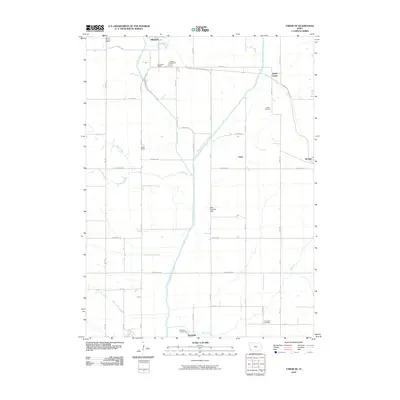 2010 Tabor NE2010 Print · USGSThe rural communities of southwestern Iowa are captured here in the early 21st century, centered on the West Nishnabotna River valley. Genealogists and historians can locate former school sites like Foxworthy School and family resting places at Parker Cemetery.
 - 2010 Map of Randolph, 2010 Print
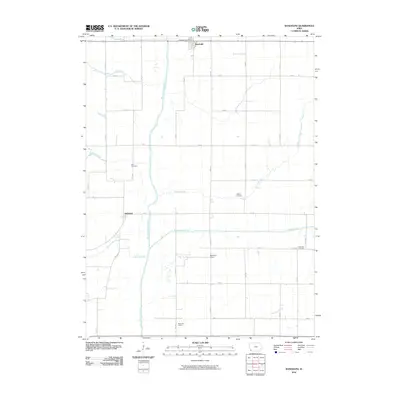 2010 Randolph2010 Print · USGSThe agricultural heart of Fremont County is documented here during the early twenty-first century, centered on the West Nishnabotna River. Researchers can trace local lineage at Duff Cemetery or locate old school sites like Riverside School and Mayflower School.
 - 2013 Map of Tabor NE, 2013 Print
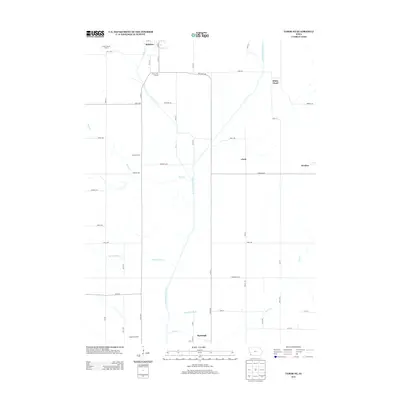 2013 Tabor NE2013 Print · USGSSouthwest Iowa's river valleys and prairie townships are captured here in the early 2010s. Genealogists and local historians can map the distribution of rural landmarks like Mount Vernon School, the crossroads at White Cloud, and the course of Kilpatrick Ditch.
 - 2013 Map of Randolph, 2013 Print
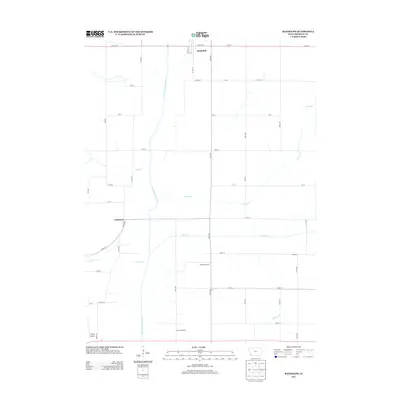 2013 Randolph2013 Print · USGSFremont County, Iowa, is shown in the early twenty-first century as a landscape of river valleys and rural school sites. Genealogists and local historians can trace family locations near Randolph, Mayflower School, and the W Nishnabotna River.
 - 2015 Map of Tabor NE, 2015 Print
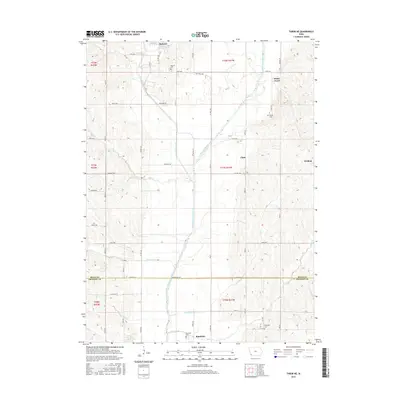 2015 Tabor NE2015 Print · USGSMills and Fremont Counties appear in this mid-2010s survey as the river-carved landscape of southwest Iowa continued to evolve. Researchers can locate several burial grounds and small settlements, including Malvern Cem, White Cloud, and Riverside Cem near Randolph.
 - 2015 Map of Randolph, 2015 Print
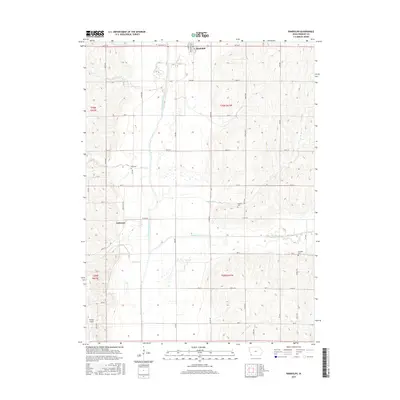 2015 Randolph2015 Print · USGSRandolph and Anderson appear here as focal points of a productive agricultural landscape along the West Nishnabotna River valley in 2015. Researchers can locate family sites and rural history at Duff Cem, Chamber Cem, and the quiet crossroads of Anderson.
 - 2018 Map of Tabor NE, 2018 Print
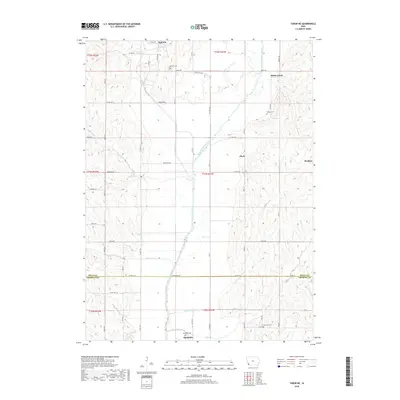 2018 Tabor NE2018 Print · USGSThe West Nishnabotna River valley near the Mills and Fremont County line is shown here in the late 2010s. Researchers can locate family burial sites at Malvern Cem or Parker Cem and trace rural settlements like White Cloud and Strahan.
 - 2018 Map of Randolph, 2018 Print
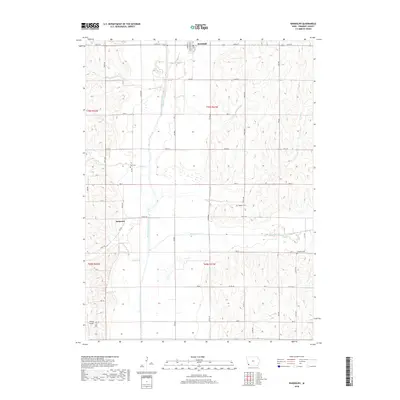 2018 Randolph2018 Print · USGSRandolph and the rural expanse of Fremont County are captured here in the late twenty-teens, showing the relationship between small-town Iowa and its river valleys. Researchers can locate family landmarks like Duff Cem, Wagner Cem, and the Hilltop Airport.
 - 2022 Map of Randolph, 2022 Print
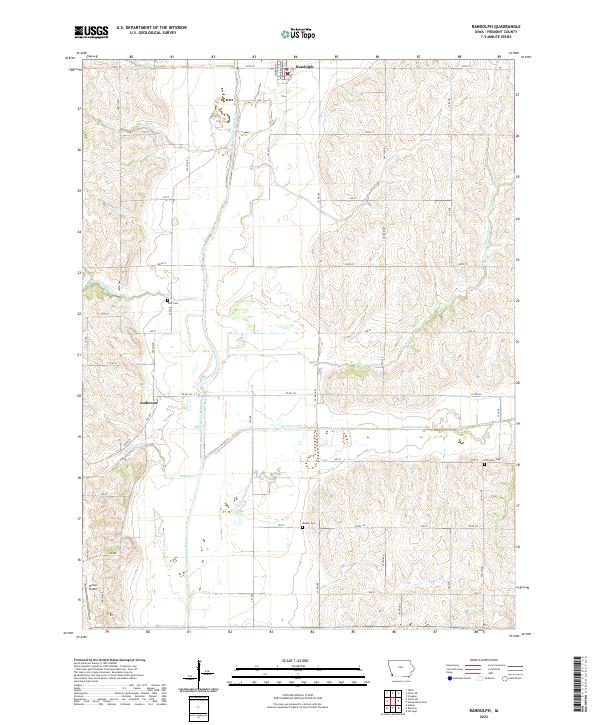 2022 Randolph2022 Print · USGSAgricultural life in Fremont County remains centered around the town of Randolph in the early twenty-first century. Genealogists and local historians can locate several family and community burial grounds, including Duff Cem and Chambers Cem.
 - 2022 Map of Tabor NE, 2022 Print
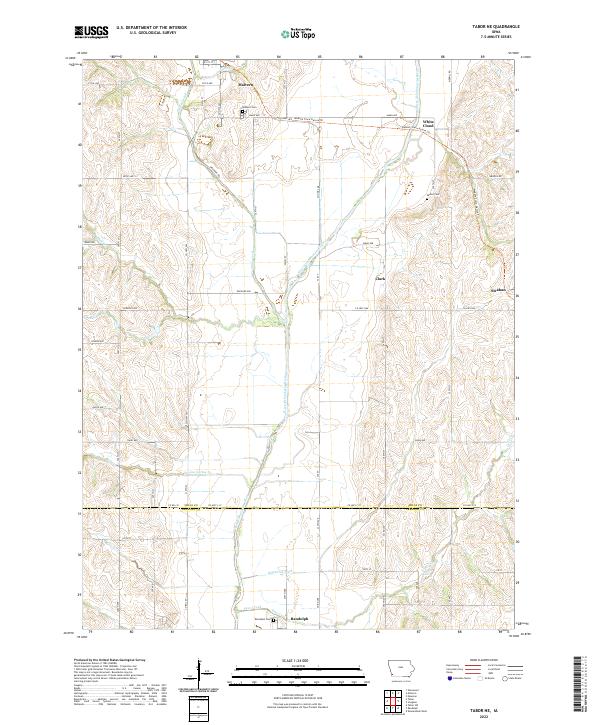 2022 Tabor NE2022 Print · USGSSouthwestern Iowa’s agricultural and rail heritage is well-preserved in this modern survey of the Mills and Fremont County line. Researchers can trace the path of the Wabash Trace Nature Trl through Malvern or locate family burial sites at Parker Cem and Randolph Cem.
End of results
Showing maps 1-17 of 17
Top cities near Randolph
- Glenwood historical maps
- Shenandoah historical maps
- Sidney historical maps
- Malvern historical maps
- Tabor historical maps
- Farragut historical maps
See more
Frequently asked questions
- What are the different types of historical maps available for Randolph?
- What is the oldest map of Randolph?
- Where can I purchase historical maps of Randolph for my home or office?
- Where can I download high-res historical maps of Randolph?
- Are there historical topographic maps available for Randolph?
- Is there historical aerial imagery available for Randolph?
- Where are historical maps of Randolph sourced from?