Old Maps of Linn County, Iowa for Hiking & Exploration
Hike through history with 186 historic maps of Linn County. Explore old trails, ghost towns, and forgotten backroads — perfect for outdoor adventurers and local explorers.
- Rediscover forgotten places: Map out old mining camps, roads, and footpaths that no longer exist on modern maps.
- Layer with modern tools: Combine with LiDAR or satellite views to plan hikes through historical terrain.
- Made for exploration: Popular among hikers, overlanders, and local history lovers.
Use these maps to find adventure and explore the hidden past of Linn County.
Linn County, IA maps
(186)- 1887 Map of Cedar Rapids
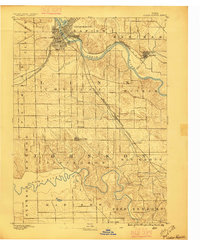 1887 Cedar Rapids1887 Print · USGSLinn and Johnson Counties come alive in this late 19th-century study of the river valleys and rail lines connecting Cedar Rapids to the surrounding prairie. Genealogists can trace old property lines across Jefferson and Big Grove or locate early settlements like Ely and Shueyville.
 - 1888 Map of Shellsburg
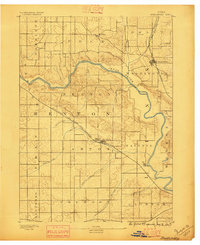 1888 Shellsburg1888 Print · USGSBenton and Linn Counties come alive in this late nineteenth-century survey of the eastern Iowa heartland. Local historians can trace the early rail-side growth of Shellsburg and Palo or follow the winding Cedar River past Opossum Creek and Urbana.
 - 1888 Map of Marion
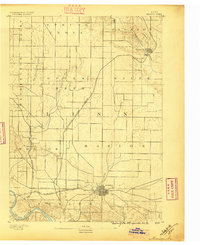 1888 Marion1888 Print · USGSLinn County thrives as a late 19th-century rail center where major lines intersect at the growing town of Marion. Genealogists and historians can trace the early township divisions and steam-era routes like the Illinois Central Railroad and Central City.
 - 1888 Map of Amana
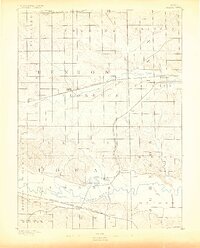 1888 Amana1888 Print · USGSThe Amana Colonies and the Iowa River valley are shown here in the late 1880s, during a period of communal prosperity and rail expansion. Genealogists can trace the specific villages of Hohe Amana, Middle Amana, and Homestead alongside three major railroads.
 - 1889 Map of Marion
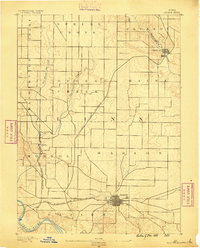 1889 Marion1889 Print · USGSMarion and the surrounding townships in the 1880s show a landscape transformed by the iron horse and river trade. Genealogists can trace the early rail-connected footprints of Marion, Central City, and Toddville along the Illinois Central Railroad.3 unique versions available
 - 1889 Map of Amana
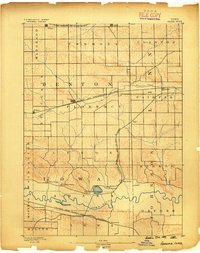 1889 Amana1889 Print · USGSCentral Iowa at the close of the nineteenth century reveals the unique communal settlement of the Amana colonies along the Iowa River. Trace early village footprints from Hohe Amana to Homestead and the rail corridors of the Chicago and Northwestern Railroad.2 unique versions available
 - 1889 Map of Shellsburg
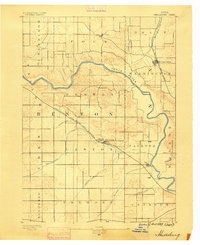 1889 Shellsburg1889 Print · USGSBenton and Linn Counties come alive in the late 1880s as the rail-driven economy begins to reshape the Iowa prairie. Researchers can trace the early development of Shellsburg and Center Point along the Burlington Cedar Rapids and Northern Railroad.
 - 1890 Map of Anamosa
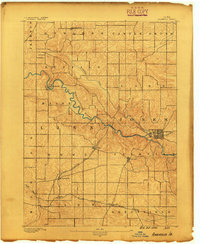 1890 Anamosa1890 Print · USGSEastern Iowa was a landscape defined by river valleys and expanding rail lines in the 1890s. Genealogists can trace family roots through early settlements like Anamosa, Springville, and Viola along the Chicago Milwaukee and St. Paul Railroad.2 unique versions available
 - 1891 Map of Mechanicsville
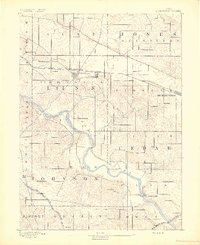 1891 Mechanicsville1891 Print · USGSEastern Iowa during the late Victorian era is defined here by its emerging rail corridors and the winding path of the Cedar River. Genealogists can trace the early footprints of settlements like Mechanicsville, Mt. Vernon, and Solon before modern development.
 - 1891 Map of Cedar Rapids
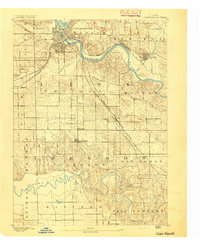 1891 Cedar Rapids1891 Print · USGSEastern Iowa in the late nineteenth century is a landscape of growing river towns and expanding rail lines. Genealogists and historians can trace the early layout of Cedar Rapids and the development of rail hubs like Ely and Bertram along the Cedar River.2 unique versions available
 - 1894 Map of Mechanicsville
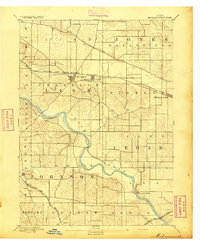 1894 Mechanicsville1894 Print · USGSEast-central Iowa thrived as a rail and river hub in the 1890s, where major lines connected growing agricultural towns. Researchers can trace the development of Mt. Vernon and Lisbon along the northern tracks or follow the Cedar River to Cedar Bluffs.2 unique versions available
 - 1899 Map of Amana, 1910 Print
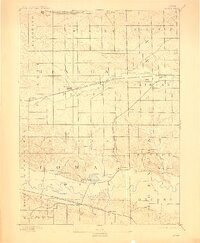 1899 Amana1910 Print · USGSThe Amana Colonies and the surrounding prairies of Iowa and Benton counties appear here in the decades following their communal establishment. Genealogists and historians can trace the specific layouts of villages like Hohe Amana and Middle Amana or follow the early paths of the Chicago Rock Island and Pacific Railroad.
 - 1899 Map of Shellsburg, 1910 Print
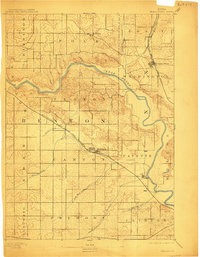 1899 Shellsburg1910 Print · USGSThe Cedar River valley in the late nineteenth century was a landscape of expanding rail lines and river-fronting townships. Trace the early footprints of Shellsburg, Center Point, and Palo along the route of the Burlington Cedar Rapids and Northern Railroad.
 - 1900 Map of Anamosa
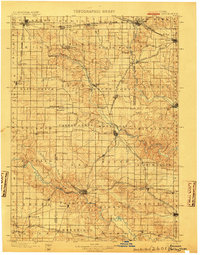 1900 Anamosa1900 Print · USGSEastern Iowa is shown here during the peak of its rail-driven development at the end of the century. Genealogists and historians can trace the early layouts of Anamosa and Monticello or locate smaller settlements like Sand Spring and Rockville.4 unique versions available
 - 1901 Map of Stanwood
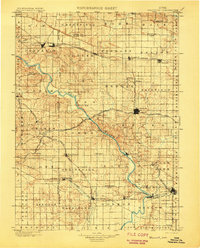 1901 Stanwood1901 Print · USGSEastern Iowa is defined by its fertile plains and busy rail corridors at the turn of the century. Genealogists and historians can trace the early layouts of Tipton, West Liberty, and Mt. Vernon, alongside vanished stopping points like Lime City and Walden.2 unique versions available
 - 1903 Map of Fairfax
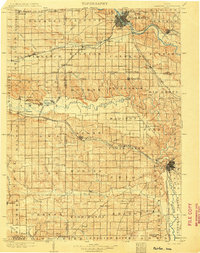 1903 Fairfax1903 Print · USGSEastern Iowa's rail-and-river corridor is captured here at the start of the twentieth century, showing the region's transition into an agricultural powerhouse. Genealogists can locate the seven original communal villages of the Amana colonies and old educational sites like Western College.2 unique versions available
 - 1903 Map of Winthrop
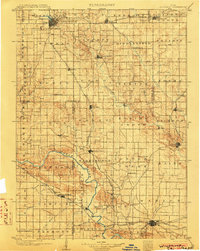 1903 Winthrop1903 Print · USGSEast Central Iowa was a landscape of thriving rail towns and river crossings at the turn of the century. Genealogists and historians can trace the early footprints of Independence and Marion, or locate smaller centers like Quasqueton and Toddville.2 unique versions available
 - 1958 Map of Davenport, 1968 Print
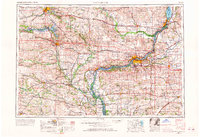 1958 Davenport1968 Print · USGSEastern Iowa and western Illinois thrive along the river during the late fifties, defined by the industrial Quad Cities and a robust rail network. Genealogists can trace family roots through settlements like Oasis and Stanwood or along the Cedar River.2 unique versions available
 - 1959 Map of Dubuque, 1982 Print
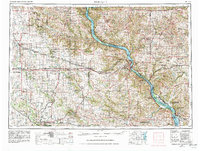 1959 Dubuque1982 Print · USGSThe Tri-State region comes alive in the mid-twentieth century as a hub of river commerce and rail transit. Genealogists and historians can trace the paths of the Illinois Central Gulf through Dubuque or locate the Savanna Ordnance Depot and Lock and Dam No 11.
 - 1961 Map of Dubuque
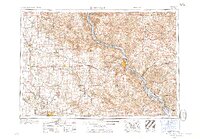 1961 Dubuque1961 Print · USGSThe Tri-State region's river-and-rail landscape is captured here during the early sixties, showing the convergence of Iowa, Illinois, and Wisconsin. Trace mid-century rail lines like the Chicago Great Western Ry and explore sites like the Savanna Ordnance Depot and Backbone State Park.
 - 1961 Map of Davenport
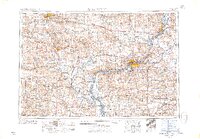 1961 Davenport1961 Print · USGSThe Quad Cities and the eastern Iowa riverlands are captured here in the early sixties, showing the region's transition into a modern industrial and transit hub. Genealogists and historians can trace the paths of major railroads and find river landmarks like Rock Island Arsenal, Huron Island, and the Coralville Reservoir.
 - 1962 Map of Dubuque
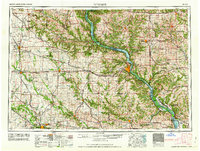 1962 Dubuque1962 Print · USGSThe Tri-State region's river-and-rail economy is captured here in the early sixties, centered on the Mississippi River bluffs. Genealogists and historians can locate Numerous lead and zinc mines, the New Melleray Abbey Monastery, and rural hubs like Saint Olaf.2 unique versions available
 - 1962 Map of Davenport
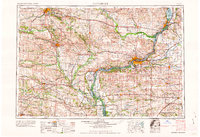 1962 Davenport1962 Print · USGSThe Quad Cities and the Mississippi River corridor are shown at their industrial peak just before the interstate era fully transformed the region. Researchers can trace the sprawling rail networks of the Chicago Rock Island and Pacific and find landmarks like the Rock Island Arsenal and Wild Cat Den State Park.
 - 1965 Map of Cedar Bluff, 1967 Print
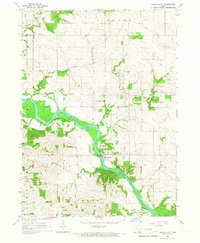 1965 Cedar Bluff1967 Print · USGSCedar County's river valley comes to life in the mid-1960s, showing the rural landscape around Cedar Bluff and the winding Cedar River. Researchers can trace old family roots and transport history at Evergreen Cem, St Bridget Ch, and the lingering Old RR Grade.
 - 1965 Map of Mechanicsville, 1967 Print
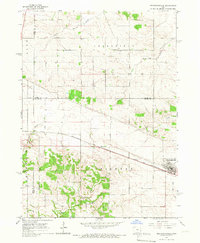 1965 Mechanicsville1967 Print · USGSThe rural landscape of Eastern Iowa is captured in the mid-1960s, showing the intersection of three counties around the rail town of Mechanicsville. Researchers can trace old family burial sites like Andre Cem and Pioneer Cem or follow the Chicago and North Western rail line.
Showing maps 1-25 of 186
Top cities of Linn County
- Cedar Rapids historical maps
- Marion historical maps
- Hiawatha historical maps
- Mount Vernon historical maps
- Robins historical maps
- Fairfax historical maps
See more
Frequently asked questions
- What are the different types of historical maps available for Linn County?
- What is the oldest map of Linn County?
- Where can I purchase historical maps of Linn County for my home or office?
- Where can I download high-res historical maps of Linn County?
- Are there historical topographic maps available for Linn County?
- Is there historical aerial imagery available for Linn County?
- Where are historical maps of Linn County sourced from?