Old Maps of Badger Township, Iowa for Hiking & Exploration
Hike through history with 29 historic maps of Badger Township. Explore old trails, ghost towns, and forgotten backroads — perfect for outdoor adventurers and local explorers.
- Rediscover forgotten places: Map out old mining camps, roads, and footpaths that no longer exist on modern maps.
- Layer with modern tools: Combine with LiDAR or satellite views to plan hikes through historical terrain.
- Made for exploration: Popular among hikers, overlanders, and local history lovers.
Use these maps to find adventure and explore the hidden past of Badger Township.
Badger Township, IA maps
(29)- 1923 Map of Fort Dodge
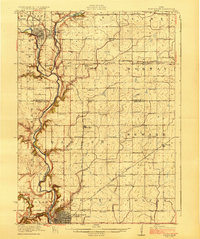 1923 Fort Dodge1923 Print · USGSThe river valleys and rail corridors of North Central Iowa are detailed here in the years following the Great War. Genealogists and local historians can locate dozens of rural schoolhouses and the early footprints of Humboldt, Badger, and Fort Dodge.3 unique versions available
 - 1954 Map of Fort Dodge, 1968 Print
 1954 Fort Dodge1968 Print · USGSNorthwest Iowa is shown here during a period of steady industrial and rail activity in the mid-fifties. Researchers can trace the extensive rail lines connecting Fort Dodge to mining and manufacturing sites like Gypsum and Industry Station.3 unique versions available
 - 1957 Map of Fort Dodge
 1957 Fort Dodge1957 Print · USGSWest-central Iowa thrived as a network of rail-linked agricultural hubs and river towns during the mid-fifties. Researchers can trace the development of the Des Moines River valley and locate historic landmarks in Fort Dodge, Storm Lake, and Lehigh.
 - 1958 Map of Fort Dodge
 1958 Fort Dodge1958 Print · USGSWestern Iowa in the mid-1950s reveals a productive landscape of river-valley industry and prairie agricultural hubs. Researchers can trace the development of the Des Moines River corridor through Fort Dodge and locate vanished local landmarks near Coalville or Storm Lake.
 - 1979 Map of Fort Dodge North
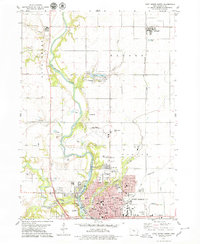 1979 Fort Dodge North1979 Print · USGSFort Dodge and the township of Badger are seen here in the late seventies as the river valley's industrial and residential corridors matured. Genealogists can locate several burial grounds like Corpus Christi Cem and St Paul Cem, while historians can trace the paths of the Illinois Central and North Western railroads.
 - 1979 Map of Thor
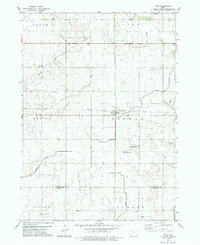 1979 Thor1979 Print · USGSHumboldt and Webster counties are captured in the late 1970s, showcasing the agricultural grid surrounding the rail town of Thor. Genealogists can locate several burial sites including East Ullensvang Cem, Norway Lake Cem, and Blossom Hill Cem.2 unique versions available
 - 1979 Map of Humboldt
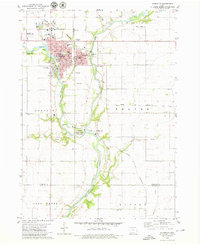 1979 Humboldt1979 Print · USGSHumboldt and Dakota City sit at the junction of the Des Moines River forks during the late seventies, a period of established civic and rail infrastructure. Researchers can trace family roots through several rural burial grounds like Union Cem and Indian Mound Cem or locate vanished local schools such as Meuse Sch.
 - 1979 Map of Vincent
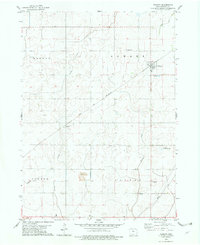 1979 Vincent1979 Print · USGSVincent and the surrounding Webster County townships are shown here in the late seventies as a structured agricultural landscape. Genealogists and researchers can pinpoint historical sites including St Johns Ch, Colfax Cem, and the railroad settlement of Industry.
 - 1984 Map of Humboldt, 1985 Print
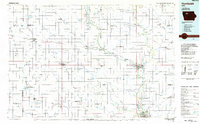 1984 Humboldt1985 Print · USGSNorth Central Iowa in the mid-eighties shows a deeply integrated landscape of agricultural drainage and rail-connected settlements. Trace the rural layout of the era via the Chicago and North Western line, Rush Lake, and Lizard Lake County Park.2 unique versions available
 - 2010 Map of Vincent, 2010 Print
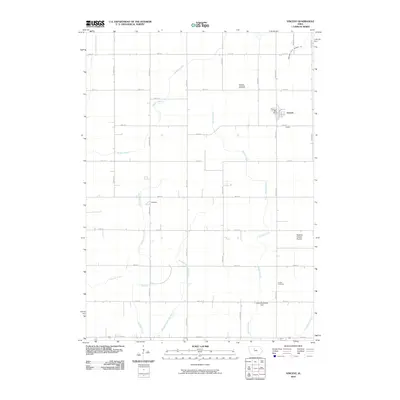 2010 Vincent2010 Print · USGSThe rural landscape around Vincent was captured in the early 2010s, showing a well-established network of prairie townships and agricultural drainage. Researchers can trace family sites near Colfax Cemetery, the Newark Township Cemetery, or the community hub of Industry.
 - 2010 Map of Humboldt, 2010 Print
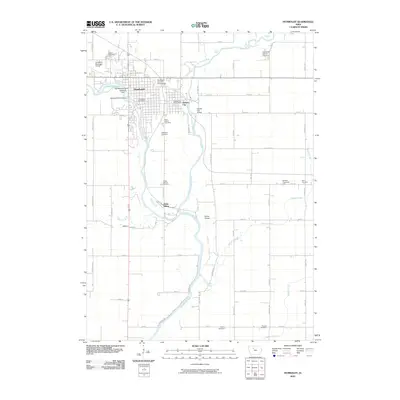 2010 Humboldt2010 Print · USGSHumboldt and Dakota City sit at the confluence of the Des Moines River forks during the early twenty-first century. Genealogists and local historians can trace numerous burial sites including Union and Indian Mound, or locate landmarks like the Humboldt Fish Hatchery.
 - 2010 Map of Thor, 2010 Print
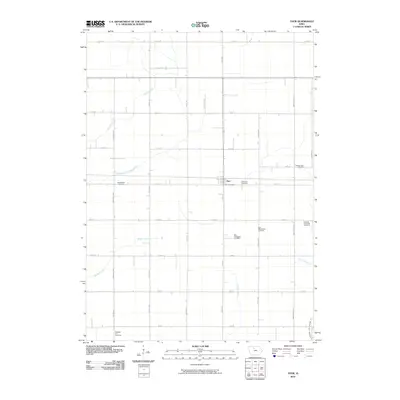 2010 Thor2010 Print · USGSThe rural agricultural lands of Humboldt County are documented here in the early twenty-first century, centered on the village of Thor. Family historians can locate numerous burial grounds across this landscape, including Norway Township Cemetery, East Ullensvang Cemetery, and Blossom Hill Cemetery.
 - 2010 Map of Fort Dodge North, 2010 Print
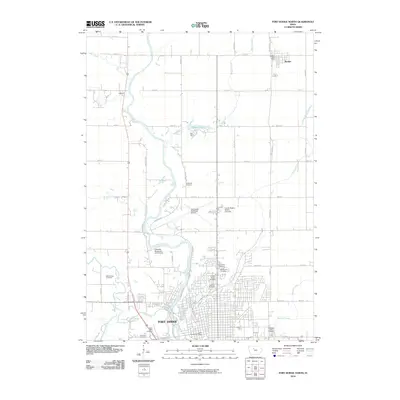 2010 Fort Dodge North2010 Print · USGSFort Dodge and its northern hinterlands are documented here during the first decade of the millennium. Genealogists can trace family heritage across more than half a dozen burial grounds, including Oakland Cemetery, Willowledge Cemetery, and Memorial Park Cemetery.
 - 2013 Map of Thor, 2013 Print
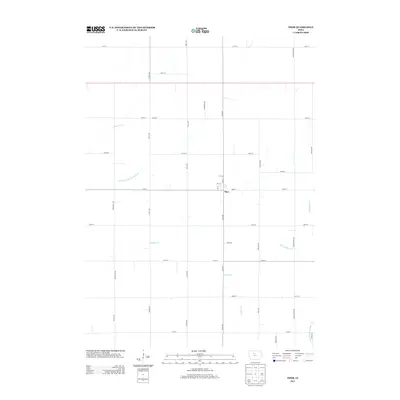 2013 Thor2013 Print · USGSThe rural landscape around Thor is captured here in the early twenty-first century, showing a highly organized agricultural grid. Trace the intersection of natural and engineered waterways like Badger Cr and Drainage Ditch Number 46.
 - 2013 Map of Fort Dodge North, 2013 Print
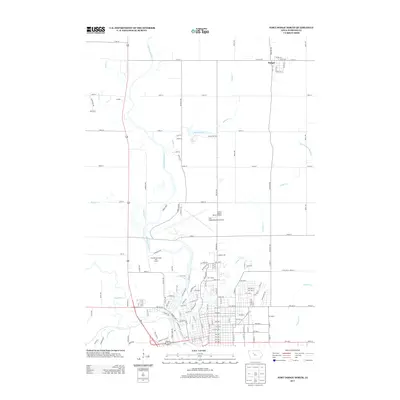 2013 Fort Dodge North2013 Print · USGSNorth of the city in the early twenty-first century, this area shows the intersection of the Des Moines River valley with essential regional infrastructure. Researchers can trace the residential streets of Badger or locate the Fort Dodge Regional Airport and Lakeside Municipal Golf Course.
 - 2013 Map of Vincent, 2013 Print
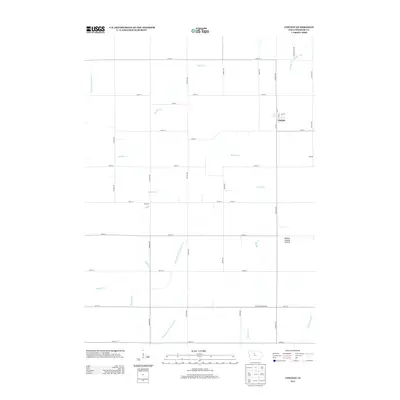 2013 Vincent2013 Print · USGSWebster County agriculture and drainage systems are captured in this early 21st-century survey of north-central Iowa. Researchers can trace the layout of small communities like Vincent and Industry or locate landmarks such as the Colfax Township Hall.
 - 2013 Map of Humboldt, 2013 Print
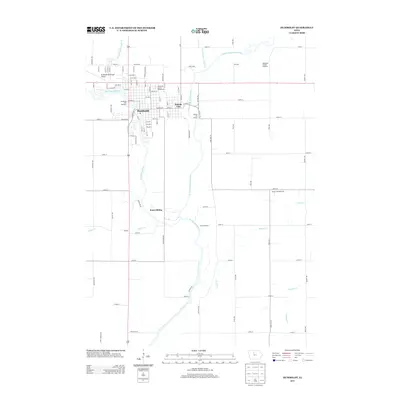 2013 Humboldt2013 Print · USGSHumboldt and Dakota City sit at the historic junction of the Des Moines River forks in the early twenty-first century. Researchers can trace the layout of regional landmarks including the Humboldt Fish Hatchery, Jones Siding, and the Humboldt County Fairgrounds.
 - 2015 Map of Humboldt, 2015 Print
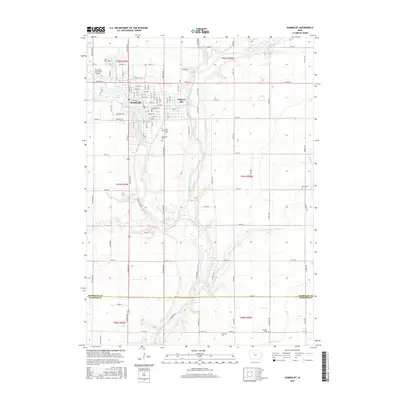 2015 Humboldt2015 Print · USGSThe confluence of the Des Moines forks in central Iowa defines this rural landscape during the mid-2010s. Genealogists can trace family connections at several local burial sites, including Saint Mary's Cem, Zion Cem, and the historic Pioneer Cem.
 - 2015 Map of Fort Dodge North, 2015 Print
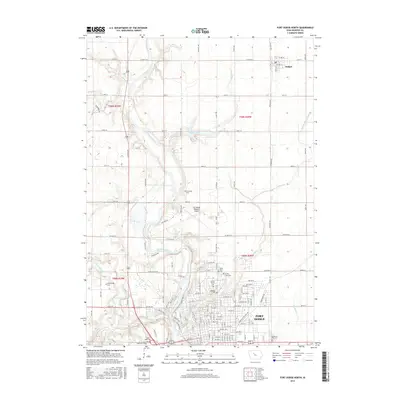 2015 Fort Dodge North2015 Print · USGSFort Dodge and the township of Badger are captured here in the mid-2010s as the river valley meets the northern Iowa prairies. Genealogists and local historians can locate numerous burial sites such as Willowledge Cem, Concordia Cem, and Saint Olafs Cem.
 - 2015 Map of Vincent, 2015 Print
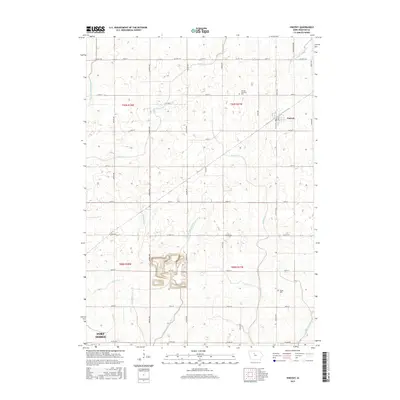 2015 Vincent2015 Print · USGSWebster County agriculture and industry are in full view in the mid-2010s, centered on the town of Vincent. Local historians can trace family roots at Newark Township Cem or examine the drainage works of Drainage Ditch Number 57 near the Fort Dodge border.
 - 2015 Map of Thor, 2015 Print
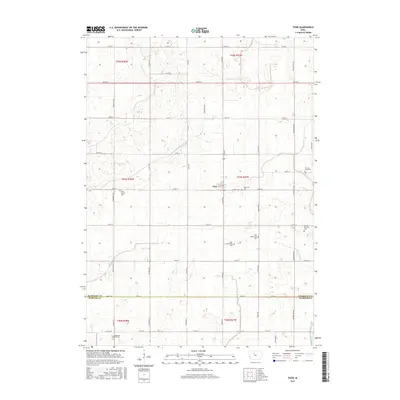 2015 Thor2015 Print · USGSHumboldt and Webster counties are captured here in the mid-2010s, showing a landscape of organized agriculture and deep-rooted community heritage. Genealogists can locate several historic burial sites, including Norway Township Cem and East Beaver Cem.
 - 2018 Map of Fort Dodge North, 2018 Print
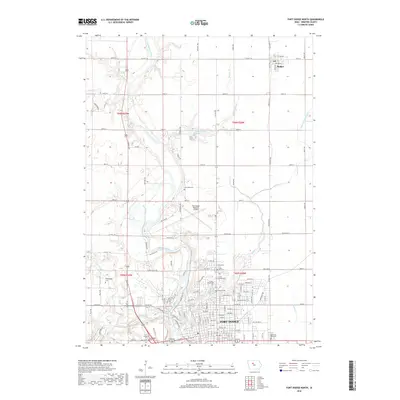 2018 Fort Dodge North2018 Print · USGSThe Des Moines River valley and the northern reaches of Fort Dodge are captured in this recent survey. Genealogists and local historians can trace numerous rural burial sites like Concordia Cem and Saint Olafs Cem or explore the settlement of Badger.
 - 2018 Map of Vincent, 2018 Print
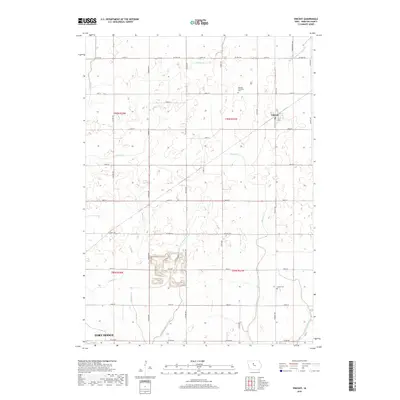 2018 Vincent2018 Print · USGSWebster County agriculture and drainage systems are meticulously detailed in this recent survey of the northeast Fort Dodge outskirts. Researchers can locate family plots at Newark Township Cem or trace the managed flow of Soldier Cr and Drainage Ditch Number 57.
 - 2018 Map of Thor, 2018 Print
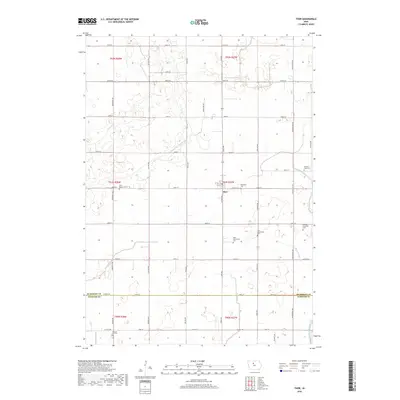 2018 Thor2018 Print · USGSThor and the surrounding prairie lands of Humboldt County are documented here in the early twenty-first century. Genealogists can locate several rural burial sites including East Ullensvang Cem, Blossom Hill Cem, and East Beaver Cem.
 - 2018 Map of Humboldt, 2018 Print
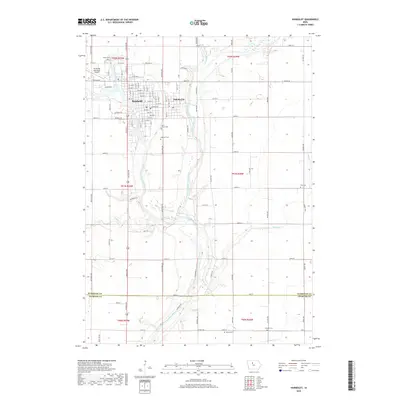 2018 Humboldt2018 Print · USGSThe twin towns of Humboldt and Dakota City are shown at their confluence in the late 2010s. Genealogists can locate family sites at Saint Mary's Cem or Union Cem, while tracing the local hydrology of Indian Cr and the Des Moines River.
Showing maps 1-25 of 29
Top cities near Badger Township
- Fort Dodge historical maps
- Humboldt historical maps
- Dakota City historical maps
- Coalville historical maps
- Badger historical maps
- Otho historical maps
See more
Top neighborhoods of Badger Township
Frequently asked questions
- What are the different types of historical maps available for Badger Township?
- What is the oldest map of Badger Township?
- Where can I purchase historical maps of Badger Township for my home or office?
- Where can I download high-res historical maps of Badger Township?
- Are there historical topographic maps available for Badger Township?
- Is there historical aerial imagery available for Badger Township?
- Where are historical maps of Badger Township sourced from?