Old Maps of Woodbury Township, Iowa
Explore 24 old maps of Woodbury Township, spanning from 1955 to today. These high-resolution historic maps reveal how streets, neighborhoods, landmarks, and natural features evolved over time — perfect for genealogy, metal detecting, research, and local history exploration.
What you can do with these maps:
- See how Woodbury Township changed over time: Compare historical maps to modern-day views to trace roads, homesites, rail lines & more.
- View detailed metadata: Each map includes creators, publishers, year, scale, and archive source.
- Overlay maps with satellite & LiDAR: Visualize the past alongside modern tools to explore terrain & human change.
- Trusted historical sources: Maps sourced from the USGS, Library of Congress, and other archives.
- Access maps your way: View online, download high-res files, or order prints for personal or research use.
Start exploring old maps of Woodbury Township to uncover forgotten places, hidden landmarks, and the deep history beneath your feet.
Woodbury Township, IA maps
(24)- 1955 Map of Sioux City, 1959 Print
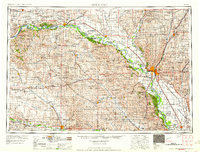 1955 Sioux City1959 Print · USGSThe Missouri River valley in the mid-fifties is captured here during a time of major engineering and social transition. Genealogists and historians can trace the foundations of Gavins Point Dam, tribal boundaries on the Santee Sioux Indian Reservation, and local landmarks like the Norfolk State Hospital.4 unique versions available
 - 1958 Map of Sioux City
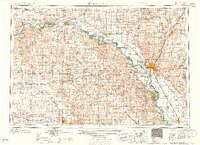 1958 Sioux City1958 Print · USGSThe Missouri River valley in the late fifties was a bustling intersection of tribal lands, rail corridors, and river towns. Genealogists can trace family roots through specific rural sites like Daisy Valley School, St Johns Church and School, and Yankton State Hospital.
 - 1959 Map of Sioux City
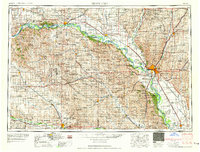 1959 Sioux City1959 Print · USGSThe tri-state region surrounding the Missouri River is captured here in the late fifties, showing the convergence of Nebraska, South Dakota, and Iowa. Researchers can trace rural lineages through numerous country schoolhouses like Cemetery School and the many numbered Washington School districts.
 - 1963 Map of Sioux City South, 1964 Print
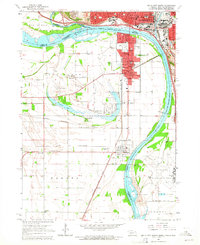 1963 Sioux City South1964 Print · USGSThe tri-state river junction between Nebraska, Iowa, and South Dakota hums with mid-century activity along the Missouri and Big Sioux Rivers. Genealogists can trace old family roots at Salem Ch, St Michaels Cem, or the rural Hileman Sch.4 unique versions available
 - 1964 Map of Sergeant Bluff, 1965 Print
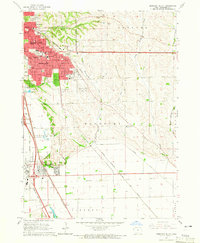 1964 Sergeant Bluff1965 Print · USGSSioux City and Sergeant Bluff are captured during a decade of significant suburban and institutional growth in the mid-1960s. Researchers can trace the development of Morningside College, find family plots in Graceland Park Cemetery, or locate old landmarks like Redeemer Chapel.3 unique versions available
 - 1964 Map of Lawton, 1966 Print
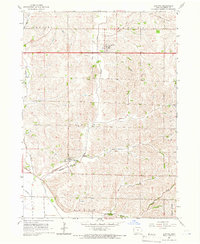 1964 Lawton1966 Print · USGSMid-century Woodbury County is captured here as the prairie landscape of Lawton and Bronson began to modernize. Researchers can trace ancestral locations near Eberly Cem or follow the path of the Old Railroad Grade across the hills.
 - 1986 Map of Sioux City South
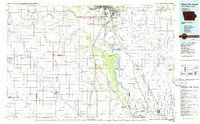 1986 Sioux City South1986 Print · USGSThe tri-state borderlands of Iowa, Nebraska, and South Dakota come into focus in the mid-1980s as a landscape of tribal lands and rail corridors. Researchers can trace the extensive boundaries of the Winnebago Indian Reservation and find local landmarks like Morningside College and Martin Field.2 unique versions available
 - 1993 Map of Sioux City South, 1995 Print
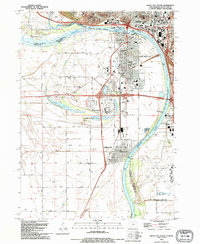 1993 Sioux City South1995 Print · USGSThe Missouri River tri-state border region comes alive in the early nineties, showing the intersection of Iowa, Nebraska, and South Dakota. Trace community roots through St Michaels Cem, Salem Ch, and the streets of Dakota City.
 - 1993 Map of Sergeant Bluff, 1995 Print
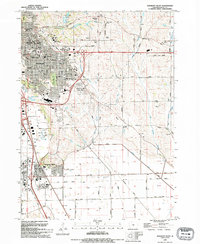 1993 Sergeant Bluff1995 Print · USGSThe Missouri River valley south of Sioux City shows a mix of educational growth and industrial transit in the early nineties. Researchers can trace the development of Sergeant Bluff and locate historic sites like Claypit Cem, Morningside College, and the Old Railroad Grade.
 - 2010 Map of Lawton, 2010 Print
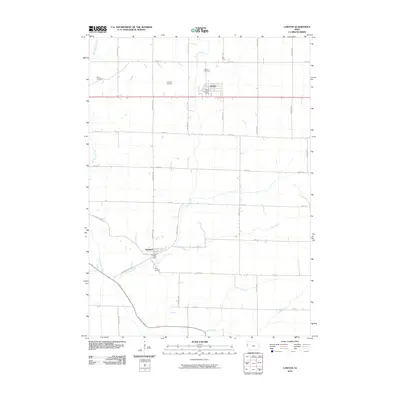 2010 Lawton2010 Print · USGSWoodbury County at the start of the 21st century remains defined by its agricultural grid and the steady growth of its small towns. Genealogists and researchers can locate family burial plots at Banner Cemetery and Eberly Cemetery or trace the rural routes connecting Lawton and Bronson.
 - 2010 Map of Sergeant Bluff, 2010 Print
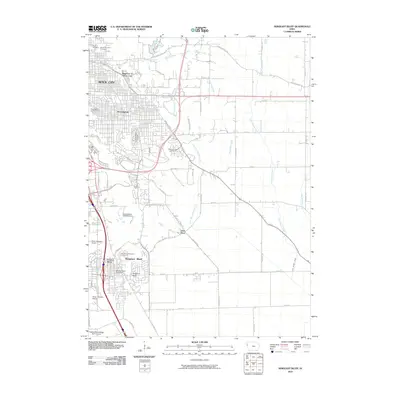 2010 Sergeant Bluff2010 Print · USGSThe Missouri River bluffs and Sioux City's southern expansion are captured here in the early twenty-first century. Researchers can trace the development of Sergeant Bluff and Morningside or locate ancestral sites at Graceland Park Cemetery and Floyd Cemetery.
 - 2012 Map of Sioux City South, 2012 Print
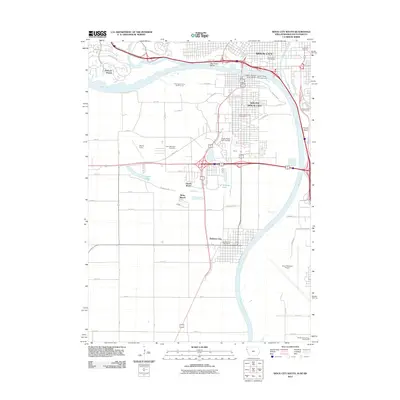 2012 Sioux City South2012 Print · USGSThe Missouri River tri-state area comes into focus in the early 2010s as it winds past the developing waterfronts of Iowa and Nebraska. Researchers can trace local landmarks like Floyds Bluff, the grounds of Saint Michaels Cemetery, and the expansive Sioux Gateway Airport.
 - 2013 Map of Lawton, 2013 Print
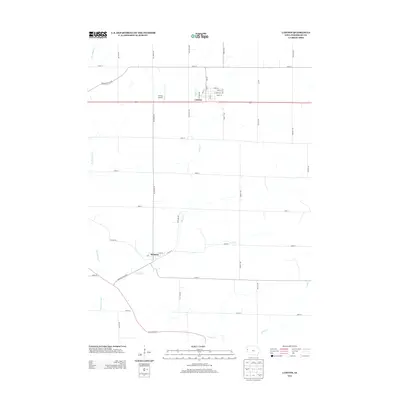 2013 Lawton2013 Print · USGSWoodbury County's agricultural heartland is documented here in the early twenty-first century, centered on the communities of Lawton and Bronson. Genealogists and local historians can trace family land proximity to landmarks like the Lawton Airport or the banks of Big Whisky Creek.
 - 2013 Map of Sergeant Bluff, 2013 Print
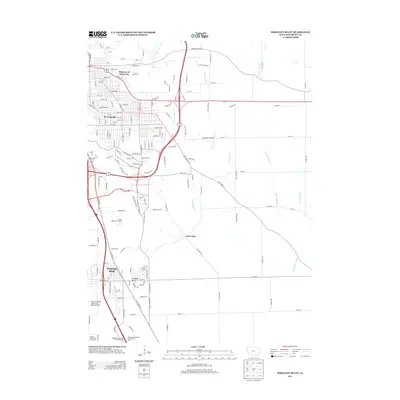 2013 Sergeant Bluff2013 Print · USGSThe Woodbury County suburbs and the airport district are shown in detail during the early 2010s. Researchers can trace the local street networks of Sergeant Bluff and Morningside or locate landmarks like Glen Ellen and Dead Man Cr.
 - 2013 Map of Sioux City South, 2013 Print
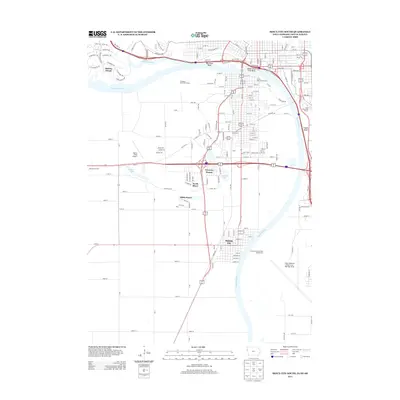 2013 Sioux City South2013 Print · USGSThe tri-state border region near Dakota City is captured here in the early twenty-first century as riverfront development and aviation expand. Trace the shifting banks of the Missouri River near Floyds Bluff or locate smaller communities like Millis Beach and North Shore.
 - 2015 Map of Sergeant Bluff, 2015 Print
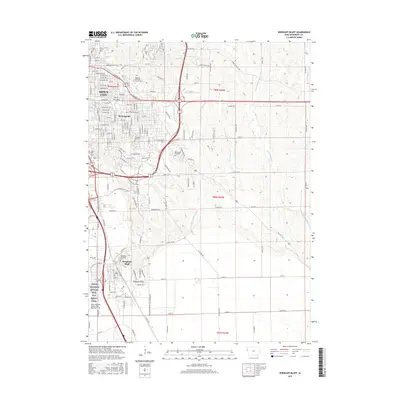 2015 Sergeant Bluff2015 Print · USGSThe Woodbury County landscape south of Sioux City shows its modern urban character and industrial infrastructure in the mid-2010s. Researchers can locate community anchors like Morningside College or trace historical burials at Graceland Park Cemetery.
 - 2015 Map of Lawton, 2015 Print
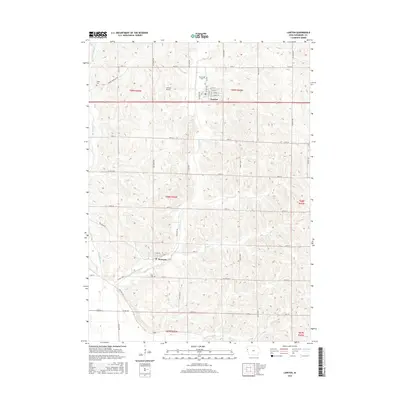 2015 Lawton2015 Print · USGSEastern Woodbury County is captured here in the mid-2010s, showing the settled hubs of Lawton and Bronson. Genealogists and local researchers can trace old section lines and find landmark burial sites like Banner Cem and Floyd Cem along the winding banks of Elliott Cr.
 - 2015 Map of Sioux City South, 2015 Print
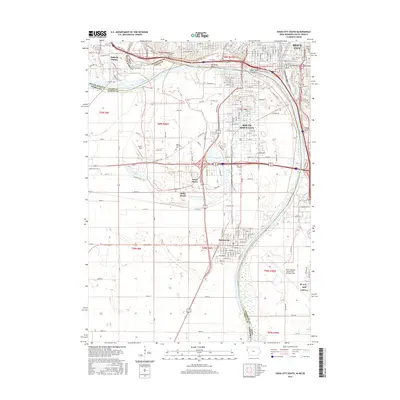 2015 Sioux City South2015 Print · USGSThe tri-state confluence of Iowa, Nebraska, and South Dakota is captured here in the mid-2010s, showing the Missouri River’s path through a major regional hub. Genealogists and historians can trace local landmarks like Saint Michaels Cem or the geography around Floyds Bluff.
 - 2018 Map of Lawton, 2018 Print
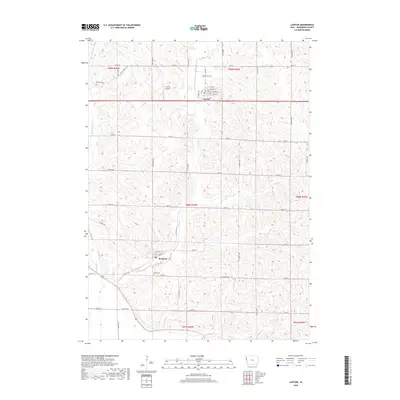 2018 Lawton2018 Print · USGSWoodbury County's rural landscape is captured here in the late 2010s, centered on the communities of Lawton and Bronson. Researchers can trace local heritage through landmarks like Banner Cem, Floyd Cem, and the path of the historic Correctionville Rd.
 - 2018 Map of Sioux City South, 2018 Print
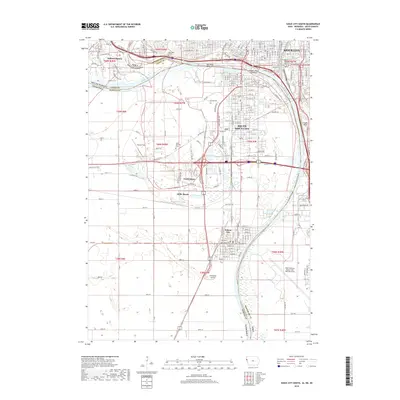 2018 Sioux City South2018 Print · USGSThe tri-state borders of Iowa, Nebraska, and South Dakota meet at this river-bend junction during the late 2010s. Researchers can trace the development of Dakota City and South Sioux City or locate historic sites like Floyds Bluff and the War Eagle Grave.
 - 2018 Map of Sergeant Bluff, 2018 Print
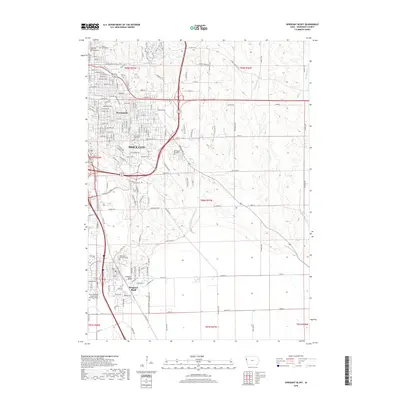 2018 Sergeant Bluff2018 Print · USGSSioux City and Sergeant Bluff are captured in the late 2010s as the urban footprint expands across Woodbury County. Genealogists and local historians can trace family locations near Graceland Park Cem, Morningside, or the Woodbury Township Cem.
 - 2022 Map of Lawton, 2022 Print
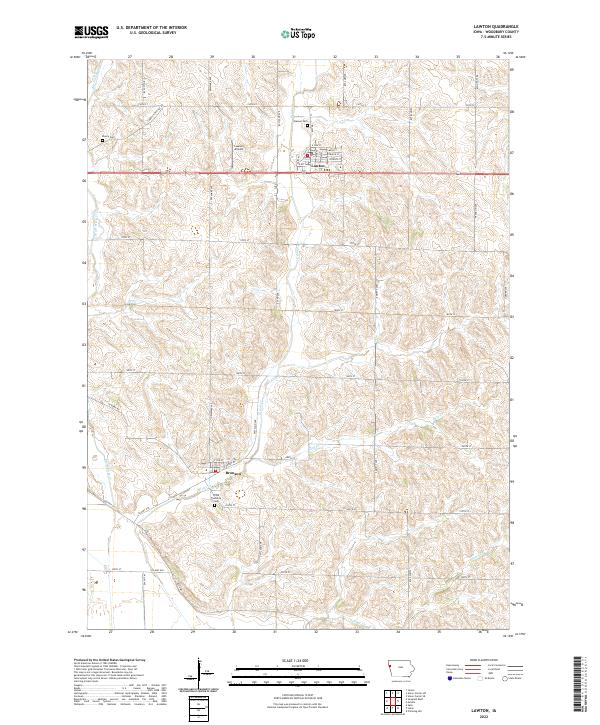 2022 Lawton2022 Print · USGSWoodbury County life is captured here in the early twenty-first century, showing the established communities of Lawton and Bronson. Researchers can locate several historical burial sites including Eberly Cem and Banner Cem nestled among the winding waters of Big Whisky Cr.
 - 2022 Map of Sergeant Bluff, 2022 Print
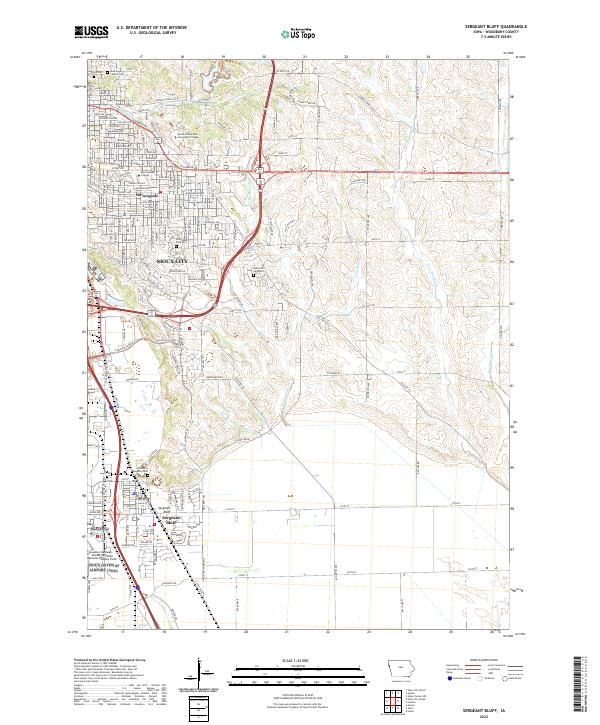 2022 Sergeant Bluff2022 Print · USGSWoodbury County in the 2020s shows the continued growth of Sioux City and its educational institutions. Genealogists can locate Woodbury Township Cemetery or Floyd Cemetery, while tracing changes near Sergeant Bluff and the airport.
 - 2022 Map of Sioux City South, 2022 Print
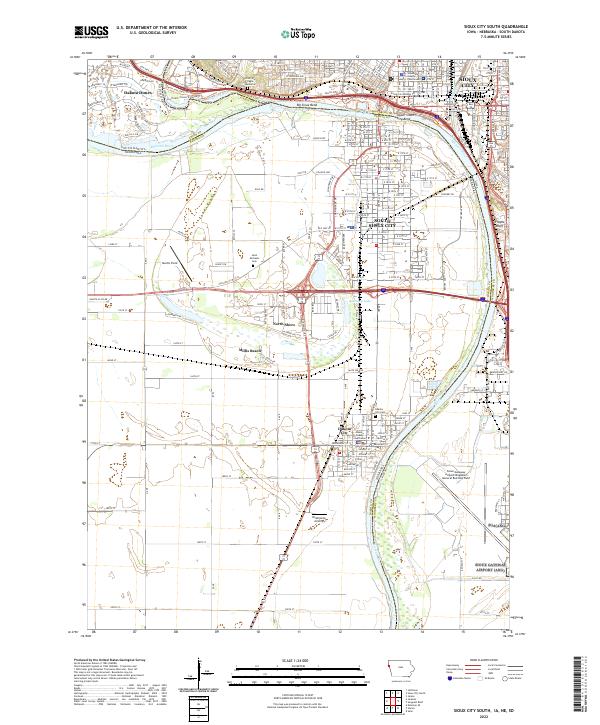 2022 Sioux City South2022 Print · USGSThe confluence of the Missouri and Big Sioux Rivers defines this modern landscape at the Iowa, Nebraska, and South Dakota border. Researchers can trace local history from the Woodbury County Courthouse to family sites near Saint Michaels Cem and the riverfront at Millis Beach.
End of results
Showing maps 1-24 of 24
Top cities near Woodbury Township
- Sioux City historical maps
- South Sioux City historical maps
- Sergeant Bluff historical maps
- Dakota Dunes historical maps
- North Sioux City historical maps
- Dakota City historical maps
See more
Top neighborhoods of Woodbury Township
Frequently asked questions
- What are the different types of historical maps available for Woodbury Township?
- What is the oldest map of Woodbury Township?
- Where can I purchase historical maps of Woodbury Township for my home or office?
- Where can I download high-res historical maps of Woodbury Township?
- Are there historical topographic maps available for Woodbury Township?
- Is there historical aerial imagery available for Woodbury Township?
- Where are historical maps of Woodbury Township sourced from?