Old Maps of Kansas City, Kansas
Explore 86 old maps of Kansas City, spanning from 1890 to today. These high-resolution historic maps reveal how streets, neighborhoods, landmarks, and natural features evolved over time — perfect for genealogy, metal detecting, research, and local history exploration.
What you can do with these maps:
- See how Kansas City changed over time: Compare historical maps to modern-day views to trace roads, homesites, rail lines & more.
- View detailed metadata: Each map includes creators, publishers, year, scale, and archive source.
- Overlay maps with satellite & LiDAR: Visualize the past alongside modern tools to explore terrain & human change.
- Trusted historical sources: Maps sourced from the USGS, Library of Congress, and other archives.
- Access maps your way: View online, download high-res files, or order prints for personal or research use.
Start exploring old maps of Kansas City to uncover forgotten places, hidden landmarks, and the deep history beneath your feet.
Kansas City, KS maps
(86)- 1890 Map of Kansas City
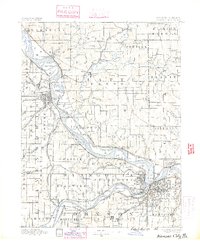 1890 Kansas City1890 Print · USGSThe Missouri River valley at the turn of the decade shows a booming rail-and-river economy centered on KANSAS CITY. Researchers can trace the early footprints of settlements like White Church, Lansing, and Smithville before modern expansion.2 unique versions available
 - 1894 Map of Kansas City
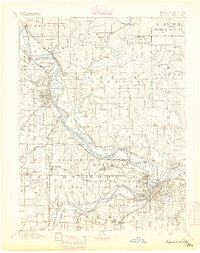 1894 Kansas City1894 Print · USGSThe Missouri River valley at the close of the nineteenth century was a bustling intersection of military life and frontier commerce. Genealogists can trace family roots through river towns like Weston and Parkville or locate early railroad hubs at Settles Station and Beverly Junction.14 unique versions available
 - 1934 Map of Bonner Springs
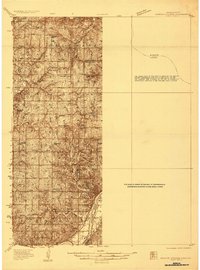 1934 Bonner Springs1934 Print · USGSLeavenworth and Wyandotte counties are shown in detail during the mid-1930s, capturing the rural landscape before post-war suburbanization. Researchers can trace family homesteads near Fairmount, Lansing, and local landmarks like Coal Ridge Sch or Hoge Sch.
 - 1934 Map of Shawnee
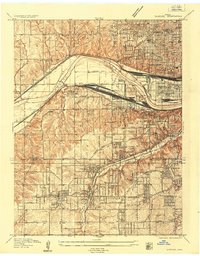 1934 Shawnee1934 Print · USGSThe Kansas River valley and the developing suburbs of Johnson County are shown in detail during the early 1930s. Researchers can trace historic neighborhoods and transit lines including Merriam, Argentine High Sch, and the Kansas and Missouri Interurban.3 unique versions available
 - 1934 Map of Edwardsville
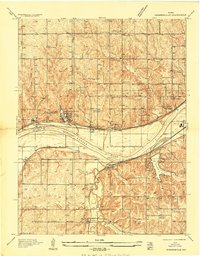 1934 Edwardsville1934 Print · USGSMid-century Wyandotte and Johnson counties are defined here by the winding river and a busy network of competing rail lines. Researchers can locate early family landmarks like St Patricks Ch, trace the settlement of Stony Point Village, or find the historic Wyandotte County Home.
 - 1934 Map of Wolcott
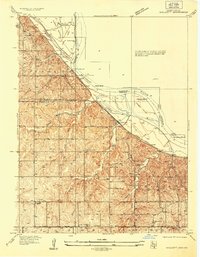 1934 Wolcott1934 Print · USGSThe Missouri River bottoms and the uplands of Wyandotte County appear here as they were in the mid-1930s. Researchers can trace the path of the Missouri Pacific RR and locate rural landmarks like White Church and the Kansas State Prison Camp No 2.
 - 1935 Map of Kansas City
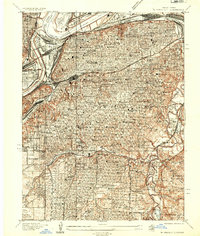 1935 Kansas City1935 Print · USGSKansas City and its surrounding Missouri and Kansas neighborhoods are captured here during a period of significant civic expansion in the mid-1930s. Researchers can trace the layout of early aviation at the Municipal Landing Field or locate family history through many landmarks like Elmwood Cem and Wyandotte High Sch.2 unique versions available
 - 1935 Map of North Kansas City
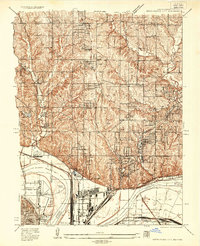 1935 North Kansas City1935 Print · USGSNorth Kansas City and the Missouri River bluffs appear here in the mid-1930s as industrial development begins to reshape the river valley. You can trace early aviation sites like Fairfax Landing Field and community anchors like Gashland Sch and Winnwood Lake.
 - 1940 Map of Kansas City
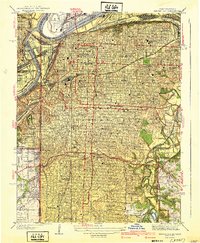 1940 Kansas City1940 Print · USGSKansas City's urban landscape is shown in remarkable detail just before the war, highlighting its massive rail yards and industrial riverfront. Genealogists and historians can trace neighborhood schools like Longfellow Sch, Central High Schools, and the resting places at Calvary Cemetery.3 unique versions available
 - 1940 Map of Bonner Springs
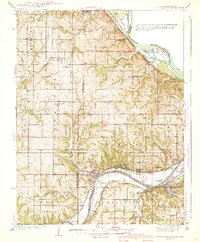 1940 Bonner Springs1940 Print · USGSThe Kansas and Missouri rivers converge near these busy rail corridors just before the Second World War. Researchers can trace rural life through dozens of named schools like Mission Sch and the community center at Elm Grove Community Hall.3 unique versions available
 - 1940 Map of North Kansas City
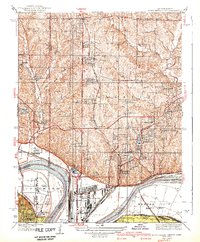 1940 North Kansas City1940 Print · USGSThe industrial riverfront and Clay County uplands are documented here during the mid-1930s as the regional transport network matured. Genealogists and researchers can locate family landmarks like New Stark Cem, Bethel Ch, and the many rural schoolhouses serving Gashland and Barry.2 unique versions available
 - 1943 Map of Shawnee
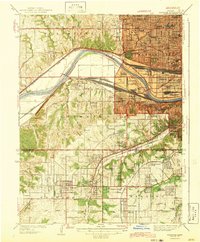 1943 Shawnee1943 Print · USGSGreater Kansas City and Johnson County are captured during a period of wartime transition, showing the dense rail yards and burgeoning suburbs of the early 1940s. Genealogists and local researchers can trace family roots through landmarks like St Johns Cem, Hickory Grove Sch, and the neighborhoods of South Park or Cunningham Highlands.2 unique versions available
 - 1943 Map of Quindaro
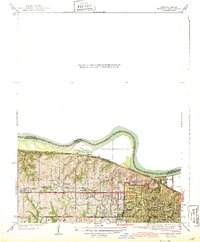 1943 Quindaro1943 Print · USGSThe Missouri-Kansas borderlands in the 1940s reveal a landscape of expanding schools and electric transit. Trace the routes of the Kansas City and Leavenworth Electric Road and find sites like Nearman Sch and Memorial Park Cemetery.
 - 1948 Map of Wolcott, 1954 Print
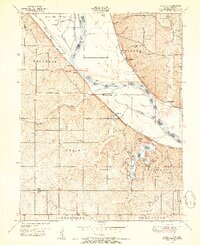 1948 Wolcott1954 Print · USGSThe Missouri River bottoms and Kansas uplands meet in the late 1940s, featuring a mix of prison farms, riverside towns, and new parklands. Genealogists can locate family names at Dunagan Cemetery or trace old school districts like Island Creek School and Center Point School.5 unique versions available
 - 1948 Map of North Kansas City, 1958 Print
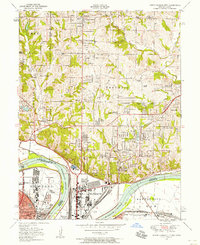 1948 North Kansas City1958 Print · USGSNorth Kansas City and the Missouri River corridor show a bustling mid-century mix of aviation, industry, and early suburban growth. Trace the development of Quindaro, the operations at Fairfax Airport, and local roots at Faubion Cemetery.
 - 1948 Map of Parkville, 1959 Print
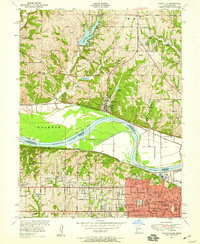 1948 Parkville1959 Print · USGSThe Missouri River state line near Parkville comes alive in the late 1940s as post-war suburban growth meets historic riverfront industry. Researchers can trace early family sites from St Marys Cemetery to the campus of Park College and the old Western University site.
 - 1949 Map of Basehor, 1976 Print
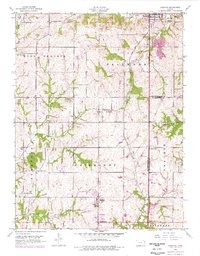 1949 Basehor1976 Print · USGSLeavenworth County agriculture and industry meet at the mid-century as the outskirts of Kansas City begin to stir. Genealogists can locate family sites like Holy Angels Cemetery, Little Stranger Church, and the grounds of the Kansas State Penitentiary.
 - 1950 Map of Basehor
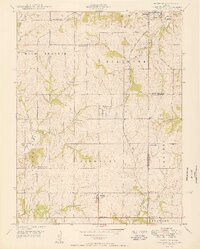 1950 Basehor1950 Print · USGSLeavenworth County agriculture and infrastructure are well-established by the late 1940s, centered on the growing community of Basehor. Researchers can trace old property landmarks like Little Stranger Church, the Kansas State Penitentiary, and Spring Hill School.3 unique versions available
 - 1950 Map of Kansas City
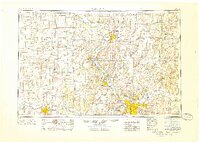 1950 Kansas City1950 Print · USGSMid-century Kansas and Missouri are captured here during a period of industrial growth and shifting transportation. Genealogists and historians can trace rail lines like the Wabash RR or locate ancestral homes near the Potawatomi Indian Reservation and Horton.
 - 1950 Map of Edwardsville, 1963 Print
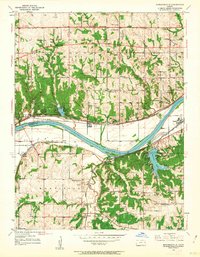 1950 Edwardsville1963 Print · USGSThe Kansas River valley in the early fifties shows a bustling corridor of rail-and-river transit. Local historians can trace family roots at Edwardsville Cem or find early schools like Virginia Sch and Timmons Sch.3 unique versions available
 - 1950 Map of Bonner Springs, 1968 Print
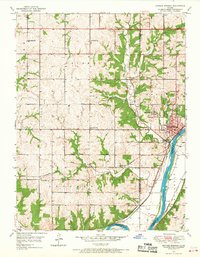 1950 Bonner Springs1968 Print · USGSBonner Springs and the surrounding river bluffs are captured here at the start of the 1950s. Genealogists can locate family landmarks like Riverview Cem and Lenape Cem, or trace numerous local schoolhouses such as Twist Sch and Elm Grove Sch.4 unique versions available
 - 1951 Map of Edwardsville
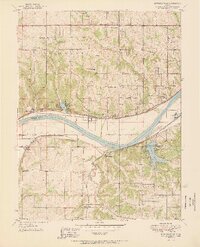 1951 Edwardsville1951 Print · USGSIn the early 1950s, the Kansas River valley supported a dense network of river-towns and railroads before widespread suburbanization. Genealogists can trace early homesteads and landmarks like Grinter Heights, Edwardsville Cem, and rural schools from Mission Sch to Zarah.2 unique versions available
 - 1951 Map of Parkville
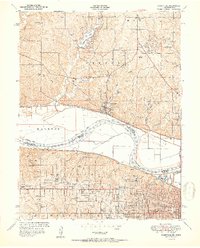 1951 Parkville1951 Print · USGSMid-century development straddles the Missouri River between Platte and Wyandotte counties as suburban growth reaches the river bluffs. Researchers can trace historic institutions like Park College and Western University alongside many local burial grounds like St Marys Cemetery.2 unique versions available
 - 1951 Map of Wolcott
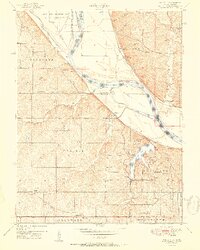 1951 Wolcott1951 Print · USGSThe Missouri River bottoms and Kansas bluffs come into focus in the early 1950s, showing a landscape of river bends and rural crossroads. Genealogists can trace family landmarks like the Dungan Cemetery or historic schools including Pleasant Ridge School and District No 45 School.
 - 1951 Map of North Kansas City
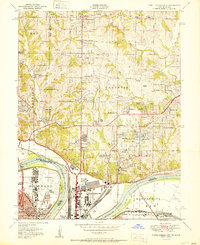 1951 North Kansas City1951 Print · USGSThe Kansas City riverfront was a bustling hub of rail and aviation activity in the early fifties. Genealogists and local historians can trace family roots through landmarks like Quindaro, the Dunbar School, and the historic Antioch Church.2 unique versions available
Showing maps 1-25 of 86
Top cities near Kansas City
- Kansas City historical maps
- Overland Park historical maps
- Olathe historical maps
- Shawnee historical maps
- Lenexa historical maps
- Leavenworth historical maps
See more
Top neighborhoods of Kansas City
- Maywood historical maps
- Grays Park historical maps
- Vinewood historical maps
- Wallula historical maps
- Fairfax historical maps
- Village West historical maps
See more
Frequently asked questions
- What are the different types of historical maps available for Kansas City?
- What is the oldest map of Kansas City?
- Where can I purchase historical maps of Kansas City for my home or office?
- Where can I download high-res historical maps of Kansas City?
- Are there historical topographic maps available for Kansas City?
- Is there historical aerial imagery available for Kansas City?
- Where are historical maps of Kansas City sourced from?