Old Maps of Thornhill, Kentucky for Academic Research
Study the evolution of Thornhill with 28 high-resolution historic maps. Whether you're teaching, researching, or modeling changes in land use, these maps provide essential visual documentation of urban, environmental, and geographic change.
- Analyze long-term change: Track patterns in development, transportation, and natural features.
- Ideal for environmental or urban studies: Support academic projects with primary historical map data.
- Use in the classroom or lab: Educators and researchers rely on these maps to bring historical context to life.
These maps are a powerful tool for teaching, research, and visualizing how Thornhill has changed over the decades.
Thornhill, KY maps
(28)- 1905 Map of Prospect, 1962 Print
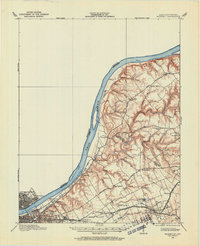 1905 Prospect1962 Print · USGSThe Ohio River corridor north of Louisville comes alive in the early 1900s, showing a landscape of river landings and new electric railways. Researchers can find old landmarks like the Lakeland Asylum, the Kentucky Military Institute, and the Antioch Church.
 - 1912 Map of Prospect
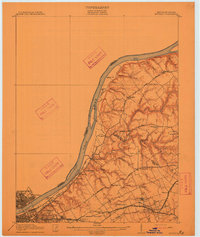 1912 Prospect1912 Print · USGSThe northeastern outskirts of Louisville and the riverbanks of the Ohio River appear here in the early twentieth century. Researchers can trace the development of suburban settlements like Anchorage and St Matthews or locate the sprawling grounds of the Lakeland Asylum.3 unique versions available
 - 1937 Map of Jeffersonville
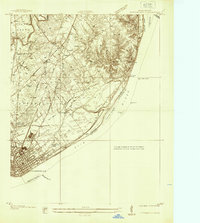 1937 Jeffersonville1937 Print · USGSJeffersonville and the northern banks of the Ohio River appear here in the late 1930s, documenting a landscape shaped by early industry and river trade. Researchers can trace the path of the Indiana Railroad (Electric Line) and locate landmarks like Asbury Chapel and Walnut Ridge Cemetery.
 - 1946 Map of Jeffersonville
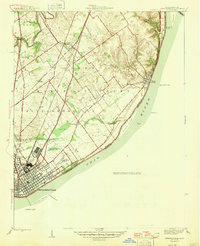 1946 Jeffersonville1946 Print · USGSSouthern Indiana sits at a crossroads of river and rail during the mid-1940s, as the industrial grid of Jeffersonville meets the rural Clark Military Grant. Researchers can trace family roots at Walnut Ridge Cem or locate vanished schoolhouses like Lane Sch and Middle Road Sch.2 unique versions available
 - 1951 Map of Anchorage
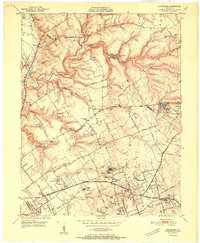 1951 Anchorage1951 Print · USGSJefferson and Oldham Counties appear here in the early fifties, showing a landscape defined by institutional campuses and rail-centered towns. Genealogists and historians can trace Ormsby Village, Berrytown, and the Kentucky Military Institute along the Louisville and Nashville Railroad.
 - 1951 Map of Jeffersonville
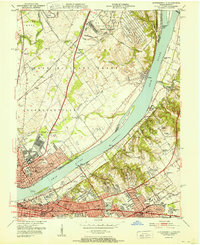 1951 Jeffersonville1951 Print · USGSThe Ohio River corridor near the Falls was a bustling hub of mid-century industry and suburban growth just after the war. Local historians can trace the footprints of the Indiana Arsenal, the Big Four RR Bridge, and old family landmarks from Claysburg to St Matthews.
 - 1955 Map of Anchorage, 1956 Print
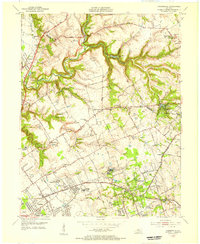 1955 Anchorage1956 Print · USGSEastern Jefferson County and the edge of Oldham County appear in the mid-fifties as a region of institutional campuses and established towns. Genealogists can trace family roots through Anchorage, Lyndon, and Griffytown, or locate landmarks like Central State Hospital and St Thomas Seminary.
 - 1955 Map of Jeffersonville, 1957 Print
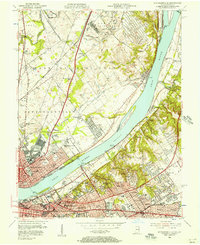 1955 Jeffersonville1957 Print · USGSIn the mid-fifties, the riverfronts of Jeffersonville and Louisville were hubs of industry and suburban expansion. Researchers can trace family sites from Asbury Chapel to the Zachary Taylor National Cemetery, alongside the massive Indiana Arsenal.
 - 1956 Map of Louisville, 1971 Print
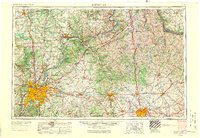 1956 Louisville1971 Print · USGSThe Ohio River valley and the Kentucky Bluegrass are captured here during a period of rapid mid-century growth and industrial activity. Genealogists and historians can trace rail-centered towns and military land use at Fort Knox and the Jefferson Proving Ground.2 unique versions available
 - 1960 Map of Anchorage, 1961 Print
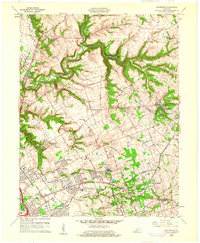 1960 Anchorage1961 Print · USGSEastern Jefferson County is shown at a peak of institutional and suburban growth in the early sixties. Genealogists and historians can trace family locations near the Kentucky Military Institute, Anchorage, and Ormsby Village.
 - 1960 Map of Jeffersonville, 1961 Print
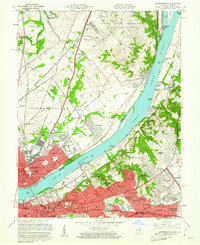 1960 Jeffersonville1961 Print · USGSJeffersonville and Louisville are shown at a peak of mid-century growth as the river-and-rail economy defined the border between Indiana and Kentucky. Researchers can trace historic institutions and transport hubs, including the Zachary Taylor National Cemetery, the Indiana Arsenal, and the State Railway Museum.
 - 1964 Map of Louisville
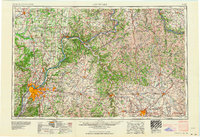 1964 Louisville1964 Print · USGSThe Ohio River valley and Kentucky Bluegrass are captured in the mid-1960s, showing a region balanced between industrial growth and its agrarian roots. Genealogists and historians can trace the development of county seats like Shelbyville and Paris, or locate established institutions such as Georgetown College and Bernheim Forest.
 - 1965 Map of Anchorage, 1966 Print
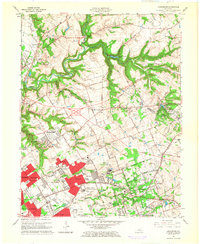 1965 Anchorage1966 Print · USGSEastern Jefferson County was undergoing a major residential and institutional transition in the mid-sixties. Researchers can trace the grounds of the Ormsby Village State Reservation, the Kentucky Military Institute, and the rail lines through Anchorage.2 unique versions available
 - 1965 Map of Jeffersonville, 1966 Print
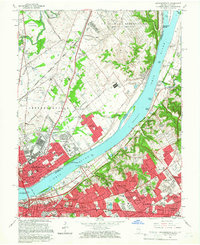 1965 Jeffersonville1966 Print · USGSThe riverfronts of southern Indiana and northern Kentucky are captured here in the mid-sixties, a period of significant suburban expansion. Researchers can trace historic sites like the Locust Grove Historical Home, Zachary Taylor National Cemetery, and the State Railway Museum.2 unique versions available
 - 1981 Map of Anchorage, 1982 Print
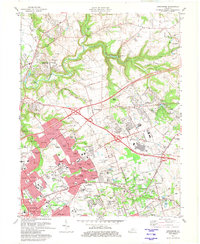 1981 Anchorage1982 Print · USGSSuburban Jefferson County comes into focus in the early eighties as highway expansion reshapes traditional neighborhoods. Genealogists and local historians can trace the footprint of Central State Hospital, the Kentucky Railway Museum, and settlements like Berrytown and O'Bannon.2 unique versions available
 - 1982 Map of Jeffersonville
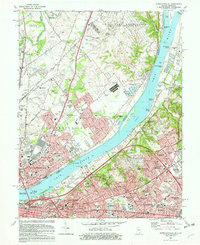 1982 Jeffersonville1982 Print · USGSThe Ohio River corridor flourished in the early eighties as a hub of military industry and suburban expansion. Genealogists and historians can locate burials at Zachary Taylor National Cem or trace the early footprints of St Matthews and Oak Park.2 unique versions available
 - 1986 Map of Louisville
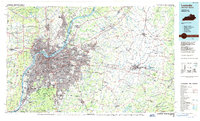 1986 Louisville1986 Print · USGSMid-1980s Louisville and southern Indiana are shown here during a decade of significant suburban growth and infrastructure development. Researchers can trace the layout of Cave Hill Cemetery, the expansion of Standiford Field, and industrial sites like the Indiana Army Ammunition Plant.2 unique versions available
 - 1993 Map of Jeffersonville, 1995 Print
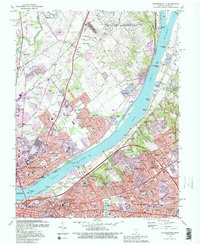 1993 Jeffersonville1995 Print · USGSThe riverfront between Indiana and Kentucky thrived in the early nineties as industry and suburbs expanded alongside historic cemeteries. Trace family roots and local growth through landmarks like the Zachary Taylor National Cem, the Big Four Bridge, and the Kentucky Railway Museum.2 unique versions available
 - 2010 Map of Anchorage, 2010 Print
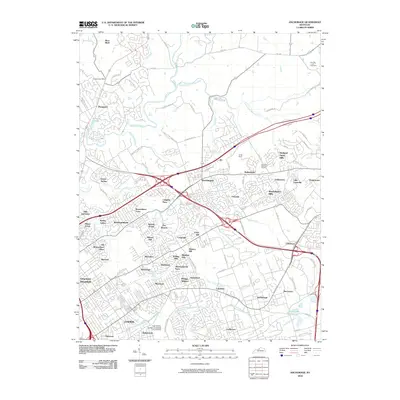 2010 Anchorage2010 Print · USGSNortheastern Jefferson County shows a dense network of suburban growth and historic enclaves during the early twenty-first century. Researchers can trace family-named landmarks and local sites like Harrods Creek Cemetery, Old Brownsboro Place, and the historic Berrytown area.
 - 2010 Map of Jeffersonville, 2010 Print
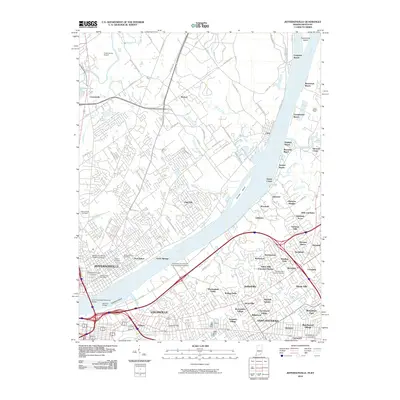 2010 Jeffersonville2010 Print · USGSThe Ohio River valley at the turn of the decade shows the dense metropolitan connection between Jeffersonville, Indiana, and Louisville, Kentucky. Researchers can locate significant sites like the Zachary Taylor National Cemetery, Clark County Airport, and the riverfront communities of Transylvania Beach and Utica.
 - 2013 Map of Anchorage, 2013 Print
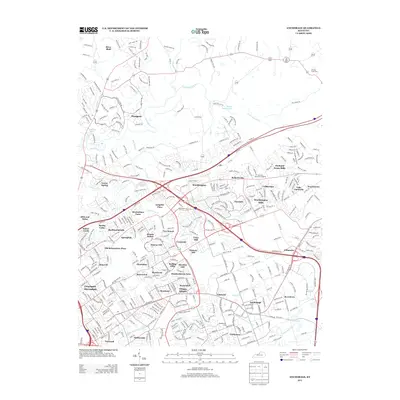 2013 Anchorage2013 Print · USGSThe suburban landscape northeast of Louisville is shown here in the early twenty-first century as established residential enclaves continued to grow. Genealogists and local historians can trace family locations near Anchorage, Berrytown, and the Harrods Creek Cemetery.
 - 2013 Map of Jeffersonville, 2013 Print
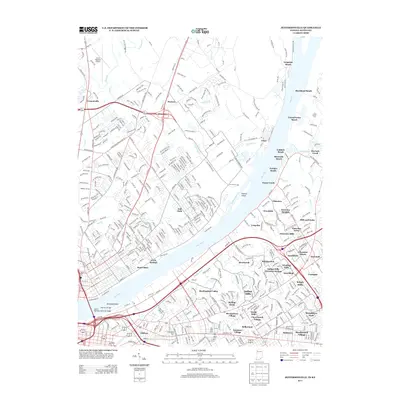 2013 Jeffersonville2013 Print · USGSThe Ohio River corridor comes alive in the early twenty-first century, showing the dense suburban development connecting Indiana and Kentucky. Researchers can trace neighborhood evolutions in Indian Hills and find riverfront landmarks like Transylvania Beach and the Big Four Bridge.
 - 2016 Map of Anchorage, 2016 Print
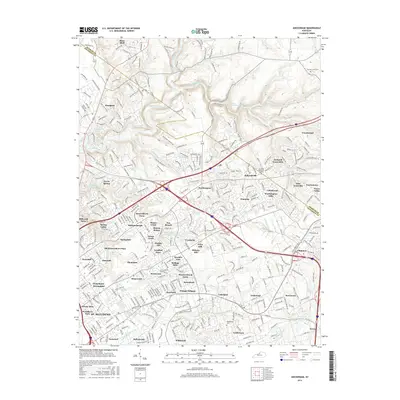 2016 Anchorage2016 Print · USGSThe Jefferson and Oldham County line comes alive in the mid-2010s, showcasing the suburban evolution of Pewee Valley and Prospect. Genealogists and local historians can trace family locations near the Middletown Cemetery and the settlement of O'Bannon.
 - 2016 Map of Jeffersonville, 2016 Print
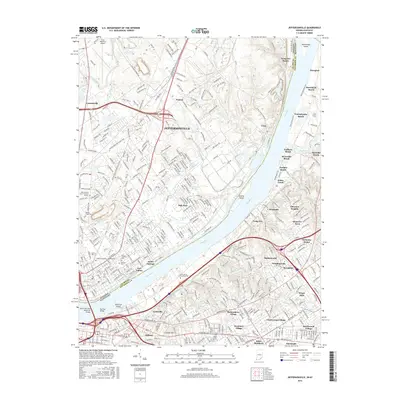 2016 Jeffersonville2016 Print · USGSGreater Louisville and Jeffersonville sit at a modern crossroads of river and rail during this late-2010s survey. Trace the evolution of neighborhoods from Port Fulton and Oak Park to the riverfront reaches of Transylvania Beach and Goose Creek.
 - 2019 Map of Anchorage, 2019 Print
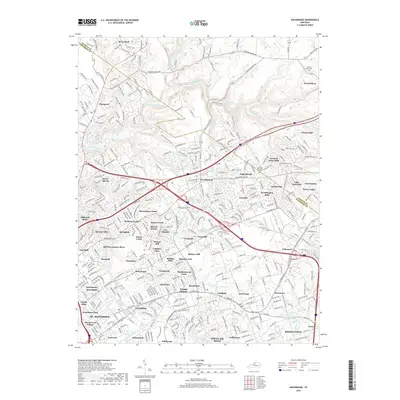 2019 Anchorage2019 Print · USGSThe eastern Louisville suburbs and the rolling hills of Oldham County are shown here in recent detail as modern communities expand along the Harrods Creek corridor. Researchers can identify family landmarks and historic sites like Harrods Creek Cemetery, Ballardsville Church, and the CSX TRANSPORTATION rail line.
Showing maps 1-25 of 28
Top cities near Thornhill
- Louisville historical maps
- Jeffersonville historical maps
- New Albany historical maps
- Jeffersontown historical maps
- Clarksville historical maps
- Shively historical maps
See more
Frequently asked questions
- What are the different types of historical maps available for Thornhill?
- What is the oldest map of Thornhill?
- Where can I purchase historical maps of Thornhill for my home or office?
- Where can I download high-res historical maps of Thornhill?
- Are there historical topographic maps available for Thornhill?
- Is there historical aerial imagery available for Thornhill?
- Where are historical maps of Thornhill sourced from?