Old Maps of Acadia Parish, Louisiana for Metal Detecting
Plan your next treasure hunt with 158 historic maps of Acadia Parish. Find old homesites, ghost towns, trails, and gathering spots that may be lost to time — perfect for identifying promising metal detecting locations.
- Locate forgotten sites: Uncover places like long-lost settlements, abandoned rail lines, or gathering spots.
- Plan better hunts: Use map overlays combined with LiDAR or satellite views to narrow in on historically rich areas.
- Made for detectorists: Thousands of hobbyists use these maps to discover relics, coins, and hidden history.
Use these historic maps to boost your research and find new opportunities beneath the surface of Acadia Parish.
Acadia Parish, LA maps
(158)- 1934 Map of Duson
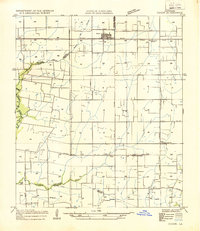 1934 Duson1934 Print · USGSDuson and the surrounding Acadia and Lafayette Parish borderlands are captured here in the mid-1930s. Genealogists and local historians can trace the foundations of these communities through landmarks like Sts Peter and Paul Ch, Judice High Sch, and the Indian Bayou Cem.
 - 1935 Map of Branch
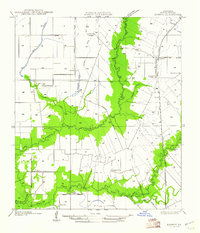 1935 Branch1935 Print · USGSAcadia Parish life in the mid-thirties is documented here through its rural schools, parish churches, and Bayou-side homesteads. Researchers can locate family landmarks like Lower Roberts Cove, Hanks Cem, and the Maryland Chapel along the Texas and Pacific rail line.
 - 1946 Map of Morse
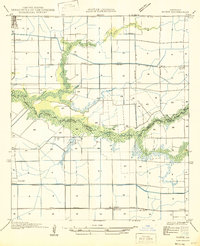 1946 Morse1946 Print · USGSCoastal Louisiana at the end of the Second World War reveals a landscape defined by its bayous and early irrigation networks. Genealogists and researchers can locate old rail stops like Haire Sta and settlements such as Morse, Gueydan, and Lyons Point.
 - 1946 Map of Lake Arthur
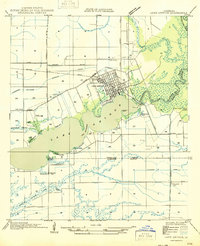 1946 Lake Arthur1946 Print · USGSLake Arthur and its surrounding marshlands are shown here in the mid-forties during a period of steady coastal development. Researchers can trace family sites near St Theresa Ch, locate the Andress Gate Cem, or follow the path of the Southern Pacific railroad.
 - 1946 Map of Mermentau
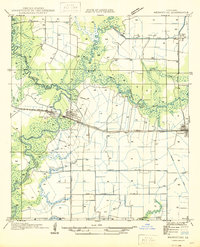 1946 Mermentau1946 Print · USGSAcadia Parish in the mid-1940s centers on the critical rail and water junction at the Mermentau river crossing. Genealogists and local historians can trace family locations near Quibodeau Cem, the Sand Mill, and the rail stops at Midland or Egan.
 - 1946 Map of Kaplan
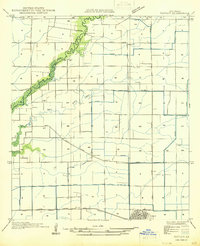 1946 Kaplan1946 Print · USGSVermilion and Acadia Parishes come to life in the mid-1940s as the rice-farming landscape of southwest Louisiana expands. Trace the early streets of Kaplan, the Southern Pacific rail line, and rural landmarks like the Apshire Cem and Leleux.
 - 1946 Map of Rayne
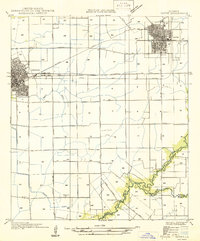 1946 Rayne1946 Print · USGSAcadia Parish at the close of the Second World War shows a landscape shaped by rail lines and irrigation canals. Genealogists and local researchers can locate old community centers like Ebenezer Sch and Hebron Ch, or trace the winding parish boundaries along Bayou Queue De Tortue.
 - 1946 Map of Jennings
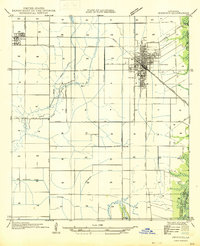 1946 Jennings1946 Print · USGSJefferson Davis Parish is documented here shortly after the war, showing the well-defined street layouts of Jennings and Roanoke. Genealogists and historians can trace property lines alongside the Southern Pacific railroad or follow the essential drainage of Sturdivant Canal.
 - 1947 Map of Evangeline
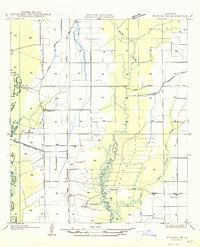 1947 Evangeline1947 Print · USGSAcadia Parish and the Jefferson Davis Parish border are captured mid-century during a period of massive agricultural irrigation development. Genealogists and historians can trace family locations near Evangeline, St Josephs Ch, and the Riverside Cem.
 - 1947 Map of Branch
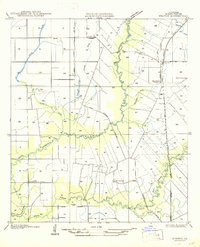 1947 Branch1947 Print · USGSAcadia Parish in the mid-1940s is shown here as a landscape of winding bayous and rural rail stops. Researchers can trace family sites like Lower Roberts Cove and locate community landmarks including Black Sch and Maryland Chapel.
 - 1947 Map of Elton
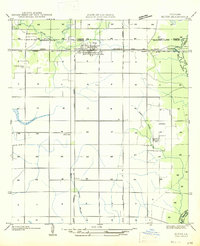 1947 Elton1947 Print · USGSJefferson Davis Parish was a landscape of rail-dependent farming communities in the late 1940s. Genealogists and local historians can locate rural landmarks such as China Cem, Fusilier Sch, and the small settlement of Wilburton.
 - 1947 Map of Eunice
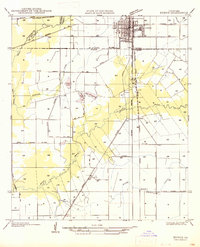 1947 Eunice1947 Print · USGSThe rail-and-bayou landscape of south Louisiana comes alive in the mid-1940s, centered on the growing town of Eunice. Local researchers can trace family roots through rural landmarks like Bozyone Sch and the smaller settlements of Mowata and Amy.
 - 1947 Map of Hathaway
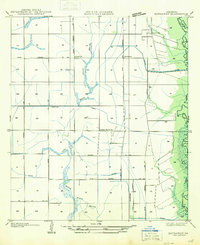 1947 Hathaway1947 Print · USGSJefferson Davis Parish in the late 1940s reveals a specialized landscape of rice farming and rural crossroads. Genealogists and researchers can trace old school sites like Grand Marais Sch and the community layouts of Hathaway and Raymond.
 - 1947 Map of Iota
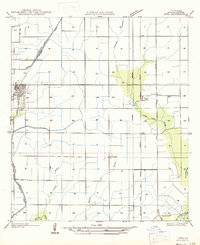 1947 Iota1947 Print · USGSAcadia Parish at the height of its mid-century agricultural development reveals a landscape defined by rice irrigation and rail transport. Genealogists and local historians can trace family locations near McCain Cem, the village of Iota, and the stops along the Southern Pacific railroad.
 - 1947 Map of Pitreville
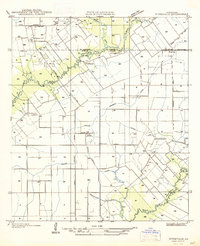 1947 Pitreville1947 Print · USGSLouisiana's Acadia and St. Landry parishes are captured here in the mid-1940s, showing a rural landscape shaped by winding bayous and early highways. Genealogists and local historians can locate family landmarks like Courville Cem, Hundley Sch, and the Acadia Academy.
 - 1947 Map of Basile
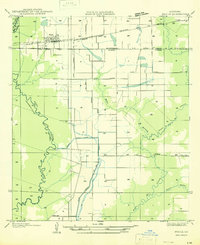 1947 Basile1947 Print · USGSBasile and the surrounding Louisiana prairie are captured here in the late 1940s as the region's agricultural and rail networks were fully established. Researchers can trace family sites near Reed Cem and St Monica Ch, or follow the industrial waterworks of the Mamou Canal.
 - 1949 Map of Gueydan
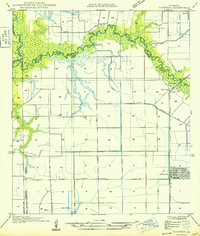 1949 Gueydan1949 Print · USGSThe coastal prairies of Vermilion Parish meet the bayous of Acadia in the late 1940s. Genealogists can locate the Legia Cem and trace the Southern Pacific rail line through Riceville and into the streets of Gueydan.
 - 1949 Map of Estherwood
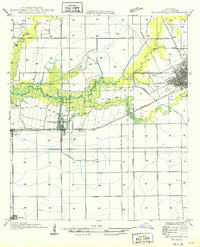 1949 Estherwood1949 Print · USGSAcadia Parish in the late 1940s reveals a landscape defined by industrial rice farming and rail-line commerce. Genealogists and historians can trace the growth of Crowley, the Tartue Siding, and the irrigation network of Estherwood Canal.
 - 1949 Map of Basile
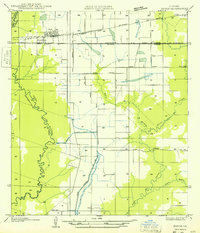 1949 Basile1949 Print · USGSLouisiana's prairie and bayou country meet in the late 1940s at the junction of four different parishes. Researchers can trace the family landmarks of this agricultural landscape, from the Reed Cem and St Monica Ch to the remote Kaplan Pump Sta.
 - 1952 Map of Lake Charles
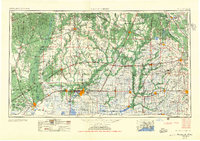 1952 Lake Charles1952 Print · USGSSouthwest Louisiana is captured here in the mid-fifties, showing a landscape defined by the rise of the petrochemical industry and deep-water navigation. Researchers can trace family roots through numerous small-town settlements and oil developments like Nibletts Bluff, the Lockport Oil Field, and Starks.
 - 1954 Map of Duson
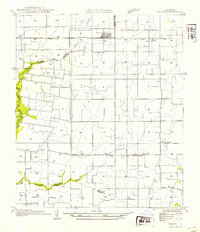 1954 Duson1954 Print · USGSDuson and the surrounding Acadiana prairie are captured here in the mid-1950s as a landscape of small settlements and irrigation networks. Researchers can trace local genealogy through landmarks like Indian Bayou High Sch, Kimbal Chapel, and the community of Indian.
 - 1954 Map of Rayne
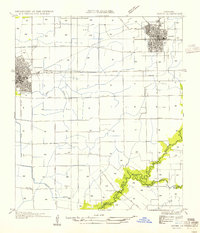 1954 Rayne1954 Print · USGSAcadia Parish in the mid-fifties is captured here as a landscape of productive prairie and vital rail corridors. Genealogists and local historians can trace the rural layout of Ebenezer Sch and Hebron Ch, or follow the winding Bayou Queue de Tortue as it meanders past Faulk Bridge.
 - 1954 Map of Jennings
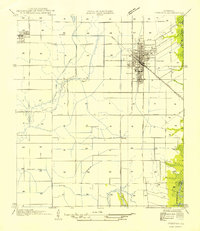 1954 Jennings1954 Print · USGSJefferson Davis Parish in the mid-1930s shows a landscape of growing towns and extensive irrigation networks. Genealogists and historians can trace the early footprints of Jennings and Roanoke alongside vital waterways like Bayou Nezpique and the Sturdivant Canal.
 - 1954 Map of Mermentau
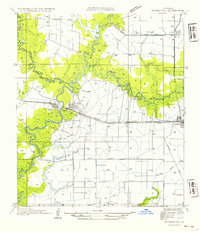 1954 Mermentau1954 Print · USGSLouisiana's southwestern parishes are documented here during the mid-1930s as the river-and-rail economy thrived. Researchers can locate family landmarks like Quibodeau Cem or trace the early paths of US Highway No 90 and the Southern Pacific railroad through Mermentau.
 - 1954 Map of Morse
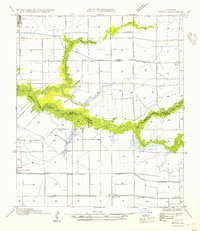 1954 Morse1954 Print · USGSCoastal prairie life in the mid-1950s is defined by the railroad and the complex irrigation systems of Acadiana. Genealogists and historians can trace rail stops like Haire Sta and early settlements such as Morse or Lyons Point.
Showing maps 1-25 of 158
Top cities of Acadia Parish
- Crowley historical maps
- Rayne historical maps
- Church Point historical maps
- Iota historical maps
- Estherwood historical maps
- Mermentau historical maps
See more
Frequently asked questions
- What are the different types of historical maps available for Acadia Parish?
- What is the oldest map of Acadia Parish?
- Where can I purchase historical maps of Acadia Parish for my home or office?
- Where can I download high-res historical maps of Acadia Parish?
- Are there historical topographic maps available for Acadia Parish?
- Is there historical aerial imagery available for Acadia Parish?
- Where are historical maps of Acadia Parish sourced from?