Old Maps of Ballina, Louisiana for Hiking & Exploration
Hike through history with 13 historic maps of Ballina. Explore old trails, ghost towns, and forgotten backroads — perfect for outdoor adventurers and local explorers.
- Rediscover forgotten places: Map out old mining camps, roads, and footpaths that no longer exist on modern maps.
- Layer with modern tools: Combine with LiDAR or satellite views to plan hikes through historical terrain.
- Made for exploration: Popular among hikers, overlanders, and local history lovers.
Use these maps to find adventure and explore the hidden past of Ballina.
Ballina, LA maps
(13)- 1939 Map of Red Gum, 1941 Print
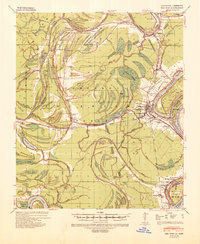 1939 Red Gum1941 Print · USGSConcordia Parish sits at a vital rail and river junction during the late thirties. Researchers can locate numerous historic landings and community pillars like the Rosenwald Sch, New St John Ch, and the crossroads at Ferriday.2 unique versions available
 - 1953 Map of Natchez, 1966 Print
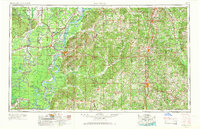 1953 Natchez1966 Print · USGSSouthwest Mississippi and the Louisiana border country come alive in this mid-century survey of the river valley and forest lands. Researchers can trace the rail lines of the Illinois Central RR and locate rural hubs like Gloster and Ferriday.3 unique versions available
 - 1956 Map of Natchez
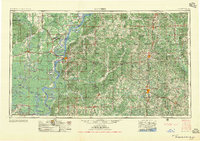 1956 Natchez1956 Print · USGSThe Mississippi River borderlands and the Pine Hills come alive in this mid-fifties study of the Natchez region. Genealogists and historians can trace rail-era towns along the Illinois Central RR and explore the oxbows of Lake Bruin and Lake Concordia.
 - 1959 Map of Natchez
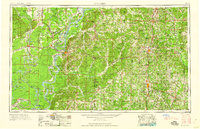 1959 Natchez1959 Print · USGSSouthwestern Mississippi and eastern Louisiana are captured in the late fifties, showing a landscape defined by the winding Mississippi River and the timbered Homochitto National Forest. Researchers can trace the sprawling Illinois Central RR and find rural landmarks like Union Church and Camp Van Dorn (Abandoned).
 - 1961 Map of Ferriday, 1962 Print
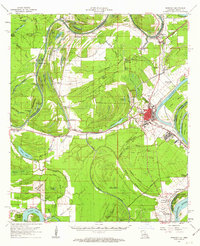 1961 Ferriday1962 Print · USGSConcordia Parish and the Mississippi River bottomlands are captured here in the early sixties, showing a landscape of bayous and rail towns. Researchers can locate many rural landmarks including St Peters Ch, Sevier High Sch, and family sites near Clayton and Frogmore.2 unique versions available
 - 1983 Map of Dunbarton, 1984 Print
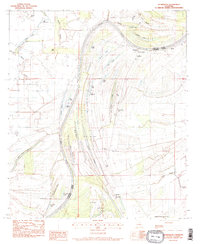 1983 Dunbarton1984 Print · USGSConcordia and Catahoula Parishes are revealed in the early 1980s as a landscape of river meanders and historic plantations. Researchers can trace family sites at Haphazard Plantation, visit Cypress Grove Cem, and locate the Frogmore Oil Field.
 - 1984 Map of Natchez
 1984 Natchez1984 Print · USGSThe Mississippi-Louisiana borderlands in the mid-eighties show a landscape defined by the winding Mississippi River and its rail networks. Trace family history at the Natchez National Cemetery or explore the river towns of Vidalia and Ferriday.
 - 1991 Map of Natchez, 1992 Print
 1991 Natchez1992 Print · USGSThe Mississippi River valley at the turn of the nineties reveals a landscape of oxbow lakes, river landings, and bustling bluff-top towns. Genealogists and historians can trace the rail corridors of the Illinois Central Gulf Railroad through Fayette or locate family roots in riverside settlements like Waterproof and St Joseph.
 - 2012 Map of Dunbarton, 2012 Print
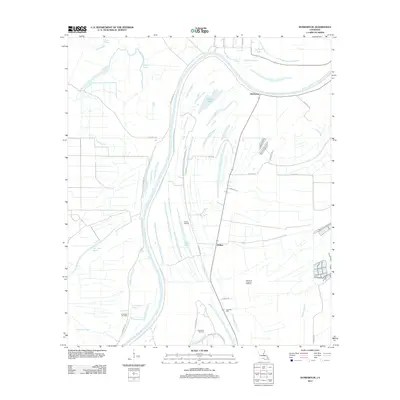 2012 Dunbarton2012 Print · USGSThe alluvial plains of Concordia Parish appear here in the early 21st century as a landscape defined by water and industry. Genealogists and researchers can trace the Ballina Oil Field, find the Eva Dale Cem, and map the banks of the Tensas River.
 - 2015 Map of Dunbarton, 2015 Print
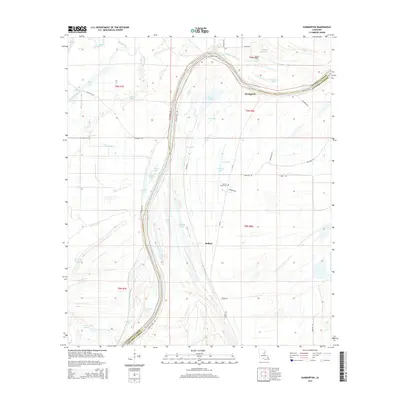 2015 Dunbarton2015 Print · USGSThe alluvial wetlands of Concordia and Catahoula Parishes are captured here in the mid-2010s, showing a landscape shaped by the Tensas River. Genealogists can locate family landmarks such as Cypress Grove Cem and Eva Dale Cem near the settlements of Dunbarton and Ballina.
 - 2018 Map of Dunbarton, 2018 Print
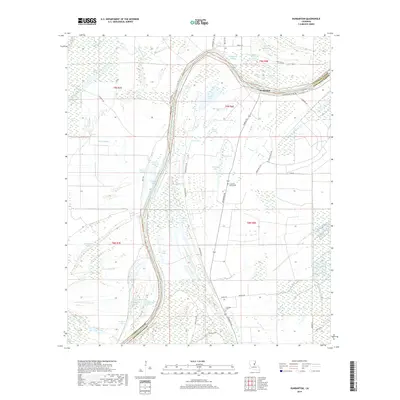 2018 Dunbarton2018 Print · USGSThe Louisiana wetlands along the Tensas River were undergoing modern mapping in the late twenty-teens as agriculture and nature intersected. Genealogists and local historians can trace rural landmarks like Cypress Grove Cem, Eva Dale Cem, and the settlement of Dunbarton.
 - 2020 Map of Dunbarton, 2020 Print
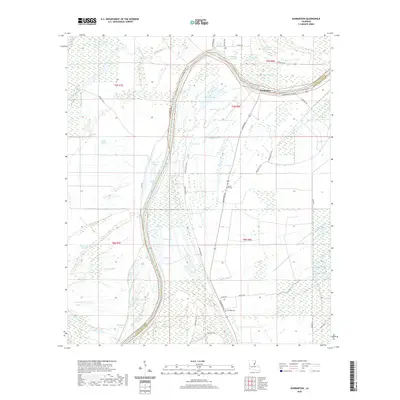 2020 Dunbarton2020 Print · USGSThe Louisiana delta along the Tensas River is captured here in the contemporary era, showing a landscape of bayous and cypress brakes. Genealogists and local historians can locate Cypress Grove Cem, Eva Dale Cem, and the riverfront settlement of Dunbarton.
 - 2024 Map of Dunbarton, 2024 Print
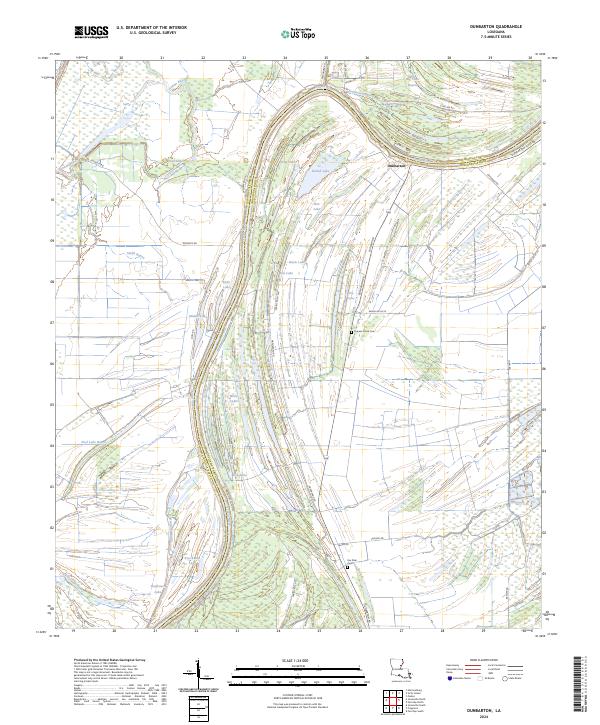 2024 Dunbarton2024 Print · USGSConcordia Parish in the early 2020s remains a landscape defined by the winding Tensas River and its labyrinth of bayous. Genealogists and local historians can locate rural landmarks like Cypress Grove Cem, the settlement of Dunbarton, and Knockanot Lake.
End of results
Showing maps 1-13 of 13
Top cities near Ballina
- Vidalia historical maps
- Ferriday historical maps
- Jonesville historical maps
- Harrisonburg historical maps
- Ridgecrest historical maps
- Clayton historical maps
See more
Frequently asked questions
- What are the different types of historical maps available for Ballina?
- What is the oldest map of Ballina?
- Where can I purchase historical maps of Ballina for my home or office?
- Where can I download high-res historical maps of Ballina?
- Are there historical topographic maps available for Ballina?
- Is there historical aerial imagery available for Ballina?
- Where are historical maps of Ballina sourced from?