Old Maps of Livingston, Louisiana for Genealogy
Trace your family roots with 47 historic maps of Livingston. These high-res maps reveal old neighborhoods, homesites, landmarks, and streets — helping you uncover where your ancestors lived and how the area evolved over time.
- Explore historic neighborhoods: Identify where your relatives may have lived in the 1800s or 1900s.
- Compare maps over time: Trace the changes in streets, buildings, and landmarks for multi-generational research.
- Perfect for genealogy & ancestry research: Used by family historians and researchers to map out lineage and migration.
These maps are an incredible resource for exploring your personal connection to Livingston's past.
Livingston, LA maps
(47)- 1934 Map of Denham Springs
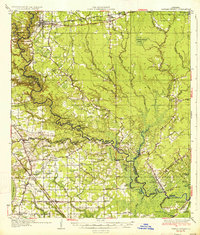 1934 Denham Springs1934 Print · USGSLouisiana's river parishes come to life in the early 1930s as settlement spreads from the railroads into the bayous. Genealogists can trace family names at Broussard Grove Ch, locate the Rosenwald Sch, or find the old French Settlement Ferry crossing.2 unique versions available
 - 1934 Map of Springfield
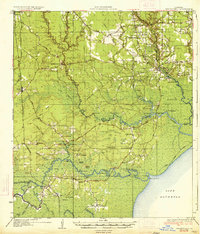 1934 Springfield1934 Print · USGSLivingston Parish in the early 1930s is a landscape of complex waterways and small riverfront settlements. Genealogists can trace family roots through sites like Davidson Cem, the Hungarian Sch, and many historic landings including Magnolia Ldg.2 unique versions available
 - 1939 Map of Springfield
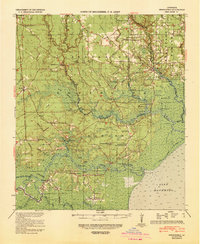 1939 Springfield1939 Print · USGSCoastal Louisiana at the end of the Depression era reveals a world of river landings and remote parish settlements. Genealogists and researchers can locate family sites like Davidson Cem, local schools such as Hungarian Sch, and numerous river points including Warsaw Log.2 unique versions available
 - 1939 Map of Denham Springs, 1942 Print
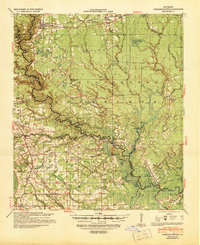 1939 Denham Springs1942 Print · USGSLouisiana's river country comes alive in this pre-war survey of the Amite River basin during its transition to the modern highway era. Researchers can locate family roots at St Josephs Ch & Cem, track the old French Settlement Ferry, or find the Hoo Shoo Too Club.2 unique versions available
 - 1942 Map of Satsuma
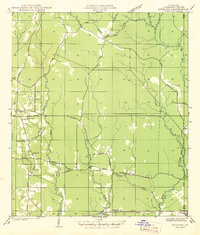 1942 Satsuma1942 Print · USGSLivingston Parish at the start of the 1940s reveals a rural landscape defined by logging, rail, and small-town life. Genealogists can locate family landmarks like Vickers Cem and Mangum Chapel or trace the early paths of Friendship and Satsuma.
 - 1950 Map of Doyle
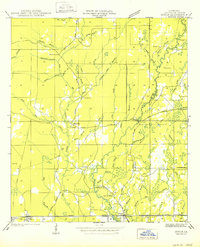 1950 Doyle1950 Print · USGSLivingston Parish at the start of the 1940s is shown here as a landscape of rail-side towns and rural creek-bottom settlements. Genealogists can locate family burial sites like Stafford Cem and Lard Cem or trace the early path of the Illinois Central Railroad through Holden.
 - 1953 Map of Walker, 1954 Print
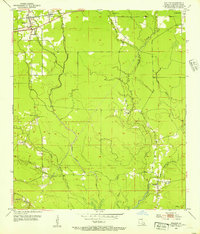 1953 Walker1954 Print · USGSLivingston Parish in the early fifties is defined by the Illinois Central rail line and the sprawling Colyell Creek drainage system. Genealogists and local historians can locate the Petes Rest Cem, the Walker Lookout Tower, and the Frost Sch.2 unique versions available
 - 1953 Map of Satsuma, 1954 Print
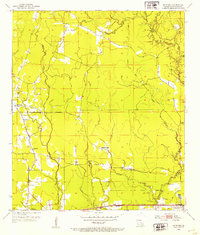 1953 Satsuma1954 Print · USGSLivingston Parish in the early fifties shows a rural landscape defined by the Illinois Central railroad and winding creek bottoms. Genealogists can locate family landmarks like S Stafford Cem, Judson Ch, and the Vickers Cem near the town of Walker.2 unique versions available
 - 1954 Map of Baton Rouge, 1974 Print
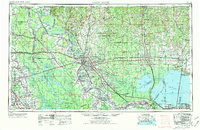 1954 Baton Rouge1974 Print · USGSSoutheast Louisiana in the mid-fifties is captured here during a period of transition for its river and rail economies. Researchers can trace the path of the Mississippi River and find landmarks like the Bonnet Carre Spillway and Bayou Plaquemine.2 unique versions available
 - 1956 Map of Baton Rouge
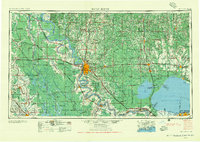 1956 Baton Rouge1956 Print · USGSSouth Louisiana at the height of the mid-century oil boom shows a landscape of river oxbows and rising industry. Researchers can trace family roots through river towns like Scotlandville or locate early industrial sites and Oil wells near Lake Maurepas.
 - 1958 Map of Pine Grove, 1959 Print
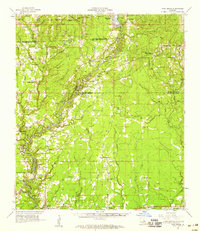 1958 Pine Grove1959 Print · USGSLouisiana's river-bottom parishes are shown here in the late fifties, when small timber and rail-stop communities still defined the rural landscape. Genealogists and researchers can trace lineage through dozens of local sites like Judson Ch Cem, Pride Chapel, and the vanished tracks of the Old Railroad Grade.3 unique versions available
 - 1959 Map of Amite, 1960 Print
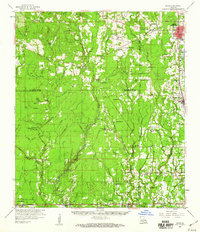 1959 Amite1960 Print · USGSSoutheastern Louisiana parishes in the late fifties show a landscape of river-fed bottomlands and rail-centered towns. Genealogists can trace family lines at Leonard Chapel Cems, Gatlin Cem, and the St John the Baptist Chapel.3 unique versions available
 - 1961 Map of Baton Rouge, 1966 Print
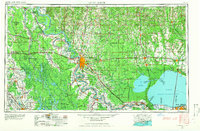 1961 Baton Rouge1966 Print · USGSSoutheastern Louisiana in the early sixties remains a landscape of deep river bends and sprawling coastal lakes. Genealogists and historians can trace the rail-and-river economy through landmarks like Free-Nigger Point, Donaldsonville, and the Illinois Central Railroad.
 - 1962 Map of Baton Rouge
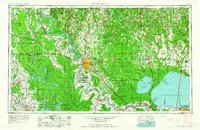 1962 Baton Rouge1962 Print · USGSSouth Louisiana in the early sixties reveals a landscape of river-bend parishes and emerging interstate corridors. Genealogists and historians can trace family roots through historic river towns like Donaldsonville and Plaquemine, or follow the path of the Illinois Central Railroad through the swamp basins.
 - 1962 Map of Walker, 1964 Print
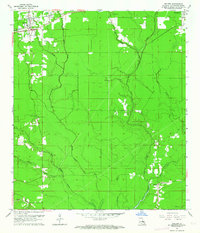 1962 Walker1964 Print · USGSLivingston Parish comes into focus in the early sixties as the railroad corridor through Walker and Corbin anchors the rural landscape. Researchers can pinpoint early landmarks like the Walker Lookout Tower and family burial sites such as Petes Rest Cem.4 unique versions available
 - 1963 Map of Frost, 1964 Print
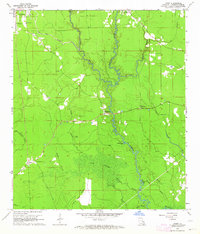 1963 Frost1964 Print · USGSLivingston Parish in the early sixties is characterized by its winding waterways and scattered timberland settlements. Genealogists and local historians can trace family roots through sites like Zeigler Cem or locate former landmarks such as the Springville Lookout Tower.3 unique versions available
 - 1963 Map of Denham Springs, 1967 Print
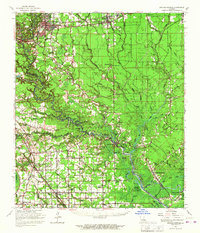 1963 Denham Springs1967 Print · USGSLouisiana's river-and-bayou country comes alive in the mid-1960s, showing the settlement patterns of Livingston and Ascension Parishes. Researchers can trace family roots at Palmetto Cem, locate the Walker Lookout Tower, or find old school sites like Frost Sch.2 unique versions available
 - 1963 Map of Springfield, 1967 Print
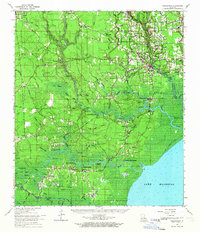 1963 Springfield1967 Print · USGSThe Louisiana bayou country north of Lake Maurepas comes alive in the mid-1960s, showing a landscape of river landings and parish crossroads. Genealogists can trace family roots through sites like Redding Cem, Jefferson Cem, and the rural James Chapel.2 unique versions available
 - 1965 Map of Springfield
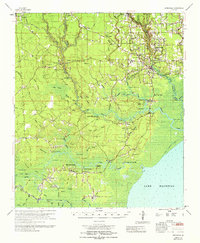 1965 Springfield1965 Print · USGSLivingston Parish in the mid-1960s reveals a complex network of river landings and lowland settlements as they existed before modern expansion. Genealogists and historians can locate the Hungarian Settlement, numerous country churches like Holly Ch, and family cemeteries including McLin Cem and Carters Cem.
 - 1965 Map of Denham Springs
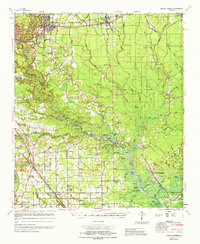 1965 Denham Springs1965 Print · USGSLivingston and Ascension Parishes are captured here in the mid-1960s, showing a landscape defined by the winding Amite River and its many bayous. Researchers can locate family landmarks like Petes Rest Cem, Port Vincent, and rural schoolhouses including 7th Ward Sch.
 - 1974 Map of Holden, 1978 Print
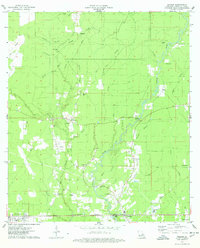 1974 Holden1978 Print · USGSLivingston Parish in the mid-seventies is defined by the Illinois Central Gulf railroad and the winding Tickfaw River. Genealogists can trace family roots through numerous landmarks like Macedonia Ch, Stafford Cem, and Magnolia.
 - 1974 Map of Amite, 1978 Print
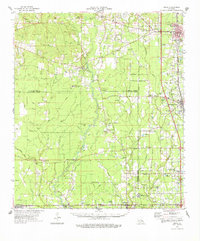 1974 Amite1978 Print · USGSSoutheastern Louisiana’s parish boundaries and river bottoms come into focus in the mid-seventies. Genealogists can trace family names through rural landmarks like Sharkey Cem, Leonard Chapel, and the Illinois Central Gulf rail corridor.
 - 1980 Map of Satsuma, 1981 Print
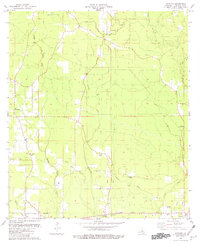 1980 Satsuma1981 Print · USGSLivingston Parish in the late seventies is captured here as a landscape of rural churches and family cemeteries connected by an extensive network of creeks. Researchers can trace the Illinois Central Gulf Railroad Grade or locate historic sites like Salem Cem, Sibley Cem, and the Livingston Lookout Tower.
 - 1983 Map of Amite
 1983 Amite1983 Print · USGSThe Florida Parishes and southern Mississippi are captured here in the early 1980s, centered on the Illinois Central Gulf rail corridor. Genealogists and historians can trace family-named sites like the Camp Moore Confederate Cem, Magnolia Ch, and the Idlewild Plantation (State University).
 - 1983 Map of Ponchatoula, 1984 Print
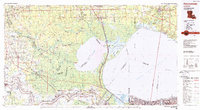 1983 Ponchatoula1984 Print · USGSThe Lake Pontchartrain Basin and the River Parishes come into focus during the early 1980s, showcasing the region's complex water-dependent geography. Researchers can trace the rail routes of the Illinois Central Gulf Railroad and explore landmarks from Pass Manchac to Donaldsonville.2 unique versions available
Showing maps 1-25 of 47
Top cities near Livingston
- St. George historical maps
- Prairieville historical maps
- Central historical maps
- Denham Springs historical maps
- Walker historical maps
- Maurepas historical maps
See more
Top neighborhoods of Livingston
Frequently asked questions
- What are the different types of historical maps available for Livingston?
- What is the oldest map of Livingston?
- Where can I purchase historical maps of Livingston for my home or office?
- Where can I download high-res historical maps of Livingston?
- Are there historical topographic maps available for Livingston?
- Is there historical aerial imagery available for Livingston?
- Where are historical maps of Livingston sourced from?