Old Maps of Monhegan Island Plantation, Maine for Metal Detecting
Plan your next treasure hunt with 29 historic maps of Monhegan Island Plantation. Find old homesites, ghost towns, trails, and gathering spots that may be lost to time — perfect for identifying promising metal detecting locations.
- Locate forgotten sites: Uncover places like long-lost settlements, abandoned rail lines, or gathering spots.
- Plan better hunts: Use map overlays combined with LiDAR or satellite views to narrow in on historically rich areas.
- Made for detectorists: Thousands of hobbyists use these maps to discover relics, coins, and hidden history.
Use these historic maps to boost your research and find new opportunities beneath the surface of Monhegan Island Plantation.
Monhegan Island Plantation, ME maps
(29)- 1904 Map of Monhegan, 1958 Print
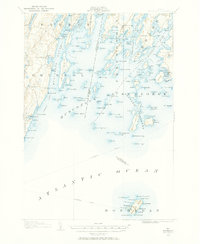 1904 Monhegan1958 Print · USGSThe Maine coast near Muscongus Bay is captured here during the heyday of coastal steamboats and lighthouse keepers. Genealogists and historians can trace families across Louds Island, Bremen Long Island, and the remote fishing community on Monhegan.
 - 1904 Map of Tenants Harbor, 1960 Print
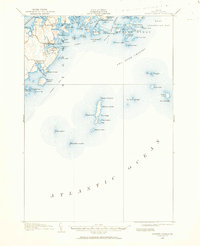 1904 Tenants Harbor1960 Print · USGSCoastal Maine at the turn of the century reveals a seafaring landscape shaped by granite islands and protected harbors. Genealogists and historians can trace old coastal settlements like Martinsville and Elmore or navigate the intricate Muscle Ridge Channel.
 - 1906 Map of Tennant Harbor
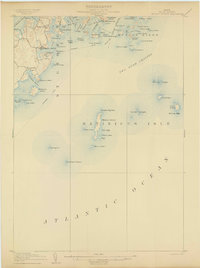 1906 Tennant Harbor1906 Print · USGSThe coastal waters of Knox County were a bustling corridor for maritime trade in the early 1900s. Genealogists and historians can trace the foundations of Tennant Harbor and Martinsville, while mapping the precise locations of offshore hazards like Roaring Bull and Metinic Island.4 unique versions available
 - 1906 Map of Monhegan
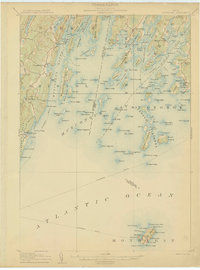 1906 Monhegan1906 Print · USGSThe Maine coast at the turn of the century reveals a seafaring landscape of island outposts and sheltered harbors. Trace early maritime routes and family-named landmarks from Port Clyde to the isolated Monhegan Island.5 unique versions available
 - 1948 Map of Bath
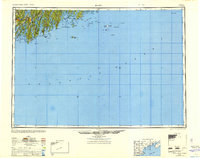 1948 Bath1948 Print · USGSMid-coast Maine’s intricate shoreline and island outposts are captured here just after the war. Researchers can trace historic maritime settlements from Bath to Friendship and locate remote landmarks like Monhegan Island and Pemaquid Point.2 unique versions available
 - 1955 Map of New Harbor, 1958 Print
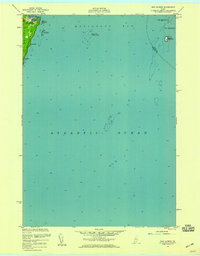 1955 New Harbor1958 Print · USGSThe Maine coast near New Harbor is captured here in the mid-1950s, showing the intersection of maritime life and land-based settlement. Researchers can trace the rocky shoreline of Pemaquid Neck and identify offshore landmarks like Eastern Egg Rock and Moser Ledge.3 unique versions available
 - 1955 Map of Monhegan, 1959 Print
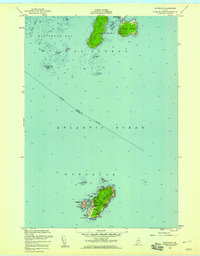 1955 Monhegan1959 Print · USGSThe outer Maine coast comes to life in the mid-1950s, centered on the historic fishing and maritime hub of Monhegan. Local historians and genealogists can trace the isolated settlement's footprint, including the Lighthouse, the U S Coast Guard Reservation, and landmarks like Black Head.4 unique versions available
 - 1956 Map of Bath, 1974 Print
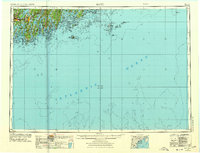 1956 Bath1974 Print · USGSCoastal Maine in the mid-fifties reveals a landscape of deep-water harbors and island outposts as the region transitioned from industrial roots to a summer destination. Genealogists can trace maritime families in Boothbay Harbor, Tenants Harbor, and on remote Monhegan Island.
 - 1957 Map of Bath
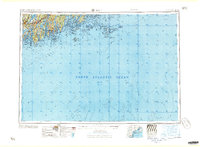 1957 Bath1957 Print · USGSThe Maine coast in the mid-fifties is captured here, from the shipbuilding hubs of Bath and Brunswick to the granite reaches of Rockland. Researchers can trace the Maine Central RR line and remote island outposts like Monhegan Island and Matinicus Isle.
 - 1958 Map of Bath
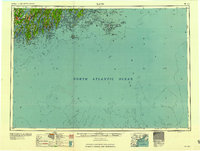 1958 Bath1958 Print · USGSCoastal Maine in the late fifties reveals a landscape of industrial river towns and remote island outposts. Genealogists and historians can trace the Maine Central RR through Bath, explore the islands of Muscongus Bay, or locate seafaring families at Pemaquid Point.
 - 1963 Map of Bath
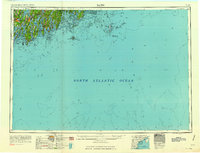 1963 Bath1963 Print · USGSThe Maine Midcoast in the early sixties remains a world of tidal rivers and jagged peninsulas tied to the sea. Genealogy and local history researchers can trace the rail lines of the Maine Central RR and locate offshore communities like Matinicus Island and Monhegan.2 unique versions available
 - 1965 Map of Bath
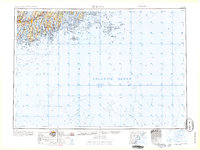 1965 Bath1965 Print · USGSThe Midcoast Maine shoreline and its archipelago come alive in the mid-1960s, showing the region's deep reliance on river and rail. Researchers can trace historic harbor towns like Boothbay Harbor and Damariscotta, and locate coastal landmarks from Pemaquid Point to the Fort Popham Military Res.
 - 1973 Map of New Harbor, 1974 Print
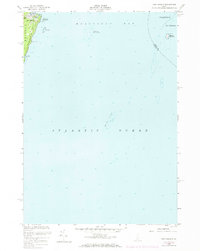 1973 New Harbor1974 Print · USGSCoastal Maine in the early 1970s is captured here, focusing on the maritime gateway of New Harbor and the eastern edge of Pemaquid Neck. Genealogists and maritime historians can trace landforms and seafaring markers like Lookout Hill, Pumpkin Cove, and the Daybeacon on Eastern Egg Rock.
 - 1985 Map of Bath, 1986 Print
 1985 Bath1986 Print · USGSMidcoast Maine in the mid-eighties shows a landscape of deep-water harbors and strategic military installations. Researchers can trace the coastal rail lines of the Maine Central RR and locate landmarks from Popham Beach to the remote Monhegan Plantation.2 unique versions available
 - 2011 Map of Monhegan, 2011 Print
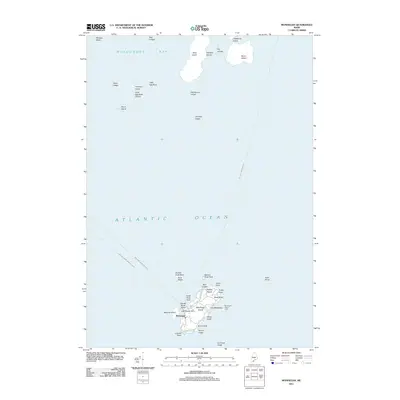 2011 Monhegan2011 Print · USGSMonhegan Island and its surrounding waters in Muscongus Bay are documented here during the early twenty-first century. Researchers can trace the rugged shoreline and island trails leading to landmarks like the Monhegan Island Light, Pebbly Beach, and Manana Island.
 - 2011 Map of Tenants Harbor OE S, 2011 Print
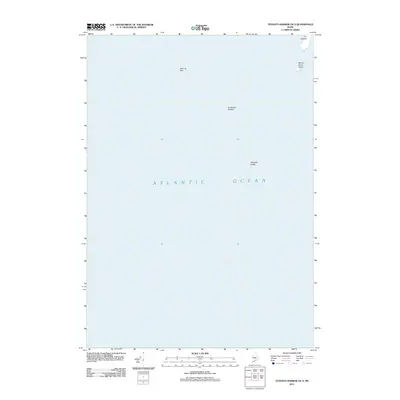 2011 Tenants Harbor OE S2011 Print · USGSCoastal Maine waters are documented in this maritime-focused survey, highlighting the isolated islands and shoals south of Tenants Harbor. Researchers can locate specific navigational hazards like Roaring Bull and the shoreline of Metinic Green Island.
 - 2011 Map of New Harbor, 2011 Print
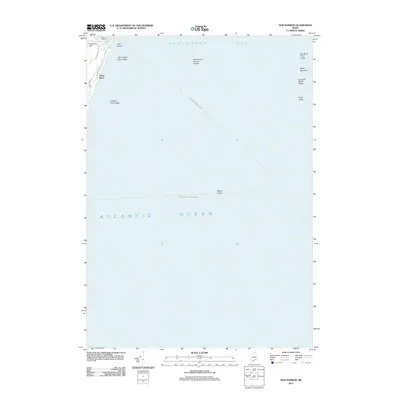 2011 New Harbor2011 Print · USGSThe Maine coastline near Bristol at the turn of the decade highlights a landscape dominated by maritime commerce and rugged shoals. Maritime historians and researchers can trace ferry routes and identify hazards like Eastern Egg Rock, Moser Ledge, and the landing at Shaws Wharf.
 - 2014 Map of New Harbor, 2014 Print
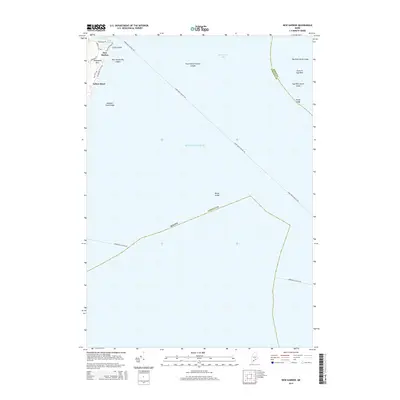 2014 New Harbor2014 Print · USGSThe Maine coastline near Bristol comes alive in the mid-2010s, showcasing the intricate relationship between the shore and the sea. Trace ferry routes like the Monhegan Island Fry and navigate the hazards of New Harbor Sunken Ledges and Eastern Egg Rock.
 - 2014 Map of Tenants Harbor OE S, 2014 Print
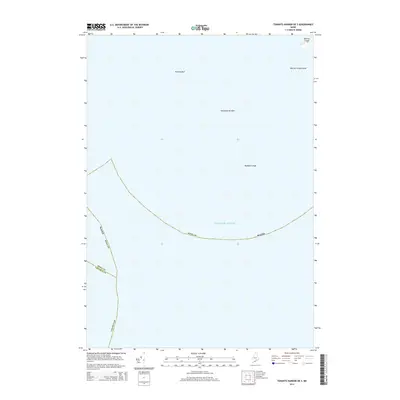 2014 Tenants Harbor OE S2014 Print · USGSThe waters off the Maine coast in the early 2000s are detailed here, showing the isolation of the outer islands and maritime hazards. Researchers can locate remote outposts like Metinic Island or trace navigation points like Roaring Bull and Haddock Ledge.
 - 2014 Map of Monhegan, 2014 Print
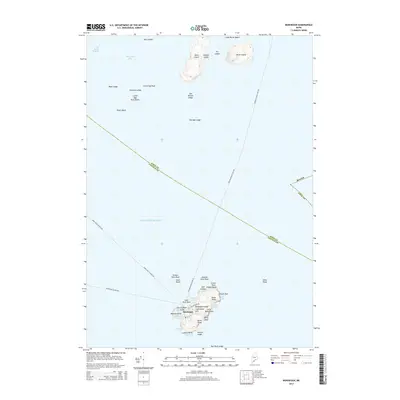 2014 Monhegan2014 Print · USGSMonhegan and its outlying islands are captured here in the early twenty-first century, showing a landscape defined by maritime travel and rocky shores. Researchers can trace ferry paths like the Monhegan Boat Line Fry or locate the historic Monhegan Island Lighthouse and Smutty Nose Island.
 - 2018 Map of Monhegan, 2018 Print
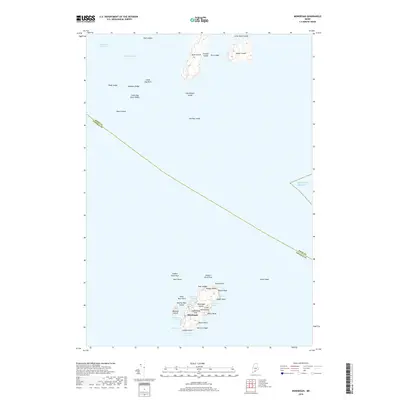 2018 Monhegan2018 Print · USGSMonhegan Island remains a maritime focal point in this recent survey of the Lincoln and Knox County coast. Nautical researchers can trace the vicinity of Monhegan Harbor and Lighthouse Hill, or locate offshore landmarks like Smutty Nose Island and Allen Island.
 - 2018 Map of Tenants Harbor OE S, 2018 Print
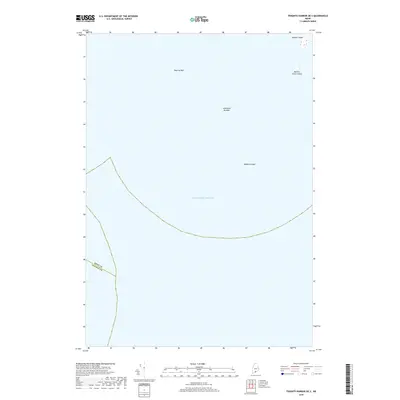 2018 Tenants Harbor OE S2018 Print · USGSOff the coast of Maine in the late 2010s, this area is defined by the open sea and the hazardous ledges that lie just beneath the surface. Navigators and local historians can trace the positions of Metinic Island, Roaring Bull, and Haddock Ledge in these waters.
 - 2018 Map of New Harbor, 2018 Print
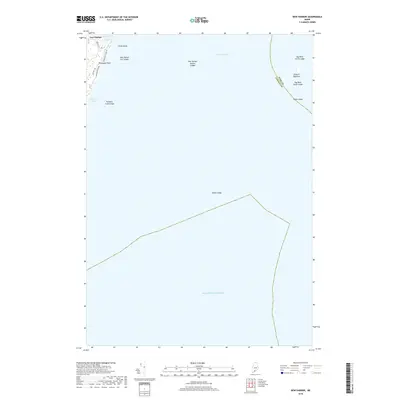 2018 New Harbor2018 Print · USGSCoastal Maine life in the twenty-first century centers on the sheltered waters of New Harbor. Researchers can trace the local road network and geography of the shoreline, including the tidal contours of Back Cove.
 - 2021 Map of Tenants Harbor OE S, 2021 Print
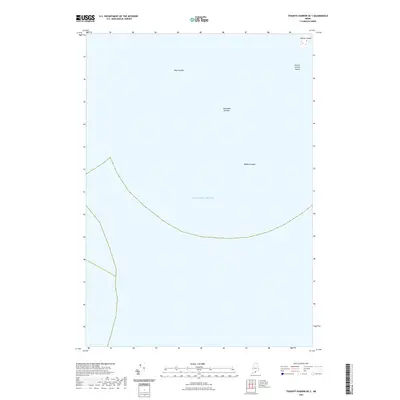 2021 Tenants Harbor OE S2021 Print · USGSCoastal waters off Saint George in the early twenty-first century reveal the isolated outposts and maritime hazards of the Maine coast. Marine researchers can locate offshore landmarks like Metinic Island and treacherous points such as Roaring Bull.
 - 2021 Map of Monhegan, 2021 Print
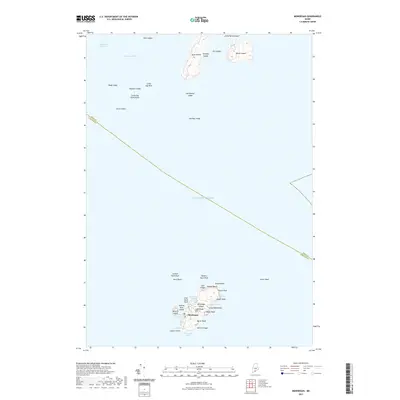 2021 Monhegan2021 Print · USGSMonhegan Island and its surrounding waters are captured here in the early twenty-first century, showcasing the isolated settlement and its rugged harbor. Researchers can trace landforms and local geography from Lighthouse Hill and Lobster Cove to the outlying Georges Islands.
Showing maps 1-25 of 29
Top cities near Monhegan Island Plantation
- Boothbay historical maps
- Bristol historical maps
- Saint George historical maps
- Newcastle historical maps
- South Thomaston historical maps
- Cushing historical maps
See more
Top neighborhoods of Monhegan Island Plantation
Frequently asked questions
- What are the different types of historical maps available for Monhegan Island Plantation?
- What is the oldest map of Monhegan Island Plantation?
- Where can I purchase historical maps of Monhegan Island Plantation for my home or office?
- Where can I download high-res historical maps of Monhegan Island Plantation?
- Are there historical topographic maps available for Monhegan Island Plantation?
- Is there historical aerial imagery available for Monhegan Island Plantation?
- Where are historical maps of Monhegan Island Plantation sourced from?