1940s Maps of Stow, Maine
Explore 6 historic maps of Stow from the 1940s. These maps offer a rare glimpse into what life looked like during the 1940s — showing old roads, neighborhoods, homes, and landmarks that have changed or disappeared over time.
Whether you're researching your family's past, planning a metal detecting trip, or studying how Stow's landscape evolved across the 1940s, these high-resolution maps are a powerful tool for exploring the history of this region.
- Focus on a specific era: All maps on this page are from the 1940s, giving you a focused view of this time period.
- See what’s changed: Compare century-old streets, trails, and buildings to today's modern landscape using overlays and satellite layers.
- Research with precision: Use these maps for genealogy, historical research, land use analysis, or educational projects.
- View, download, or print: Maps are fully viewable online in high resolution, and can be downloaded or printed for your own records.
Start exploring Stow's history through authentic maps from the 1940s. This is your window into the past.
Stow, ME maps
(6)- 1940 Map of Bethel, 1958 Print
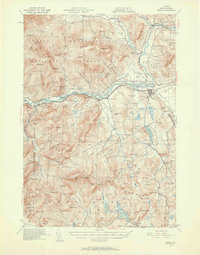 1940 Bethel1958 Print · USGSOxford County at the dawn of the 1940s reveals a landscape of river-valley farming and mountain timberlands. Genealogists and local historians can locate early district schools like Sunday River Sch, the Town House in Albany, and mountain notches like Tyler Notch.2 unique versions available
 - 1941 Map of Bethel
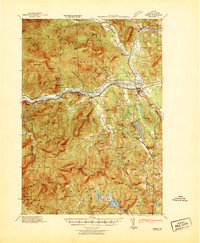 1941 Bethel1941 Print · USGSOxford County was a landscape of mountain ridges and narrow river valleys just before the mid-century, centered on the Androscoggin River. Genealogists can trace family names and rural landmarks like the Bethel Cem, Mason School, and the village at Town House.
 - 1941 Map of Fryeburg
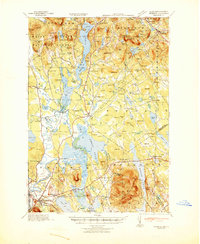 1941 Fryeburg1941 Print · USGSOxford County and the Maine-New Hampshire borderlands are captured here just before the war, showcasing a landscape of isolated hills and interconnected lakes. Genealogists can locate family-named landmarks like Mc Daniels Hill and numerous rural schools including Plummer Sch and Black Mountain Sch.
 - 1942 Map of Gorham
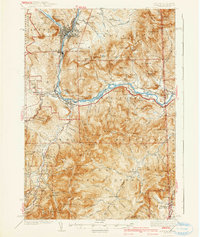 1942 Gorham1942 Print · USGSIn the early 1940s, the high peaks of the New Hampshire border region were already a hub for hikers and rail travel. Trace the historical routes of the Appalachian Trail and find landmarks like the Mascot Mine, the Glen House, and the Grand Trunk railroad.3 unique versions available
 - 1942 Map of North Conway, 1956 Print
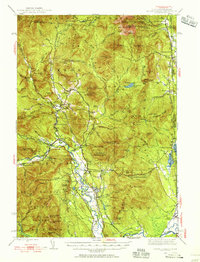 1942 North Conway1956 Print · USGSThe Saco River valley at the onset of the 1940s shows a landscape balancing timber heritage with growing mountain tourism. Researchers can trace historic rail lines like the Maine Central RR, locate the Eastman Sch, or find early wilderness outposts like the Black Mtn Cabin.4 unique versions available
 - 1945 Map of North Conway
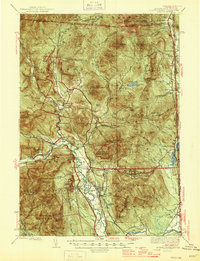 1945 North Conway1945 Print · USGSThe Mount Washington Valley comes alive in the mid-1940s, showing the early infrastructure of the White Mountains' famous resort villages. Genealogists and historians can locate family landmarks like the Eastman Sch, the Panno Place, and the rail junction at Intervale.3 unique versions available
End of results
Showing maps 1-6 of 6
Top cities near Stow
- Bridgton historical maps
- Conway historical maps
- Fryeburg historical maps
- Bartlett historical maps
- Gorham historical maps
- Bethel historical maps
See more
Top neighborhoods of Stow
Frequently asked questions
- What are the different types of historical maps available for Stow?
- What is the oldest map of Stow?
- Where can I purchase historical maps of Stow for my home or office?
- Where can I download high-res historical maps of Stow?
- Are there historical topographic maps available for Stow?
- Is there historical aerial imagery available for Stow?
- Where are historical maps of Stow sourced from?