Old Maps of Misery Gore, Maine
Explore 65 old maps of Misery Gore, spanning from 1920 to today. These high-resolution historic maps reveal how streets, neighborhoods, landmarks, and natural features evolved over time — perfect for genealogy, metal detecting, research, and local history exploration.
What you can do with these maps:
- See how Misery Gore changed over time: Compare historical maps to modern-day views to trace roads, homesites, rail lines & more.
- View detailed metadata: Each map includes creators, publishers, year, scale, and archive source.
- Overlay maps with satellite & LiDAR: Visualize the past alongside modern tools to explore terrain & human change.
- Trusted historical sources: Maps sourced from the USGS, Library of Congress, and other archives.
- Access maps your way: View online, download high-res files, or order prints for personal or research use.
Start exploring old maps of Misery Gore to uncover forgotten places, hidden landmarks, and the deep history beneath your feet.
Misery Gore, ME maps
(65)- 1920 Map of Moosehead Lake, 1955 Print
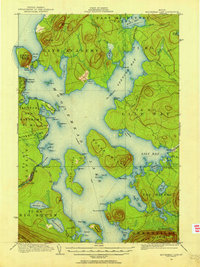 1920 Moosehead Lake1955 Print · USGSMoosehead Lake in the early twentieth century was a hub of rail travel and island settlements accessible primarily by water. You can trace the historic Steamboat Route between Kineo Station, the Masterman School, and the remote outpost of Capens.
 - 1921 Map of Brassua Lake
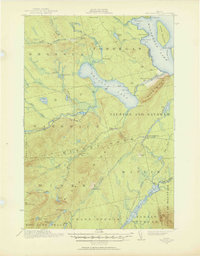 1921 Brassua Lake1921 Print · USGSThe North Maine Woods come alive in the 1920s at the intersection of the Canadian Pacific and Maine Central railroads. Genealogists and historians can trace logging-era life at Somerset Junction, Blaine School, and numerous seasonal sites like Depot Camp.3 unique versions available
 - 1922 Map of Moosehead Lake
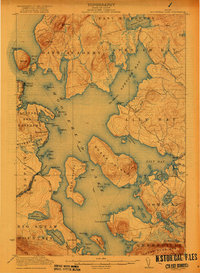 1922 Moosehead Lake1922 Print · USGSPiscataquis County’s wilderness is caught in a moment of transition during the early twenties as railroads and steamers opened the north woods. Researchers can trace the rails to Kineo Station or locate remote outposts like Masterman School and Capens.7 unique versions available
 - 1922 Map of Long Pond, 1955 Print
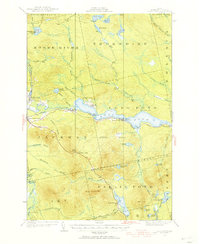 1922 Long Pond1955 Print · USGSThe Maine north woods in the early twenties reveals a landscape defined by the Canadian Pacific rail line and the timber industry. Genealogists and historians can trace family-named sites like Fogg Farm, Mackamp, and Jackman Mill.5 unique versions available
 - 1923 Map of Brassua Lake
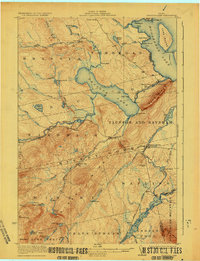 1923 Brassua Lake1923 Print · USGSRailroads and river routes intersect in the Maine north woods at the start of the 1920s. Genealogists and historians can trace the junction of the Canadian Pacific at Somerset Junction Tarratine PO and locate remote outposts like Blaine School and Cornish Farm.4 unique versions available
 - 1924 Map of Long Pond
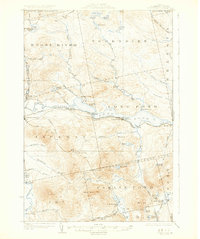 1924 Long Pond1924 Print · USGSSomerset County’s timber and rail landscape is captured here in the early twenties as the logging and sporting industries thrived. Trace the Canadian Pacific rail line through Jackman Station to remote outposts like Mackamp and the Whipple Farm.5 unique versions available
 - 1930 Map of Moosehead Lake
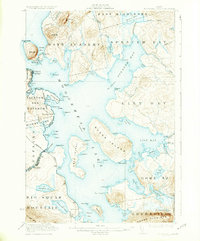 1930 Moosehead Lake1930 Print · USGSMoosehead Lake in the early twentieth century was a landscape of remote rail junctions and lakeside settlements. Trace the old routes of the Maine Central Railroad to Rockwood or locate the Masterman School near the shores of North Bay.
 - 1944 Map of Brassua Lake
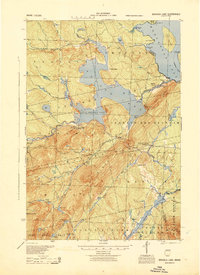 1944 Brassua Lake1944 Print · USGSCentral Maine was a landscape of remote sporting camps and logging rail lines in the mid-1940s. Genealogists and historians can trace old homesteads and landmarks like Somerset Junction, Blaine Sch, and Cornish Farm.
 - 1944 Map of Moosehead Lake
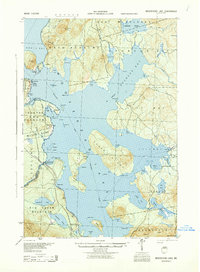 1944 Moosehead Lake1944 Print · USGSThe heart of Maine's lake country is captured here during the mid-forties, showing the vital rail and water routes of the North Woods. Genealogists and historians can trace the Canadian Pacific line, the remote Masterman Sch, and early settlements like Rockwood.
 - 1944 Map of Long Pond
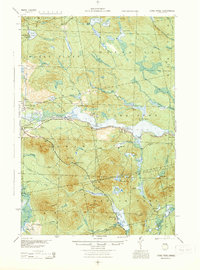 1944 Long Pond1944 Print · USGSSomerset County's timber and rail corridor is captured here during the mid-forties as the north woods economy thrived. Genealogists and historians can trace family locations at Whipple Farm or follow the Canadian Pacific line to Jackman Station and Mackamp.
 - 1949 Map of Jackman
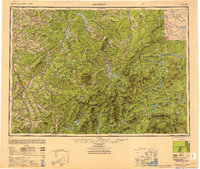 1949 Jackman1949 Print · USGSThe Quebec and Maine borderlands are shown in great detail during the late 1940s, highlighting the industrial and natural geography of the region. Trace old rail lines like the Canadian Pacific and locate settlements from Sherbrooke to Scotstown.2 unique versions available
 - 1954 Map of Millinocket, 1968 Print
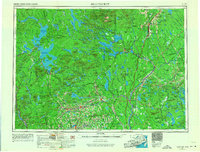 1954 Millinocket1968 Print · USGSMaine's North Woods and the Penobscot Valley are captured here during the mid-century era of logging and rail dominance. You can trace the path of the Bangor and Aroostook Railroad through timber towns like Millinocket, Mattawamkeag, and Silver Ridge.3 unique versions available
 - 1957 Map of Moosehead Lake, 1959 Print
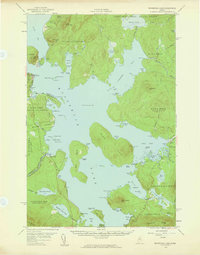 1957 Moosehead Lake1959 Print · USGSMoosehead Lake's central reaches are captured here in the late fifties, showing a wilderness of large islands and timber grants before heavy modern development. Researchers can trace the Canadian Pacific rail line and locate landmarks like the Mt Kineo Lookout Tower and Deer Head Farm.4 unique versions available
 - 1957 Map of Brassua Lake, 1959 Print
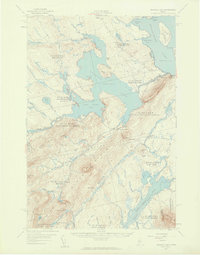 1957 Brassua Lake1959 Print · USGSThe northern Maine woods around Rockwood are captured here during the late 1950s, a time of transition for the region's rail and river systems. Genealogists and historians can locate family-named clearings like Milliken Farm, local institutions such as Blaine Sch, and the winding path of the Canadian Pacific Railroad.5 unique versions available
 - 1958 Map of Millinocket
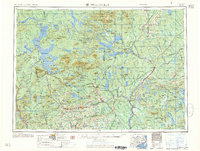 1958 Millinocket1958 Print · USGSMaine's North Woods and the Penobscot river valley are captured here in the mid-1950s, showing a landscape of timber, rail, and wild waters. Researchers can trace the legacy of the Canadian Pacific railroad and find historic settlements like Millinocket, Sherman Station, and Mattawamkeag.
 - 1960 Map of Millinocket
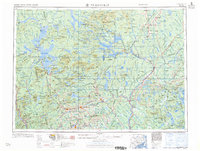 1960 Millinocket1960 Print · USGSThe Maine North Woods and Penobscot River valley are captured at mid-century during the height of the paper milling era. Researchers can trace the Appalachian Trail near Mount Katardin or locate family roots in towns like Dover-Foxcroft and Milo.3 unique versions available
 - 1963 Map of Jackman
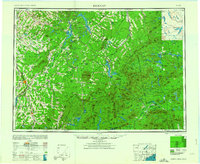 1963 Jackman1963 Print · USGSThe international borderlands of Maine and Quebec come alive in the mid-twentieth century, showing a landscape of timber towns and rail connections. Genealogists and historians can trace the paths of the Canadian Pacific Railway through Jackman or locate families in Sherbrooke and Megantic.
 - 1966 Map of Sherbrooke
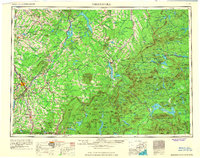 1966 Sherbrooke1966 Print · USGSThe borderlands of Quebec and Maine come alive in the mid-1960s, documenting the industrial towns and deep woods of the Northeast. Genealogists can trace family lines through Sherbrooke and Coaticook, or locate remote logging outposts along the Moose River and Flagstaff Lake.
 - 1976 Map of Sherbrooke
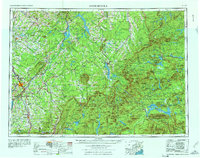 1976 Sherbrooke1976 Print · USGSThe northern Maine woods and Quebec’s Eastern Townships meet in this mid-century survey of the rugged international borderlands. Genealogists and historians can trace rail-and-river connections through Thetford Mines, follow the Dead River to Flagstaff Lake, or locate small border crossings at Stanhope and Beecher Falls.2 unique versions available
 - 1977 Map of Misery Knob, 1981 Print
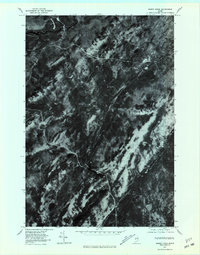 1977 Misery Knob1981 Print · USGSThe Maine woods in the late seventies are documented in this detailed aerial study of Somerset County. Trace the wild water systems of Moose River, Misery Pond, and the terrain surrounding Misery Knob.
 - 1977 Map of Moosehead, 1981 Print
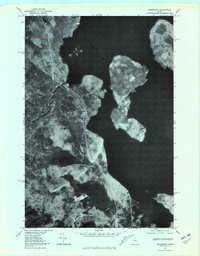 1977 Moosehead1981 Print · USGSThe Maine North Woods and the expansive waters of Moosehead Lake appear in sharp detail in this late-seventies aerial survey. Researchers can trace the wild shorelines of Deer Island and the origins of the Kennebec River.
 - 1977 Map of Mount Kineo, 1981 Print
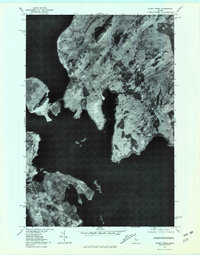 1977 Mount Kineo1981 Print · USGSThe Maine North Woods and the shores of Moosehead Lake are seen here in the late seventies. Researchers can trace the shoreline of Rockwood and identify topographic landmarks like Mount Kineo and Little Kineo Mountain.
 - 1977 Map of Indian Pond North, 1981 Print
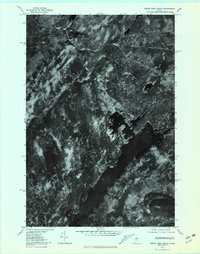 1977 Indian Pond North1981 Print · USGSSomerset County, Maine, is captured in the late 1970s as a landscape of timber and wild water. Researchers can trace the rail and river history of Tarratine and Somerset Junction or locate the headwaters of the Kennebec River.
 - 1977 Map of Catheart Mountain, 1983 Print
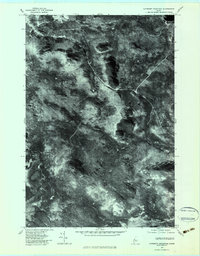 1977 Catheart Mountain1983 Print · USGSSomerset County in the late seventies is captured here in sharp aerial detail, showing a landscape defined by timber and water. Researchers can trace remote logging access roads and shoreline features near Attean Pond, Jackman Station, and Catheart Mountain.
 - 1979 Map of Long Pond, 1983 Print
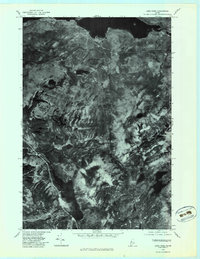 1979 Long Pond1983 Print · USGSThe deep woods of Somerset County are seen from above in the late seventies, documenting the remote lake country of northern Maine. Researchers can trace the wild shorelines of Lake Parlin and Long Pond or locate the small clearing at Mackamp.
Showing maps 1-25 of 65
Top cities near Misery Gore
Top neighborhoods of Misery Gore
Frequently asked questions
- What are the different types of historical maps available for Misery Gore?
- What is the oldest map of Misery Gore?
- Where can I purchase historical maps of Misery Gore for my home or office?
- Where can I download high-res historical maps of Misery Gore?
- Are there historical topographic maps available for Misery Gore?
- Is there historical aerial imagery available for Misery Gore?
- Where are historical maps of Misery Gore sourced from?