Old Maps of Beddington, Maine for Metal Detecting
Plan your next treasure hunt with 28 historic maps of Beddington. Find old homesites, ghost towns, trails, and gathering spots that may be lost to time — perfect for identifying promising metal detecting locations.
- Locate forgotten sites: Uncover places like long-lost settlements, abandoned rail lines, or gathering spots.
- Plan better hunts: Use map overlays combined with LiDAR or satellite views to narrow in on historically rich areas.
- Made for detectorists: Thousands of hobbyists use these maps to discover relics, coins, and hidden history.
Use these historic maps to boost your research and find new opportunities beneath the surface of Beddington.
Beddington, ME maps
(28)- 1929 Map of Lead Mountain
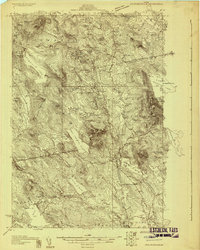 1929 Lead Mountain1929 Print · USGSThe Maine backcountry near the Hancock and Washington County line is shown here in the late twenties, dominated by timberlands and glacial lakes. Genealogists and historians can locate remote outposts like Jacobs Camp, the Howe Farm, and the trails surrounding Lead Mountain.
 - 1932 Map of Lead Mountain
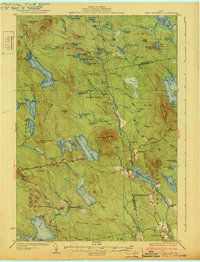 1932 Lead Mountain1932 Print · USGSThe Maine timberlands and the historic Air Line Road are captured here in the early thirties, showcasing a landscape of isolated logging camps and remote lakes. Researchers can locate family-named sites like Howe Farm Camp, the settlements of Deblois and Beddington, and the Fire Tower atop Lead Mountain.5 unique versions available
 - 1941 Map of Tug Mountain, 1958 Print
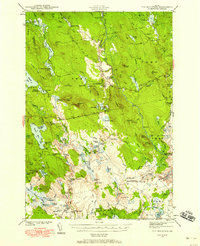 1941 Tug Mountain1958 Print · USGSWashington County during the early 1940s was a landscape of timber and remote sporting camps. You can trace early backcountry retreats like Worcester Lodge and Hartford Camp or follow the route of the historic Air Line Road past Tug Mountain.2 unique versions available
 - 1943 Map of Tug Mountain
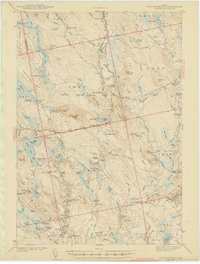 1943 Tug Mountain1943 Print · USGSThe Maine woods in the early 1940s reveal a network of logging dams and remote seasonal camps. Genealogists and historians can trace family-named sites like Worcester Lodge, Hartford Camp, and Ben Tucker Mtn along the Machias River.2 unique versions available
 - 1948 Map of Bangor
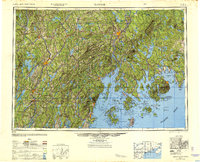 1948 Bangor1948 Print · USGSThe Maine coast and its industrial river valleys are captured here shortly after the war, showing the vital shipping and rail hubs of the late 1940s. Genealogists and historians can trace the tracks of the Maine Central RR connecting Bangor, Augusta, and Old Town.
 - 1956 Map of Bangor, 1966 Print
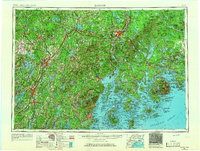 1956 Bangor1966 Print · USGSMid-century Maine comes alive in this survey of the rugged coast and river valleys during the 1950s. Genealogists and historians can trace the vital rail corridors of the Maine Central RR connecting timber towns like Old Town to the coast at Bar Harbor.3 unique versions available
 - 1957 Map of Lead Mountain, 1959 Print
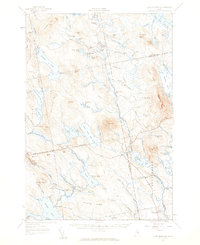 1957 Lead Mountain1959 Print · USGSThe wild lake country of Down East Maine is shown here in the late fifties, featuring the scattered outposts and high ridges of Washington and Hancock Counties. Genealogists and researchers can trace local landmarks like Beddington, Dog Corners, and the prominent Lookout Tower atop Lead Mtn.3 unique versions available
 - 1960 Map of Bangor
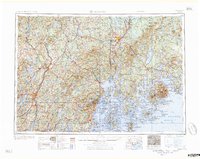 1960 Bangor1960 Print · USGSCentral Maine in the sixties reveals a landscape of river-powered industry and sprawling coastal island chains. Researchers can trace the rail corridors of the Maine Central or locate mid-century aviation landmarks like Dow Air Force Base.
 - 1961 Map of Bangor
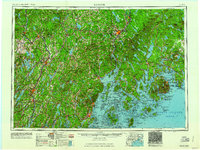 1961 Bangor1961 Print · USGSMid-century Maine comes alive through its busy river ports and rocky archipelagoes during a period of steady maritime and rail commerce. Researchers can trace the path of the Maine Central railroad and locate coastal landmarks from Acadia National Park to Vinalhaven Island.
 - 1961 Map of Eastport
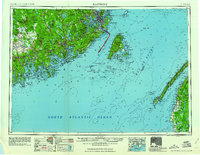 1961 Eastport1961 Print · USGSThe maritime borderlands of Maine and New Brunswick are captured here in the early sixties, showing a world defined by the Bay of Fundy. Researchers can trace the Maine Central Railroad to Machiasport or explore remote island villages like Grand Harbour and Welchpool.
 - 1969 Map of Eastport
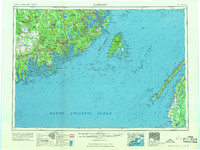 1969 Eastport1969 Print · USGSThe maritime borderlands of Washington County and New Brunswick appear in detail during the late sixties. Researchers can trace historic rail lines like the Maine Central Railroad and explore coastal settlements from Machias to St. Andrews.
 - 1976 Map of Eastport
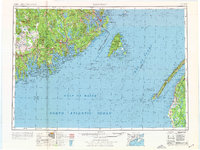 1976 Eastport1976 Print · USGSThe maritime borderlands of Maine and Nova Scotia come alive in this mid-seventies survey of the Downeast coast. Genealogists and historians can trace the shoreline settlements of Eastport, Lubec, and Machias, or cross the channel to find Acadian villages like Church Point and Meteghan Centre.
 - 1985 Map of Bangor
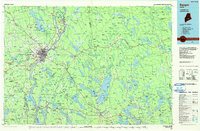 1985 Bangor1985 Print · USGSMid-Maine during the mid-eighties centers on the industrial pulse of the Penobscot River and its critical rail connections. Genealogists and historians can trace the development of river towns from Old Town to Ellsworth and locate regional landmarks like Fort Knox State Park.
 - 1985 Map of Machias, 1986 Print
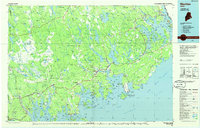 1985 Machias1986 Print · USGSThe Downeast coast of Maine in the 1980s reveals a landscape of deep-water bays, tidal rivers, and isolated timberlands. Researchers can trace the Maine Central rail line and locate coastal landmarks from Leighton Point to the U.S. Naval Radio Station.
 - 1987 Map of Lead Mountain, 1988 Print
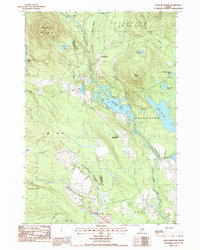 1987 Lead Mountain1988 Print · USGSThe remote interior of Washington County comes into focus in the late 1980s, centered on the lakes and ridges of the Narraguagus River valley. Researchers can trace local landmarks like Lower Beddington, the community Cem, and heights like Lead Mountain.
 - 1990 Map of Northeast Bluff
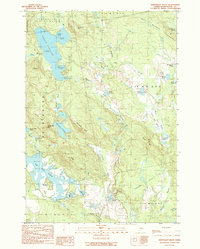 1990 Northeast Bluff1990 Print · USGSEastern Maine's interior reaches are documented here during the late twentieth century, showing a remote landscape of the Bingham Purchase. Researchers can trace the drainages of the Pleasant River and locate landmarks like Dorman Island, Northeast Bluff, and Spruce Ridge.
 - 1994 Map of Bangor
 1994 Bangor1994 Print · USGSThe Penobscot River valley and the coastal highlands of eastern Maine are captured here in the mid-1990s. Researchers can trace the industrial rail corridors of the Maine Central Railroad or explore the landscape around Old Town, Bucksport, and Graham Lake.
 - 1994 Map of Machias
 1994 Machias1994 Print · USGSThe Downeast coast of Maine in the 1990s is captured here, from the Narraguagus River to the Canadian border. Genealogists and historians can trace coastal settlements like Jonesboro and Addison or locate the U.S. Naval Radio Station and Moosehorn National Wildlife Refuge.
 - 2011 Map of Northeast Bluff, 2011 Print
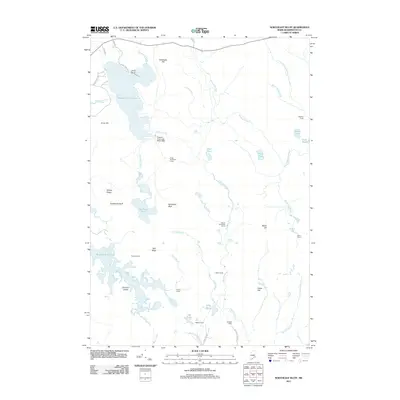 2011 Northeast Bluff2011 Print · USGSWashington County, Maine, was a landscape of remote camps and winding waterways in the early twenty-first century. Genealogists and local historians can locate specific family-named sites like Allison Worcester Camp and Pineo Camp or trace the drainage of the Bog Brook Flowage.
 - 2011 Map of Lead Mountain, 2011 Print
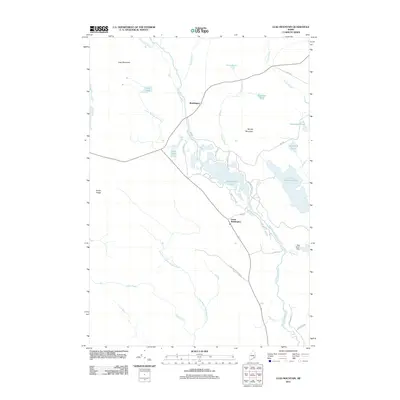 2011 Lead Mountain2011 Print · USGSThe Narraguagus River valley in the early 2010s was a landscape of remote ponds and timber roads. Researchers can trace the layout of Beddington and Lower Beddington or locate landmarks like the Bog Brook Dam and Lead Mountain.
 - 2014 Map of Northeast Bluff, 2014 Print
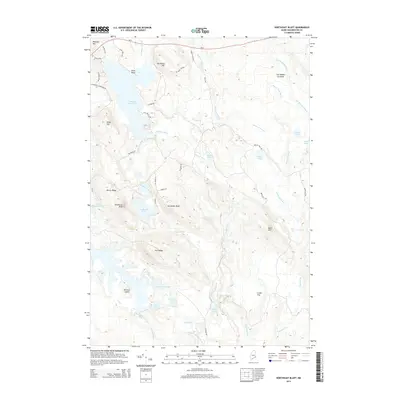 2014 Northeast Bluff2014 Print · USGSThe wilderness of eastern Maine is captured here in the early twenty-first century, showing a landscape defined by water and ridgelines. Trace the remote network of ponds and streams including Spruce Mountain Lake, Otter Pond, and the Pleasant River.
 - 2014 Map of Lead Mountain, 2014 Print
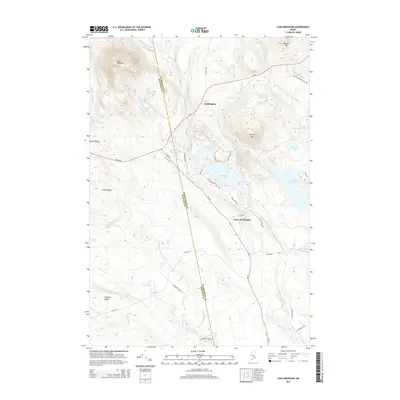 2014 Lead Mountain2014 Print · USGSBeddington and the surrounding Maine wilderness are captured here in the mid-2010s, showing the intersection of historic transportation routes and glacial waters. Researchers can trace the path of the Airline Rd past Beddington Lake or locate specific elevations like Lead Mountain and Smith Ridge.
 - 2018 Map of Northeast Bluff, 2018 Print
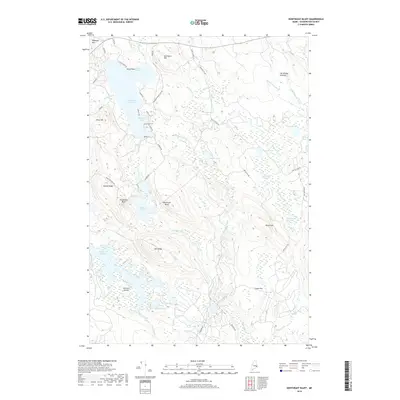 2018 Northeast Bluff2018 Print · USGSThe Washington County interior in the 2010s is a landscape of glacial bluffs and interconnected waterways. Researchers can trace the winding shoreline of Pleasant River Lake, identifying landforms like Dorman Island and Northeast Bluff.
 - 2018 Map of Lead Mountain, 2018 Print
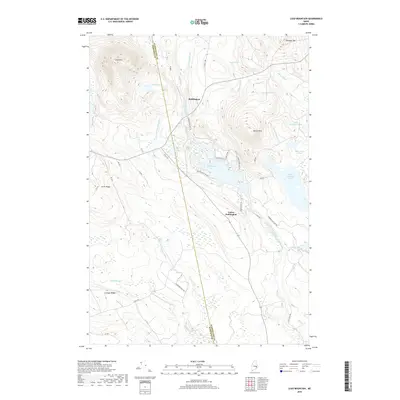 2018 Lead Mountain2018 Print · USGSBeddington and the Washington County interior are captured here in the late 2010s, showing a landscape defined by timber tracts and glacial lakes. Researchers can trace local landmarks like Schoppe Ridge, the remote Lead Mtn, and the winding Narraguagus River.
 - 2021 Map of Northeast Bluff, 2021 Print
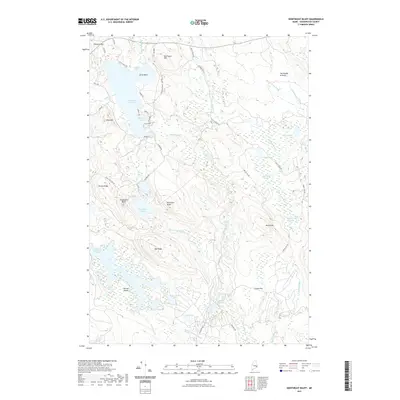 2021 Northeast Bluff2021 Print · USGSThe Washington County interior comes into focus during the early twenty-first century, showing a landscape shaped by glacial waters and ridges. Genealogists and historians can trace family-named landmarks like Dorman Island, Elsie Point, and the heights of Beech Hill.
Showing maps 1-25 of 28
Top cities near Beddington
- Hancock historical maps
- Franklin historical maps
- Milbridge historical maps
- Steuben historical maps
- Cherryfield historical maps
- Harrington historical maps
See more
Top neighborhoods of Beddington
Frequently asked questions
- What are the different types of historical maps available for Beddington?
- What is the oldest map of Beddington?
- Where can I purchase historical maps of Beddington for my home or office?
- Where can I download high-res historical maps of Beddington?
- Are there historical topographic maps available for Beddington?
- Is there historical aerial imagery available for Beddington?
- Where are historical maps of Beddington sourced from?