Old Maps of Friendship Acres, Maryland for Metal Detecting
Plan your next treasure hunt with 17 historic maps of Friendship Acres. Find old homesites, ghost towns, trails, and gathering spots that may be lost to time — perfect for identifying promising metal detecting locations.
- Locate forgotten sites: Uncover places like long-lost settlements, abandoned rail lines, or gathering spots.
- Plan better hunts: Use map overlays combined with LiDAR or satellite views to narrow in on historically rich areas.
- Made for detectorists: Thousands of hobbyists use these maps to discover relics, coins, and hidden history.
Use these historic maps to boost your research and find new opportunities beneath the surface of Friendship Acres.
Friendship Acres, MD maps
(17)- 1889 Map of Fredericksburg
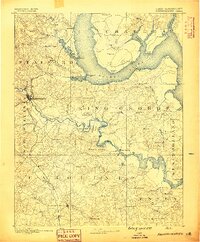 1889 Fredericksburg1889 Print · USGSThe Tidewater region of Virginia and Maryland comes into focus in the late 1880s, centered on the river-and-rail hub of Fredericksburg. Genealogists can trace early landmarks like Rappahannock Academy, Bull Church, and Saunders Wharf.
 - 1892 Map of Fredericksburg
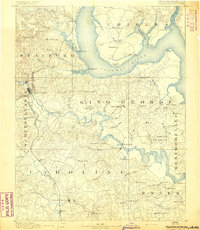 1892 Fredericksburg1892 Print · USGSCoastal Virginia and Maryland are captured here in the late nineteenth century, showing a landscape of river-port towns and historic crossroads. Researchers can locate vanished landmarks and family sites like Rappahannock Academy, Whites Mill, and the riverside Port Royal.
 - 1894 Map of Fredericksburg
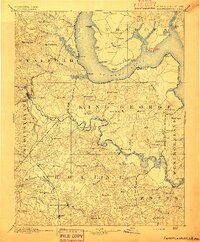 1894 Fredericksburg1894 Print · USGSThe Tidewater and Piedmont regions of Virginia meet in the late nineteenth century at the head of the Rappahannock River. Local historians can trace early inland commerce through rural centers like Nindes Store, the Rappahannock Academy, and Stafford.10 unique versions available
 - 1913 Map of Nanjemoy
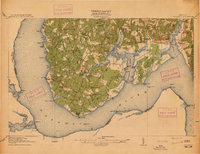 1913 Nanjemoy1913 Print · USGSThe Nanjemoy peninsula in the early nineteen-hundreds was a world of tidal creeks and tobacco landings. Researchers can trace the rural fabric of Charles County through family-named landmarks like Mudds Marsh and community hubs such as Durham Church and Green Leek School.3 unique versions available
 - 1944 Map of Nanjemoy
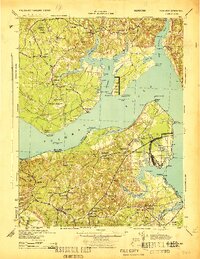 1944 Nanjemoy1944 Print · USGSMaryland and Virginia meet across the Potomac River during the 1940s, showing a region defined by naval operations and rural tidewater life. Researchers can trace military footprints at Dahlgren and Blossom Point Proving Ground or find old community centers like Nindes Store and Oak Grove Sch.
 - 1948 Map of Washington
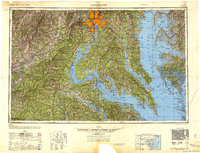 1948 Washington1948 Print · USGSThe Potomac and Chesapeake regions in the late 1940s reveal a landscape of expanding military reach and deep-rooted Tidewater settlements. Trace old rail corridors like the Richmond Fredericksburg & Potomac RR or locate landmarks like the Wakefield Washington Monument and St. Marys College.2 unique versions available
 - 1948 Map of Nanjemoy
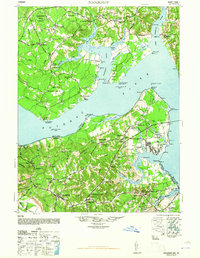 1948 Nanjemoy1948 Print · USGSThe Potomac River tidewater region is captured here in the years following World War II, showing the rural communities of Charles County and King George County. Trace old family locales and infrastructure from Nindes Store and Grayton PO to the NAVAL PROVING GROUND.2 unique versions available
 - 1954 Map of Nanjemoy, 1955 Print
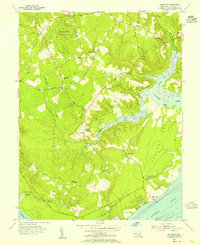 1954 Nanjemoy1955 Print · USGSSouthern Charles County in the mid-fifties is characterized by tidal creeks and the vast Doncaster State Forest. Genealogists and historians can trace old community hubs at St Ignatius Ch, Nanjemoy Sch, and the riverside landing at Maryland Point.5 unique versions available
 - 1957 Map of Washington, 1966 Print
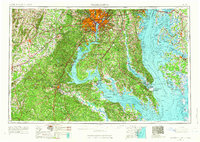 1957 Washington1966 Print · USGSThe mid-Atlantic region during the mid-fifties and early sixties reveals a landscape of growing suburbs and vital military outposts. Researchers can trace historic river towns and shorelines from Alexandria to the Hooper Islands and St Clements Island.5 unique versions available
 - 1961 Map of Washington
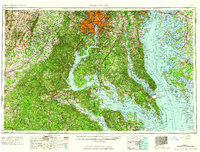 1961 Washington1961 Print · USGSThe mid-Atlantic region in the late fifties is presented in remarkable detail, from the Blue Ridge foothills to the Chesapeake Eastern Shore. Researchers can trace historic river landings and military sites like Mount Vernon, Fort Belvoir, and Point Lookout.2 unique versions available
 - 1983 Map of Fredericksburg, 1984 Print
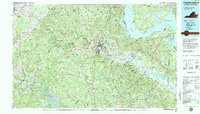 1983 Fredericksburg1984 Print · USGSThe Virginia and Maryland tidewater region comes into sharp focus during the early 1980s, centered on the historic Rappahannock and Potomac river valleys. Researchers can trace the boundaries of the Fredericksburg-Spotsylvania National Military Park alongside growing residential areas and military sites like Fort A.P. Hill Military Reservation.2 unique versions available
 - 1989 Map of Washington
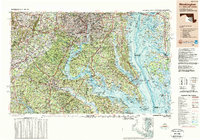 1989 Washington1989 Print · USGSThe Potomac River valley and Chesapeake Bay are shown in comprehensive detail during the late 1980s. Genealogists and historians can trace the transition from urban Alexandria to the rural Northern Neck, locating landmarks like Mount Vernon and Stratford Hall.
 - 2011 Map of Nanjemoy, 2011 Print
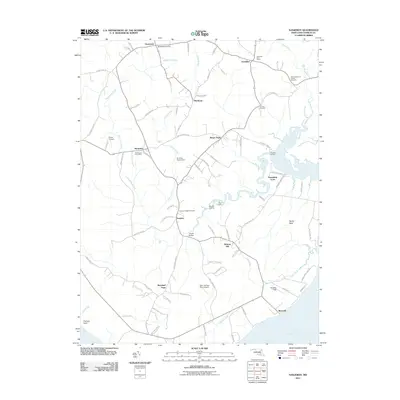 2011 Nanjemoy2011 Print · USGSCoastal Charles County is documented here in the early 2010s, showing a quiet landscape of riverfront peninsulas and small hamlets. Researchers can trace local heritage through landmarks like Saint Ignatius of Loyola Cemetery, Ironsides Post Office, and Friendship Landing.
 - 2014 Map of Nanjemoy, 2014 Print
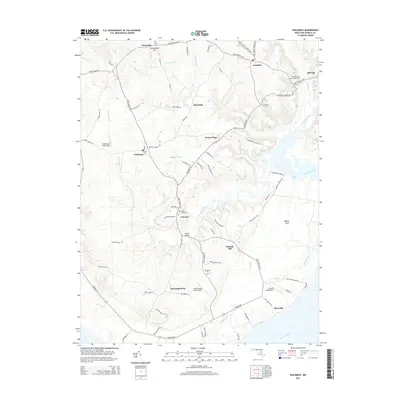 2014 Nanjemoy2014 Print · USGSSouthern Charles County is captured here in the early twenty-first century, showing the quiet coastal settlements along the Potomac shore. Researchers can trace family history at Saint Ignatius of Loyola Cem or explore the geography of Nanjemoy Creek and Maryland Point.
 - 2016 Map of Nanjemoy, 2016 Print
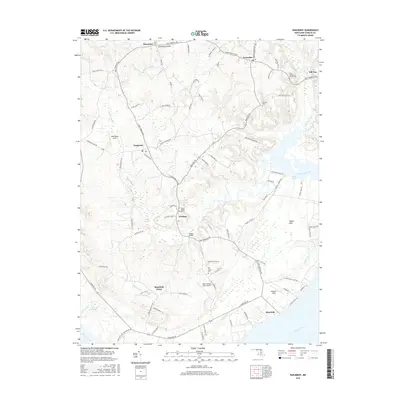 2016 Nanjemoy2016 Print · USGSSouthern Maryland's riverine landscape is captured here in the mid-2010s, showing the rural communities along the Potomac. Researchers can locate family burial sites at Durham Cemetery and trace the historic Port Tobacco Road as it passes through Grayton and Ironsides.
 - 2019 Map of Nanjemoy, 2019 Print
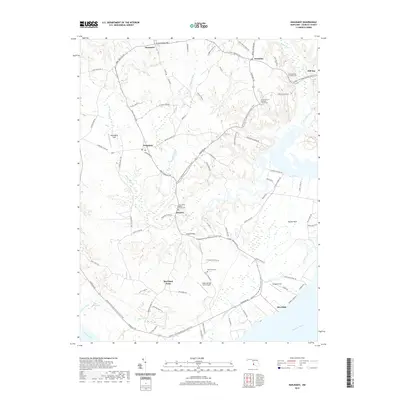 2019 Nanjemoy2019 Print · USGSCoastal Maryland at the end of the 2010s reveals a landscape of tidal creeks and quiet settlements along the Potomac. Researchers can locate several historic churchyards including Christ Church Durham Parish Cem and trace old routes through Doncaster and Maryland Point.
 - 2023 Map of Nanjemoy, 2023 Print
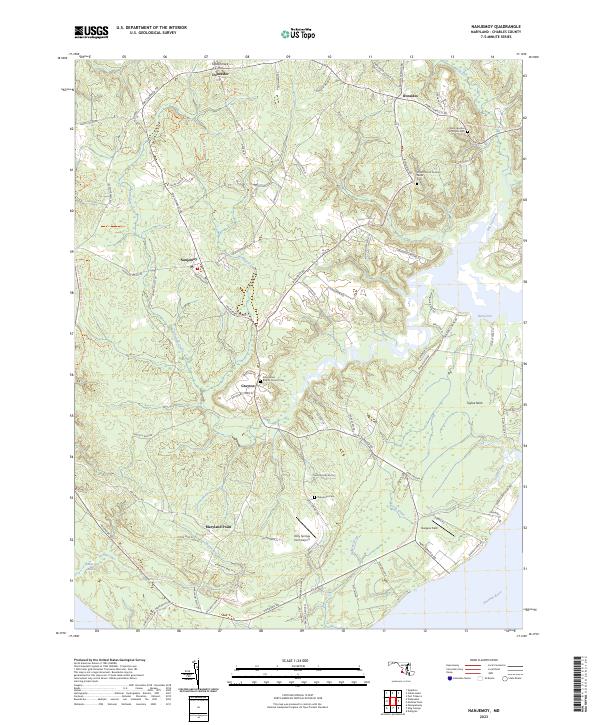 2023 Nanjemoy2023 Print · USGSThe Potomac River shoreline and its tidal creeks define this Charles County landscape in the early twenty-first century. Genealogists can trace family sites at Saint Ignatius of Loyola Cem, Maryland Point, and the rural crossroads of Ironsides.
End of results
Showing maps 1-17 of 17
Top cities near Friendship Acres
- Dale City historical maps
- Woodbridge historical maps
- Cherry Hill historical maps
- Montclair historical maps
- Leesylvania historical maps
- Lorton historical maps
See more
Frequently asked questions
- What are the different types of historical maps available for Friendship Acres?
- What is the oldest map of Friendship Acres?
- Where can I purchase historical maps of Friendship Acres for my home or office?
- Where can I download high-res historical maps of Friendship Acres?
- Are there historical topographic maps available for Friendship Acres?
- Is there historical aerial imagery available for Friendship Acres?
- Where are historical maps of Friendship Acres sourced from?