Old Maps of Bowie, Maryland for Hiking & Exploration
Hike through history with 66 historic maps of Bowie. Explore old trails, ghost towns, and forgotten backroads — perfect for outdoor adventurers and local explorers.
- Rediscover forgotten places: Map out old mining camps, roads, and footpaths that no longer exist on modern maps.
- Layer with modern tools: Combine with LiDAR or satellite views to plan hikes through historical terrain.
- Made for exploration: Popular among hikers, overlanders, and local history lovers.
Use these maps to find adventure and explore the hidden past of Bowie.
Bowie, MD maps
(66)- 1892 Map of Laurel
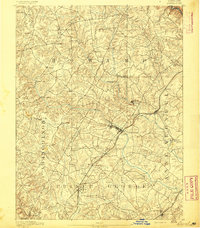 1892 Laurel1892 Print · USGSCentral Maryland at the end of the nineteenth century centers on the busy corridor between Baltimore and Washington. Genealogists and historians can trace rail-side industrial sites like Muirkirk, family-named crossings at Snell Bridge, and numerous Iron Ore deposits.
 - 1892 Map of Owensville
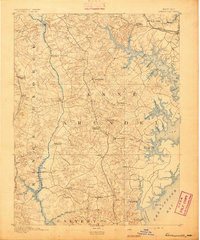 1892 Owensville1892 Print · USGSCoastal Anne Arundel County comes alive in the 1890s, showing a world of tidewater landings and proposed rail lines. Trace old property locations near Obligation (Butler Tav.) or the early waterfront hubs of West River (Galesville) and Tracy Landing.
 - 1894 Map of Laurel
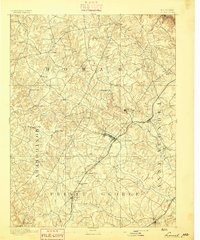 1894 Laurel1894 Print · USGSMaryland's central corridor in the 1890s reveals a landscape of growing rail towns and early industrial activity between major cities. Genealogists and historians can trace family-named crossroads and rail stops from Savage Sta. and Annapolis Junc. to the iron deposits near Muirkirk.4 unique versions available
 - 1894 Map of Relay
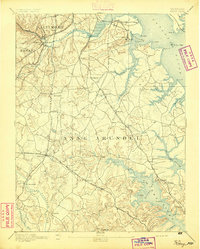 1894 Relay1894 Print · USGSAnne Arundel and Howard counties are shown in the late nineteenth century as the regional rail network reached its peak. Genealogists and historians can trace the early footprints of Glen Burnie, identify old landings like Whitneys Ld., and locate the St. Helena church.4 unique versions available
 - 1895 Map of Owensville
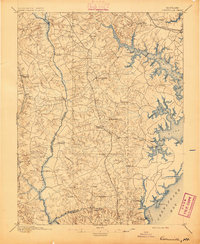 1895 Owensville1895 Print · USGSCoastal Anne Arundel County comes alive in this late nineteenth-century survey, from the winding Patuxent River to the shores of Herring Bay. Genealogists and local historians can trace the route of the Proposed Drum Point Railroad and find long-standing settlements like Obligation (Butler Tav.) and West River (Galesville).2 unique versions available
 - 1897 Map of Laurel
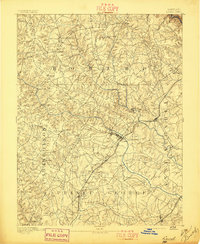 1897 Laurel1897 Print · USGSMaryland's central corridor comes to life in the 1890s, capturing the rail-and-river economy where Howard and Prince George's counties meet. Researchers can trace historic stops along the Baltimore and Ohio RR, locate local Iron Ore pits, and find old community hubs like Savage Sta. and Oakland Mills.
 - 1899 Map of Patuxent
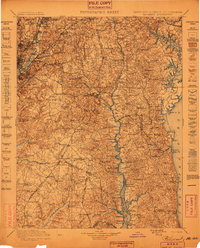 1899 Patuxent1899 Print · USGSSouthern Maryland in the late nineteenth century was a world of river wharves and emerging rail lines. Genealogists can trace family names across landings and settlements like Bladensburg, Upper Marlboro, and Piscataway Reform School before the landscape was modernised.3 unique versions available
 - 1900 Map of Washington
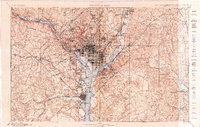 1900 Washington1900 Print · USGSThe capital region at the turn of the century shows a landscape of river-borne commerce and expanding rail lines. Genealogists and historians can trace defunct transport links like the Shepherd Ferry and early suburbs like North Takoma and Jackson City.2 unique versions available
 - 1905 Map of Owensville
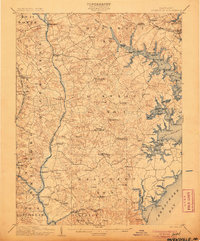 1905 Owensville1905 Print · USGSCoastal Maryland in the early twentieth century was a landscape of tide-water wharves and rural post offices. Genealogists can trace family connections through sites like Owensville West River PO, Hartges Wharf, and Mitchellville PO.5 unique versions available
 - 1906 Map of Patuxent
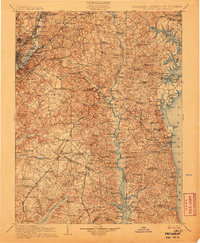 1906 Patuxent1906 Print · USGSThe Tidewater region of Maryland and the outskirts of the District of Columbia are shown here at the turn of the century. Researchers can trace the early footprints of Maryland Agril. College, find riverfront infrastructure at Milltown Landing, and follow long-established routes like the Marlboro Turnpike.4 unique versions available
 - 1907 Map of Laurel
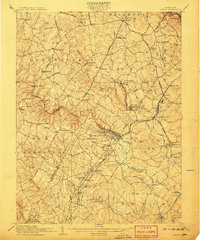 1907 Laurel1907 Print · USGSMaryland's transit corridor between Washington and Baltimore comes alive in the early 1900s as railroads and old turnpikes cross the Patuxent valley. Trace historical landmarks from the House of Reformation to old crossings like Old Forge Bridge and Brock Bridge.3 unique versions available
 - 1907 Map of Relay
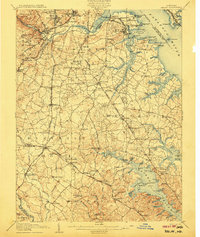 1907 Relay1907 Print · USGSAnne Arundel County and the Patapsco waterfront are shown here in the early nineteen-hundreds, as industry and maritime trade reshaped the Maryland coast. Genealogists and historians can trace rail lines and early settlements like Relay and Elkridge, or locate landmarks such as Fort Carroll and St. Stephens Church.8 unique versions available
 - 1908 Map of Patapsco
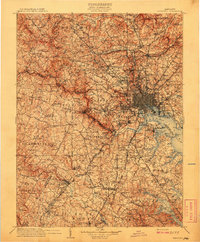 1908 Patapsco1908 Print · USGSMaryland's central corridor at the opening of the twentieth century reveals a dense network of harbor defenses and rail-line economies. Genealogists and historians can trace the foundations of Baltimore alongside local landmarks like Ashland Furnace, St Charles College, and Fort McHenry.4 unique versions available
 - 1926 Map of Laurel
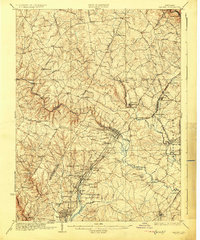 1926 Laurel1926 Print · USGSThe corridor between Baltimore and Washington is captured here in the mid-twenties, showcasing a landscape of river-powered industry and early rail networks. Genealogists can locate family landmarks like Hicks Mill, the Willis School, and the Montgomery Chapel Cem.4 unique versions available
 - 1934 Map of Upper Marlboro (east half)
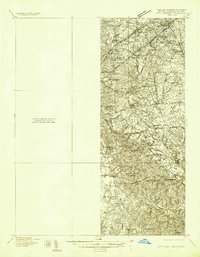 1934 Upper Marlboro (east half)1934 Print · USGSPrince George's County is captured here in the mid-1930s as a rural landscape of crossroads communities and evolving rail lines. Genealogists and historians can trace family roots through landmarks like St Luke Ch, Glenarden Sch, and the route of the Chesapeake Beach RR.2 unique versions available
 - 1937 Map of Upper Marlboro
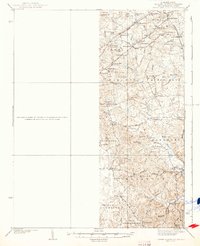 1937 Upper Marlboro1937 Print · USGSMid-century Prince George’s County is captured here just as modern highways began to intersect its rural rail and school districts. Researchers can find old landmarks like St Barnabas Ch, the Collington Sch, and the busy Pennsylvania railroad line.
 - 1938 Map of Upper Marlboro
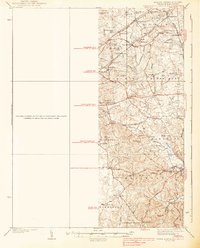 1938 Upper Marlboro1938 Print · USGSPrince George's County at the dawn of the modern era is captured here, showing the rural landscape before the post-war expansion. Researchers can trace family sites near Holy Trinity Ch, follow the Pennsylvania RR line, and locate centers like Rosaryville and Glenn Dale.3 unique versions available
 - 1942 Map of Laurel
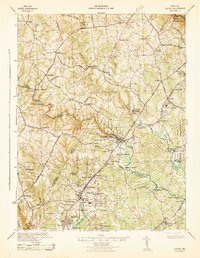 1942 Laurel1942 Print · USGSMaryland's corridor between Baltimore and Washington is seen here in the early 1940s as a land of rural schoolhouses and riverside mills. Researchers can trace family sites near Muirkirk, find the original Christian Brothers College, or locate historic river crossings like Brock Bridge and Duvall Bridge.
 - 1944 Map of Laurel
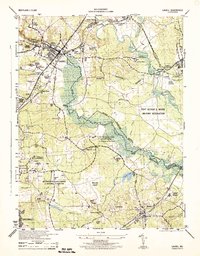 1944 Laurel1944 Print · USGSMaryland's interior between Baltimore and Washington shows a landscape of federal research and military activity during the war years. Genealogists and historians can trace the foundations of Greenbelt, the historic Laurel Race Track, and the specialized facilities of the Beltsville Research Center.
 - 1944 Map of Lanham
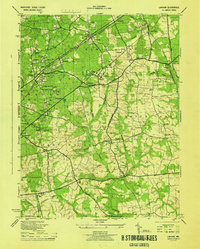 1944 Lanham1944 Print · USGSMid-century Prince George's County is seen here at a crossroads of rural life and institutional growth during the war years. Local historians can trace the foundations of Lanham, Glenarden, and Seabrook alongside sites like the Glenn Dale Sanitorium.
 - 1944 Map of Odenton
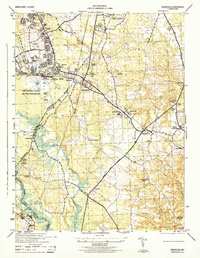 1944 Odenton1944 Print · USGSMid-century Anne Arundel County shows a blend of military activity and rural Maryland life during the war years. Genealogists and researchers can trace old crossroads and community landmarks like Waugh Chapel, the Bowie Race Track, and the US Naval Academy Dairy.2 unique versions available
 - 1944 Map of Davidsonville
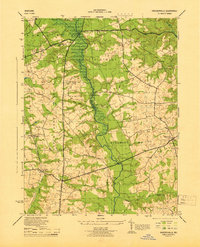 1944 Davidsonville1944 Print · USGSAnne Arundel and Prince George’s counties are captured during the mid-forties, showing the rural landscape before post-war suburbanization. Researchers can trace historic family connections through landmarks like White Marsh Church, Hardesty, and Mullikin.
 - 1946 Map of Odenton
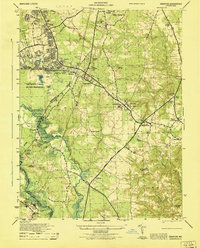 1946 Odenton1946 Print · USGSOdenton and the surrounding Anne Arundel countryside are captured here just after the war, when military expansion and rural crossroads met. Researchers can trace the sprawling Fort George G Meade and locate family landmarks like Waugh Chapel, Severn Crossroads, and the Bowie Race Track.
 - 1947 Map of Relay, 1954 Print
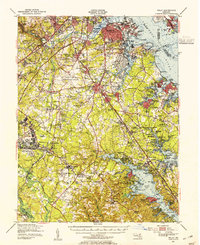 1947 Relay1954 Print · USGSMid-century Anne Arundel County is caught between its rail-and-river heritage and the rise of the jet age. Genealogists and local historians can trace the footprint of the Baltimore Friendship International Airport or locate family plots in Cedar Hill Cem and Arundel Cem.2 unique versions available
 - 1948 Map of Baltimore
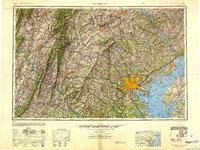 1948 Baltimore1948 Print · USGSMaryland and Pennsylvania crossroads are captured in the late 1940s, showing a landscape defined by historic rail lines and major military installations. Genealogists can trace family connections in Gettysburg, Westminster, and near the U.S. Naval Academy in Annapolis.2 unique versions available
Showing maps 1-25 of 66
Top cities near Bowie
- Washington historical maps
- Glen Burnie historical maps
- Odenton historical maps
- Severna Park historical maps
- Clinton historical maps
- Annapolis historical maps
See more
Top neighborhoods of Bowie
- Heather Hills historical maps
- Overbrook historical maps
- Idlewild historical maps
- Old Town Bowie historical maps
- Essington historical maps
- Huntington South historical maps
See more
Frequently asked questions
- What are the different types of historical maps available for Bowie?
- What is the oldest map of Bowie?
- Where can I purchase historical maps of Bowie for my home or office?
- Where can I download high-res historical maps of Bowie?
- Are there historical topographic maps available for Bowie?
- Is there historical aerial imagery available for Bowie?
- Where are historical maps of Bowie sourced from?