Old Maps of Westborough, Massachusetts for Hiking & Exploration
Hike through history with 55 historic maps of Westborough. Explore old trails, ghost towns, and forgotten backroads — perfect for outdoor adventurers and local explorers.
- Rediscover forgotten places: Map out old mining camps, roads, and footpaths that no longer exist on modern maps.
- Layer with modern tools: Combine with LiDAR or satellite views to plan hikes through historical terrain.
- Made for exploration: Popular among hikers, overlanders, and local history lovers.
Use these maps to find adventure and explore the hidden past of Westborough.
Westborough, MA maps
(55)- 1886 Map of Blackstone
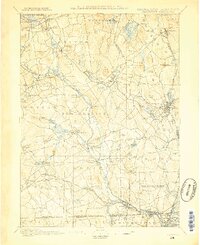 1886 Blackstone1886 Print · USGSThe Blackstone Valley at the height of its industrial era reveals a landscape of thriving mill towns and complex rail networks. Genealogists and historians can trace the growth of Whitinsville, Uxbridge, and East Douglas alongside landmarks like Purgatory Chasm.
 - 1887 Map of Marlboro
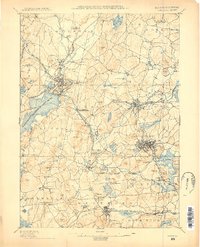 1887 Marlboro1887 Print · USGSWorcester County is captured during its industrial transition, showing the vital rail and water networks connecting the region. Researchers can trace the development of the Metropolitan Waterworks Aqueduct and locate landmarks like the Westboro Insane Hospital and Lyman School.
 - 1889 Map of Marlboro
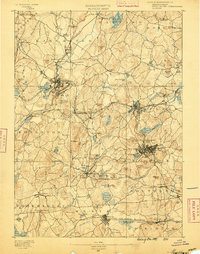 1889 Marlboro1889 Print · USGSCentral Massachusetts at the close of the 1880s was a bustling hub of rail activity and industrial development. Local historians can trace early transportation routes like the Fitchburg Railroad through Still River Station and find old-world village names like Rock Bottom and Straw Hollow.
 - 1889 Map of Blackstone
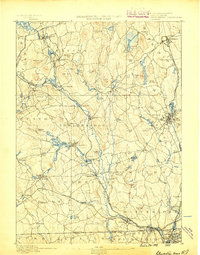 1889 Blackstone1889 Print · USGSThe Blackstone River valley thrives as an industrial powerhouse in the late 1880s, defined by its dense network of mill towns and competing rail lines. Researchers can trace the legacy of textile manufacturing and early commerce through Whitinsville, the Hayden Row P.O., and Millville.
 - 1893 Map of Blackstone
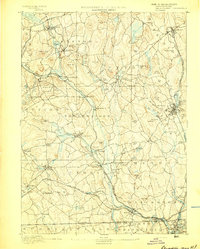 1893 Blackstone1893 Print · USGSThe Blackstone River valley at the height of its industrial era reveals a landscape of vital mill towns and complex rail networks. Genealogists and historians can trace the early footprints of Whitinsville, Uxbridge, and Millville alongside landmarks like Purgatory Chasm.2 unique versions available
 - 1896 Map of Marlboro
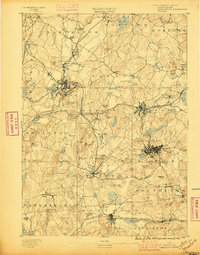 1896 Marlboro1896 Print · USGSCentral Massachusetts in the late nineteenth century is a landscape of thriving mill towns and interlocking rail lines. Researchers can trace the Victorian-era footprints of Marlboro and Clinton, locating vanished stops like Still River Station and family landmarks like Whittemore Hill.
 - 1898 Map of Marlboro
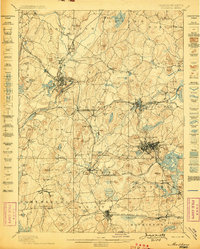 1898 Marlboro1898 Print · USGSCentral Massachusetts was a thriving network of rail and river industry at the end of the Victorian era. Genealogists and historians can trace the early layouts of manufacturing hubs like Clinton and Hudson or find smaller vanished locales like Rockbottom and Pratt Junction.8 unique versions available
 - 1900 Map of Blackstone
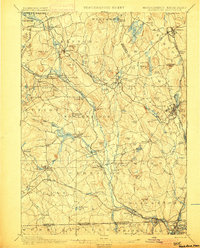 1900 Blackstone1900 Print · USGSThe Blackstone Valley was a bustling manufacturing corridor when this late Victorian-era survey was published. Genealogists and historians can trace the industrial mill villages along the Blackstone River, including Whitinsville, Manchaug, and Millville.7 unique versions available
 - 1908 Map of Quinsigamond
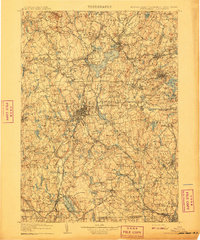 1908 Quinsigamond1908 Print · USGSCentral Massachusetts and its bordering states are seen here in the early twentieth century as industry and transit reshaped the Blackstone Valley. Genealogists and historians can trace the early footprints of Worcester, the expansion of the Wachusett Reservoir, and rail lines like the Boston and Albany Railroad.3 unique versions available
 - 1919 Map of Blackstone
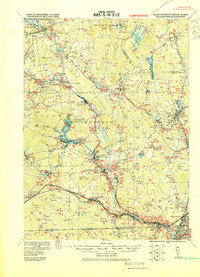 1919 Blackstone1919 Print · USGSThe Blackstone Valley at the end of the Great War was a dense network of industrial villages and crucial rail junctions. Genealogists and historians can trace the family-named landmarks of the era, from Saundersville and Linwood to the heights of Dorothy Hill.2 unique versions available
 - 1943 Map of Shrewsbury
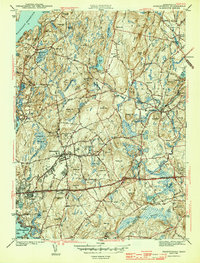 1943 Shrewsbury1943 Print · USGSShrewsbury and Northboro are depicted in the early 1940s during a period of significant institutional and transit growth in Worcester County. Genealogists and historians can locate legacy sites like the Grafton State Hospital, Pine Grove Cem, and the Boston and Maine RR lines.3 unique versions available
 - 1943 Map of Marlboro
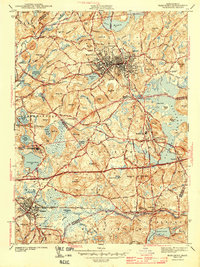 1943 Marlboro1943 Print · USGSMarlboro and its surrounding hill towns are captured in the early 1940s, showing a landscape defined by rail-fed industry and deep-rooted town centers. Genealogists can trace family landmarks like Robin Hill Cem and Hillside Sch alongside the rail villages of Cordaville and Fayville.2 unique versions available
 - 1943 Map of Quinsigamond
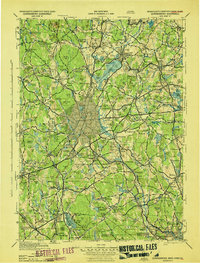 1943 Quinsigamond1943 Print · USGSCentral Massachusetts and its bordering states appear here during the Second World War as a powerhouse of rail infrastructure and public institutions. Researchers can trace the legacy of the region through landmarks like Grafton State Hospital, the Wachusett Reservoir, and the deep industrial roots of the Blackstone River.
 - 1944 Map of Grafton
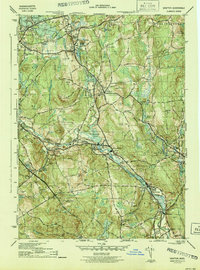 1944 Grafton1944 Print · USGSWorcester County is documented here during the mid-1940s, showing a landscape defined by industrial river towns and sprawling institutional grounds. Researchers can trace the heritage of Fisherville, Farnumsville, and Northbridge or locate local landmarks like the Harback Sch and St Johns Cem.5 unique versions available
 - 1946 Map of Milford
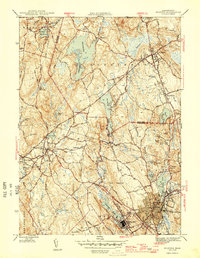 1946 Milford1946 Print · USGSMid-century Worcester County comes to life as the industrial and rail hubs of Milford and Hopedale thrive before the highway era. Genealogists and historians can trace rail lines like the New York Central and locate sites like the County Home or St Marys Cem.2 unique versions available
 - 1948 Map of Boston
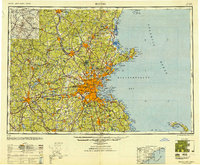 1948 Boston1948 Print · USGSEastern Massachusetts and southern New Hampshire appear at an industrial peak in the late 1940s, just as suburban growth began to accelerate. Genealogists and historians can trace rail lines like the Boston and Albany RR or locate coastal landmarks like Graves Lighthouse and Fort Devens.2 unique versions available
 - 1953 Map of Shrewsbury, 1954 Print
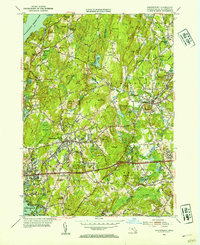 1953 Shrewsbury1954 Print · USGSWorcester County during the mid-fifties shows a landscape of growing towns and significant public institutions between the Wachusett Reservoir and Northboro. Genealogists and researchers can locate the Grafton State Hospital, Pine Grove Cem, and the Lyman State Sch.3 unique versions available
 - 1953 Map of Milford, 1955 Print
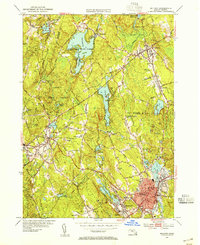 1953 Milford1955 Print · USGSMilford and Hopkinton are shown in the early fifties, a time when rail lines still connected these growing Worcester County towns. Genealogists and local historians can locate St Marys Cath, trace the New York New Haven and Hartford RR, and explore family plots at Evergreen Cem.4 unique versions available
 - 1953 Map of Marlboro, 1955 Print
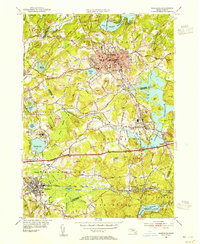 1953 Marlboro1955 Print · USGSMid-century Worcester County was a bustling corridor of industry and education at the height of the rail era. Researchers can trace family homesteads near Maplewood Cem or explore the institutional grounds of Westborough State Hospital and St Marks Sch.4 unique versions available
 - 1953 Map of Grafton, 1955 Print
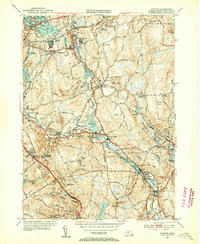 1953 Grafton1955 Print · USGSThe Blackstone River valley comes alive in the 1950s, showing a landscape of mill villages and established townships. Genealogists can trace family names through Riverside Cem, St Johns Ch, and the grounds of Grafton State Hospital.4 unique versions available
 - 1956 Map of Boston, 1967 Print
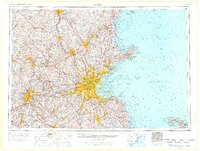 1956 Boston1967 Print · USGSThe Massachusetts coastline and industrial interior are seen here during the mid-century peak of suburban and highway expansion. Researchers can trace historic harbor defenses like Fort Revere, local landmarks such as Faneuil Hall, and the vast Parker River National Wildlife Refuge.6 unique versions available
 - 1958 Map of Boston
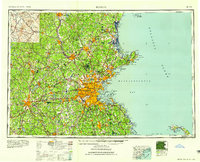 1958 Boston1958 Print · USGSEastern Massachusetts and southern New Hampshire are shown at the height of the industrial era, before the full expansion of the interstate system. Trace coastal defenses at Fort Warren, historic rail lines like the Boston and Maine, and the development of the Mass. 128 corridor.2 unique versions available
 - 1961 Map of Boston
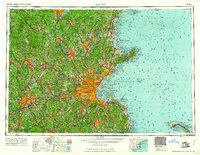 1961 Boston1961 Print · USGSThe Massachusetts coastline and its industrial interior are detailed here in the mid-twentieth century, from the Monadnock highlands to Cape Cod. Researchers can trace the rail routes of the Boston and Maine or locate landmarks like Fort Devens and the Wachusett Reservoir.2 unique versions available
 - 1968 Map of Milford, 1971 Print
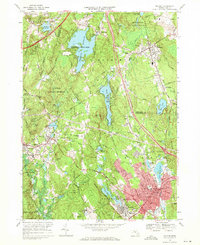 1968 Milford1971 Print · USGSMid-century Massachusetts comes to life in this survey of the Milford and Hopedale area during a period of industrial maturity. Researchers can trace family roots through numerous sites like St Marys Cem, Pratt Pond, and Upton.2 unique versions available
 - 1969 Map of Marlborough, 1971 Print
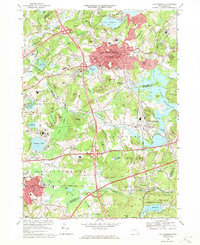 1969 Marlborough1971 Print · USGSMarlborough and Westborough are shown in a period of significant growth as the interstate system reshapes the region. Genealogists and historians can trace family plots and local landmarks at St Lukes Cem, the Westborough State Hospital, and Marlborough Junction.2 unique versions available
Showing maps 1-25 of 55
Top cities near Westborough
- Worcester historical maps
- Framingham historical maps
- Leominster historical maps
- Marlborough historical maps
- Shrewsbury historical maps
- Franklin historical maps
See more
Top neighborhoods of Westborough
Frequently asked questions
- What are the different types of historical maps available for Westborough?
- What is the oldest map of Westborough?
- Where can I purchase historical maps of Westborough for my home or office?
- Where can I download high-res historical maps of Westborough?
- Are there historical topographic maps available for Westborough?
- Is there historical aerial imagery available for Westborough?
- Where are historical maps of Westborough sourced from?