Old Maps of Dorr Township, Michigan for Academic Research
Study the evolution of Dorr Township with 33 high-resolution historic maps. Whether you're teaching, researching, or modeling changes in land use, these maps provide essential visual documentation of urban, environmental, and geographic change.
- Analyze long-term change: Track patterns in development, transportation, and natural features.
- Ideal for environmental or urban studies: Support academic projects with primary historical map data.
- Use in the classroom or lab: Educators and researchers rely on these maps to bring historical context to life.
These maps are a powerful tool for teaching, research, and visualizing how Dorr Township has changed over the decades.
Dorr Township, MI maps
(33)- 1914 Map of Grand Rapids
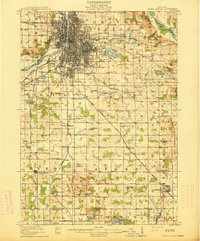 1914 Grand Rapids1914 Print · USGSGrand Rapids and its southern townships are captured in detail just before the Great War, showing a landscape defined by river industry and rail lines. Local historians can trace early settlements and schools such as Kelloggsville and Red School, or locate family landmarks near Reeds Lake.5 unique versions available
 - 1943 Map of Grand Rapids
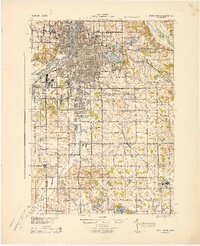 1943 Grand Rapids1943 Print · USGSGrand Rapids and its surrounding Kent County townships are captured here in the early 1940s, showing a landscape defined by river industry and rail expansion. Genealogists can trace family roots through dozens of named rural schools like Sodom Sch, the County Farm, and early settlements like Byron Center.
 - 1958 Map of Allegan, 1959 Print
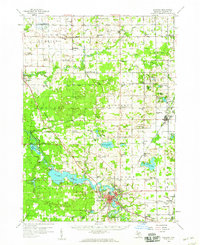 1958 Allegan1959 Print · USGSAllegan and the surrounding Michigan countryside are captured here in the late fifties, showcasing a landscape of river-fed industry and deep-wooded preserves. Genealogists can trace family roots through dozens of local landmarks like Maple Grove Sch, the Indian Mission, and the Oversel Cem.2 unique versions available
 - 1958 Map of Grandville, 1959 Print
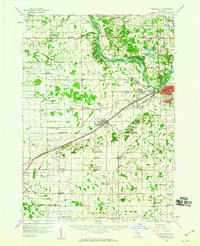 1958 Grandville1959 Print · USGSOttawa and Allegan counties are captured here in the late fifties, showing a landscape of small towns and rural school districts connected by the Grand River. Researchers can trace family roots through the many local landmarks, including the Zutphen Cem, Hanley Sch, and South Blendon.2 unique versions available
 - 1958 Map of Grand Rapids, 1973 Print
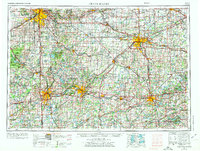 1958 Grand Rapids1973 Print · USGSSouthern Michigan at the peak of the postwar era shows a landscape of burgeoning cities and new interstate highways. Trace family roots and regional growth in Grand Rapids, Battle Creek, and the glacial lake country around Gun Lake or Gull Lake.2 unique versions available
 - 1959 Map of Wayland
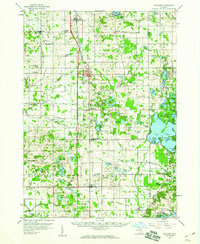 1959 Wayland1959 Print · USGSAllegan and Barry counties at the end of the fifties show a landscape of thriving rail towns and lakeside summer retreats. Genealogists and local historians can trace family-named sites like Bowens Mill, rural parish schools such as St Stanislaus Sch, and the numerous islands of Gun Lake.2 unique versions available
 - 1961 Map of Grand Rapids
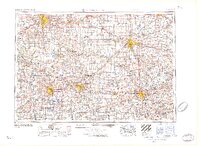 1961 Grand Rapids1961 Print · USGSSouthern Michigan at the dawn of the 1960s reveals a region shaped by major river systems and a robust rail network. Trace mid-century industrial growth and land use from Grand Rapids to the Fort Custer Military Reservation and Gun Lake.
 - 1962 Map of Grand Rapids
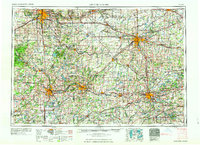 1962 Grand Rapids1962 Print · USGSMid-century Southern Michigan is mapped here at a time of massive growth, showing the expanding urban footprints of Grand Rapids and Lansing. Researchers can trace the legacy of the Grand Trunk Western RR, find historic boundaries of the Fort Custer Military Reservation, or locate sporting camps around Gun Lake.2 unique versions available
 - 1967 Map of Cutlerville, 1969 Print
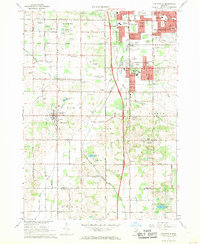 1967 Cutlerville1969 Print · USGSThe southern suburbs of Grand Rapids transition into Kent County farmland during the late sixties. Researchers can trace the development of Cutlerville and Byron Center alongside historic sites like Winchester Cem and Pine Hill.3 unique versions available
 - 1980 Map of Hudsonville East
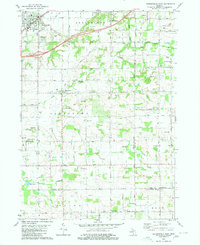 1980 Hudsonville East1980 Print · USGSOttawa County in the mid-seventies shows a mix of growing suburban hubs and active rural industry. Genealogists and historians can trace family plots at Jamestown Cem or explore the southern Oil and Gas Field near New Salem.
 - 1981 Map of Burnips, 1982 Print
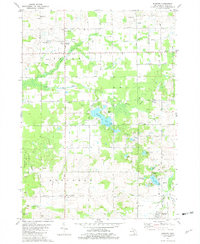 1981 Burnips1982 Print · USGSAllegan County in the late seventies is captured here as a mix of traditional farm life and an active Oil and Gas Field. Researchers can trace old family names at Burnips Cem or locate rural landmarks like the Indian Mission and St Pauls Sch.
 - 1982 Map of Wayland
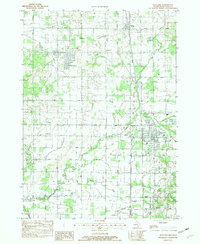 1982 Wayland1982 Print · USGSAllegan County life in the early eighties is captured here across several townships and small hamlets connected by the Conrail line. Genealogists can trace family footprints at St Stanislaus Cem, Maplewood Cem, and the old Baker Sch in Wayland.
 - 1984 Map of Grand Rapids
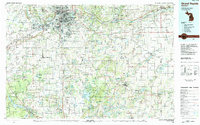 1984 Grand Rapids1984 Print · USGSWest Michigan in the mid-eighties shows a thriving metropolitan core surrounded by expansive state recreation areas and river valleys. Genealogists and local historians can trace developments around Grand Rapids, institutional landmarks like Grand Rapids Bible College, and the quiet reaches of Jordan Lake.
 - 2011 Map of Burnips, 2011 Print
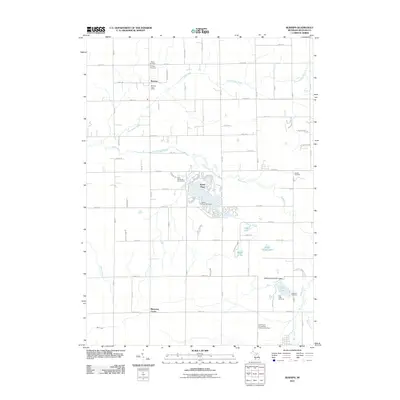 2011 Burnips2011 Print · USGSAllegan County's agricultural heartland and seasonal retreats are captured here in the early twenty-first century. Genealogists and local researchers can trace legacy family locations through Salem Cemetery, Burnips Cemetery, and the historic crossroads of Monterey Center.
 - 2011 Map of Wayland, 2011 Print
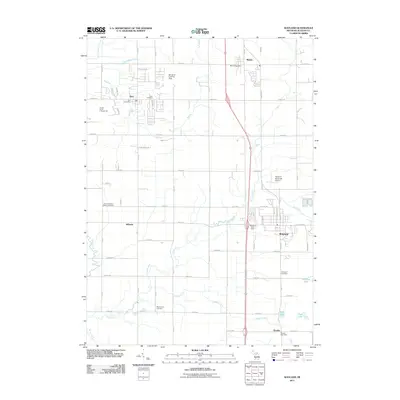 2011 Wayland2011 Print · USGSAllegan County's agricultural heartland is documented in the early 21st century as a landscape of grid roads and winding waterways. Genealogists and local historians can locate several historic burial sites, including Maplewood Cemetery and Dorr Cemetery, alongside the village centers of Hilliards and Moline.
 - 2011 Map of Hudsonville East, 2011 Print
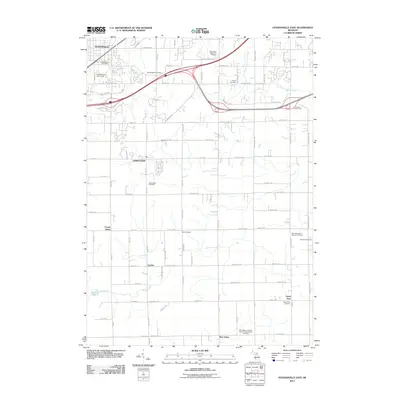 2011 Hudsonville East2011 Print · USGSOttawa and Allegan Counties are captured here as traditional farming hamlets began to blend into suburban reaches. Genealogists can trace family roots through numerous sites like Shackhuddle Cemetery, Jamestown Cemetery, and the old settlement of Gitchel.
 - 2011 Map of Cutlerville, 2011 Print
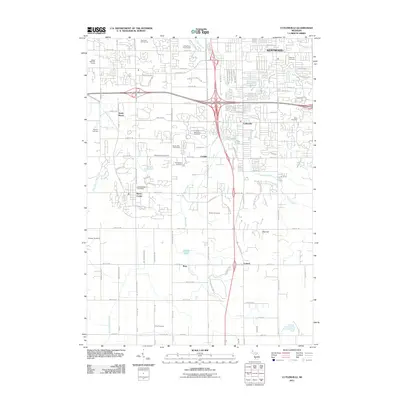 2011 Cutlerville2011 Print · USGSThe suburban and rural landscapes south of Grand Rapids are captured here in the early twenty-first century. Researchers can trace family history through a dense network of burial grounds like Winchester Cemetery and Boynton Cemetery or locate the old Byron Center Post Office.
 - 2014 Map of Wayland, 2014 Print
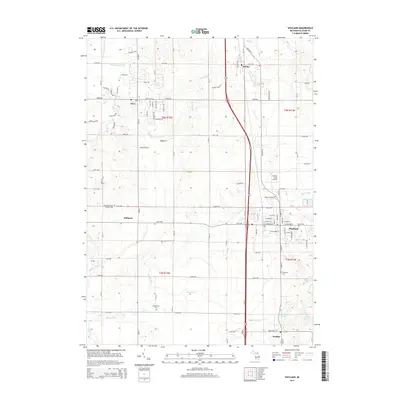 2014 Wayland2014 Print · USGSAllegan County’s rural character and small-town centers are captured here during a period of steady development in the early twenty-first century. Genealogists and local historians can locate several family burial sites like Dorr Cem and Elmwood Cem alongside the waters of Rabbit River.
 - 2014 Map of Burnips, 2014 Print
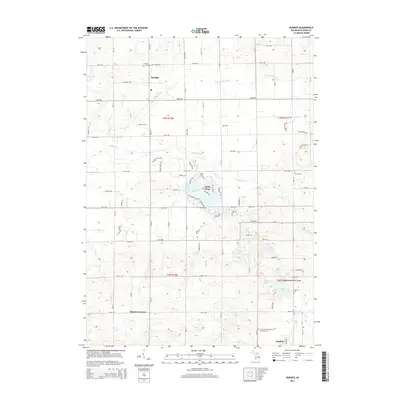 2014 Burnips2014 Print · USGSThe rural landscape of Allegan County in the early 2000s centers on the agricultural hubs of Burnips and Hopkins. Local researchers can locate numerous family and community landmarks, from the Tanner Cem to the waters of the Rabbit River and Monterey Lake.
 - 2014 Map of Hudsonville East, 2014 Print
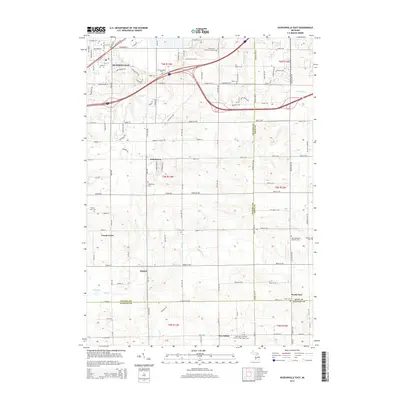 2014 Hudsonville East2014 Print · USGSOttawa, Kent, and Allegan counties converge in this 2014 survey, capturing the rural-to-suburban transition of West Michigan. Genealogists and local historians can trace family roots through numerous local sites like Jamestown Cem, Gitchel, and North Dorr.
 - 2014 Map of Cutlerville, 2014 Print
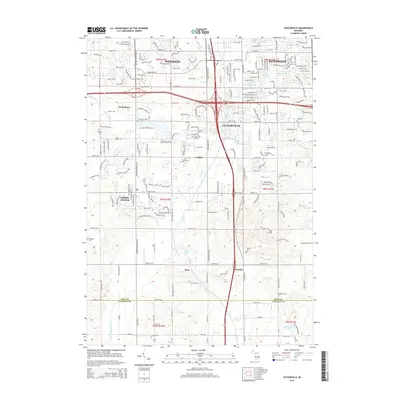 2014 Cutlerville2014 Print · USGSThe growing suburbs south of Grand Rapids meet the farm tracts of the Allegan County line during the mid-2010s. Genealogists can locate numerous local burial grounds including Pine Hill Cem and Winchester Cem, or trace the rail heritage at Byron Station.
 - 2017 Map of Hudsonville East, 2017 Print
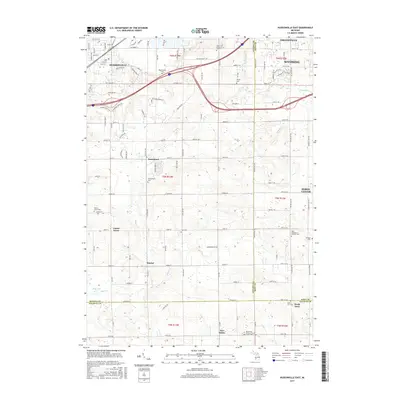 2017 Hudsonville East2017 Print · USGSOttawa and Kent counties meet in this modern survey of the Grand Rapids periphery, from Hudsonville to Byron Center. Genealogists can trace family names at numerous burial sites like Hanley Cem, Star Cem, and Winegar Cem.
 - 2017 Map of Burnips, 2017 Print
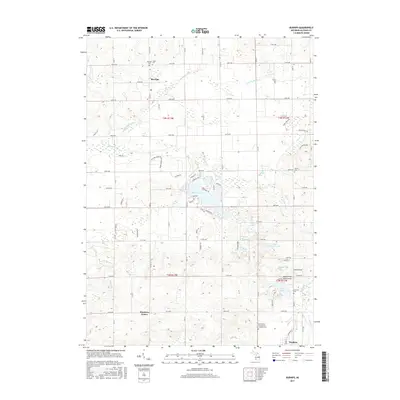 2017 Burnips2017 Print · USGSThe rural countryside of Allegan County comes into focus here during the mid-2010s, showing a landscape shaped by glacial lakes and a strict grid of county roads. Researchers can locate several family and community burial sites including Salem Cem, Tanner Cem, and Lakeview Cem near Monterey Center.
 - 2017 Map of Wayland, 2017 Print
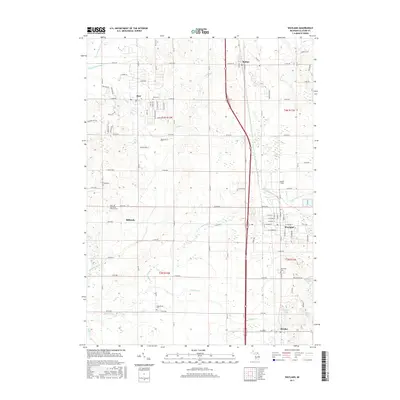 2017 Wayland2017 Print · USGSAllegan County in the late 2010s shows a landscape of established townships and small-town centers linked by the historic section grid. Trace local history through detailed sites like Saint Stanislaus Catholic Cem, the Rabbit River watershed, and the distinct layouts of Dorr and Wayland.
 - 2017 Map of Cutlerville, 2017 Print
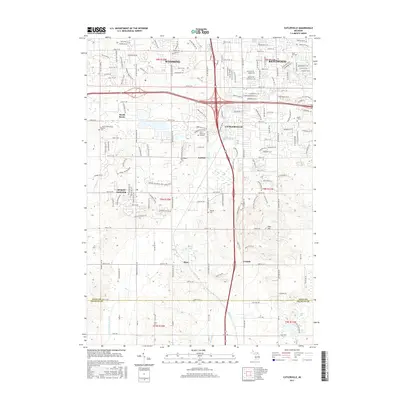 2017 Cutlerville2017 Print · USGSThe suburbs of Grand Rapids meet the northern edge of Allegan County in this late 2010s survey. Researchers can locate numerous local burial sites like Boynton Cem and Weaver Cem or trace the development around Byron Center and Ross.
Showing maps 1-25 of 33
Top cities near Dorr Township
- Grand Rapids historical maps
- Wyoming historical maps
- Kentwood historical maps
- Gaines Charter Township historical maps
- Byron Township historical maps
- Walker historical maps
See more
Top neighborhoods of Dorr Township
Frequently asked questions
- What are the different types of historical maps available for Dorr Township?
- What is the oldest map of Dorr Township?
- Where can I purchase historical maps of Dorr Township for my home or office?
- Where can I download high-res historical maps of Dorr Township?
- Are there historical topographic maps available for Dorr Township?
- Is there historical aerial imagery available for Dorr Township?
- Where are historical maps of Dorr Township sourced from?