Old Maps of Antrim County, Michigan for Academic Research
Study the evolution of Antrim County with 142 high-resolution historic maps. Whether you're teaching, researching, or modeling changes in land use, these maps provide essential visual documentation of urban, environmental, and geographic change.
- Analyze long-term change: Track patterns in development, transportation, and natural features.
- Ideal for environmental or urban studies: Support academic projects with primary historical map data.
- Use in the classroom or lab: Educators and researchers rely on these maps to bring historical context to life.
These maps are a powerful tool for teaching, research, and visualizing how Antrim County has changed over the decades.
Antrim County, MI maps
(142)- 1954 Map of Central Lake, 1955 Print
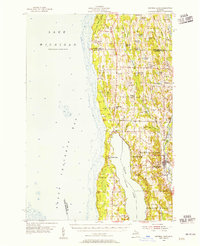 1954 Central Lake1955 Print · USGSNorthern Antrim County in the mid-fifties is defined by the winding shores of Torch Lake and the inland Chain of Lakes. Local historians can trace the foundations of Central Lake and rural landmarks like the Greenwood Grange Sch or Antrim Cem.2 unique versions available
 - 1954 Map of Traverse City, 1965 Print
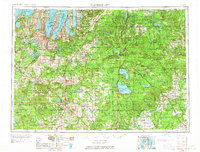 1954 Traverse City1965 Print · USGSNorthern Michigan’s vast lakeshores and timberlands are captured here in the mid-fifties, showing the region before the modern interstate era. Genealogists and researchers can trace rail connections like the Detroit and Mackinac RR or find old communities such as Suttons Bay, Elk Rapids, and Prudenville.4 unique versions available
 - 1955 Map of Cheboygan, 1964 Print
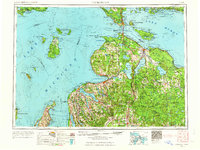 1955 Cheboygan1964 Print · USGSNorthern Michigan in the mid-fifties is a landscape of dense timber and deep water, showing the region just as the road network began to modernize. Trace family roots in lakeside towns like St Ignace and Petoskey, or follow the historic tracks of the Pennsylvania RR and New York Central RR.5 unique versions available
 - 1956 Map of Alba
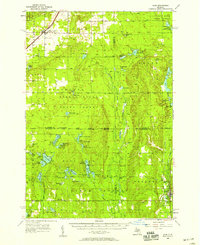 1956 Alba1956 Print · USGSAntrim and Kalkaska counties are shown here in the mid-1950s, a period when these northern Michigan forests were heavily managed for conservation and recreation. Researchers can trace the Pennsylvania rail line into Alba or locate isolated landmarks like Barnhart Sch and Deward.3 unique versions available
 - 1956 Map of Mancelona, 1957 Print
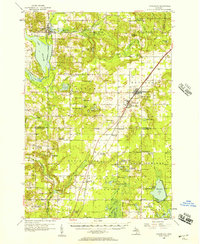 1956 Mancelona1957 Print · USGSAntrim and Kalkaska Counties come into focus during the mid-fifties, showing the intersection of the Pennsylvania railroad and the Pigeon River State Forest. Genealogists can trace family roots through several rural burial grounds and schools, including Maple Grove Cem and the Hardy Sch.4 unique versions available
 - 1957 Map of Elk Rapids, 1958 Print
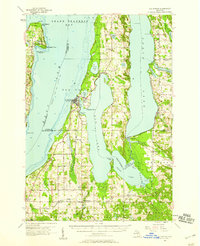 1957 Elk Rapids1958 Print · USGSThe Grand Traverse Bay region and the Chain of Lakes are captured here during the late fifties, showing the area's intricate balance of water and rail. Researchers can trace the Chesapeake and Ohio railroad through Rapid City and locate landmarks like the Lighthouse and Clam Lake Sch (Abandoned).2 unique versions available
 - 1958 Map of Cheboygan
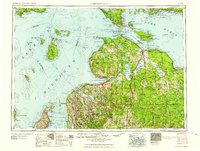 1958 Cheboygan1958 Print · USGSThe tip of Michigan's Lower Peninsula and the surrounding Great Lakes islands are shown here in the late fifties, during the peak of the rail-and-ferry era. Trace the paths of the Pennsylvania RR and explore lakeside settlements like St James, Petoskey, and Indian River.2 unique versions available
 - 1958 Map of Traverse City
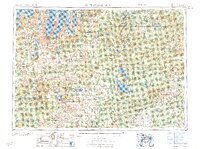 1958 Traverse City1958 Print · USGSNorthern Lower Michigan was a landscape of vast state forests and burgeoning lakeside retreats in the late fifties. Genealogists and historians can trace the rail corridors of the Ann Arbor RR and find established settlements from Elk Rapids to Houghton Lake.2 unique versions available
 - 1961 Map of Boyne Falls, 1963 Print
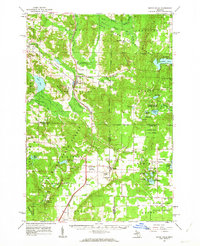 1961 Boyne Falls1963 Print · USGSNorthern Michigan’s timber and ski country is shown here in the early sixties as the recreational economy began to reshape the landscape. Researchers can trace family roots at St Augustine Cem, locate the old Schoolhouse, or follow the Pennsylvania rail line through Boyne Falls and Elmira.2 unique versions available
 - 1961 Map of Boyne City, 1963 Print
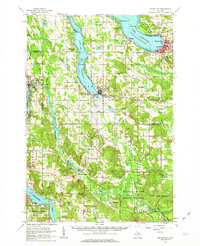 1961 Boyne City1963 Print · USGSCharlevoix and Antrim Counties are captured here in the early sixties, showing the transition between the glacial lake-country and the surrounding highland townships. Researchers can locate dozens of family-history landmarks like Vance Chapel, Calvary Cem, and the tracks of the Chesapeake and Ohio railroad.2 unique versions available
 - 1975 Map of Mancelona NE, 1976 Print
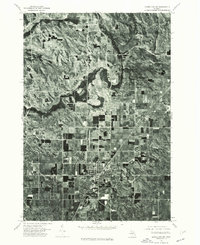 1975 Mancelona NE1976 Print · USGSNorthern Michigan’s agricultural and woodland patterns are captured in striking detail during the mid-seventies. Trace property boundaries and early building footprints across Mancelona and the nearby settlement of Antrim.
 - 1975 Map of Mancelona NW, 1976 Print
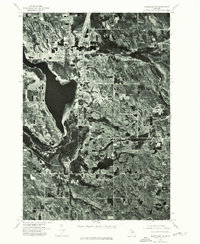 1975 Mancelona NW1976 Print · USGSAntrim County in the mid-seventies is captured in this detailed aerial perspective of the northern Chain o' Lakes region. Genealogists and local historians can trace the street layout of Bellaire and the developing shorelines of Lake Bellaire.
 - 1975 Map of Boyne City NW, 1976 Print
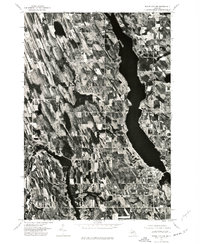 1975 Boyne City NW1976 Print · USGSNorthern Michigan during the mid-seventies comes into focus through this detailed aerial survey of the Charlevoix region. Trace the development of waterfront communities like East Jordan and Ellsworth along the shores of South Arm Lake Charlevoix.
 - 1982 Map of Petoskey
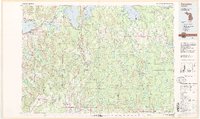 1982 Petoskey1982 Print · USGSNorthern Michigan in the early eighties shows a landscape of deep timber and vast inland lakes. Genealogists and historians can trace the rail corridors of the Michigan Central and Detroit and Mackinac between Petoskey, Gaylord, and Wolverine.
 - 1983 Map of Ellsworth, 1984 Print
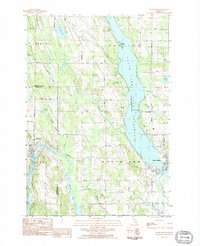 1983 Ellsworth1984 Print · USGSNorthern Michigan's lake-and-river network is on full display in the early eighties as Ellsworth and East Jordan thrive. Trace family roots at Lakeside Cem or follow the Chesapeake and Ohio rail line past Sixmile Lake.
 - 1983 Map of Atwood, 1984 Print
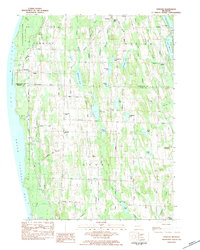 1983 Atwood1984 Print · USGSThe Lake Michigan coast of Antrim County is captured here in the early eighties, showcasing the rural landscapes between Grand Traverse Bay and the inland chain of lakes. Researchers can trace family roots at Antrim Cemetery or locate historic local landmarks like The Wayside Chapel and the Bell Tower Church.2 unique versions available
 - 1983 Map of Chestonia, 1984 Print
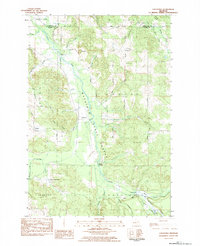 1983 Chestonia1984 Print · USGSAntrim County’s rural interior is documented here in the early 1980s, showcasing a landscape defined by state forest land and the winding Jordan River. Researchers can locate several quiet burial grounds and rural hubs like St Johns Church, Mt Bliss Cemetery, and the hamlet of Finkton.
 - 1983 Map of Central Lake, 1984 Print
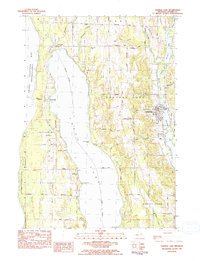 1983 Central Lake1984 Print · USGSAntrim County in the early eighties shows a landscape of deep inland waters and agricultural ridges. Genealogists can pinpoint family-named sites like Bennett Hill while locating ancestors in the Southern Cem or Russell Cem.
 - 1983 Map of Traverse City, 1984 Print
 1983 Traverse City1984 Print · USGSTraverse City and the surrounding bay country are captured in the early eighties as the region balanced its timber heritage with growing conservation. Genealogists and local historians can trace the rail lines of the Ann Arbor RR through settlements like Kingsley and Fife Lake.2 unique versions available
 - 1983 Map of Elk Rapids, 1984 Print
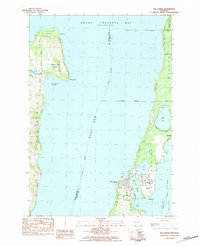 1983 Elk Rapids1984 Print · USGSGrand Traverse Bay and the narrow channels of the Elk River chain define this coastal region in the early eighties. Genealogists and local historians can trace the foundations of Elk Rapids and Old Mission, finding local landmarks like Maple Grove Cem and Lakeland Sch.
 - 1983 Map of Alden, 1984 Print
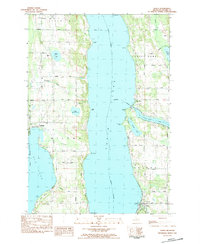 1983 Alden1984 Print · USGSAntrim County’s waterfront communities and massive inland lakes are captured in the early eighties as leisure and rural life intersected. Genealogists and local researchers can trace family lands near South Milton Cem, the village of Alden, and the shores of Torch Lake.
 - 1983 Map of Grayling, 1984 Print
 1983 Grayling1984 Print · USGSIn the early eighties, this Northern Michigan interior was a hub for forestry, military training, and river recreation. Researchers can trace the sprawling boundaries of Camp Grayling and locate historic markers like Hartwick Pines and Otsego Lake.2 unique versions available
 - 1983 Map of Scotts Lake, 1984 Print
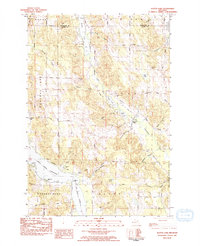 1983 Scotts Lake1984 Print · USGSThe Chain o' Lakes region of Antrim County is shown here in the early eighties as its shoreline communities and timberlands evolved. Researchers can find family landmarks and local institutions like Dingman School, Vance Chapel, and Morehouse Cem.
 - 1983 Map of Torch River, 1984 Print
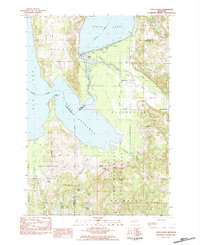 1983 Torch River1984 Print · USGSNorthern Michigan’s inland waterways are captured in the early 1980s as they flow through Antrim and Kalkaska counties. Local researchers can trace family landmarks like St Mary Cem, Clearwater Chapel, and the riverside settlement of Rapid City.
 - 1983 Map of Williamsburg, 1984 Print
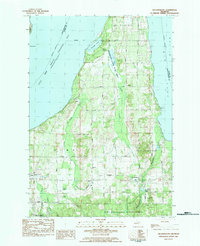 1983 Williamsburg1984 Print · USGSGrand Traverse County in the early eighties shows a mix of quiet bayside living and the managed wilds of the Pere Marquette State Forest. Genealogists and local historians can trace family locations along Lautner Road or locate historical burials at Circle Hill Cem and Township Cem.
Showing maps 1-25 of 142
Top cities of Antrim County
Frequently asked questions
- What are the different types of historical maps available for Antrim County?
- What is the oldest map of Antrim County?
- Where can I purchase historical maps of Antrim County for my home or office?
- Where can I download high-res historical maps of Antrim County?
- Are there historical topographic maps available for Antrim County?
- Is there historical aerial imagery available for Antrim County?
- Where are historical maps of Antrim County sourced from?