Old Maps of Lansing, Michigan for Hiking & Exploration
Hike through history with 33 historic maps of Lansing. Explore old trails, ghost towns, and forgotten backroads — perfect for outdoor adventurers and local explorers.
- Rediscover forgotten places: Map out old mining camps, roads, and footpaths that no longer exist on modern maps.
- Layer with modern tools: Combine with LiDAR or satellite views to plan hikes through historical terrain.
- Made for exploration: Popular among hikers, overlanders, and local history lovers.
Use these maps to find adventure and explore the hidden past of Lansing.
Lansing, MI maps
(33)- 1909 Map of Mason, 1965 Print
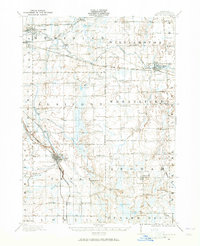 1909 Mason1965 Print · USGSIngham County at the turn of the century shows a landscape defined by the intersection of major rail lines and a dense network of one-room schoolhouses. Genealogists can trace early landmarks like Haslett, Dansville, and numerous family-named schools like Akers School or Kipp School.
 - 1910 Map of Lansing, 1958 Print
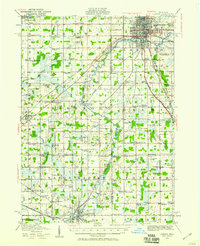 1910 Lansing1958 Print · USGSThe state capital and its surrounding agrarian townships are captured here during a period of significant growth at the start of the 1910s. Genealogists can trace hundreds of family farms and local landmarks including Dolly Varden School, Grovenberg Church, and the Pere Marquette rail lines.
 - 1911 Map of Mason
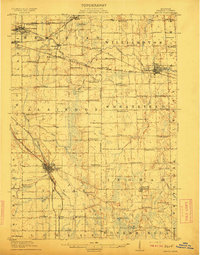 1911 Mason1911 Print · USGSIngham County at the start of the twentieth century shows a landscape of busy rail junctions and rural school districts. Genealogists can trace family roots through dozens of named country schools like White Dog School and Marble School, or locate ancestral property near Mason and Dansville.3 unique versions available
 - 1912 Map of Lansing
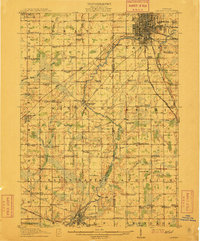 1912 Lansing1912 Print · USGSLansing and the surrounding townships are captured in 1912 as the region's rural character met the growing industrial city. Genealogists can trace family footprints through dozens of country school sites like Dolly Varden School or settlements such as Dimondale and Canada Settlement.4 unique versions available
 - 1927 Map of De Witt
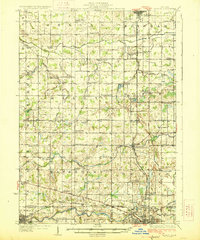 1927 De Witt1927 Print · USGSClinton County and its neighbors are captured here in the 1920s, showing a landscape of small farming townships and river-fed settlements. Researchers can trace dozens of rural school sites like Bengal Center School and local landmarks like Oak Ridge Cemetery or the Wilsey Church.3 unique versions available
 - 1958 Map of Grand Rapids, 1973 Print
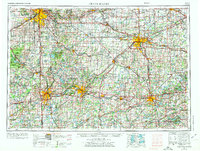 1958 Grand Rapids1973 Print · USGSSouthern Michigan at the peak of the postwar era shows a landscape of burgeoning cities and new interstate highways. Trace family roots and regional growth in Grand Rapids, Battle Creek, and the glacial lake country around Gun Lake or Gull Lake.2 unique versions available
 - 1961 Map of Grand Rapids
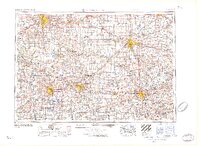 1961 Grand Rapids1961 Print · USGSSouthern Michigan at the dawn of the 1960s reveals a region shaped by major river systems and a robust rail network. Trace mid-century industrial growth and land use from Grand Rapids to the Fort Custer Military Reservation and Gun Lake.
 - 1962 Map of Grand Rapids
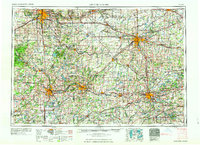 1962 Grand Rapids1962 Print · USGSMid-century Southern Michigan is mapped here at a time of massive growth, showing the expanding urban footprints of Grand Rapids and Lansing. Researchers can trace the legacy of the Grand Trunk Western RR, find historic boundaries of the Fort Custer Military Reservation, or locate sporting camps around Gun Lake.2 unique versions available
 - 1965 Map of Lansing South, 1967 Print
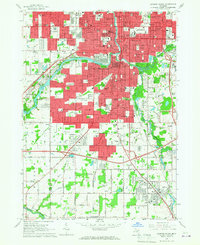 1965 Lansing South1967 Print · USGSGreater Lansing is captured in a period of significant mid-century expansion along the Grand River and Red Cedar River corridors. Genealogists and local historians can trace family plots in Mt Hope Cemetery or locate old neighborhood landmarks like St Mary Sch and the settlement of Millett.3 unique versions available
 - 1965 Map of Lansing North, 1967 Print
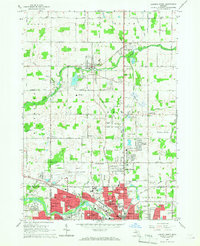 1965 Lansing North1967 Print · USGSThe northern reaches of Lansing and the rural DeWitt area come to life in this mid-sixties survey. Researchers can trace family history at St Joseph Cemetery, locate old schoolhouses like Brown Sch, and follow the New York Central Railroad corridor.3 unique versions available
 - 1965 Map of Dimondale, 1967 Print
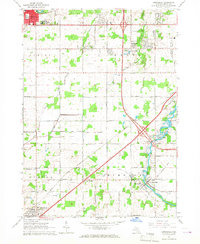 1965 Dimondale1967 Print · USGSMid-Michigan's river towns and farming townships are captured here in the mid-sixties, just as the regional highway system was beginning to reshape the countryside. Genealogists and local historians can locate early burial sites like Pray Cem, old schoolhouses such as Delta Center Sch, and the industrial path of the Grand Trunk Western Railroad.3 unique versions available
 - 1970 Map of East Lansing, 1973 Print
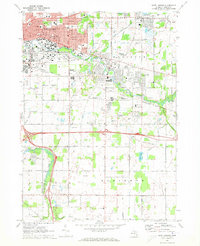 1970 East Lansing1973 Print · USGSThe East Lansing area and surrounding townships are captured here in the early 1970s as suburban growth expanded eastward. Researchers can trace local landmarks like Michigan State University, Okemos Station, and the Leek Cems.3 unique versions available
 - 1983 Map of Lansing, 1984 Print
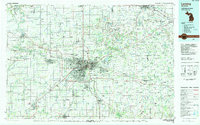 1983 Lansing1984 Print · USGSThe Lansing area and its surrounding river valleys are captured here in the early eighties. Genealogists and historians can trace the rail corridors of the Conrail or locate local landmarks like St Johns Ch and Greenwood Cem.
 - 2011 Map of East Lansing, 2011 Print
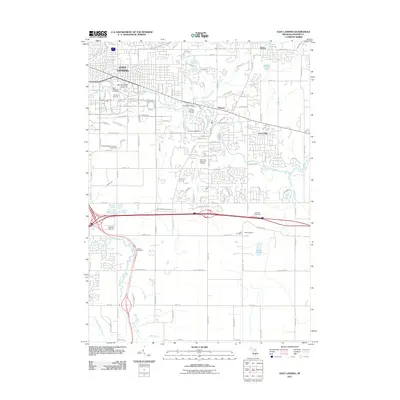 2011 East Lansing2011 Print · USGSThe sprawling campus of Michigan State University and the surrounding suburbs of Haslett and Okemos are captured here during the early twenty-first century. Researchers can trace local heritage through landmarks like Spartan Stadium and several family burial sites, including Leek Cemetery.
 - 2011 Map of Dimondale, 2011 Print
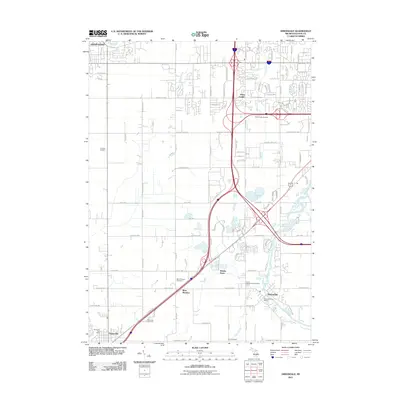 2011 Dimondale2011 Print · USGSGreater Lansing and Eaton County are captured here in a period of modern expansion along the Grand River corridor. Researchers can locate several burial grounds including Pray Cemetery and West Windsor Cemetery, alongside the old Dimondale Post Office.
 - 2011 Map of Lansing North, 2011 Print
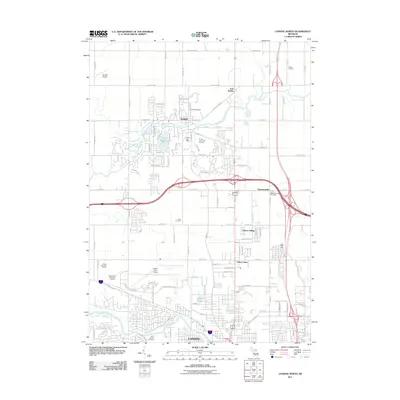 2011 Lansing North2011 Print · USGSNorth of the state capital during the early 21st century, this area shows the suburban growth of DeWitt and Valley Farms. Researchers can trace local heritage through several burial grounds, including Wilsey Cemetery and Gunnisonville Cemetery, or locate the Capital City Airport.
 - 2011 Map of Lansing South, 2011 Print
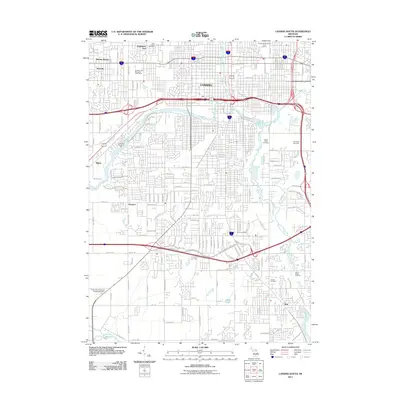 2011 Lansing South2011 Print · USGSLansing and its southern suburbs are captured here at the start of the 2010s, showing a landscape defined by river confluences and civic expansion. Genealogists can trace numerous local burial sites including Mount Hope Cemetery, Pioneer Cemetery, and North Cemetery.
 - 2014 Map of Dimondale, 2014 Print
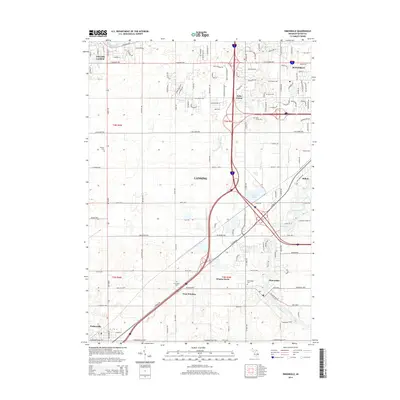 2014 Dimondale2014 Print · USGSLansing and its Eaton County neighbors are shown in the early twenty-first century as suburban growth meets established river towns. Trace local heritage at Delta Center Cem or follow the Grand River through Dimondale and Millett.
 - 2014 Map of East Lansing, 2014 Print
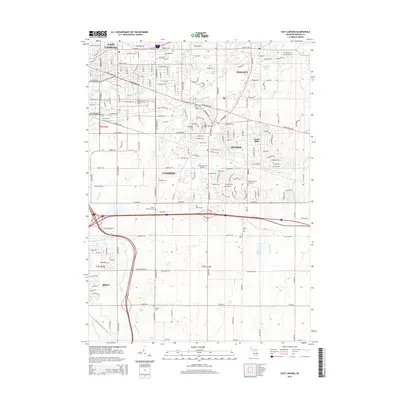 2014 East Lansing2014 Print · USGSGreater Lansing was a bustling academic and residential hub in the mid-2010s, centered around the Red Cedar River. Researchers can trace local heritage at Phillips Cemetery or explore the institutional grounds of Michigan State Univ and Lakeside Airport.
 - 2014 Map of Lansing South, 2014 Print
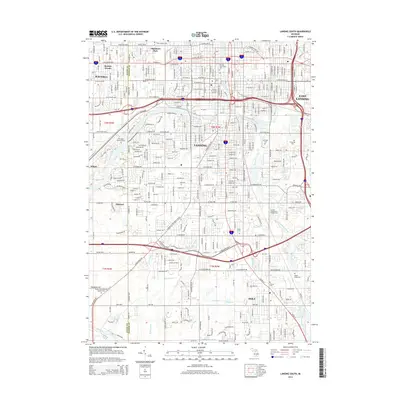 2014 Lansing South2014 Print · USGSThe state capital and its southern suburbs are captured here at a moment of significant 21st-century growth. Genealogists can trace numerous local sites such as Mt Hope Cemetery, Pioneer Cemetery, and the historic campus of Lansing Community College.
 - 2014 Map of Lansing North, 2014 Print
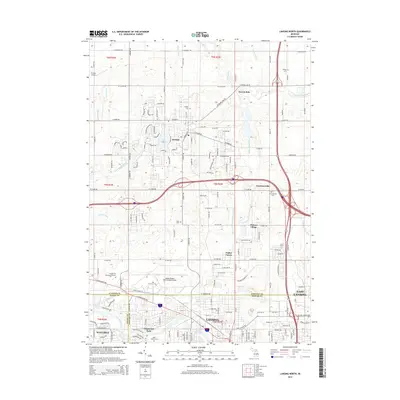 2014 Lansing North2014 Print · USGSThe northern edges of Michigan's capital city are captured in the mid-2010s, showing the intersection of heavy infrastructure and suburban growth. Researchers can trace the grounds of the Capital Region International Airport or locate burial sites like DeWitt Cem and Gunnisonville Cem along the Looking Glass River.
 - 2017 Map of Lansing South, 2017 Print
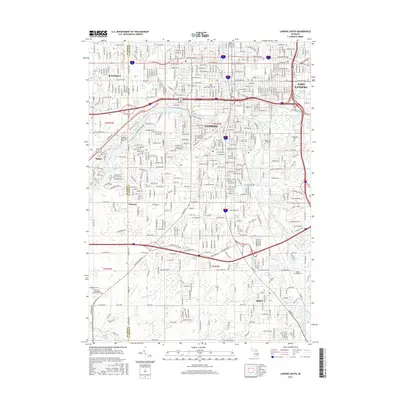 2017 Lansing South2017 Print · USGSLansing and its southern suburbs appear here in the late twenty-teens, showing the dense growth along the Red Cedar River. Genealogists can locate family sites within Mount Hope Cem or Pioneer Cem while tracing the residential expansion of Waverly and Holt.
 - 2017 Map of Dimondale, 2017 Print
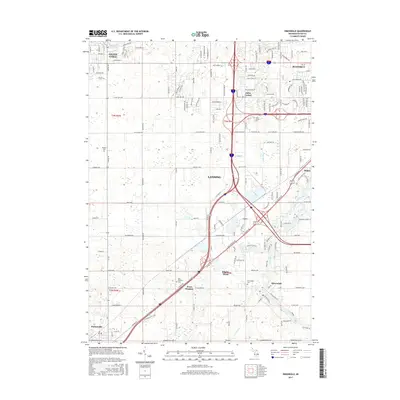 2017 Dimondale2017 Print · USGSThe outskirts of Lansing and the rural reaches of Eaton County come into focus during this period of 21st-century growth. Genealogists and local historians can trace the legacy of early families through the Pioneer Cemetery and Dimondale Cemetery.
 - 2017 Map of Lansing North, 2017 Print
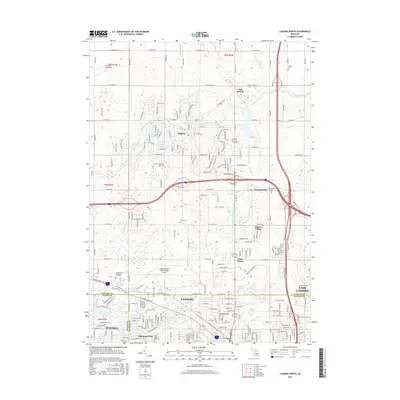 2017 Lansing North2017 Print · USGSLansing and the Looking Glass River valley are shown in the late 2010s at the intersection of three Michigan counties. Researchers can trace local burial grounds like Wilsey Cem and Hurd Cem or the suburban growth of Valley Farms and Gunnisonville.
 - 2017 Map of East Lansing, 2017 Print
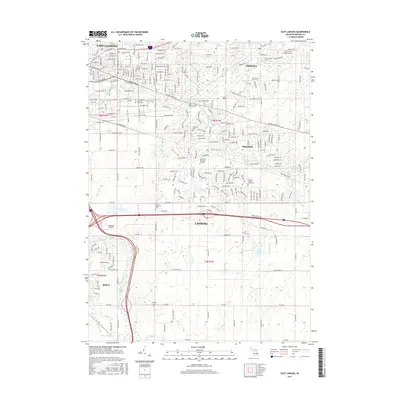 2017 East Lansing2017 Print · USGSGreater Lansing is shown here in the late 2010s, spanning the suburban and academic landscape between East Lansing and Holt. Researchers can trace local burial sites like Phillips Cem and Glendale Cem or locate the grounds of Michigan State Univ.
Showing maps 1-25 of 33
Top cities near Lansing
- East Lansing historical maps
- Mason historical maps
- Grand Ledge historical maps
- Eaton Rapids historical maps
- DeWitt historical maps
- Aurelius historical maps
See more
Top neighborhoods of Lansing
- Lady Hill historical maps
- Creston historical maps
- Shady Oaks historical maps
- Northtown historical maps
- River Forest historical maps
- Churchill Downs historical maps
See more
Frequently asked questions
- What are the different types of historical maps available for Lansing?
- What is the oldest map of Lansing?
- Where can I purchase historical maps of Lansing for my home or office?
- Where can I download high-res historical maps of Lansing?
- Are there historical topographic maps available for Lansing?
- Is there historical aerial imagery available for Lansing?
- Where are historical maps of Lansing sourced from?