Old Maps of Leroy Township, Michigan for Academic Research
Study the evolution of Leroy Township with 32 high-resolution historic maps. Whether you're teaching, researching, or modeling changes in land use, these maps provide essential visual documentation of urban, environmental, and geographic change.
- Analyze long-term change: Track patterns in development, transportation, and natural features.
- Ideal for environmental or urban studies: Support academic projects with primary historical map data.
- Use in the classroom or lab: Educators and researchers rely on these maps to bring historical context to life.
These maps are a powerful tool for teaching, research, and visualizing how Leroy Township has changed over the decades.
Leroy Township, MI maps
(32)- 1908 Map of Fowlerville, 1962 Print
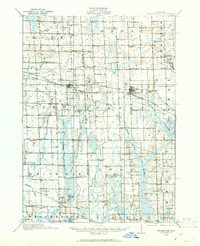 1908 Fowlerville1962 Print · USGSAgricultural life in Livingston and Ingham counties is documented here in the early twentieth century, centered on the Pere Marquette RR. Trace family roots through an extensive network of rural schools like Podunk School and small crossroads such as Belle Oak and Vantown.2 unique versions available
 - 1909 Map of Mason, 1965 Print
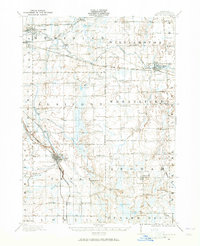 1909 Mason1965 Print · USGSIngham County at the turn of the century shows a landscape defined by the intersection of major rail lines and a dense network of one-room schoolhouses. Genealogists can trace early landmarks like Haslett, Dansville, and numerous family-named schools like Akers School or Kipp School.
 - 1910 Map of Fowlerville
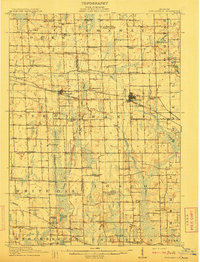 1910 Fowlerville1910 Print · USGSBefore the age of consolidated schools and modern highways, this 1910 survey shows the rural landscape of Ingham and Livingston counties at its peak. Researchers can trace dozens of country schoolhouses like Podunk School and Hogback School alongside the path of the Pere Marquette RR.2 unique versions available
 - 1911 Map of Mason
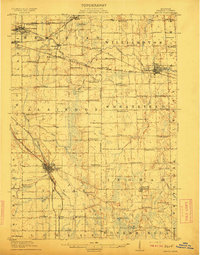 1911 Mason1911 Print · USGSIngham County at the start of the twentieth century shows a landscape of busy rail junctions and rural school districts. Genealogists can trace family roots through dozens of named country schools like White Dog School and Marble School, or locate ancestral property near Mason and Dansville.3 unique versions available
 - 1958 Map of Grand Rapids, 1973 Print
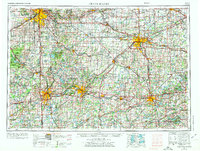 1958 Grand Rapids1973 Print · USGSSouthern Michigan at the peak of the postwar era shows a landscape of burgeoning cities and new interstate highways. Trace family roots and regional growth in Grand Rapids, Battle Creek, and the glacial lake country around Gun Lake or Gull Lake.2 unique versions available
 - 1961 Map of Grand Rapids
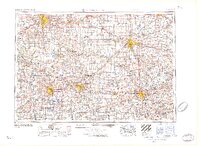 1961 Grand Rapids1961 Print · USGSSouthern Michigan at the dawn of the 1960s reveals a region shaped by major river systems and a robust rail network. Trace mid-century industrial growth and land use from Grand Rapids to the Fort Custer Military Reservation and Gun Lake.
 - 1962 Map of Grand Rapids
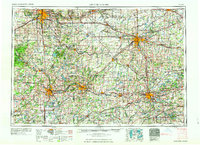 1962 Grand Rapids1962 Print · USGSMid-century Southern Michigan is mapped here at a time of massive growth, showing the expanding urban footprints of Grand Rapids and Lansing. Researchers can trace the legacy of the Grand Trunk Western RR, find historic boundaries of the Fort Custer Military Reservation, or locate sporting camps around Gun Lake.2 unique versions available
 - 1970 Map of Williamston, 1973 Print
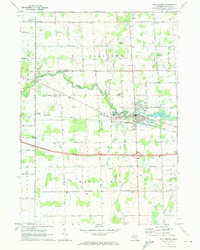 1970 Williamston1973 Print · USGSIn the early 1970s, Williamston flourished along the Red Cedar River as a hub for central Michigan agriculture and transit. Local researchers can trace family roots at Mt Calvary Cem or follow the historic rail line of the Chesapeake and Ohio.
 - 1970 Map of Dansville, 1989 Print
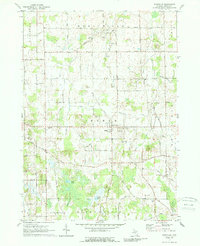 1970 Dansville1989 Print · USGSDansville and the surrounding Ingham County townships are captured here in the late sixties, showing a landscape of small-scale farms and creek-fed wetlands. Genealogists and historians can trace family locations near Fairview Cem, the old settlement at Pollok, or along the historic Dexter Trail.3 unique versions available
 - 1973 Map of Millville, 1977 Print
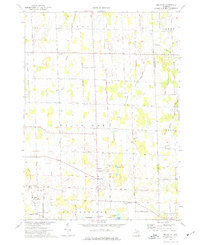 1973 Millville1977 Print · USGSThe rural Ingham County countryside of the 1970s is preserved here, showing the quiet crossroads and farming tracts before modern development. Researchers can trace family roots at Mount Pleasant Cemetery or locate old community hubs like White Oak and the North Stockbridge Community Church.
 - 1973 Map of Webberville, 1977 Print
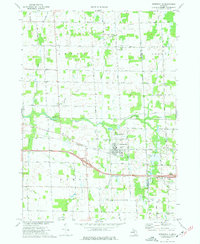 1973 Webberville1977 Print · USGSAgricultural life in Ingham County during the early seventies centers on Webberville and its vital rail and road links. Genealogists can locate several historic burial grounds including Rowley Cem and Judd Cem alongside the Red Cedar River.
 - 1983 Map of Lansing, 1984 Print
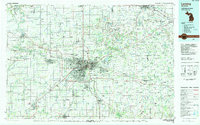 1983 Lansing1984 Print · USGSThe Lansing area and its surrounding river valleys are captured here in the early eighties. Genealogists and historians can trace the rail corridors of the Conrail or locate local landmarks like St Johns Ch and Greenwood Cem.
 - 2011 Map of Williamston, 2011 Print
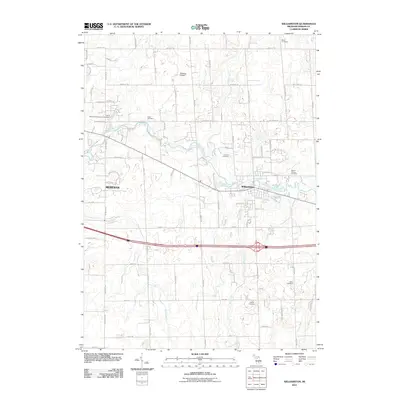 2011 Williamston2011 Print · USGSMid-Michigan's river-valley communities and rural cemeteries are detailed here in the early twenty-first century. Researchers can trace land use around Williamston or locate family burial sites at Saint Katherine's Episcopal Cemetery and Cabot Cemetery.
 - 2011 Map of Webberville, 2011 Print
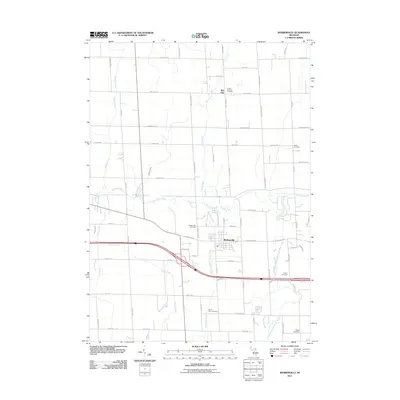 2011 Webberville2011 Print · USGSHandy Township and the village of Webberville are shown here during the early twenty-first century as a landscape of established farms and rural cemeteries. Researchers can locate several historical burial grounds, such as Miller Cemetery and Briggs Cemetery, or trace the winding course of the Red Cedar River.
 - 2011 Map of Dansville, 2011 Print
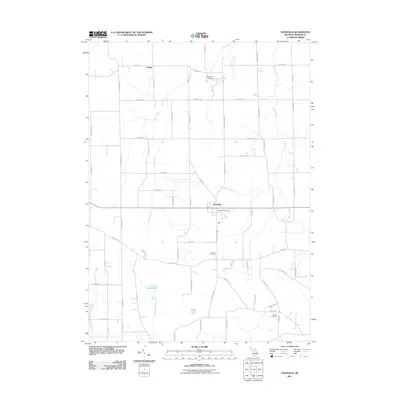 2011 Dansville2011 Print · USGSDansville and the surrounding Ingham County farmlands are captured here in the early twenty-first century, showing a landscape shaped by rural roads and family heritage. Researchers can locate several burial grounds like Fairview and Howard Cemetery, alongside the waters of Hewes Lake and Deer Creek.
 - 2011 Map of Millville, 2011 Print
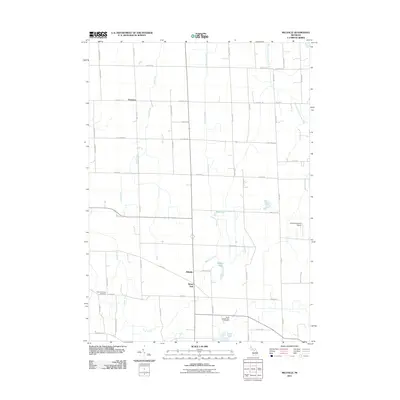 2011 Millville2011 Print · USGSAgricultural lands and wetlands south of Williamston come into focus during the early 2010s. Genealogists and local historians can trace the rural layouts of Millville, White Oak, and Vantown alongside natural features like Kalamink Creek and Lowe Lake.
 - 2014 Map of Millville, 2014 Print
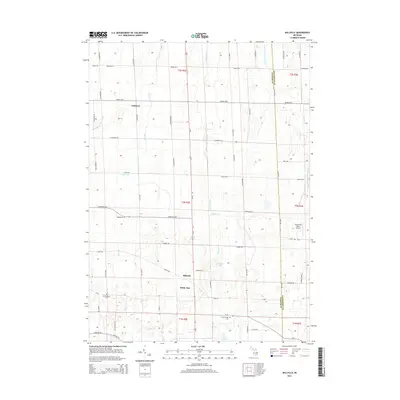 2014 Millville2014 Print · USGSThe Ingham and Livingston county border comes alive in the early twenty-first century, showing a landscape defined by small Michigan settlements and rural crossroads. Genealogists and researchers can trace local landmarks like Millville, White Oak, and the Mt Pleasant Cem.
 - 2014 Map of Dansville, 2014 Print
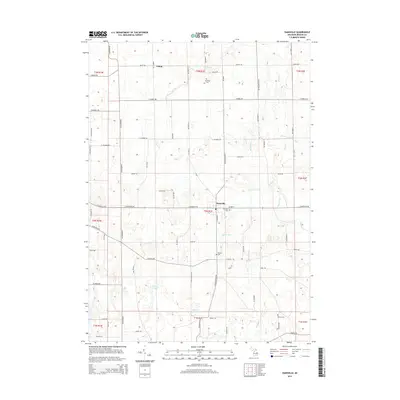 2014 Dansville2014 Print · USGSDansville and the surrounding Ingham County farmlands are documented here during the early twenty-first century. Researchers can locate family burial sites at Fairview Cem and Howard Cem or trace the early settlement at Pollok.
 - 2014 Map of Webberville, 2014 Print
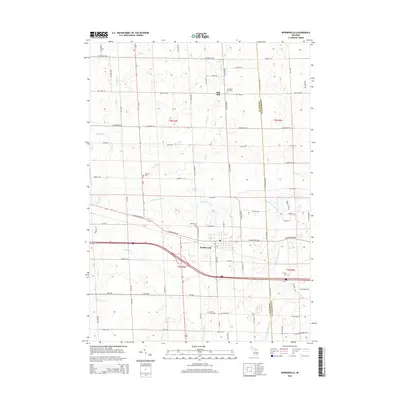 2014 Webberville2014 Print · USGSMid-Michigan agricultural lands and small-town centers are captured here during the early twenty-first century. Researchers can trace family sites and local history at Webberville or rural burial grounds like Alchin Farm Cem and Rowley Cem.
 - 2014 Map of Williamston, 2014 Print
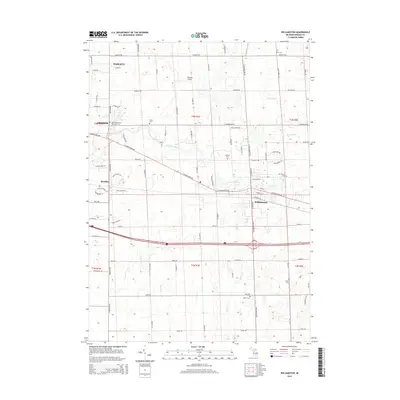 2014 Williamston2014 Print · USGSMid-Michigan's river-fed landscape comes into focus during this modern era of suburban growth near the Red Cedar River. Local historians can trace several burial sites including Saint Katherine's Episcopal Cem, Brick Cem, and the small landing strip at Maidens Airport.
 - 2017 Map of Dansville, 2017 Print
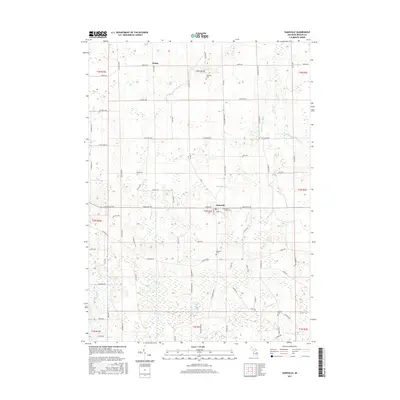 2017 Dansville2017 Print · USGSIngham County farmland and the village of Dansville are captured here in the late twenty-first century. Researchers can locate family burial sites at Fairview Cem and Howard Cem while tracing local waterways like Doan Deer Cr.
 - 2017 Map of Webberville, 2017 Print
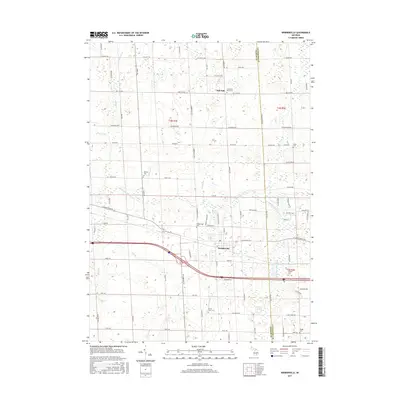 2017 Webberville2017 Print · USGSThe rural agricultural landscapes of Ingham and Livingston counties come to life in this survey of Webberville and Bell Oak. Researchers can trace local lineage through numerous small burial sites, including Rowley Cem, Coffey Cem, and the Alchin Farm Cem.
 - 2017 Map of Millville, 2017 Print
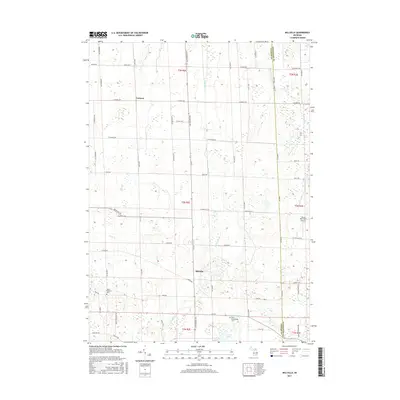 2017 Millville2017 Print · USGSThe rural boundary between Ingham and Livingston Counties is captured here in the late twenty-tens, showing a landscape of small settlements and glacial wetlands. Genealogists and local historians can locate Millville, Vantown, and cemeteries like Mount Pleasant Cem.
 - 2017 Map of Williamston, 2017 Print
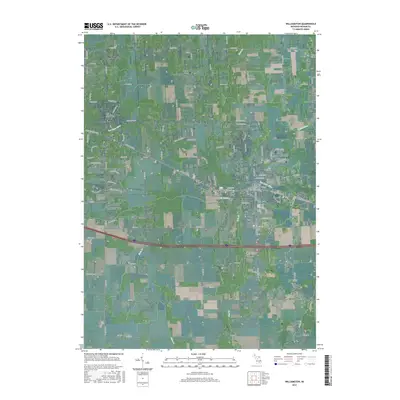 2017 Williamston2017 Print · USGSWilliamston and the eastern suburbs of Lansing appear here during a period of modern growth amidst rural Ingham County roots. Genealogists can locate several historic burial sites like Mount Calvary Cem and Brick Cem, while following the path of the Red Cedar River.
 - 2019 Map of Millville, 2019 Print
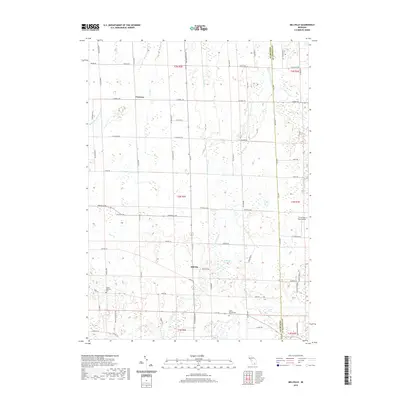 2019 Millville2019 Print · USGSThe rural Ingham and Livingston County border area is shown here in its late-decade agricultural state. Researchers can trace family history through the Mount Pleasant Cem or locate the historic centers of Vantown and Millville along the W Br Red Cedar River.
Showing maps 1-25 of 32
Top cities near Leroy Township
- Lansing historical maps
- Marion Township historical maps
- Putnam Township historical maps
- Handy Township historical maps
- Mason historical maps
- Howell Township historical maps
See more
Top neighborhoods of Leroy Township
Frequently asked questions
- What are the different types of historical maps available for Leroy Township?
- What is the oldest map of Leroy Township?
- Where can I purchase historical maps of Leroy Township for my home or office?
- Where can I download high-res historical maps of Leroy Township?
- Are there historical topographic maps available for Leroy Township?
- Is there historical aerial imagery available for Leroy Township?
- Where are historical maps of Leroy Township sourced from?