Old Maps of Chippewa Township, Michigan for Academic Research
Study the evolution of Chippewa Township with 34 high-resolution historic maps. Whether you're teaching, researching, or modeling changes in land use, these maps provide essential visual documentation of urban, environmental, and geographic change.
- Analyze long-term change: Track patterns in development, transportation, and natural features.
- Ideal for environmental or urban studies: Support academic projects with primary historical map data.
- Use in the classroom or lab: Educators and researchers rely on these maps to bring historical context to life.
These maps are a powerful tool for teaching, research, and visualizing how Chippewa Township has changed over the decades.
Chippewa Township, MI maps
(34)- 1954 Map of Midland, 1967 Print
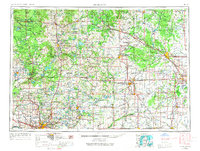 1954 Midland1967 Print · USGSMid-Michigan at the peak of the post-war era shows a landscape balancing industrial growth in Midland with the deep timberlands of the Manistee National Forest. Researchers can trace the legacy of the timber and rail era along the Pennsylvania RR or find family roots in river towns like Chesaning and Big Rapids.4 unique versions available
 - 1958 Map of Midland
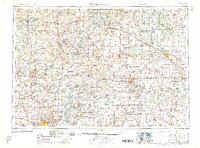 1958 Midland1958 Print · USGSCentral Michigan in the late fifties is captured here during a period of transition for its university towns and industrial hubs. Genealogists and researchers can trace family lines through old rail-stop towns like Breckenridge and Chesaning or locate property near the Muskegon River and Prairie Farm.
 - 1958 Map of Big Rapids, 1960 Print
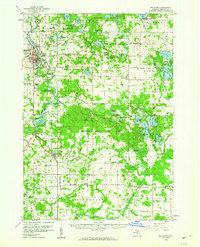 1958 Big Rapids1960 Print · USGSBig Rapids and the Muskegon River valley are captured here in the late fifties, showing a landscape of dense forests and glacial lakes. Genealogists and local historians can locate early landmarks like Ferris Institute, Austin Ch, and family plots such as Holt Cem.3 unique versions available
 - 1959 Map of Midland
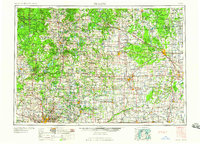 1959 Midland1959 Print · USGSMid-century Michigan comes alive in this survey of the central Lower Peninsula, from the streets of Grand Rapids to the Houghton Lake timberlands. Genealogists and rail fans can trace the Ann Arbor RR and Chesapeake and Ohio RR through towns like Big Rapids and Mount Pleasant.
 - 1959 Map of Lake, 1960 Print
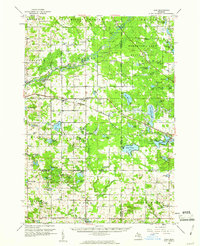 1959 Lake1960 Print · USGSOsceola and Mecosta Counties were a mix of timber-state forests and oil exploration during the late fifties. Researchers can trace rural landmarks from Sears to Brinton, including the County Home, local sites like Martin Sch, and the Chesapeake and Ohio rail line.2 unique versions available
 - 1959 Map of Evart, 1960 Print
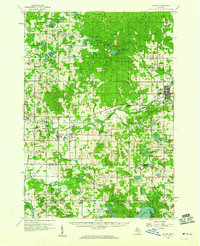 1959 Evart1960 Print · USGSOsceola and Mecosta counties are shown here in the late fifties, featuring the rail hubs and river valleys that shaped the region's growth. Genealogists and historians can locate rural schools like Watson Sch, the Osceola Oil Field, and family landmarks such as Crapo Cem.3 unique versions available
 - 1964 Map of Mecosta NW, 1965 Print
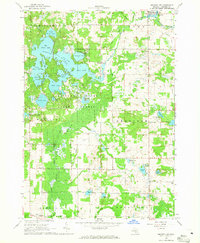 1964 Mecosta NW1965 Print · USGSMecosta County in the mid-sixties reveals a landscape defined by the expansive Martiny Lake wetlands and the village of Barryton. Researchers can trace old family sites and rural landmarks like the Johnson Landing Field, Winchester Dam, and Sheridan Ch.
 - 1966 Map of Midland
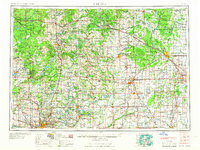 1966 Midland1966 Print · USGSCentral Michigan in the mid-1960s shows a landscape of growing manufacturing hubs and active resource extraction. Genealogists and historians can trace the rail corridors of the Grand Trunk Western or locate family-named landmarks near Oil wells and the Muskegon River.
 - 1976 Map of Big Rapids NE, 1979 Print
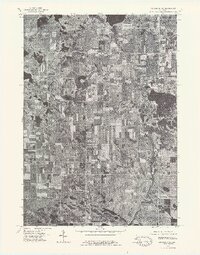 1976 Big Rapids NE1979 Print · USGSMecosta County farmland and glacial lakes are captured in high detail during the mid-seventies. This orthophoto allows researchers to trace the exact boundaries of rural farmsteads near Rodney and the shorelines of Chippewa Lake and Horsehead Lake.
 - 1983 Map of Chippewa Lake North, 1984 Print
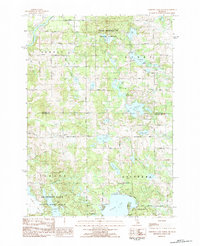 1983 Chippewa Lake North1984 Print · USGSThe glacial lakes and timberlands along the Osceola and Mecosta border are captured here in the early eighties. Researchers can trace rural lineages at Pioneer Cem, Chippewa Cem, and the remote banks of Lake Miramichi.
 - 1984 Map of Big Rapids
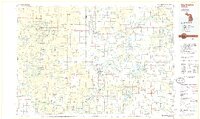 1984 Big Rapids1984 Print · USGSMid-Michigan in the mid-eighties shows a balance of deep-woods conservation and riverfront industry centered on the Muskegon River. Genealogists and historians can trace rail-town development along the Chesapeake and Ohio or locate family sites near Idlewild, Reed City, and Forest Hill Cem.
 - 1984 Map of Merrill Lake
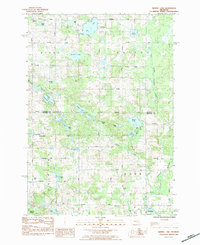 1984 Merrill Lake1984 Print · USGSThe village of Barryton and the surrounding glacial lake country are captured here in the mid-eighties. Researchers can locate rural landmarks like Sparks Cemetery, Barryton Church, and numerous named waters including Negaunee Lake and Rattail Lake.
 - 1985 Map of Chippewa Lake South
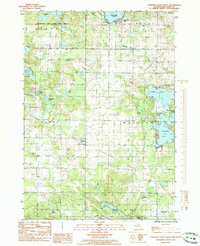 1985 Chippewa Lake South1985 Print · USGSMecosta County was a patchwork of wetlands and small lakeside communities in the mid-1980s. Genealogists and local historians can trace family locations near Rodney, the village at Chippewa Lake, or along the distinct Old Railroad Grade.
 - 1991 Map of Big Rapids
 1991 Big Rapids1991 Print · USGSWest Michigan’s river valleys and timberlands are charted here during the early nineties, centered on the Big Rapids corridor. Researchers can trace the path of the C & O RR through settlements like Reed City, Baldwin, and White Cloud.
 - 2011 Map of Chippewa Lake North, 2011 Print
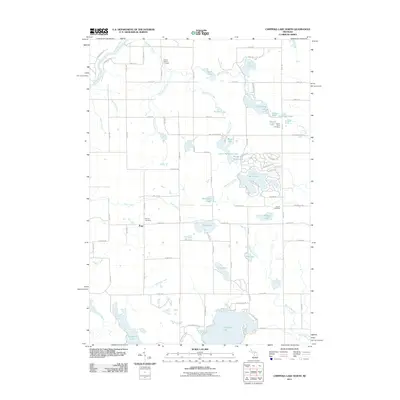 2011 Chippewa Lake North2011 Print · USGSMecosta County’s lake country is captured in the early twenty-first century, showing the rural crossroads of Pogy and the northern shores of Chippewa Lake. Researchers can locate several historical burial sites including Proctor Family Cemetery and Pioneer Cemetery.
 - 2011 Map of Chippewa Lake South, 2011 Print
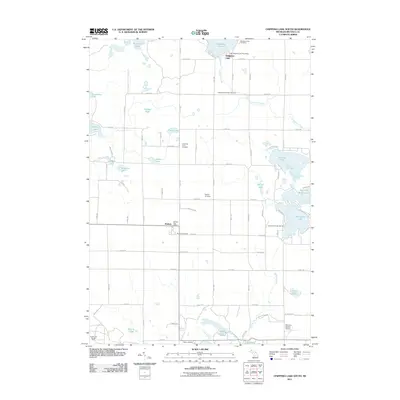 2011 Chippewa Lake South2011 Print · USGSChippewa Township and Rodney are captured here in the early 2010s amidst a dense network of glacial lakes and rural cemeteries. Researchers can locate family landmarks like the Kirschner Farm Cemetery or trace shoreline developments at Jehnsen Lake and Horsehead Lake.
 - 2011 Map of Merrill Lake, 2011 Print
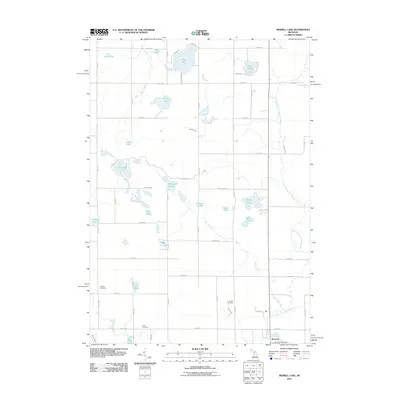 2011 Merrill Lake2011 Print · USGSMecosta County settlement centers on the village of Barryton in the early 2000s, where the river meets a landscape of scattered lakes. Genealogists and local historians can locate the Sparks Cemetery, Eaton Cemetery, and Barryton Post Office among a network of rural section roads.
 - 2011 Map of Mecosta NW, 2011 Print
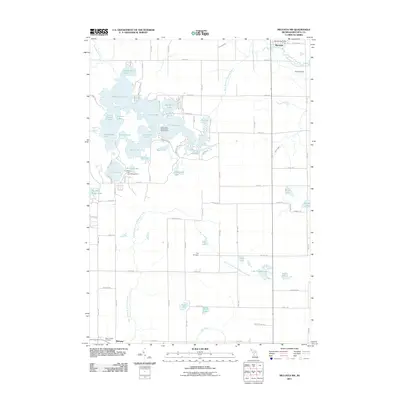 2011 Mecosta NW2011 Print · USGSThe Martiny Lake flooding area and its surrounding lake chains dominate this central Michigan landscape in the early 2010s. Researchers can trace rural cemeteries such as Flake Cemetery and Dye Cemetery or locate the village centers of Barryton and Mecosta.
 - 2014 Map of Mecosta NW, 2014 Print
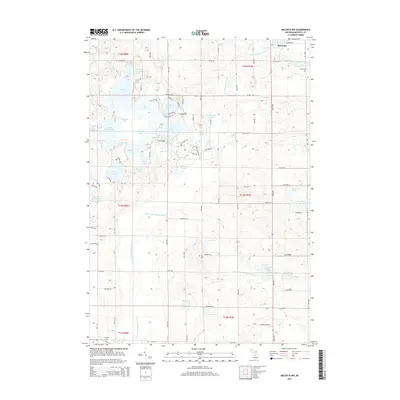 2014 Mecosta NW2014 Print · USGSMecosta County’s lake-strewn countryside is shown here in the early twenty-first century, centered on the village of Barryton. Genealogists and local historians can locate family sites near Dye Cem or trace the water networks of Tubbs Lake and the Chippewa River.
 - 2014 Map of Chippewa Lake South, 2014 Print
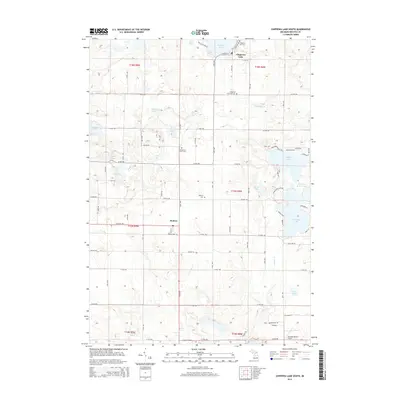 2014 Chippewa Lake South2014 Print · USGSMecosta County’s lake country is captured here in the early twenty-first century, showing the established rural communities and vacation shorelines of the region. Local researchers can pinpoint family burial sites like Kirschner Farm Cem or trace the development around Chippewa Lake and Rodney.
 - 2014 Map of Merrill Lake, 2014 Print
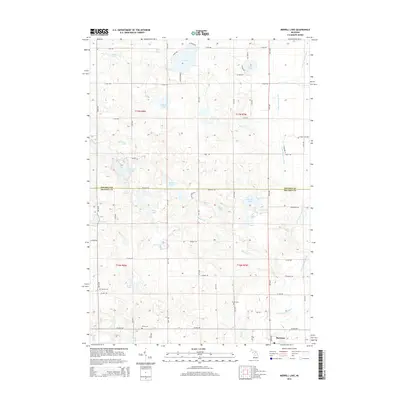 2014 Merrill Lake2014 Print · USGSThe village of Barryton and the surrounding lake country of Mecosta and Osceola counties are shown here in the early 2010s. Local researchers can trace family landmarks and rural burial grounds like Sparks Cem, Brown Cem, and the banks of the N Br Chippewa River.
 - 2014 Map of Chippewa Lake North, 2014 Print
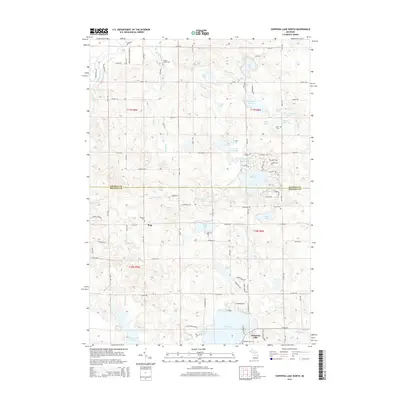 2014 Chippewa Lake North2014 Print · USGSOsceola and Mecosta Counties are shown here during the early 2010s, capturing the dense lakefront development around Chippewa Lake and Lake Miramichi. Genealogists can trace family sites at Proctor Family Cem, Pioneer Cem, and the old settlement of Pogy.
 - 2017 Map of Merrill Lake, 2017 Print
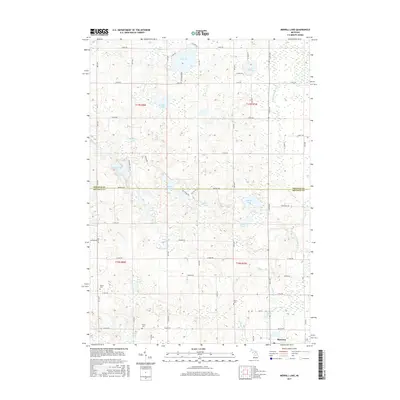 2017 Merrill Lake2017 Print · USGSThe rural border of Mecosta and Osceola counties comes into focus in this recent survey of the Michigan interior. Researchers can trace the layout of Barryton or locate family burial sites at Sparks Cem, Eaton Cem, and Brown Cem.
 - 2017 Map of Chippewa Lake South, 2017 Print
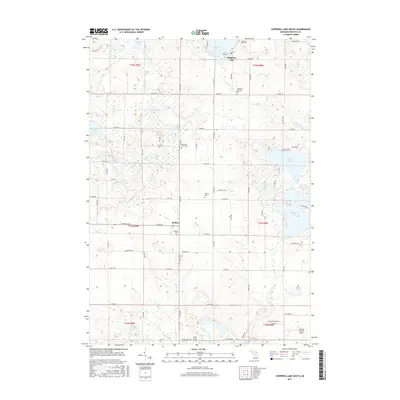 2017 Chippewa Lake South2017 Print · USGSMecosta County’s lake country is captured in the mid-2010s, showing a landscape of scattered settlements and seasonal waters. Researchers can trace local lineage through several sites like Martiny Cem or the village of Chippewa Lake.
 - 2017 Map of Mecosta NW, 2017 Print
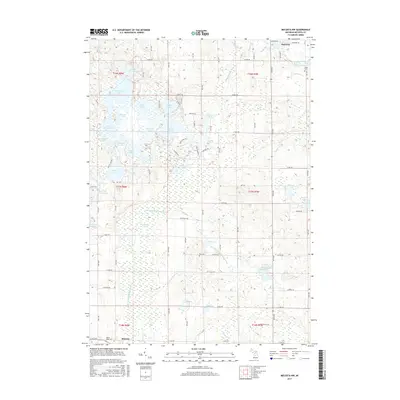 2017 Mecosta NW2017 Print · USGSThe lakeside communities of Mecosta County are shown here in the 2010s, situated between the Chippewa and Little Muskegon river branches. Genealogists and historians can locate Hope Cem, Flake Cem, and the early village centers of Barryton and Mecosta.
Showing maps 1-25 of 34
Top cities near Chippewa Township
- Big Rapids historical maps
- Reed City historical maps
- Evart historical maps
- Remus historical maps
- Millbrook historical maps
- Mecosta historical maps
See more
Top neighborhoods of Chippewa Township
Frequently asked questions
- What are the different types of historical maps available for Chippewa Township?
- What is the oldest map of Chippewa Township?
- Where can I purchase historical maps of Chippewa Township for my home or office?
- Where can I download high-res historical maps of Chippewa Township?
- Are there historical topographic maps available for Chippewa Township?
- Is there historical aerial imagery available for Chippewa Township?
- Where are historical maps of Chippewa Township sourced from?