Old Maps of Osceola County, Michigan for Metal Detecting
Plan your next treasure hunt with 139 historic maps of Osceola County. Find old homesites, ghost towns, trails, and gathering spots that may be lost to time — perfect for identifying promising metal detecting locations.
- Locate forgotten sites: Uncover places like long-lost settlements, abandoned rail lines, or gathering spots.
- Plan better hunts: Use map overlays combined with LiDAR or satellite views to narrow in on historically rich areas.
- Made for detectorists: Thousands of hobbyists use these maps to discover relics, coins, and hidden history.
Use these historic maps to boost your research and find new opportunities beneath the surface of Osceola County.
Osceola County, MI maps
(139)- 1931 Map of Chase NE
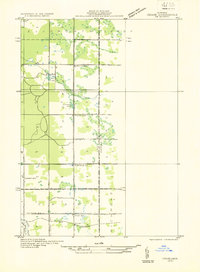 1931 Chase NE1931 Print · USGSOsceola and Lake counties appear in the early 1930s as a landscape of rural schoolhouses and rail-side settlements. Local historians can trace the foundations of Oliver along the Pere Marquette railroad or locate old school sites like Rosenburg Sch and Spears Sch.
 - 1933 Map of Luther SE
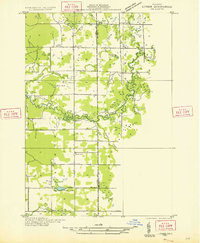 1933 Luther SE1933 Print · USGSOsceola County timberlands and river valleys are captured here during the early 1930s, showing a landscape defined by water and woods. Genealogists can locate family landmarks like the Dover Cem, Bristol, and rural schoolhouses including Keats Sch.
 - 1954 Map of Traverse City, 1965 Print
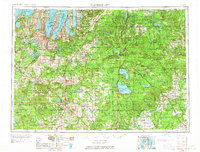 1954 Traverse City1965 Print · USGSNorthern Michigan’s vast lakeshores and timberlands are captured here in the mid-fifties, showing the region before the modern interstate era. Genealogists and researchers can trace rail connections like the Detroit and Mackinac RR or find old communities such as Suttons Bay, Elk Rapids, and Prudenville.4 unique versions available
 - 1954 Map of Midland, 1967 Print
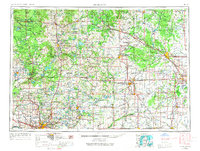 1954 Midland1967 Print · USGSMid-Michigan at the peak of the post-war era shows a landscape balancing industrial growth in Midland with the deep timberlands of the Manistee National Forest. Researchers can trace the legacy of the timber and rail era along the Pennsylvania RR or find family roots in river towns like Chesaning and Big Rapids.4 unique versions available
 - 1957 Map of Cadillac South, 1958 Print
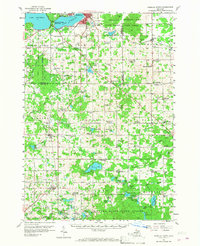 1957 Cadillac South1958 Print · USGSOsceola and Wexford Counties are shown in the late fifties as a landscape of dense state forests and quiet rail towns. Genealogists can trace family names through the Maple Hill Cem and Richland Cem, or locate long-gone sites like the Sherman Sch and Mineral Springs Oil Field.3 unique versions available
 - 1957 Map of Luther, 1958 Print
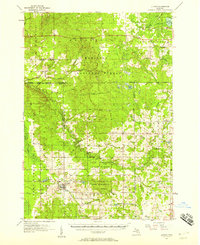 1957 Luther1958 Print · USGSThe Lake County timberlands and rural crossroads are captured here in the late fifties as small villages thrived amidst the state and national forests. Researchers can trace family roots at Banker Cem and North Park Cem, or locate landmarks like Clay Hill Ch and Luther.4 unique versions available
 - 1957 Map of Marion, 1958 Print
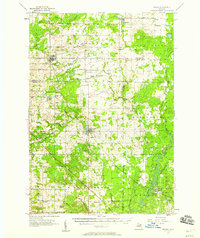 1957 Marion1958 Print · USGSNorthern Osceola and Missaukee counties are shown here in the late fifties, defined by the Ann Arbor rail line and the Clam River network. Researchers can trace rural landmarks like the Prosper Sch, Greenwood Cem, and the Oil and Gas Storage Field.2 unique versions available
 - 1958 Map of Traverse City
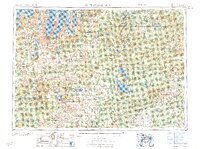 1958 Traverse City1958 Print · USGSNorthern Lower Michigan was a landscape of vast state forests and burgeoning lakeside retreats in the late fifties. Genealogists and historians can trace the rail corridors of the Ann Arbor RR and find established settlements from Elk Rapids to Houghton Lake.2 unique versions available
 - 1958 Map of Midland
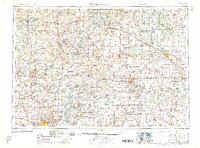 1958 Midland1958 Print · USGSCentral Michigan in the late fifties is captured here during a period of transition for its university towns and industrial hubs. Genealogists and researchers can trace family lines through old rail-stop towns like Breckenridge and Chesaning or locate property near the Muskegon River and Prairie Farm.
 - 1959 Map of Midland
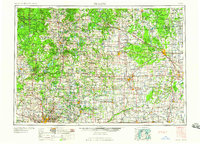 1959 Midland1959 Print · USGSMid-century Michigan comes alive in this survey of the central Lower Peninsula, from the streets of Grand Rapids to the Houghton Lake timberlands. Genealogists and rail fans can trace the Ann Arbor RR and Chesapeake and Ohio RR through towns like Big Rapids and Mount Pleasant.
 - 1959 Map of Lake, 1960 Print
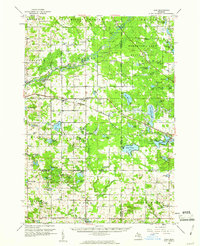 1959 Lake1960 Print · USGSOsceola and Mecosta Counties were a mix of timber-state forests and oil exploration during the late fifties. Researchers can trace rural landmarks from Sears to Brinton, including the County Home, local sites like Martin Sch, and the Chesapeake and Ohio rail line.2 unique versions available
 - 1959 Map of Evart, 1960 Print
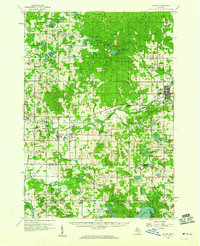 1959 Evart1960 Print · USGSOsceola and Mecosta counties are shown here in the late fifties, featuring the rail hubs and river valleys that shaped the region's growth. Genealogists and historians can locate rural schools like Watson Sch, the Osceola Oil Field, and family landmarks such as Crapo Cem.3 unique versions available
 - 1959 Map of Reed City, 1960 Print
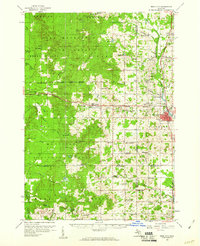 1959 Reed City1960 Print · USGSOsceola and Lake Counties are captured here in the late fifties, defined by the meeting of major rail lines and dense public forests. Researchers can locate dozens of rural landmarks, from the Fish Hatchery near Paris to schools like Rehkoff Sch and Zion Ch.2 unique versions available
 - 1966 Map of Midland
 1966 Midland1966 Print · USGSCentral Michigan in the mid-1960s shows a landscape of growing manufacturing hubs and active resource extraction. Genealogists and historians can trace the rail corridors of the Grand Trunk Western or locate family-named landmarks near Oil wells and the Muskegon River.
 - 1976 Map of Evart SW, 1979 Print
 1976 Evart SW1979 Print · USGSIn the mid-1970s, the rural landscapes of central Michigan remained dominated by the winding Muskegon River and timbered tracts. Researchers can trace the layout of small communities like Hersey and Grant Center or examine the 1976 field patterns near Reed City.
 - 1983 Map of Dighton, 1984 Print
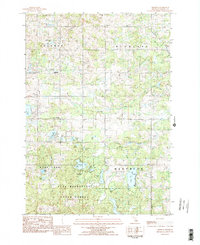 1983 Dighton1984 Print · USGSIn the early 1980s, this area of Osceola County shows a landscape of glacial lakes and quiet township corners. Genealogists and local historians can trace the foundations of Dighton and Ina, locating Highland Church and several cemeteries near the Pere Marquette State Forest.2 unique versions available
 - 1983 Map of Cadillac, 1984 Print
 1983 Cadillac1984 Print · USGSThe Cadillac region in the early eighties was defined by its vast public forests and the prominent dual lakes at its center. Trace the legacies of the timber era along the Old Railroad Grade or locate old rural centers like Vogel Center and Harrietta.
 - 1983 Map of Hersey, 1984 Print
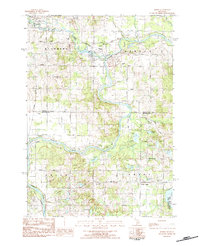 1983 Hersey1984 Print · USGSOsceola County at the start of the 1980s shows a landscape defined by the winding Muskegon River and the rural crossroads of Hersey and Grant Center. Trace family history at local landmarks like Grant Center Ch, Crapo Cem, and the old rail corridor of the Chesapeake and Ohio.
 - 1983 Map of Slaybaugh Corner, 1984 Print
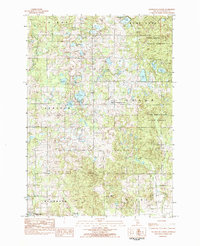 1983 Slaybaugh Corner1984 Print · USGSOsceola County in the early eighties is a landscape of dense state forest and scattered rural homesteads. Genealogists and local historians can trace family locations near Slaybaugh Corner, the Bethel Cem, and Eagle Boys Village.
 - 1983 Map of Evart, 1984 Print
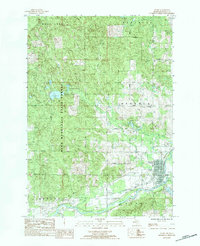 1983 Evart1984 Print · USGSOsceola County in the early eighties was a hub of rail and river activity centered on the community of Evart. Researchers can trace the legacy of local settlements through the German Cem, the Chesapeake and Ohio line, and Sacred Heart Ch.
 - 1983 Map of Le Roy, 1984 Print
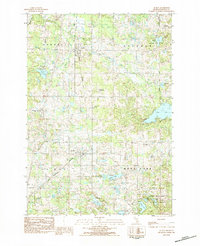 1983 Le Roy1984 Print · USGSThe rural landscape of northern Michigan comes alive in the early 1980s, centered on the historic rail corridor connecting Tustin and Le Roy. Genealogists and historians can trace local family landmarks through Maple Hill Cem, the Kettunen Center, and the recreation areas surrounding Rose Lake.
 - 1983 Map of Temple, 1984 Print
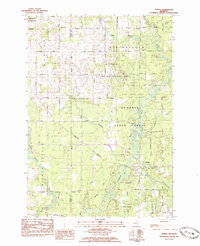 1983 Temple1984 Print · USGSClare County in the early eighties shows a landscape of river-valley settlements and state timberlands. Researchers can trace local lineages through Lux Cem and Fernwood Cem, or locate landmarks like the Church Bridge and Temple Forest Campground along the Muskegon River.
 - 1983 Map of Falmouth, 1984 Print
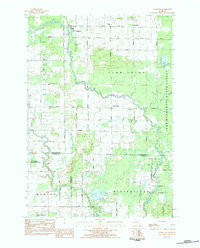 1983 Falmouth1984 Print · USGSMissaukee and Osceola counties in the early 1980s reveal a landscape of river-bottom farming and emerging energy fields. Genealogists and local historians can trace the rural communities of Falmouth and Vogel Center, locating family landmarks like the Clam Union Cem and Prosper Ch.
 - 1983 Map of Cadillac South, 1984 Print
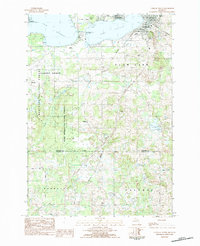 1983 Cadillac South1984 Print · USGSCadillac and its southern lakefront are captured in the early 1980s as the city and forest lands meet. Genealogists can locate family names at Mt Carmel Cem and Hobart Cem or trace the early paths of the Northern railroad and Pine River.
 - 1983 Map of Marion, 1984 Print
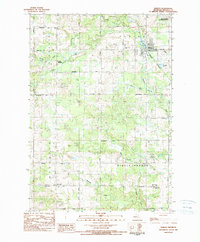 1983 Marion1984 Print · USGSOsceola County at the start of the eighties shows a landscape of established section-line farming and river-side industry. Researchers can locate family burial plots at Greenwood Cem or Cherry Valley Cem and trace the old Michigan Northern RR Grade through Marion.
Showing maps 1-25 of 139
Top cities of Osceola County
Frequently asked questions
- What are the different types of historical maps available for Osceola County?
- What is the oldest map of Osceola County?
- Where can I purchase historical maps of Osceola County for my home or office?
- Where can I download high-res historical maps of Osceola County?
- Are there historical topographic maps available for Osceola County?
- Is there historical aerial imagery available for Osceola County?
- Where are historical maps of Osceola County sourced from?