Old Maps of Cottonwood County, Minnesota for Metal Detecting
Plan your next treasure hunt with 143 historic maps of Cottonwood County. Find old homesites, ghost towns, trails, and gathering spots that may be lost to time — perfect for identifying promising metal detecting locations.
- Locate forgotten sites: Uncover places like long-lost settlements, abandoned rail lines, or gathering spots.
- Plan better hunts: Use map overlays combined with LiDAR or satellite views to narrow in on historically rich areas.
- Made for detectorists: Thousands of hobbyists use these maps to discover relics, coins, and hidden history.
Use these historic maps to boost your research and find new opportunities beneath the surface of Cottonwood County.
Cottonwood County, MN maps
(143)- 1953 Map of New Ulm, 1968 Print
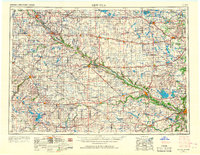 1953 New Ulm1968 Print · USGSSouthern Minnesota in the mid-1950s is defined by its deep river valleys and the expanding reach of the Great Northern and Chicago and North Western railroads. Researchers can trace rural lineages through landmarks like the Milford State Monument, St. John's Ch, and the Upper Sioux Indian Res.3 unique versions available
 - 1954 Map of Fairmont, 1967 Print
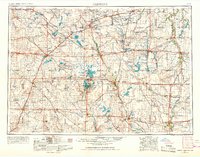 1954 Fairmont1967 Print · USGSThe prairie landscape of southern Minnesota and northern Iowa comes alive in this mid-century survey of the Coteau des Prairies. Genealogists and historians can trace the rail-connected growth of Fairmont and Blue Earth or locate family roots near St Kilian Ch and Union Slough National Wildlife Refuge.3 unique versions available
 - 1957 Map of New Ulm
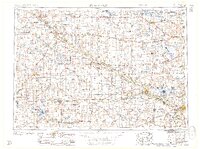 1957 New Ulm1957 Print · USGSCentral Minnesota in the mid-fifties remains a landscape of river-valley commerce and prairie agriculture defined by its historic mission sites and rail towns. Genealogists and local historians can trace the development of New Ulm and Montevideo, or locate specific landmarks like the Milford State Monument and Minnesota Falls.
 - 1958 Map of New Ulm
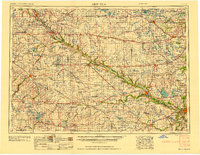 1958 New Ulm1958 Print · USGSSouth-central Minnesota’s river valleys and prairie towns are captured here in the mid-fifties, during the height of the region's rail-and-river economy. Genealogists and historians can trace the legacy of the Upper Sioux Indian Mission or locate early rail stops along the Chicago and North Western Ry in towns like Redwood Falls and Glencoe.
 - 1958 Map of Fairmont
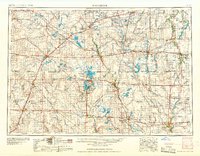 1958 Fairmont1958 Print · USGSThe borderlands of southern Minnesota and northern Iowa come alive in the mid-1950s, showing a landscape defined by glacial lakes and rail-line commerce. Researchers can trace historic landmarks like Lakeside Laboratory, Gridley Station, and the Bancroft Wildlife Refuge across the prairie.
 - 1967 Map of New Ulm
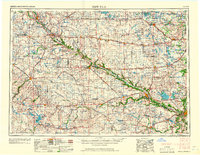 1967 New Ulm1967 Print · USGSSouthern Minnesota in the mid-fifties is captured here as a landscape of river-valley missions and busy prairie rail towns. Researchers can trace the Yellow Medicine Trail and locate historic sites like the Morton Indian Mission and Milford State Monument.
 - 1967 Map of Sanborn, 1968 Print
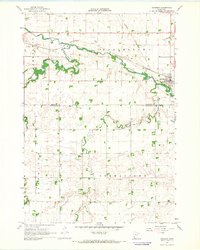 1967 Sanborn1968 Print · USGSSouthwestern Minnesota in the late sixties reveals a landscape of river-valley agriculture and rail-tied commerce. Genealogists and local historians can trace family locations near Sanborn, the Germantown Ch, and the banks of Dutch Charley Creek.
 - 1967 Map of Walnut Grove, 1968 Print
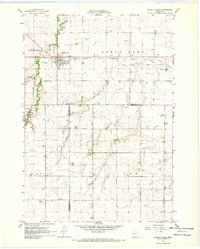 1967 Walnut Grove1968 Print · USGSWalnut Grove and the surrounding prairie townships are documented here in the late sixties as the local rail and agricultural systems remained central to the community. Genealogists and researchers can trace local family landmarks such as St Olaf Ch, Calvary Cem, and the path of the famed Plum Creek.
 - 1967 Map of Sanborn SE, 1968 Print
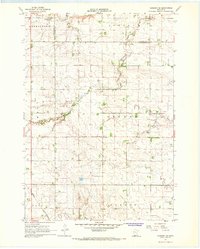 1967 Sanborn SE1968 Print · USGSCottonwood and Brown counties in the late sixties remain a landscape of quiet township centers and winding river valleys. Genealogists can locate rural landmarks like the Delton Cem and Jeffers Ch, or trace the path of the Chicago and North Western railroad.
 - 1967 Map of Sanborn NE, 1968 Print
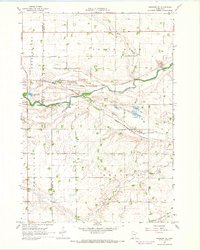 1967 Sanborn NE1968 Print · USGSSouthwestern Brown County during the late 1960s is characterized by its prairie river valleys and railroad corridors. Genealogists and historians can trace the rural infrastructure of Charlestown and Staley, including the Sanborn rail junction, Christ Ch, and the local Townhall.
 - 1967 Map of Storden, 1968 Print
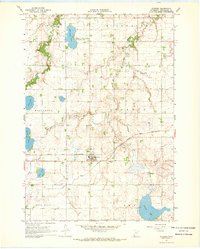 1967 Storden1968 Print · USGSCottonwood County's prairie landscape is captured here in the late sixties, centered on the rail-aligned community of Storden. Genealogists and researchers can locate historic landmarks like Old Westbrook Ch and the Storden Cem among the region's many glacial lakes.
 - 1967 Map of Darfur, 1968 Print
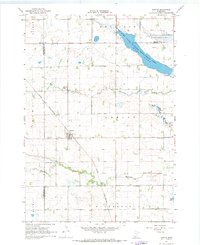 1967 Darfur1968 Print · USGSThe rural landscape around Darfur in the late sixties reveals a community built on the rail and river networks of Southern Minnesota. Genealogists can locate family landmarks such as Bethlehem Cem, St Johns Cem, and School No 2492.
 - 1967 Map of Jeffers, 1968 Print
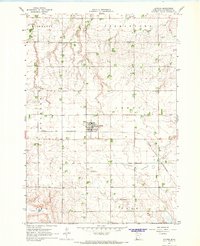 1967 Jeffers1968 Print · USGSCottonwood County's agricultural heartland is captured here in the late sixties as the Chicago and North Western railway served the local elevators. Researchers can trace rural lineages through the Red Rock Ch, St Johns Cem, and the town site of Jeffers.2 unique versions available
 - 1967 Map of Lamberton, 1969 Print
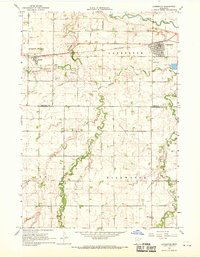 1967 Lamberton1969 Print · USGSThe rail-and-river landscape of Redwood and Cottonwood Counties comes into focus in the late sixties. Researchers can trace the Chicago and North Western line through Lamberton and Revere, or locate Highwater Ch and St Joseph Cem.
 - 1967 Map of Comfrey, 1969 Print
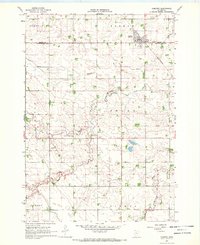 1967 Comfrey1969 Print · USGSThe town of Comfrey and the surrounding prairie townships are captured here in the late sixties at the junction of two counties. Genealogists and local historians can trace family farmsteads near the Congregational Cem, the Christian Reformed Ch, and along the Watonwan River.
 - 1967 Map of Westbrook, 1969 Print
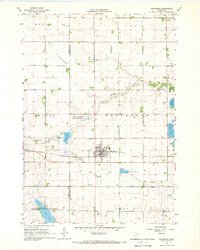 1967 Westbrook1969 Print · USGSWestbrook and the surrounding Cottonwood County prairie are captured here in the late sixties, showing a landscape defined by the Chicago and North Western rail line and the Des Moines River. Local historians can trace the town's original footprint including the Cemetery, the municipal Park, and the nearby Landing Strip.2 unique versions available
 - 1970 Map of Butterfield, 1972 Print
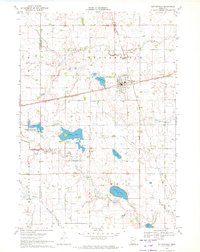 1970 Butterfield1972 Print · USGSButterfield and the surrounding farm country are captured here in the early 1970s as the rail-and-river economy persisted. Genealogists and local historians can locate the Mennonite Cem, trace the Chicago and North Western rail line, or explore the shores of Sulem Lake.
 - 1970 Map of Bingham Lake, 1972 Print
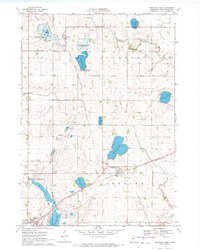 1970 Bingham Lake1972 Print · USGSBingham Lake and the surrounding Cottonwood County prairie are shown here in the early 1970s, as the region's rail-and-lake economy thrived. Researchers can locate several family burial sites like Voth Cem or trace the Chicago and North Western line through Delft.
 - 1970 Map of Heron Lake NW, 1972 Print
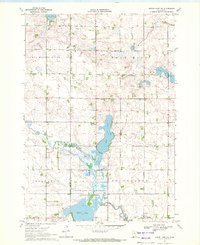 1970 Heron Lake NW1972 Print · USGSCottonwood and Murray Counties in the early 1970s are defined by the winding Des Moines River and a series of glacial lakes. Genealogists and local historians can trace burial sites like Rosehill Cem and Emanuel Cem or locate the Townhall near Oaks Lake.
 - 1970 Map of Harder Lake, 1972 Print
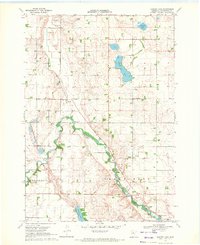 1970 Harder Lake1972 Print · USGSCottonwood County's agricultural and river landscape is preserved here during the early 1970s. Researchers can trace rural life through landmarks like the Greenhill Chapel, the Townhall, and the glacial waters of Harder Lake.
 - 1970 Map of Dundee, 1972 Print
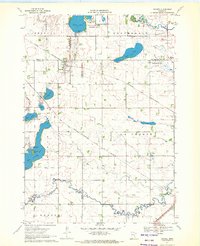 1970 Dundee1972 Print · USGSDundee and Kinbrae thrive at the junction of two major rail lines in this early 1970s landscape of the Minnesota prairie. Genealogists and local historians can trace family ties at St Marys Cemetery or Kinbrae Cemetery and explore the early wildlife management areas surrounding Talcot Lake and Graham Lake.2 unique versions available
 - 1970 Map of Mountain Lake SE, 1972 Print
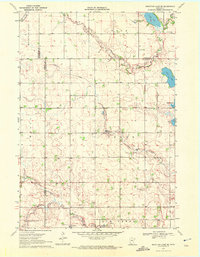 1970 Mountain Lake SE1972 Print · USGSSouthern Minnesota farm country is captured here in the early seventies as a network of creek-fed townships across four county lines. Genealogists and local historians can trace legacy landmarks like St Olaf Ch Cem, Cedar Hill Cem, and the waters of Fish Lake.
 - 1970 Map of Wilder, 1972 Print
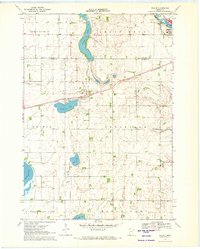 1970 Wilder1972 Print · USGSSouthern Minnesota's agricultural prairie and rail-connected towns are captured here in the early 1970s. Researchers can trace the path of the Chicago and North Western railroad or locate rural landmarks like St Peter Ch and Delafield Cem.
 - 1970 Map of Mountain Lake, 1972 Print
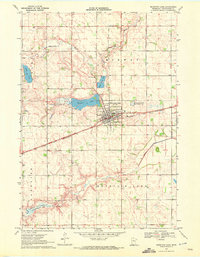 1970 Mountain Lake1972 Print · USGSMountain Lake and its surrounding townships are captured in the early 1970s, showcasing a landscape defined by prairie agriculture and conservation. Genealogists and researchers can trace local landmarks like the Mennonite Cem and the route of the Chicago and North Western railroad.2 unique versions available
 - 1970 Map of Windom, 1972 Print
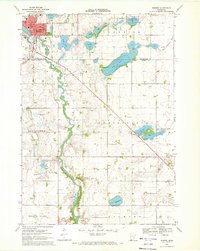 1970 Windom1972 Print · USGSWindom and the surrounding Cottonwood and Jackson County prairies are shown in the early seventies as a thriving rail and river hub. Local historians can trace school sites like Winfair Sch, the grounds of Lakeview Cemetery, and the path of the Chicago and North Western line.
Showing maps 1-25 of 143
Top cities of Cottonwood County
- Windom historical maps
- Mountain Lake historical maps
- Jeffers historical maps
- Storden historical maps
- Bingham Lake historical maps
Frequently asked questions
- What are the different types of historical maps available for Cottonwood County?
- What is the oldest map of Cottonwood County?
- Where can I purchase historical maps of Cottonwood County for my home or office?
- Where can I download high-res historical maps of Cottonwood County?
- Are there historical topographic maps available for Cottonwood County?
- Is there historical aerial imagery available for Cottonwood County?
- Where are historical maps of Cottonwood County sourced from?