Old Maps of Windom, Minnesota
Explore 27 old maps of Windom, spanning from 1954 to today. These high-resolution historic maps reveal how streets, neighborhoods, landmarks, and natural features evolved over time — perfect for genealogy, metal detecting, research, and local history exploration.
What you can do with these maps:
- See how Windom changed over time: Compare historical maps to modern-day views to trace roads, homesites, rail lines & more.
- View detailed metadata: Each map includes creators, publishers, year, scale, and archive source.
- Overlay maps with satellite & LiDAR: Visualize the past alongside modern tools to explore terrain & human change.
- Trusted historical sources: Maps sourced from the USGS, Library of Congress, and other archives.
- Access maps your way: View online, download high-res files, or order prints for personal or research use.
Start exploring old maps of Windom to uncover forgotten places, hidden landmarks, and the deep history beneath your feet.
Windom, MN maps
(27)- 1954 Map of Fairmont, 1967 Print
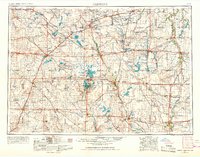 1954 Fairmont1967 Print · USGSThe prairie landscape of southern Minnesota and northern Iowa comes alive in this mid-century survey of the Coteau des Prairies. Genealogists and historians can trace the rail-connected growth of Fairmont and Blue Earth or locate family roots near St Kilian Ch and Union Slough National Wildlife Refuge.3 unique versions available
 - 1958 Map of Fairmont
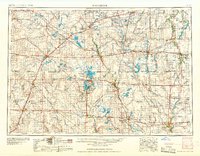 1958 Fairmont1958 Print · USGSThe borderlands of southern Minnesota and northern Iowa come alive in the mid-1950s, showing a landscape defined by glacial lakes and rail-line commerce. Researchers can trace historic landmarks like Lakeside Laboratory, Gridley Station, and the Bancroft Wildlife Refuge across the prairie.
 - 1970 Map of Bingham Lake, 1972 Print
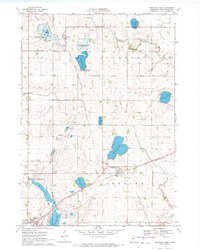 1970 Bingham Lake1972 Print · USGSBingham Lake and the surrounding Cottonwood County prairie are shown here in the early 1970s, as the region's rail-and-lake economy thrived. Researchers can locate several family burial sites like Voth Cem or trace the Chicago and North Western line through Delft.
 - 1970 Map of Harder Lake, 1972 Print
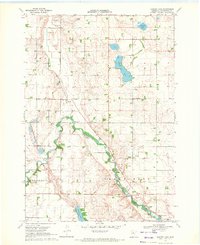 1970 Harder Lake1972 Print · USGSCottonwood County's agricultural and river landscape is preserved here during the early 1970s. Researchers can trace rural life through landmarks like the Greenhill Chapel, the Townhall, and the glacial waters of Harder Lake.
 - 1970 Map of Wilder, 1972 Print
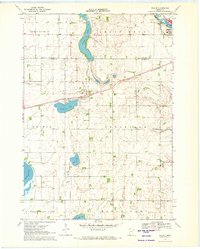 1970 Wilder1972 Print · USGSSouthern Minnesota's agricultural prairie and rail-connected towns are captured here in the early 1970s. Researchers can trace the path of the Chicago and North Western railroad or locate rural landmarks like St Peter Ch and Delafield Cem.
 - 1970 Map of Windom, 1972 Print
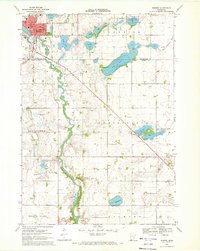 1970 Windom1972 Print · USGSWindom and the surrounding Cottonwood and Jackson County prairies are shown in the early seventies as a thriving rail and river hub. Local historians can trace school sites like Winfair Sch, the grounds of Lakeview Cemetery, and the path of the Chicago and North Western line.
 - 1985 Map of Worthington
 1985 Worthington1985 Print · USGSSouthwestern Minnesota and northwestern Iowa are captured in the mid-1980s, showcasing the high-water mark of the region's agricultural and rail-line infrastructure. Researchers can trace the path of the Chicago and North Western through prairie towns like Adrian, Wilmont, and Lakefield.2 unique versions available
 - 2010 Map of Bingham Lake, 2010 Print
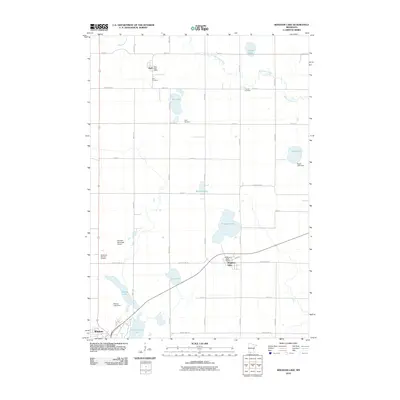 2010 Bingham Lake2010 Print · USGSCottonwood County at the start of the 2010s shows a landscape of productive prairie farms and growing lakeside communities. Genealogists can locate family plots at Delft Cemetery or Voth Cemetery, while tracking the rural economy through the Bingham Post Office and the Windom Municipal Airport.
 - 2010 Map of Harder Lake, 2010 Print
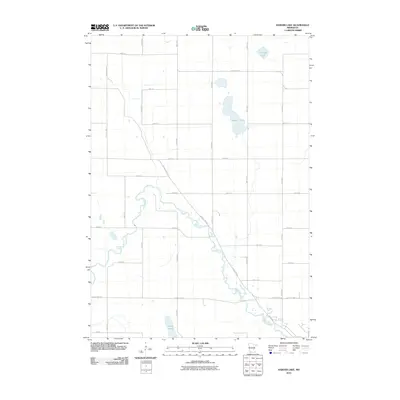 2010 Harder Lake2010 Print · USGSThe rural agricultural lands of Cottonwood County are captured here in the early twenty-first century, showing the intersection of river hydrology and township grids. Researchers can trace the path of the Des Moines River and locate water bodies like Harder Lake and Arnolds Lake.
 - 2010 Map of Windom, 2010 Print
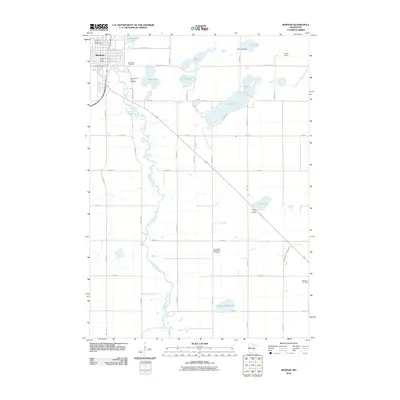 2010 Windom2010 Print · USGSWindom and its surrounding prairie lakes are shown here in the early twenty-first century as the city developed along the Des Moines River. Genealogists can locate family sites at Lakeview Cemetery and the Bethany Cemetery or trace landmarks like the Cottonwood County Fairgrounds.
 - 2010 Map of Wilder, 2010 Print
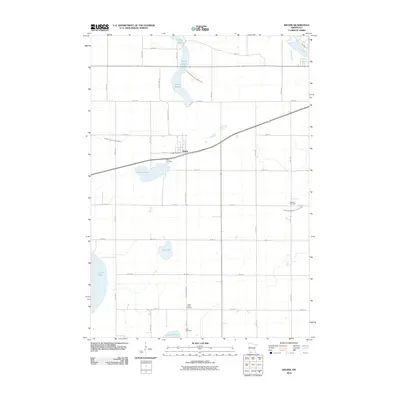 2010 Wilder2010 Print · USGSThe rural landscape around Wilder was characterized by its intricate wetlands and agricultural grid in the early twenty-first century. Genealogists can trace local family history through sites like Wilder Cemetery and the Wilder Post Office, or map the hydrology of Heron Lake and the String Lakes.
 - 2013 Map of Wilder, 2013 Print
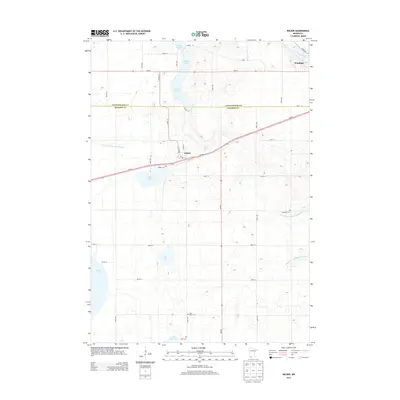 2013 Wilder2013 Print · USGSThis Southwestern Minnesota region at the start of the 2010s reveals a landscape defined by prairie water bodies and precise drainage engineering. Genealogists and local historians can trace legacy sites like Wilder Cem, Saint Peter Cem, and the winding Des Moines River near Windom.
 - 2013 Map of Harder Lake, 2013 Print
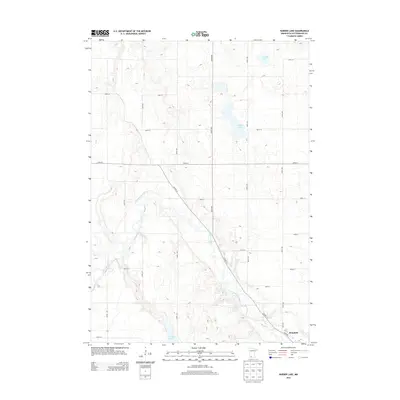 2013 Harder Lake2013 Print · USGSCottonwood County's agricultural and river landscape is captured here in the early twenty-first century as the city of Windom expands. Genealogists and local historians can trace family land plots between the Des Moines River, Harder Lake, and String Lakes.
 - 2013 Map of Bingham Lake, 2013 Print
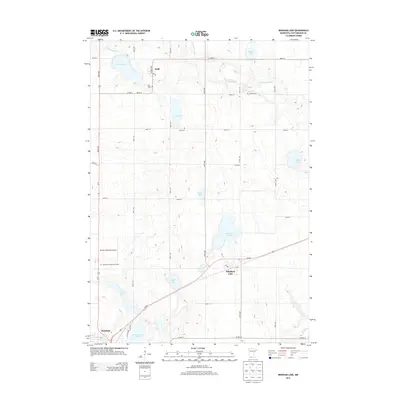 2013 Bingham Lake2013 Print · USGSWindom and the surrounding prairie lakes are shown in detail during the early twenty-first century as the region balanced its agricultural roots with modern infrastructure. Local historians can trace cemetery locations like Carson Cem and Voth Cem or explore the shoreline of Bingham Lake.
 - 2013 Map of Windom, 2013 Print
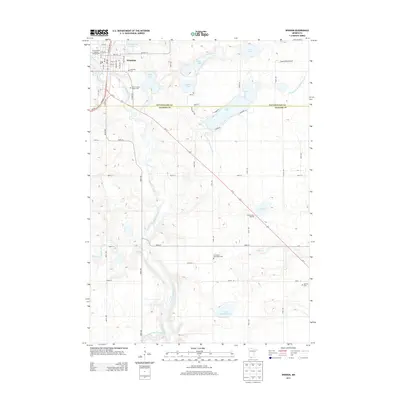 2013 Windom2013 Print · USGSWindom sits at the intersection of prairie water and regional transit in the early twenty-first century. Genealogists and local historians can trace burial sites at Christiana Norwegian Cem or follow the Des Moines River past the Cottonwood County Fairgrounds.
 - 2016 Map of Wilder, 2016 Print
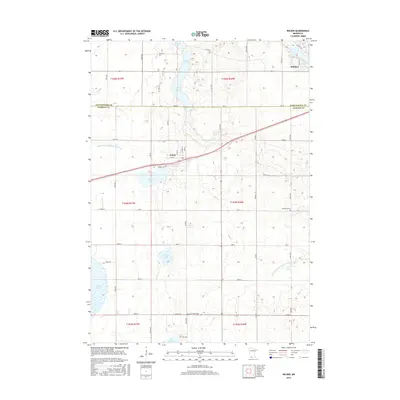 2016 Wilder2016 Print · USGSSouthwestern Minnesota's prairie and lake country is captured here in the mid-2010s. Researchers can locate several family-history sites like Wilder Cem and Brill Cem or trace the early water management of Judicial Ditch Number Fiftyfour.
 - 2016 Map of Bingham Lake, 2016 Print
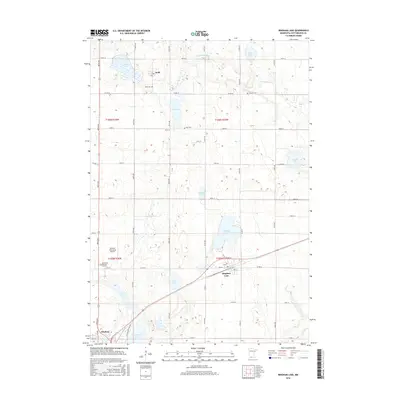 2016 Bingham Lake2016 Print · USGSCottonwood County's prairie landscape is captured here in the mid-2010s, showing a region defined by its numerous glacial lakes and scattered rural settlements. Genealogists and local historians can trace family plots at Delft Cem or Voth Cem and locate the early foundations of Bingham Lake and Delft.
 - 2016 Map of Harder Lake, 2016 Print
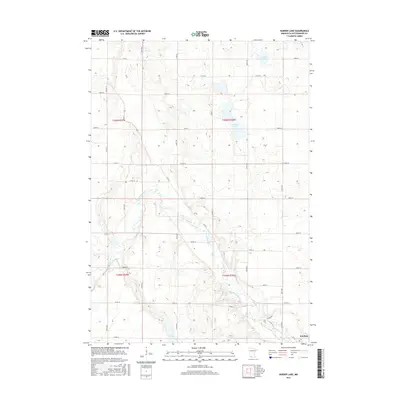 2016 Harder Lake2016 Print · USGSCottonwood County's agricultural heartland and the outskirts of Windom are documented here just after the mid-2010s. Researchers can trace the path of the Des Moines River past family-named routes like Kalash Rd and landmarks including Harder Lake.
 - 2016 Map of Windom, 2016 Print
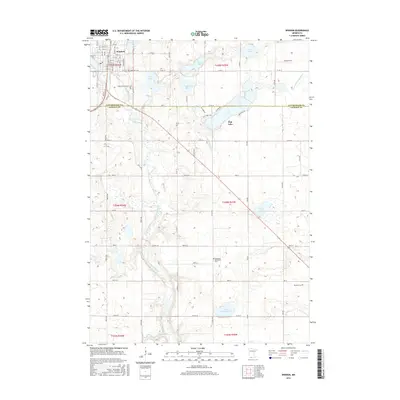 2016 Windom2016 Print · USGSWindom and the surrounding prairie landscapes of Cottonwood and Jackson counties are captured here in the mid-2010s. Genealogists and local historians can trace family ties at Lakeview Cem or Christiana Norwegian Cem and follow the path of the Des Moines River.
 - 2019 Map of Bingham Lake, 2019 Print
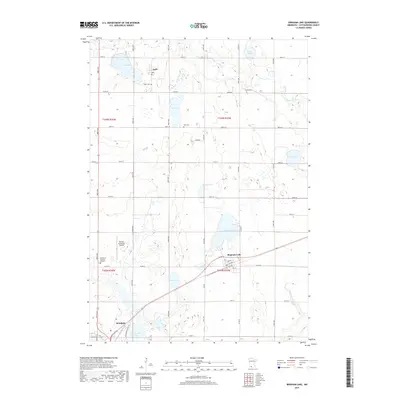 2019 Bingham Lake2019 Print · USGSBingham Lake and the city of Windom appear here in the late 2010s, showing a prairie landscape of glacial lakes and river bends. Genealogists can locate several local burial sites, including Delft Cem and Resthaven Memory Gardens, while tracing landmarks like Cottonwood Lake.
 - 2019 Map of Wilder, 2019 Print
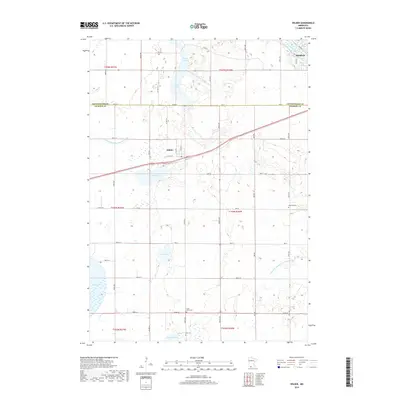 2019 Wilder2019 Print · USGSSouthern Minnesota prairie life and managed hydrology are on display here as the twentieth century turns to the twenty-first. Genealogists and local historians can locate several rural cemeteries, including Brill Cem and Wilder Cem, or trace the paths of Judicial Ditch Number Fiftyfour and the Des Moines River.
 - 2019 Map of Windom, 2019 Print
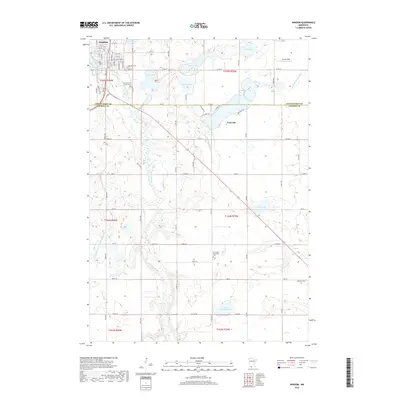 2019 Windom2019 Print · USGSThe Des Moines River valley and the prairie lakes of Cottonwood and Jackson Counties are detailed in this recent survey. Genealogists and local historians can locate rural landmarks like Christiana Norwegian Cemetery and Lake Independence.
 - 2019 Map of Harder Lake, 2019 Print
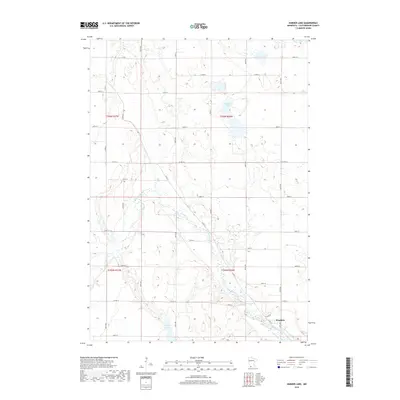 2019 Harder Lake2019 Print · USGSCottonwood County's agricultural heartland and the winding Des Moines River are captured here in the late 2010s. Researchers can trace rural property access and water features like Harder Lake or the residential growth on the edge of Windom.
 - 2022 Map of Windom, 2022 Print
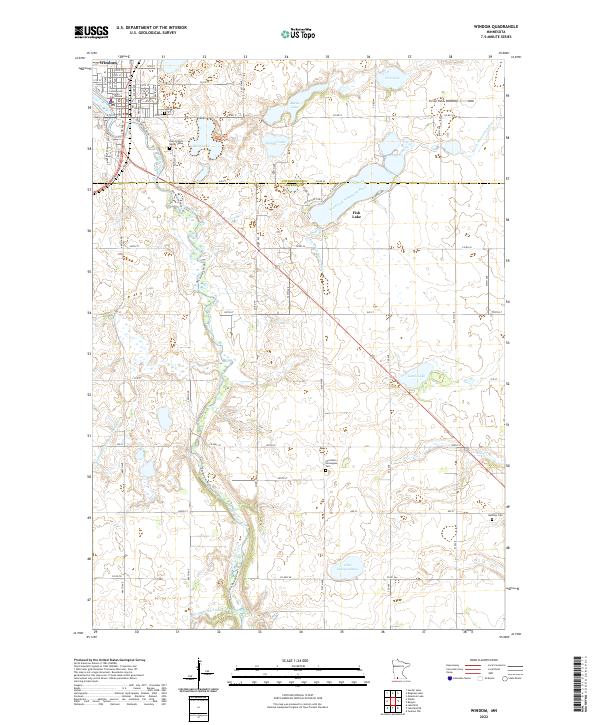 2022 Windom2022 Print · USGSWindom and the surrounding prairie are captured here in the early twenty-first century as the Des Moines River cuts through the Minnesota landscape. Genealogists and local historians can trace family roots at Lakeview Cem or Saint Francis Xavier Cem and locate landmarks like the Cottonwood County Courthouse.
 - 2022 Map of Harder Lake, 2022 Print
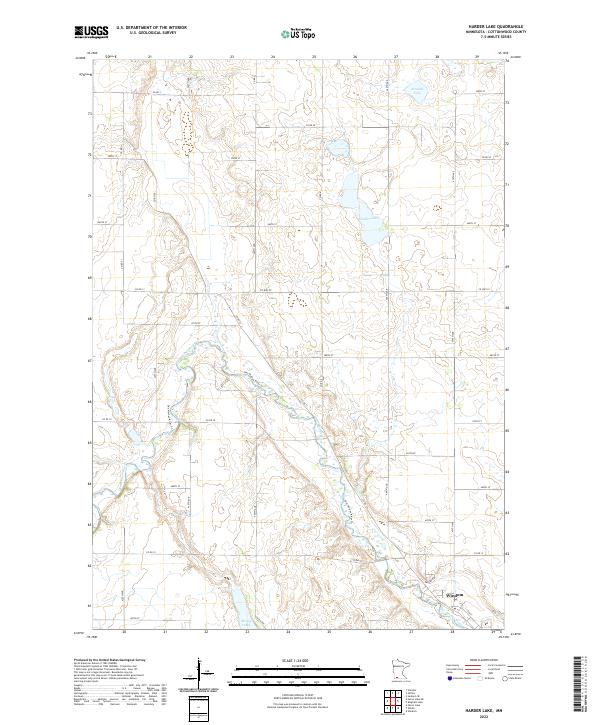 2022 Harder Lake2022 Print · USGSCottonwood County's agricultural heartland is documented here in the early twenty-first century, centered on the river valleys north of Windom. Researchers can trace the path of the Des Moines River and locate family lands near Harder Lake or along Kalash Rd.
Showing maps 1-25 of 27
Top cities near Windom
- Jackson historical maps
- Mountain Lake historical maps
- Lakefield historical maps
- Heron Lake historical maps
- Jeffers historical maps
- Storden historical maps
See more
Frequently asked questions
- What are the different types of historical maps available for Windom?
- What is the oldest map of Windom?
- Where can I purchase historical maps of Windom for my home or office?
- Where can I download high-res historical maps of Windom?
- Are there historical topographic maps available for Windom?
- Is there historical aerial imagery available for Windom?
- Where are historical maps of Windom sourced from?