Old Maps of Mendota Heights, Minnesota for Hiking & Exploration
Hike through history with 33 historic maps of Mendota Heights. Explore old trails, ghost towns, and forgotten backroads — perfect for outdoor adventurers and local explorers.
- Rediscover forgotten places: Map out old mining camps, roads, and footpaths that no longer exist on modern maps.
- Layer with modern tools: Combine with LiDAR or satellite views to plan hikes through historical terrain.
- Made for exploration: Popular among hikers, overlanders, and local history lovers.
Use these maps to find adventure and explore the hidden past of Mendota Heights.
Mendota Heights, MN maps
(33)- 1896 Map of St. Paul
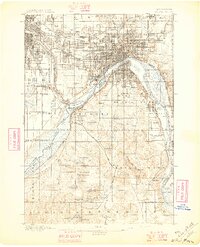 1896 St. Paul1896 Print · USGSSt. Paul and the surrounding river townships are captured in the mid-1890s during a period of massive railroad and urban expansion. Genealogists and historians can trace the early footprints of Mendota, South St. Paul, and St. Anthony Park along with the grounds of Fort Snelling.11 unique versions available
 - 1951 Map of St. Paul West, 1953 Print
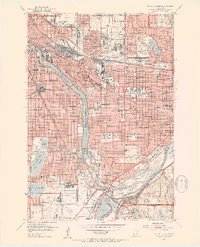 1951 St. Paul West1953 Print · USGSThe Twin Cities riverfront and academic centers are captured here just after the war, showing the industrial and institutional expansion of the era. Genealogists and researchers can locate family plots in Roselawn Cemetery or trace the early runways of Wold-Chamberlain Airport.2 unique versions available
 - 1951 Map of Inver Grove, 1953 Print
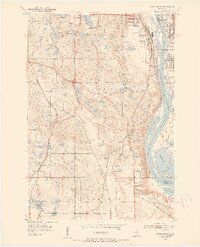 1951 Inver Grove1953 Print · USGSThe Mississippi River valley south of St. Paul is documented here just as the post-war era began reshaping the Dakota County countryside. Researchers can trace the legacy of local education and faith at Rosemount Sch, St Patrick Cem, and the historic Pine Bend settlement.3 unique versions available
 - 1951 Map of St. Paul SW, 1953 Print
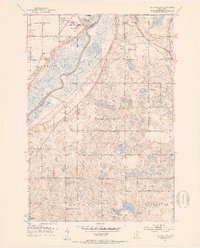 1951 St. Paul SW1953 Print · USGSThe Minnesota River valley south of the Twin Cities appears in the early fifties as a landscape of rural townships and river wetlands. Genealogists and local historians can trace the foundations of Richfield and Nicols or locate early landmarks like St Johns Cem and Pilot Knob.3 unique versions available
 - 1951 Map of St. Paul East, 1953 Print
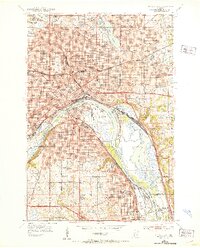 1951 St. Paul East1953 Print · USGSSaint Paul during the early fifties reveals a thriving river-and-rail hub anchored by the State Capitol and a dense network of neighborhoods. Researchers can trace the mid-century city layout, from institutional landmarks like Gillette State Hospital to the industrial Stock Yards and Holman Airport.2 unique versions available
 - 1951 Map of St. Paul, 1959 Print
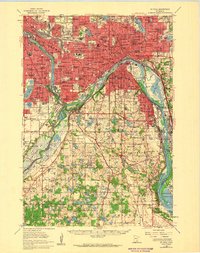 1951 St. Paul1959 Print · USGSThe Twin Cities region during the post-war boom shows the rapid growth of St Paul and Minneapolis toward their southern suburbs. Genealogists and historians can trace numerous rural landmarks like School No 73, Roselawn Cemetery, and the St Johns Cem before suburban sprawl fully arrived.2 unique versions available
 - 1953 Map of Saint Paul, 1964 Print
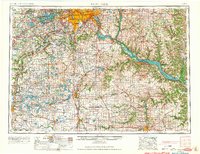 1953 Saint Paul1964 Print · USGSThe Twin Cities and the Mississippi River valley are captured here at a mid-century turning point. Trace the early growth of Minneapolis and Saint Paul alongside landmarks like Lake Minnetonka and the St Croix River.4 unique versions available
 - 1959 Map of Saint Paul
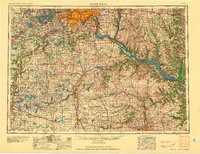 1959 Saint Paul1959 Print · USGSThe Twin Cities and southeastern Minnesota appear here in the late fifties, showing the peak of the rail era and post-war suburban growth. Genealogists can trace family footprints near Lake Minnetonka, the Univ Of Minn Rosemount Research Center, or the growing neighborhoods of Richfield.2 unique versions available
 - 1967 Map of Inver Grove Heights, 1969 Print
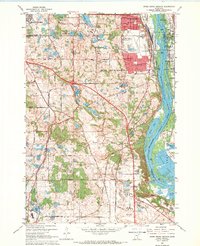 1967 Inver Grove Heights1969 Print · USGSThe Mississippi River corridor south of the Twin Cities thrives in the late sixties as rail and river industry meet. Trace family roots at Union Cem and St Patricks Ch, or explore the mid-century footprint of South St Paul and Wescott.4 unique versions available
 - 1967 Map of St. Paul SW, 1969 Print
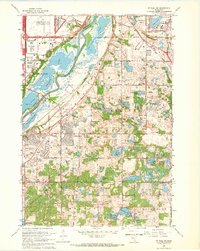 1967 St. Paul SW1969 Print · USGSDakota and Hennepin counties are captured in a moment of suburban transformation during the late sixties. Trace the early development of Bloomington and Burnsville alongside landmarks like Metropolitan Stadium and Fort Snelling National Cemetery.6 unique versions available
 - 1967 Map of St. Paul West, 1969 Print
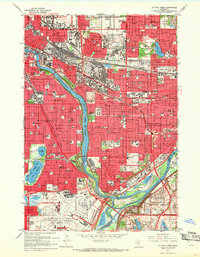 1967 St. Paul West1969 Print · USGSThe Twin Cities emerge in full mid-century detail during a period of significant urban density and infrastructure expansion. Researchers can trace the grounds of the State Fairgrounds, the historic Minnehaha Falls, and the complex layout of Fort Snelling.5 unique versions available
 - 1967 Map of St. Paul East, 1969 Print
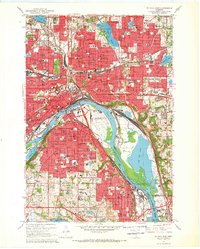 1967 St. Paul East1969 Print · USGSThe Twin Cities region shows its mid-century industrial and civic expansion in this survey of the riverfront and downtown core. Researchers can trace the development of neighborhood institutions like Oakland Cemetery, the Stockyards in South St. Paul, and the St Paul Cathedral.5 unique versions available
 - 1985 Map of Saint Paul
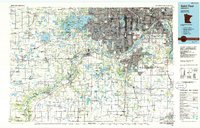 1985 Saint Paul1985 Print · USGSThe Twin Cities metropolitan area and its southern suburbs are captured here in the mid-eighties as the urban landscape expanded toward the Minnesota River. Researchers can trace the layout of the Fort Snelling Military Reservation, find local landmarks like St Benedict Church, and study the rail routes of the Soo Line.2 unique versions available
 - 2010 Map of Inver Grove Heights, 2010 Print
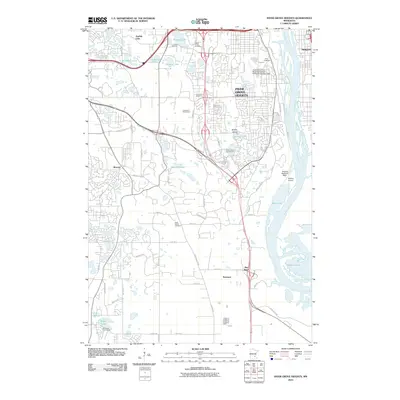 2010 Inver Grove Heights2010 Print · USGSInver Grove Heights and the Mississippi River corridor appear at a time of significant suburban and industrial expansion. Researchers can trace local lineage through several sites like Saint Patrick Cemetery or locate the historic center of Wescott near the riverfront.
 - 2010 Map of Saint Paul West, 2010 Print
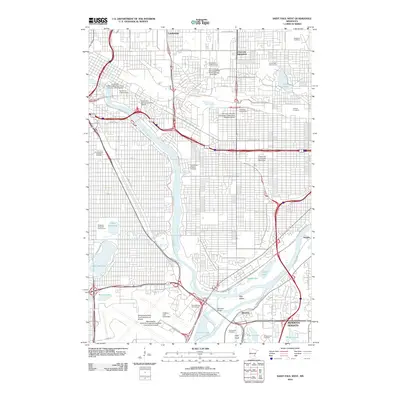 2010 Saint Paul West2010 Print · USGSThe Twin Cities area at the dawn of the 2010s reveals a landscape defined by the meeting of the Mississippi and Minnesota rivers. Genealogists and historians can trace institutional roots at the University of Minnesota or locate family sites near Pioneers and Soldiers Cemetery and Mendota.
 - 2010 Map of Saint Paul East, 2010 Print
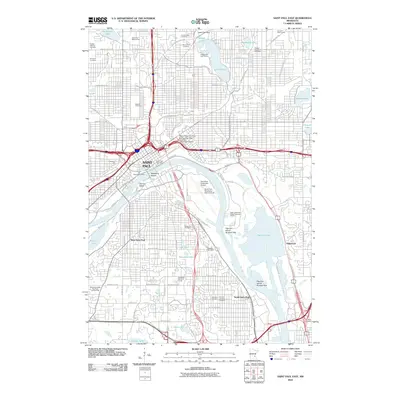 2010 Saint Paul East2010 Print · USGSSaint Paul and its southern neighbors show a landscape of dense urban growth and industrial riverfront development at the start of the 2010s. Genealogists can locate historic burial grounds like Oakland Cemetery or trace the old library records at the James Hill Reference Library.
 - 2010 Map of Saint Paul SW, 2010 Print
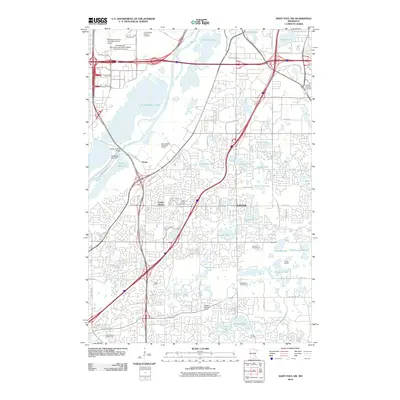 2010 Saint Paul SW2010 Print · USGSThe suburban landscape of the Twin Cities south metro is captured here in the early 2010s. Researchers can trace the development of Eagan and Cedar Grove or locate burial sites at Fort Snelling National Cemetery and Saint Johns Cemetery.
 - 2013 Map of Saint Paul West, 2013 Print
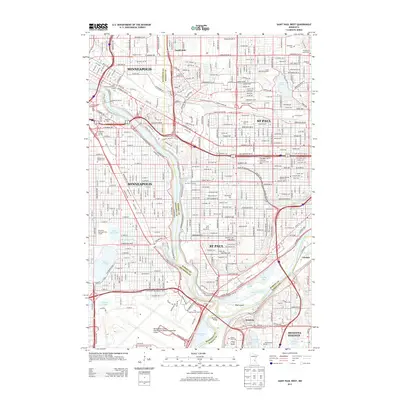 2013 Saint Paul West2013 Print · USGSThe Twin Cities river confluence comes alive in this modern survey of the urban core during the early twenty-first century. Researchers can trace the massive footprints of University of Minnesota and Ft Snelling National Cemetery alongside landmarks like Minnehaha Falls.
 - 2013 Map of Saint Paul East, 2013 Print
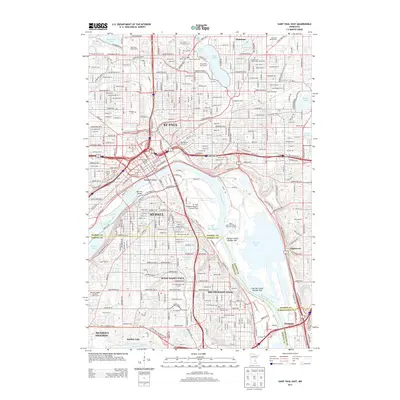 2013 Saint Paul East2013 Print · USGSSaint Paul and its eastern suburbs are shown in detail during the early 2010s as they flank the industrial corridor of the Mississippi River. Genealogists and local historians can trace legacy sites like Oakland Cem or locate the historic Cathedral Hill and James Hill Reference Library.
 - 2013 Map of Saint Paul SW, 2013 Print
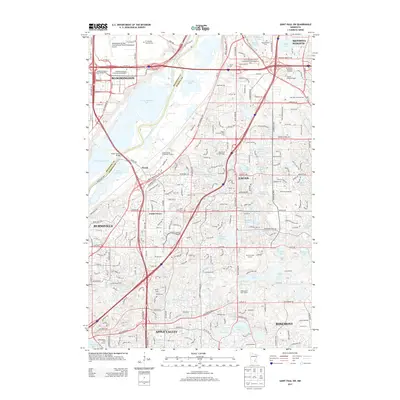 2013 Saint Paul SW2013 Print · USGSThe southern Twin Cities suburbs meet the river bottomlands in this recent survey of the growing corridor between Bloomington and Apple Valley. Genealogists and researchers can locate Ft Snelling National Cemetery, Resurrection Cem, and the historic rail-side vicinity of Nicols.
 - 2013 Map of Inver Grove Heights, 2013 Print
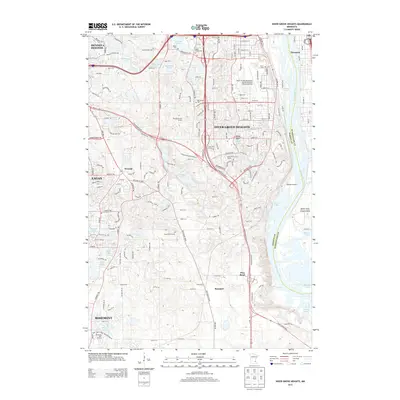 2013 Inver Grove Heights2013 Print · USGSDakota County south of the Twin Cities is shown here during a period of significant suburban infill and aviation growth. Researchers can locate long-standing community landmarks like the Union Cem or the sprawling campus of Inver Hills Community Coll.
 - 2016 Map of Inver Grove Heights, 2016 Print
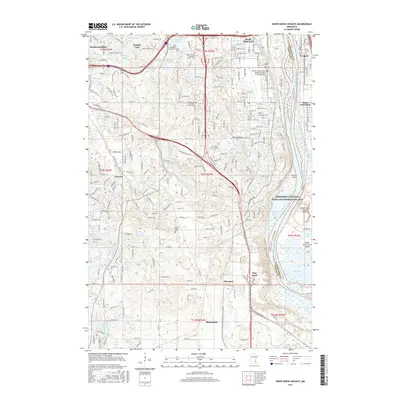 2016 Inver Grove Heights2016 Print · USGSDakota and Washington counties meet along the Mississippi in the mid-2010s, showing a landscape of river islands and suburban growth. Genealogists and locals can trace family sites at Saint Patrick Cemetery or explore landmarks like Upper Grey Cloud Island and Wescott.
 - 2016 Map of Saint Paul East, 2016 Print
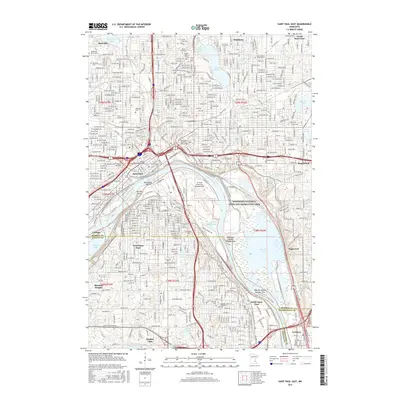 2016 Saint Paul East2016 Print · USGSSaint Paul and its eastern reaches are shown here in the mid-2010s, where the Mississippi River shapes the urban and industrial landscape. Researchers can trace local history through prominent sites like Holman Field, Oakland Cem, and Lake Phalen.
 - 2016 Map of Saint Paul West, 2016 Print
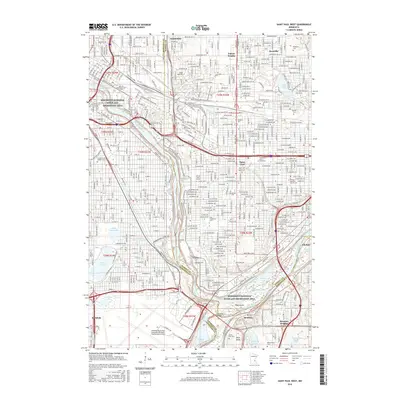 2016 Saint Paul West2016 Print · USGSThe Twin Cities riverfront comes alive in the mid-2010s, showing the dense academic and residential landscape between Minneapolis and Saint Paul. Researchers can trace the grounds of Luther Seminary, the historic Roselawn Cem, and the path of the Minnesota River.
 - 2016 Map of Saint Paul SW, 2016 Print
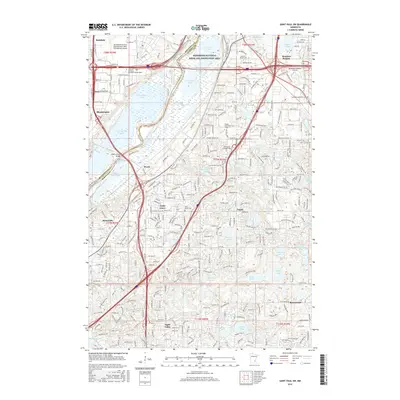 2016 Saint Paul SW2016 Print · USGSThe Minnesota River valley and its surrounding suburbs are captured here during a period of intense development. Trace the evolution of local landmarks from Saint Johns Cemetery to the historic sites of Nicols and Cedar Grove.
Showing maps 1-25 of 33
Top cities near Mendota Heights
- Minneapolis historical maps
- Saint Paul historical maps
- Bloomington historical maps
- Brooklyn Park historical maps
- Woodbury historical maps
- Eagan historical maps
See more
Frequently asked questions
- What are the different types of historical maps available for Mendota Heights?
- What is the oldest map of Mendota Heights?
- Where can I purchase historical maps of Mendota Heights for my home or office?
- Where can I download high-res historical maps of Mendota Heights?
- Are there historical topographic maps available for Mendota Heights?
- Is there historical aerial imagery available for Mendota Heights?
- Where are historical maps of Mendota Heights sourced from?