Old Maps of Crosby Township, Minnesota for Academic Research
Study the evolution of Crosby Township with 35 high-resolution historic maps. Whether you're teaching, researching, or modeling changes in land use, these maps provide essential visual documentation of urban, environmental, and geographic change.
- Analyze long-term change: Track patterns in development, transportation, and natural features.
- Ideal for environmental or urban studies: Support academic projects with primary historical map data.
- Use in the classroom or lab: Educators and researchers rely on these maps to bring historical context to life.
These maps are a powerful tool for teaching, research, and visualizing how Crosby Township has changed over the decades.
Crosby Township, MN maps
(35)- 1950 Map of Webster
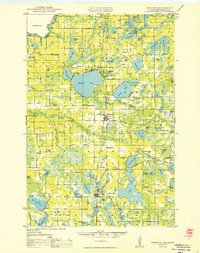 1950 Webster1950 Print · USGSNorthern Wisconsin lake country is captured here at mid-century, centered on the growing village of Webster. Genealogists can locate rural landmarks like Karlsborg Cem, Yellow Lake Ch, and the Siren Landing Field.
 - 1950 Map of Grantsburg
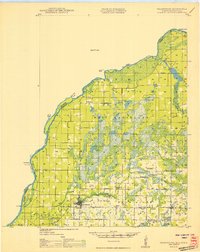 1950 Grantsburg1950 Print · USGSBurnett County was a landscape of river crossings and rural outposts at mid-century, bounded by the winding St Croix River. Genealogists and historians can locate legacy sites like Ekdall Sch, Wood Lake Ch, and the village of Grantsburg.
 - 1953 Map of Stillwater, 1980 Print
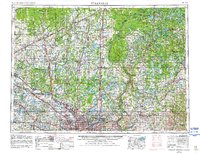 1953 Stillwater1980 Print · USGSThe Twin Cities and the St. Croix Valley are captured in this mid-century survey as the interstate era began to transform the Upper Midwest. Genealogists and historians can trace the rail-and-river geography of Stillwater, locate landmarks in Anoka, or explore the sprawling St Croix State Park.
 - 1955 Map of Webster, 1957 Print
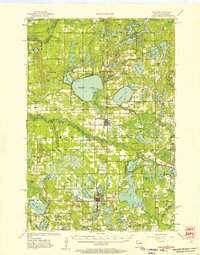 1955 Webster1957 Print · USGSBurnett County in the mid-fifties is a landscape of glacial lakes and growing lakeside communities like Webster and Siren. Researchers can trace old rural school districts and landmarks such as the Burnett County Airport, Karlsborg Sch, and the Orange Cem.3 unique versions available
 - 1955 Map of Stillwater, 1965 Print
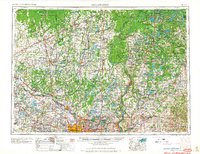 1955 Stillwater1965 Print · USGSThe Upper St. Croix Valley and the growing Twin Cities area are shown here during the mid-fifties, before the interstate era transformed the regional commute. You can trace the lines of the Northern Pacific RR through towns like Rush City or locate the Saint Croix Indian Reservation.
 - 1958 Map of Stillwater
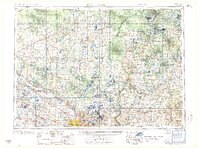 1958 Stillwater1958 Print · USGSThe Upper Mississippi and St. Croix River valleys appear in the mid-fifties as the Twin Cities expanded north. Genealogists can locate family landmarks like Oak Park Cem, Saint Michael Church, and the Soo Line RR rail corridors.2 unique versions available
 - 1961 Map of Pine City, 1963 Print
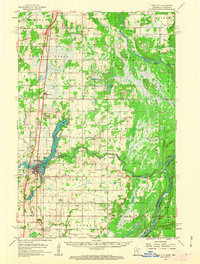 1961 Pine City1963 Print · USGSPine City and the surrounding river valleys are captured here in the early 1960s as Interstate 35 began to reshape the region. Genealogists can trace family footprints across numerous sites like the Bohemian Cem, Milburn Ch, and over ten numbered schoolhouses.2 unique versions available
 - 1962 Map of Grantsburg, 1964 Print
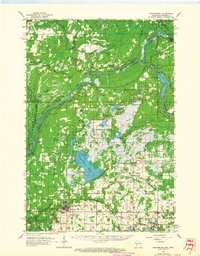 1962 Grantsburg1964 Print · USGSThe St. Croix River valley in the early 1960s reveals a unique landscape of wetlands and wildlife conservation. Genealogists and historians can trace rural landmarks like Ekdall Ch Cem, Midway Tabernacle, and the Old Railroad Grade.
 - 1965 Map of Stillwater
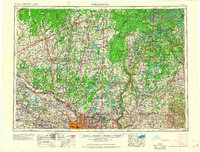 1965 Stillwater1965 Print · USGSThe Twin Cities and the St. Croix Valley are mapped here during a period of significant post-war growth and industrial transit. Genealogists and historians can trace rail lines like the Northern Pacific RR through towns such as Rush City, Amery, and Balsam Lake.
 - 1975 Map of Stillwater
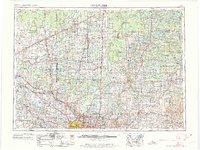 1975 Stillwater1975 Print · USGSThe Twin Cities and the St. Croix Valley are captured in the mid-seventies, showing the urban growth of Minneapolis and St Paul. Researchers can trace old rail corridors of the Northern Pacific RR and locate tribal lands at the Mille Lacs Indian Reservation.2 unique versions available
 - 1982 Map of Lake Clayton, 1983 Print
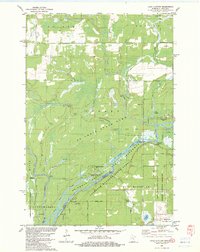 1982 Lake Clayton1983 Print · USGSThe St. Croix riverfront in the early eighties shows a landscape preserved through state and national forests along the Wisconsin-Minnesota border. Researchers can trace historic river access at Nelson Landing and locate the Ekdall Ch near the marshlands.
 - 1982 Map of Yellow Lake, 1983 Print
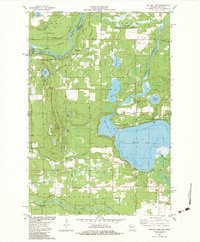 1982 Yellow Lake1983 Print · USGSNorthwestern Wisconsin at the start of the 1980s was a landscape defined by state forests and the winding St. Croix River. Researchers can locate remote cemeteries and camps like Bluff Lake Cem, St Johns Landing, and the Ice House Bridge.
 - 1982 Map of Monson Lake, 1983 Print
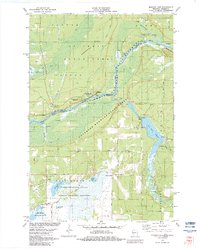 1982 Monson Lake1983 Print · USGSUpper Wisconsin’s river borderlands are documented here in the early 1980s, showcasing the transition from state forests to vast wildlife refuges. Researchers can locate family landmarks like the Peet Cem, trace Peet Post Office Road, and find the St Johns Landing Camp along the riverbanks.
 - 1983 Map of Cedar Lake, 1984 Print
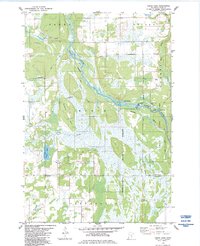 1983 Cedar Lake1984 Print · USGSPine County's river-fed lowlands are captured here in the early 1980s as the Kettle River winds through dense state forests and parks. Outdoor enthusiasts and local historians can trace the snowmobile trails and locate features like Big Eddy, the Crosby settlement, and Cedar Lake.
 - 1985 Map of Grantsburg
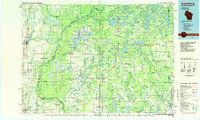 1985 Grantsburg1985 Print · USGSThe river borderlands of Minnesota and Wisconsin come alive in the mid-1980s, showcasing the intricate water networks and forest preserves of Burnett and Pine counties. Trace the rail lines of the Soo Line or find rural landmarks like Trade Lake Ch and Hildas Corner.2 unique versions available
 - 2010 Map of Cedar Lake, 2010 Print
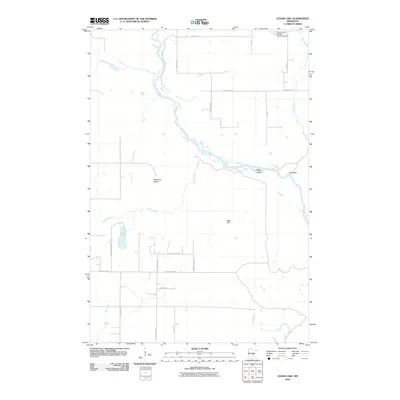 2010 Cedar Lake2010 Print · USGSPine County during the early twenty-first century shows a landscape shaped by the Kettle River and local conservation efforts. Trace property and drainage patterns near Cedar Lake, the Calvin Harth Wildlife Structure Dam, and the river bends at Big Eddy.
 - 2010 Map of Yellow Lake, 2010 Print
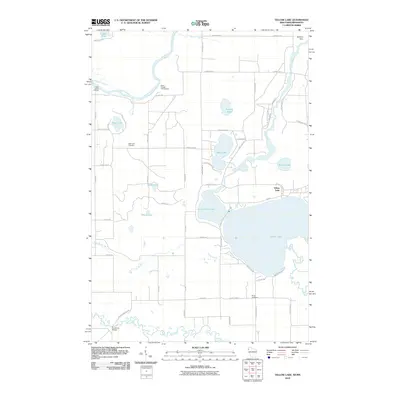 2010 Yellow Lake2010 Print · USGSThe interconnected waterways of Burnett County take center stage in this 2010 survey of the Yellow Lake region. Genealogists and researchers can trace family landmarks at Bluff Lake Cemetery, the Danbury Dam, and the river crossing at Ice House Bridge.
 - 2010 Map of Lake Clayton, 2010 Print
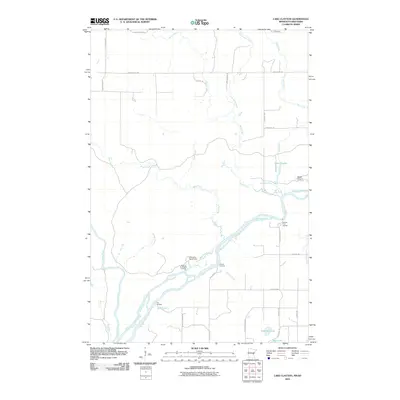 2010 Lake Clayton2010 Print · USGSThe confluence of the Saint Croix River and Kettle River dominates this 2010 landscape of landings and camps. Researchers can trace historical river access points like Norway Point Landing or locate remote interior waters such as Lake Clayton and Fuhrman Lake.
 - 2010 Map of Monson Lake, 2010 Print
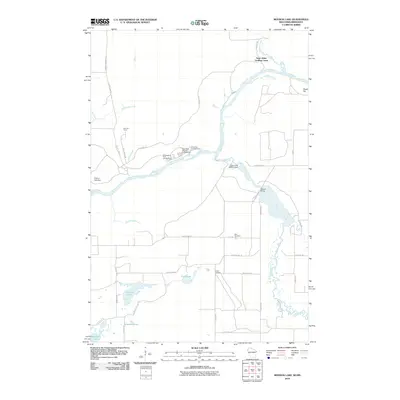 2010 Monson Lake2010 Print · USGSThe Saint Croix River valley at the Minnesota-Wisconsin border shows a landscape shaped by water and timber at the start of the 21st century. Genealogists and local historians can trace legacy sites like Peet Cemetery, Reed Corners, and the old Fleming Logging Rd.
 - 2013 Map of Yellow Lake, 2013 Print
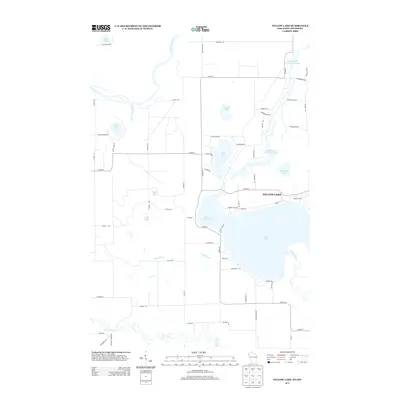 2013 Yellow Lake2013 Print · USGSBurnett County’s water-rich landscape is captured in the early 2010s, showing the complex network of rivers and glacial lakes that define this border country. Researchers can trace the shoreline developments of Yellow Lake or follow the paths of the Saint Croix River and the meandering Clam River.
 - 2013 Map of Monson Lake, 2013 Print
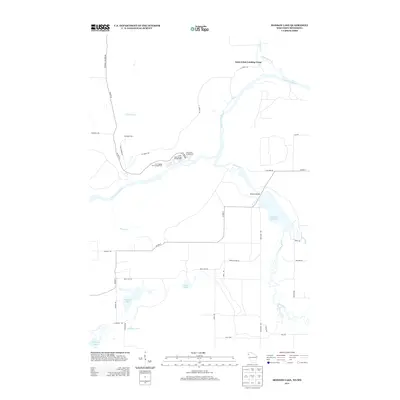 2013 Monson Lake2013 Print · USGSThe Saint Croix River valley along the Minnesota and Wisconsin border is captured here in the early twenty-first century. Researchers can trace outdoor heritage sites and water features like Saint Johns Landing Camp, Balcom Bridge, and the Clam River Flowage.
 - 2013 Map of Cedar Lake, 2013 Print
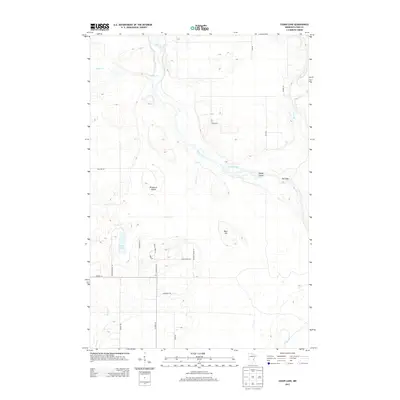 2013 Cedar Lake2013 Print · USGSPine County and the banks of the Kettle River appear here in the early twenty-first century, showing a landscape defined by water and woods. Trace the natural river bends past Lords Slough, or locate properties near Cedar Lake and the Big Eddy.
 - 2013 Map of Lake Clayton, 2013 Print
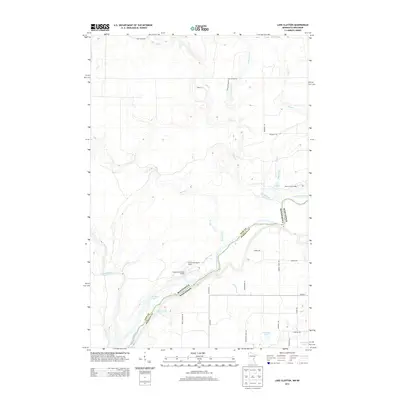 2013 Lake Clayton2013 Print · USGSPine County and the Minnesota-Wisconsin border are captured here in the early 2010s, centered on the confluence of the Saint Croix and Kettle rivers. Researchers can trace river access points and campsites like Head of the Rapids Landing and Norway Point Camp.
 - 2015 Map of Yellow Lake, 2015 Print
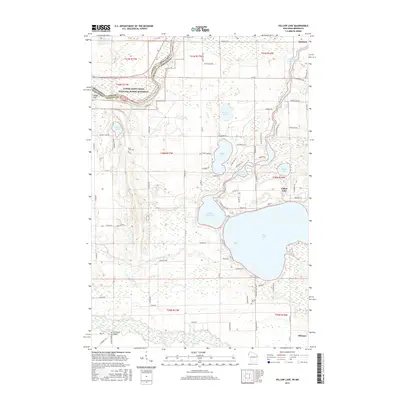 2015 Yellow Lake2015 Print · USGSBurnett County’s watery landscape is meticulously detailed in this mid-2010s survey, showing the interconnected reaches of the St. Croix and Yellow Rivers. Researchers can trace local history at Bluff Lake Cem, the Ice House Bridge, and the shores of Little Yellow Lake.
 - 2015 Map of Monson Lake, 2015 Print
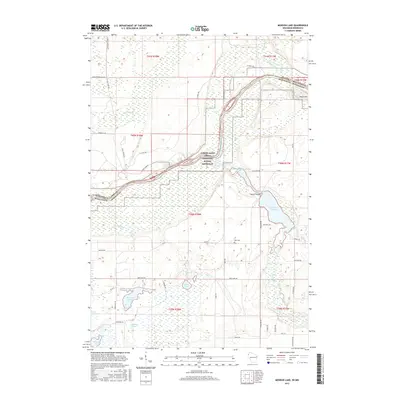 2015 Monson Lake2015 Print · USGSThe Minnesota and Wisconsin borderlands along the St. Croix River are captured here in the mid-2010s, showcasing a landscape of managed forests and glacial lakes. Genealogists and local historians can locate the Peet Cem, trace the crossing at Balcom Bridge, and explore the wetlands around Monson Lake.
Showing maps 1-25 of 35
Top cities near Crosby Township
- Grantsburg historical maps
- Rock Creek historical maps
- Trade Lake historical maps
- Siren historical maps
- Clam Falls historical maps
Frequently asked questions
- What are the different types of historical maps available for Crosby Township?
- What is the oldest map of Crosby Township?
- Where can I purchase historical maps of Crosby Township for my home or office?
- Where can I download high-res historical maps of Crosby Township?
- Are there historical topographic maps available for Crosby Township?
- Is there historical aerial imagery available for Crosby Township?
- Where are historical maps of Crosby Township sourced from?