Old Maps of Hush Lake, Minnesota
Explore 34 old maps of Hush Lake, spanning from 1954 to today. These high-resolution historic maps reveal how streets, neighborhoods, landmarks, and natural features evolved over time — perfect for genealogy, metal detecting, research, and local history exploration.
What you can do with these maps:
- See how Hush Lake changed over time: Compare historical maps to modern-day views to trace roads, homesites, rail lines & more.
- View detailed metadata: Each map includes creators, publishers, year, scale, and archive source.
- Overlay maps with satellite & LiDAR: Visualize the past alongside modern tools to explore terrain & human change.
- Trusted historical sources: Maps sourced from the USGS, Library of Congress, and other archives.
- Access maps your way: View online, download high-res files, or order prints for personal or research use.
Start exploring old maps of Hush Lake to uncover forgotten places, hidden landmarks, and the deep history beneath your feet.
Hush Lake, MN maps
(34)- 1954 Map of Hibbing, 1966 Print
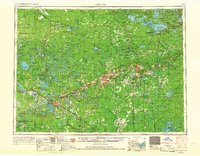 1954 Hibbing1966 Print · USGSNorthern Minnesota's Iron Range thrives during the mid-1960s, showing the industrial landscape between the Mesabi Range and the Mississippi River. Genealogists and historians can trace the rail lines of the Great Northern RR through mining hubs like Hibbing and Virginia.3 unique versions available
 - 1957 Map of Hibbing
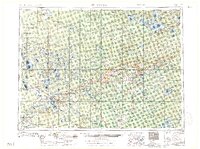 1957 Hibbing1957 Print · USGSNorthern Minnesota's Iron Range is shown at its industrial peak in the mid-fifties, dominated by the massive iron pits and rail corridors of the Mesabi Range. Researchers can trace the rail networks of the Duluth Missabe and Iron Range and locate mining hubs like Hibbing, Virginia, and Bovey.
 - 1957 Map of Markham, 1958 Print
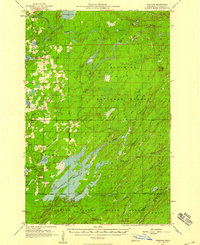 1957 Markham1958 Print · USGSSt. Louis County in the late fifties was a landscape of dense state forests and critical waterways supporting the regional Iron Range. Researchers can locate the settlement of Markham and trace the paths of the Duluth Missabe and Iron Range railroad and the sprawling Whiteface Reservoir.2 unique versions available
 - 1958 Map of Hibbing
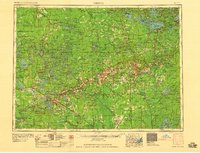 1958 Hibbing1958 Print · USGSThe Mesabi Iron Range reached its mid-century height during this era, defining the landscape between Grand Rapids and Virginia. Genealogists and historians can trace the mining-town networks of Hibbing and Chisholm or locate numerous iron mines and rail spurs.
 - 1964 Map of Hibbing
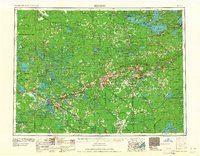 1964 Hibbing1964 Print · USGSNorthern Minnesota’s iron-rich corridor is captured here during a peak era of mid-century industrial activity. Researchers can trace the rail-to-mine connections through Mesabi Range towns like Hibbing and Virginia or locate lakefront settlements near Pokegama Lake.
 - 1976 Map of Markham SE, 1979 Print
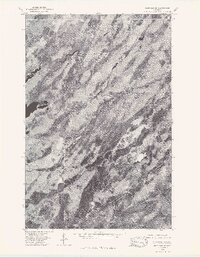 1976 Markham SE1979 Print · USGSThe northern forests of St. Louis County are captured in high detail during the mid-seventies in this aerial orthophoto. Trace the winding hydrology of the North Branch Whiteface River and South Branch Whiteface River.
 - 1976 Map of Markham NW, 1979 Print
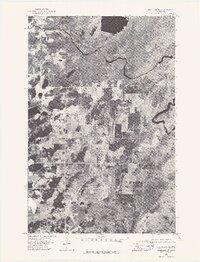 1976 Markham NW1979 Print · USGSSt. Louis County is captured from above in the mid-1970s, showing the intersection of waterway and woodland. Local historians can trace the exact 1976 path of the St Louis River and the rural surroundings of Whitewater Lake.
 - 1976 Map of Markham NE, 1979 Print
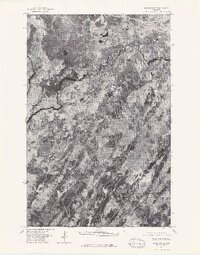 1976 Markham NE1979 Print · USGSNortheastern Minnesota's boreal landscape is captured in this mid-seventies aerial survey of St. Louis County. Researchers can trace the winding course of the St Louis River and examine the natural drainage patterns and forest cover of the era.
 - 1976 Map of Markham SW, 1979 Print
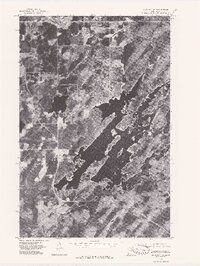 1976 Markham SW1979 Print · USGSThe northern Minnesota woods and the complex shoreline of the Whiteface Reservoir are captured here in the mid-1970s. Researchers can trace the rural layout of Markham and the winding course of the Whiteface River through the timberland.
 - 1977 Map of Hibbing, 1994 Print
 1977 Hibbing1994 Print · USGSThe Iron Range of northern Minnesota comes into sharp focus during the late seventies, detailing the massive mining works and rail networks of St. Louis County. Researchers can trace family roots in Hibbing, Chisholm, and Virginia, or locate old post offices like Leoneth and Iron.
 - 1981 Map of Turpela Lake, 1982 Print
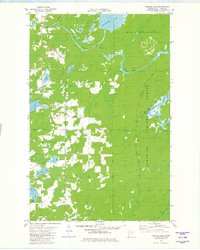 1981 Turpela Lake1982 Print · USGSIron Range wetlands and the Superior National Forest define this landscape during the early 1980s. Researchers can trace family-named landmarks like Hautala Lake and Kumpula Lake or locate industrial sites like the Gaging Station and various Gravel Pits.2 unique versions available
 - 1981 Map of Bird Lake, 1982 Print
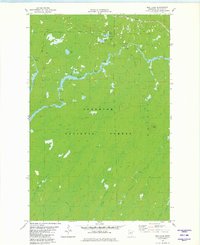 1981 Bird Lake1982 Print · USGSThe Superior National Forest remains a wild landscape of timber and wetlands in the early 1980s, shaped by the winding St Louis River. Local historians can trace the Duluth Missabe and Iron Range railroad or locate landmarks like Skibo Vista and Hush Lake.2 unique versions available
 - 1981 Map of Whiteface Reservoir, 1982 Print
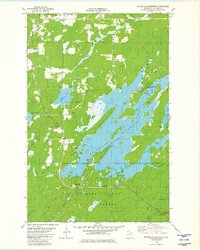 1981 Whiteface Reservoir1982 Print · USGSSt. Louis County is shown in the early eighties as a hub for northern forestry and recreation. Researchers can trace land use patterns across the Superior National Forest and locate specific sites like the Markham Cem or the Cloquet Valley Lookout Tower.2 unique versions available
 - 1981 Map of Harris Lake, 1982 Print
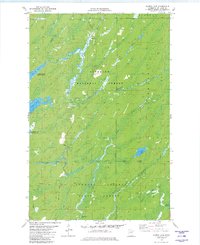 1981 Harris Lake1982 Print · USGSThe St. Louis County woods were heavily managed for timber and recreation during the early eighties. Researchers can trace seasonal routes like the Snowmobile Trail and Winter Trail near Harris Lake and the Whiteface Reservoir.3 unique versions available
 - 2011 Map of Harris Lake, 2011 Print
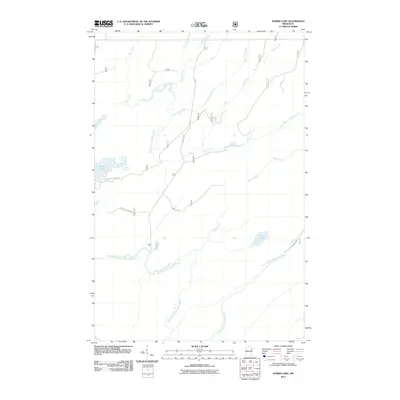 2011 Harris Lake2011 Print · USGSSaint Louis County at the turn of the decade is depicted here as a landscape of timber-country trails and winding river branches. Researchers can trace the winding course of the North Branch Whiteface River or locate remote landmarks like Harris Lake and Camp 26 Trl.
 - 2011 Map of Bird Lake, 2011 Print
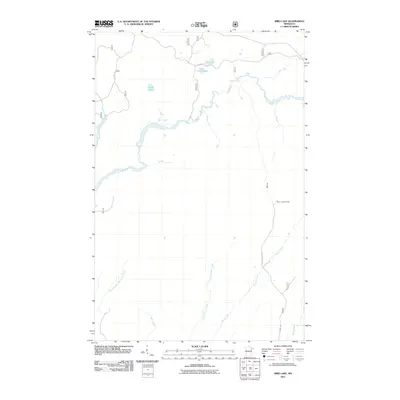 2011 Bird Lake2011 Print · USGSSaint Louis County is documented here at the start of the 2010s, showing a landscape defined by the winding Saint Louis River and forest management infrastructure. Researchers can locate remote landmarks like the Skibo Lookout Tower and trace drainage across Shiver Creek and Hush Lake.
 - 2011 Map of Whiteface Reservoir, 2011 Print
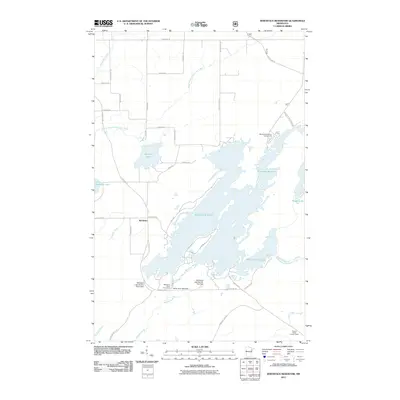 2011 Whiteface Reservoir2011 Print · USGSSaint Louis County's northern forests were deeply transformed by water management and recreation by the early twenty-first century. Genealogists and historians can locate the community of Markham and trace landmarks like the Cloquet Valley Lookout Tower or the White Face Lake Dam.
 - 2011 Map of Turpela Lake, 2011 Print
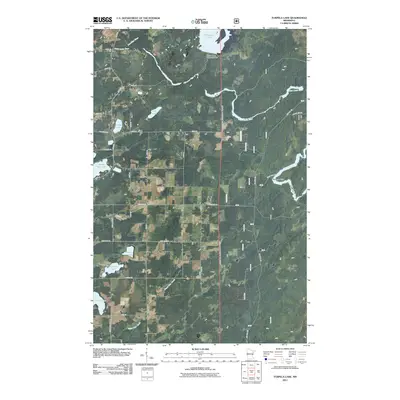 2011 Turpela Lake2011 Print · USGSSaint Louis County is captured here at the start of the 2010s, showing a landscape defined by its waterways and timber roads. Genealogists and local historians can trace family-named landmarks and rural routes like Hautala Lake, Norway Point, and the White Water Reservoir Dam.
 - 2013 Map of Bird Lake, 2013 Print
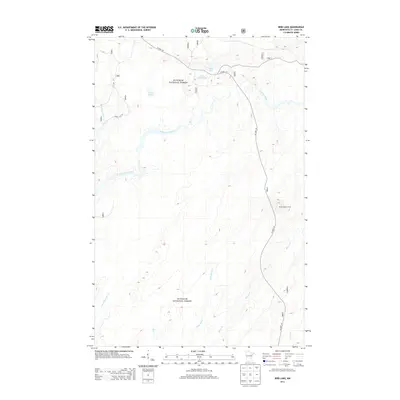 2013 Bird Lake2013 Print · USGSThe northern wilderness of Saint Louis County is captured here in the early twenty-first century, showing the remote reaches of the Superior National Forest. Researchers can trace the winding Saint Louis River and locate landmarks like the Skibo Lookout Tower and Bird Lake.
 - 2013 Map of Whiteface Reservoir, 2013 Print
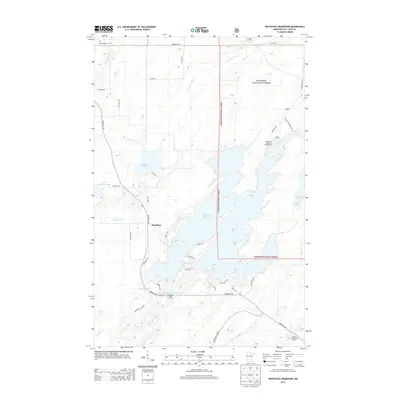 2013 Whiteface Reservoir2013 Print · USGSSaint Louis County's lake country is captured here in the early twenty-first century, showing the intersection of managed timberland and reservoir recreation. Trace local history through the Markham settlement and landmarks like the Cloquet Valley Lookout Tower and Whiteface Lake.
 - 2013 Map of Harris Lake, 2013 Print
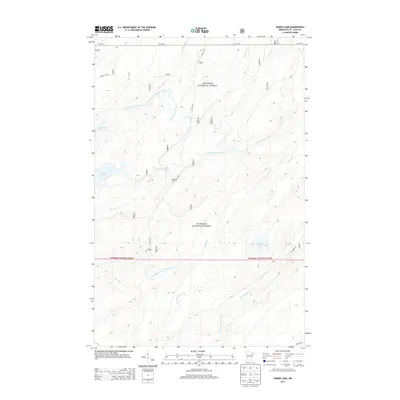 2013 Harris Lake2013 Print · USGSSaint Louis County's deep woods are documented here during the early twenty-first century, showcasing the complex water networks of the North Country. Researchers can trace the paths of Camp 26 Trl and Moose Line Rd through the Superior National Forest.
 - 2013 Map of Turpela Lake, 2013 Print
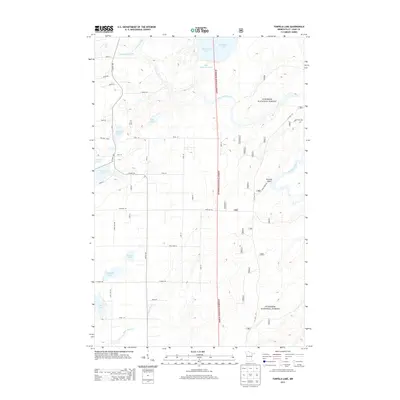 2013 Turpela Lake2013 Print · USGSNortheastern Minnesota's lake country is captured here in the early twenty-first century as part of the Superior National Forest. Researchers can trace the hydrology of the Saint Louis River and identify family-named landmarks like Turpela Lake and Hautala Lake.
 - 2016 Map of Bird Lake, 2016 Print
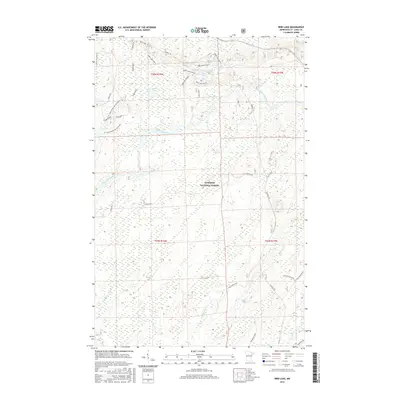 2016 Bird Lake2016 Print · USGSUpper Minnesota forest and wetlands come into focus in this modern survey of the area near Hoyt Lakes. Trace the network of timber and service routes like Moose Line Spur 791 and Pelto Road as they weave around Bird Lake and the Saint Louis River.
 - 2016 Map of Whiteface Reservoir, 2016 Print
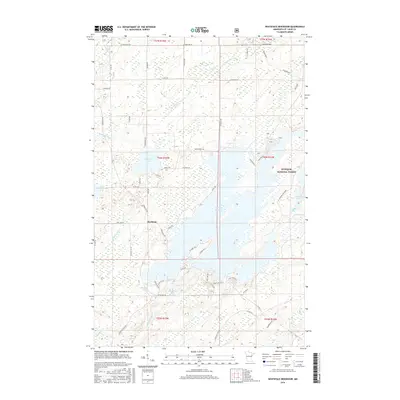 2016 Whiteface Reservoir2016 Print · USGSSaint Louis County's lake country is captured here during the mid-2010s, showcasing the extensive waters of the Superior National Forest. Researchers can trace the development around Markham or locate specific shoreline features along Whiteface Reservoir and Whiteface Lake.
 - 2016 Map of Turpela Lake, 2016 Print
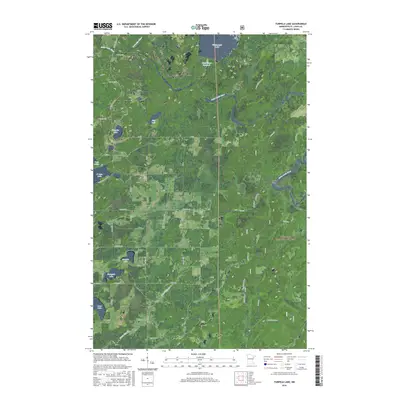 2016 Turpela Lake2016 Print · USGSSaint Louis County in the mid-2010s is defined by its vast waterways and the sprawling Superior National Forest. Researchers can trace old forest routes like Mooseline or locate landmarks such as Koivisto and Norway Point.
Showing maps 1-25 of 34
Top cities near Hush Lake
- Hoyt Lakes historical maps
- Aurora historical maps
- Babbitt historical maps
- Biwabik historical maps
- Fairbanks historical maps
Frequently asked questions
- What are the different types of historical maps available for Hush Lake?
- What is the oldest map of Hush Lake?
- Where can I purchase historical maps of Hush Lake for my home or office?
- Where can I download high-res historical maps of Hush Lake?
- Are there historical topographic maps available for Hush Lake?
- Is there historical aerial imagery available for Hush Lake?
- Where are historical maps of Hush Lake sourced from?