Old Maps of Zim, Minnesota for Academic Research
Study the evolution of Zim with 11 high-resolution historic maps. Whether you're teaching, researching, or modeling changes in land use, these maps provide essential visual documentation of urban, environmental, and geographic change.
- Analyze long-term change: Track patterns in development, transportation, and natural features.
- Ideal for environmental or urban studies: Support academic projects with primary historical map data.
- Use in the classroom or lab: Educators and researchers rely on these maps to bring historical context to life.
These maps are a powerful tool for teaching, research, and visualizing how Zim has changed over the decades.
Zim, MN maps
(11)- 1951 Map of Zim, 1953 Print
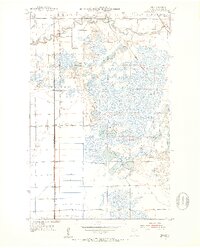 1951 Zim1953 Print · USGSRailroad hamlets and winding river bends defined St. Louis County at the start of the 1950s. Genealogists and historians can trace the early layout of Zim, Forbes, and Fens along the Duluth Missabe and Iron Range rail line.5 unique versions available
 - 1954 Map of Hibbing, 1966 Print
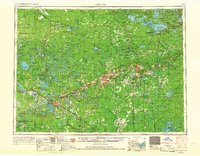 1954 Hibbing1966 Print · USGSNorthern Minnesota's Iron Range thrives during the mid-1960s, showing the industrial landscape between the Mesabi Range and the Mississippi River. Genealogists and historians can trace the rail lines of the Great Northern RR through mining hubs like Hibbing and Virginia.3 unique versions available
 - 1957 Map of Hibbing
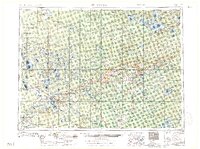 1957 Hibbing1957 Print · USGSNorthern Minnesota's Iron Range is shown at its industrial peak in the mid-fifties, dominated by the massive iron pits and rail corridors of the Mesabi Range. Researchers can trace the rail networks of the Duluth Missabe and Iron Range and locate mining hubs like Hibbing, Virginia, and Bovey.
 - 1958 Map of Hibbing
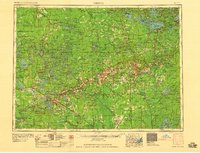 1958 Hibbing1958 Print · USGSThe Mesabi Iron Range reached its mid-century height during this era, defining the landscape between Grand Rapids and Virginia. Genealogists and historians can trace the mining-town networks of Hibbing and Chisholm or locate numerous iron mines and rail spurs.
 - 1964 Map of Hibbing
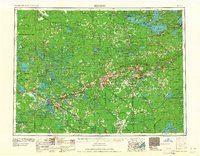 1964 Hibbing1964 Print · USGSNorthern Minnesota’s iron-rich corridor is captured here during a peak era of mid-century industrial activity. Researchers can trace the rail-to-mine connections through Mesabi Range towns like Hibbing and Virginia or locate lakefront settlements near Pokegama Lake.
 - 1977 Map of Hibbing, 1994 Print
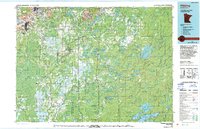 1977 Hibbing1994 Print · USGSThe Iron Range of northern Minnesota comes into sharp focus during the late seventies, detailing the massive mining works and rail networks of St. Louis County. Researchers can trace family roots in Hibbing, Chisholm, and Virginia, or locate old post offices like Leoneth and Iron.
 - 2010 Map of Zim, 2010 Print
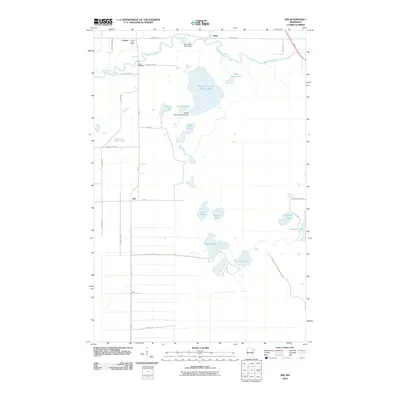 2010 Zim2010 Print · USGSNortheastern Minnesota's mining and timber country is documented here during the early 2000s, centered on the unincorporated communities of Zim and Forbes. Genealogists and local historians can trace the Forbes Cemetery and the industrial scale of the Eveleth Taconite Tailings Basin.
 - 2013 Map of Zim, 2013 Print
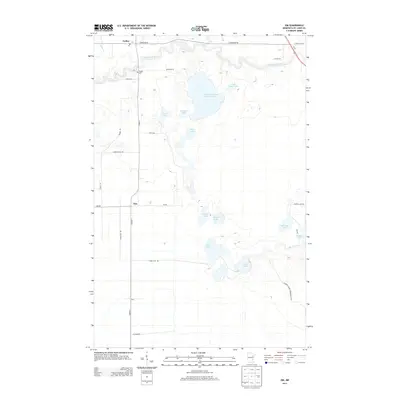 2013 Zim2013 Print · USGSThe Iron Range of northern Minnesota is captured here in the early 21st century, showing where industrial mining footprints neighbor rural townships. Genealogists and local historians can trace small settlements like Zim and Fens or locate the Forbes Cem near the Saint Louis River.
 - 2016 Map of Zim, 2016 Print
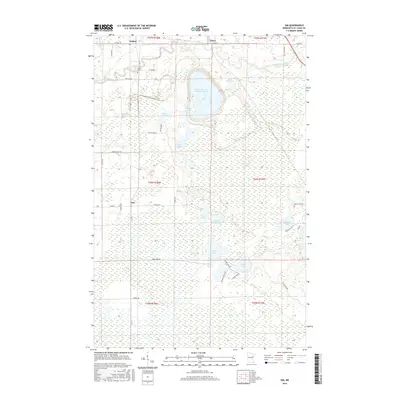 2016 Zim2016 Print · USGSSaint Louis County is captured here in the mid-2010s, showcasing a landscape defined by the iron industry and northern wetlands. Researchers can locate the Forbes Cem near Forbes or trace the massive footprint of the Eveleth Taconite Tailings Basin.
 - 2019 Map of Zim, 2019 Print
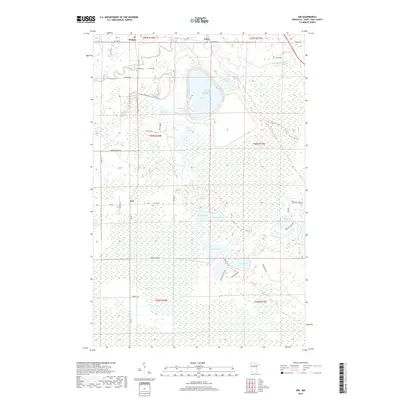 2019 Zim2019 Print · USGSSaint Louis County's iron range country and river lowlands are captured here in the late twenty-teens. Trace the industrial footprint of the Eveleth Taconite Tailings Basin or locate family sites near Zim, Peary, and the Forbes Cem.
 - 2022 Map of Zim, 2022 Print
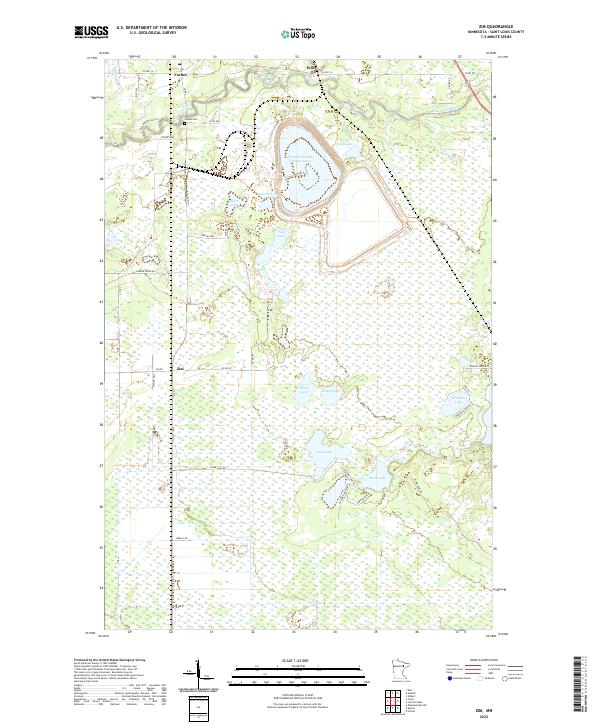 2022 Zim2022 Print · USGSSt. Louis County's Iron Range landscape is captured here in the early twenty-first century, showing the intersection of heavy industry and northern wilderness. Researchers can trace the legacy of mining at the Eveleth Taconite Tailings Basin or locate family sites near Forbes and Zim.
End of results
Showing maps 1-11 of 11
Top cities near Zim
- Hibbing historical maps
- Virginia historical maps
- Eveleth historical maps
- Mountain Iron historical maps
- Gilbert historical maps
- Midway historical maps
See more
Frequently asked questions
- What are the different types of historical maps available for Zim?
- What is the oldest map of Zim?
- Where can I purchase historical maps of Zim for my home or office?
- Where can I download high-res historical maps of Zim?
- Are there historical topographic maps available for Zim?
- Is there historical aerial imagery available for Zim?
- Where are historical maps of Zim sourced from?