Old Maps of Camp Lacupolis, Minnesota for Hiking & Exploration
Hike through history with 12 historic maps of Camp Lacupolis. Explore old trails, ghost towns, and forgotten backroads — perfect for outdoor adventurers and local explorers.
- Rediscover forgotten places: Map out old mining camps, roads, and footpaths that no longer exist on modern maps.
- Layer with modern tools: Combine with LiDAR or satellite views to plan hikes through historical terrain.
- Made for exploration: Popular among hikers, overlanders, and local history lovers.
Use these maps to find adventure and explore the hidden past of Camp Lacupolis.
Camp Lacupolis, MN maps
(12)- 1932 Map of Wabasha
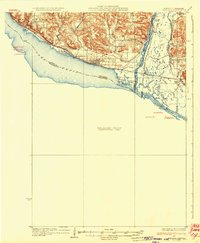 1932 Wabasha1932 Print · USGSThe Mississippi River valley near the Chippewa delta was a thriving hub of rail and river commerce in the early thirties. Genealogists can trace early homesteads and community hubs through landmarks like Hicks Valley Sch, Stockholm, and the river crossing at Nelson.2 unique versions available
 - 1951 Map of Wabasha
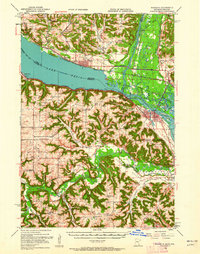 1951 Wabasha1951 Print · USGSThe Mississippi River valley and Lake Pepin define this mid-century landscape at the border of Minnesota and Wisconsin. Researchers can trace rural school districts like Scott Settlement Sch and old river settlements from Stockholm to Wabasha.3 unique versions available
 - 1953 Map of Saint Paul, 1964 Print
 1953 Saint Paul1964 Print · USGSThe Twin Cities and the Mississippi River valley are captured here at a mid-century turning point. Trace the early growth of Minneapolis and Saint Paul alongside landmarks like Lake Minnetonka and the St Croix River.4 unique versions available
 - 1959 Map of Saint Paul
 1959 Saint Paul1959 Print · USGSThe Twin Cities and southeastern Minnesota appear here in the late fifties, showing the peak of the rail era and post-war suburban growth. Genealogists can trace family footprints near Lake Minnetonka, the Univ Of Minn Rosemount Research Center, or the growing neighborhoods of Richfield.2 unique versions available
 - 1974 Map of Wabasha North, 1976 Print
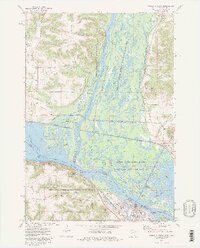 1974 Wabasha North1976 Print · USGSThe confluence of the Mississippi and Chippewa Rivers comes alive in the mid-seventies, showing the riverfront towns of Wabasha and Reads Landing. Genealogists can locate family landmarks like St Felix Cem and Riverview Cem alongside the heavy rail corridors of the Burlington Northern.2 unique versions available
 - 1985 Map of Rochester
 1985 Rochester1985 Print · USGSSoutheastern Minnesota in the mid-eighties centers on the growth of Rochester and its surrounding river valleys. Trace family roots and old rail lines through Mantorville, Pine Island, and along the Mississippi River near Lake Pepin.
 - 1989 Map of Rochester
 1989 Rochester1989 Print · USGSSoutheastern Minnesota and the Mississippi River bluffs are captured here in the late eighties as the region balanced urban growth with its river-and-rail heritage. Researchers can trace the development of Rochester and find smaller rail towns like Kasson, Dodge Center, and Zumbrota.2 unique versions available
 - 2010 Map of Wabasha North, 2010 Print
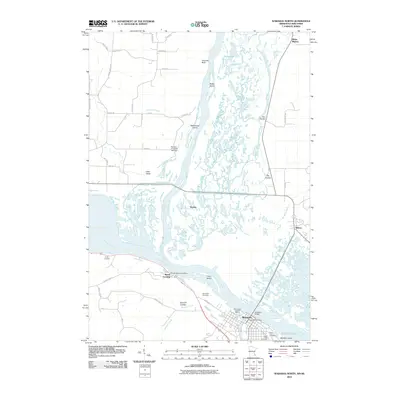 2010 Wabasha North2010 Print · USGSThe confluence of the Mississippi and Chippewa Rivers comes alive in this 2010 study of the border region between Minnesota and Wisconsin. Researchers can trace the riverfront history of Wabasha and Reads Landing, or locate landmarks like Saint Felix Cemetery and the Richard H Jahnke 904 Dam.
 - 2013 Map of Wabasha North, 2013 Print
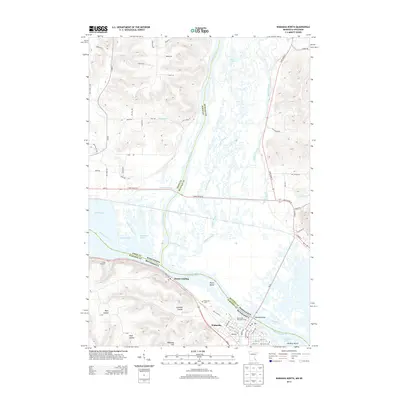 2013 Wabasha North2013 Print · USGSThe riverfront communities of Wabasha and Reads Landing are shown along the Upper Mississippi just after the turn of the millennium. Researchers can trace local landmarks like Riverview Cem, the Mississippi Parkside Marina, and the complex wetlands of Buffalo Slough.
 - 2016 Map of Wabasha North, 2016 Print
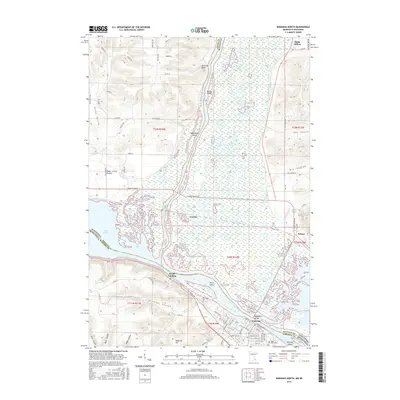 2016 Wabasha North2016 Print · USGSThe upper Mississippi riverfront and the mouth of the Chippewa River are captured here in the mid-2010s. Local researchers can trace family sites in Wabasha and Reads Landing, or locate old landmarks like Saint Felix Cem and Trevino.
 - 2019 Map of Wabasha North, 2019 Print
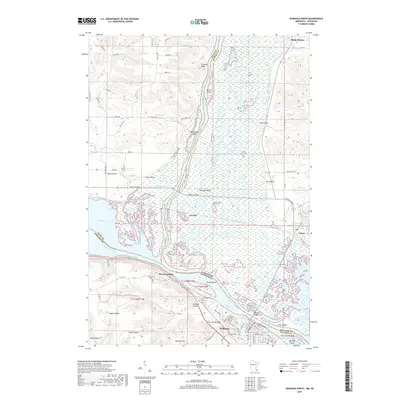 2019 Wabasha North2019 Print · USGSWabasha and the Mississippi River bottoms appear in detail in this late 2010s survey of the Minnesota-Wisconsin border. Genealogists and historians can trace the riverfronts of Reads Landing and Nelson or locate family plots at Riverview Cem and Saint Felix Cem.
 - 2022 Map of Wabasha North, 2022 Print
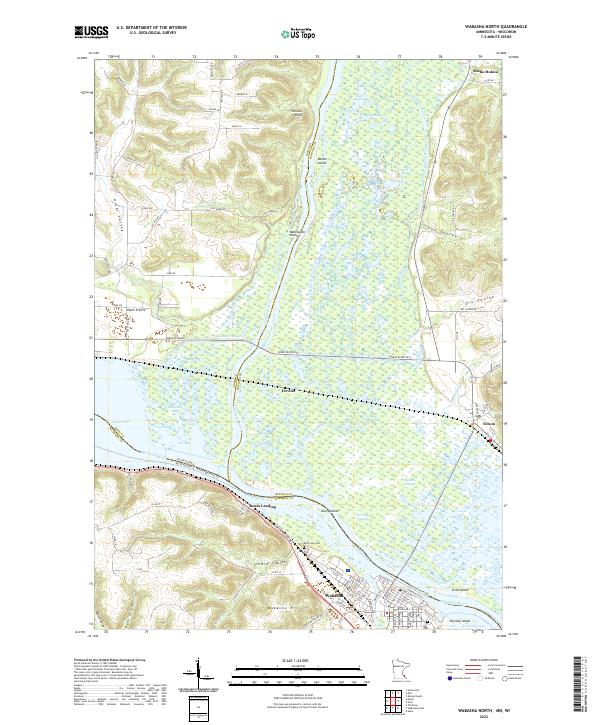 2022 Wabasha North2022 Print · USGSThe Mississippi and Chippewa rivers meet in a complex of islands and sloughs during the early twenty-first century. Researchers can trace the riverfront layout of Wabasha, explore the bluffs at Fivemile Bluff, and locate historic sites like Reads Landing and Riverview Cem.
End of results
Showing maps 1-12 of 12
Top cities near Camp Lacupolis
- Lake City historical maps
- Wabasha historical maps
- Durand historical maps
- Buffalo City historical maps
- Pepin historical maps
- Alma historical maps
See more
Frequently asked questions
- What are the different types of historical maps available for Camp Lacupolis?
- What is the oldest map of Camp Lacupolis?
- Where can I purchase historical maps of Camp Lacupolis for my home or office?
- Where can I download high-res historical maps of Camp Lacupolis?
- Are there historical topographic maps available for Camp Lacupolis?
- Is there historical aerial imagery available for Camp Lacupolis?
- Where are historical maps of Camp Lacupolis sourced from?