Old Maps of Webster County, Mississippi for Genealogy
Trace your family roots with 90 historic maps of Webster County. These high-res maps reveal old neighborhoods, homesites, landmarks, and streets — helping you uncover where your ancestors lived and how the area evolved over time.
- Explore historic neighborhoods: Identify where your relatives may have lived in the 1800s or 1900s.
- Compare maps over time: Trace the changes in streets, buildings, and landmarks for multi-generational research.
- Perfect for genealogy & ancestry research: Used by family historians and researchers to map out lineage and migration.
These maps are an incredible resource for exploring your personal connection to Webster County's past.
Webster County, MS maps
(90)- 1953 Map of Walthall
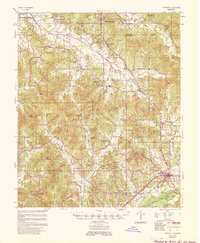 1953 Walthall1953 Print · USGSMid-century Webster County is documented here during a period of rural stability, centered on the county seat and the rail junction at Eupora. Researchers can trace old family sites and rural landmarks like Doolittle Chapel Sch, Greenboro Ch & Cem, and the historic Natchez Trace.
 - 1953 Map of West Point, 1973 Print
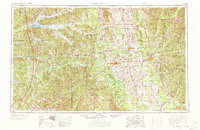 1953 West Point1973 Print · USGSNorth-Central Mississippi and the Alabama borderlands are captured here during the mid-twentieth century as new reservoirs and national forests transformed the landscape. Researchers can trace the path of the Mississippi & Skuna Valley railroad or locate old landings along the Tombigbee River and Schooner Creek.3 unique versions available
 - 1954 Map of Duck Hill
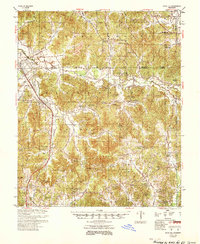 1954 Duck Hill1954 Print · USGSThe hills of north-central Mississippi come alive in the 1950s, showing a landscape defined by the Illinois Central and small rural parishes. Researchers can trace the layout of Camp McCain (Abandoned) or find family roots at Hays Creek Ch Sch & Cem and Sweatman.2 unique versions available
 - 1958 Map of West Point
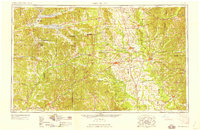 1958 West Point1958 Print · USGSNortheastern Mississippi and western Alabama are shown in the late 1950s, highlighting a region defined by its river-and-rail economy. Researchers can trace family roots through numerous settlements like Artesia and Vardaman or explore the corridor of the Tombigbee River.
 - 1963 Map of West Point
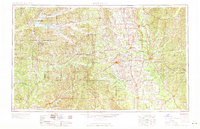 1963 West Point1963 Print · USGSEastern Mississippi and western Alabama are captured in the early sixties as industrial centers and rail lines connected the Black Prairie to the hills. Genealogists and historians can trace family-named watercourses and the early footprints of Starkville, Columbus, and the Noxubee National Wildlife Refuge.2 unique versions available
 - 1966 Map of Kilmichael, 1967 Print
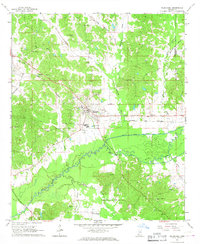 1966 Kilmichael1967 Print · USGSThe town of Kilmichael and the surrounding Montgomery County countryside are captured here in the mid-sixties, anchored by the Columbus and Greenville railroad. Genealogists and local historians can trace rural family legacies through Nations Poplar Creek Ch, Stinson Cem, and the Vocational High Sch.2 unique versions available
 - 1966 Map of Stewart, 1967 Print
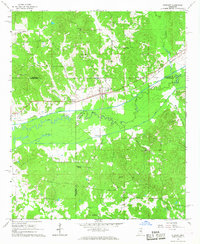 1966 Stewart1967 Print · USGSIn the mid-1960s, the rural borderlands of Webster and Montgomery counties were defined by the Big Black River and the Columbus and Greenville rail line. Researchers can trace family roots through numerous sites like Reeds Chapel, Jopkins Cem, and the settlement at Stewart.2 unique versions available
 - 1966 Map of Tomnolen, 1967 Print
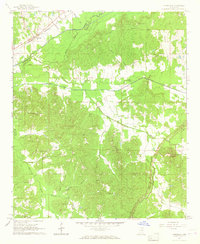 1966 Tomnolen1967 Print · USGSChoctaw and Webster counties are captured here in the mid-sixties, centered on the Big Black River bottomlands and the historic Natchez Trace Parkway. Genealogists and local historians can locate many rural landmarks including Tomnolen, Bluff Spring Ch, and Bankston Cem.2 unique versions available
 - 1968 Map of Weir
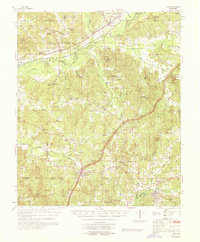 1968 Weir1968 Print · USGSChoctaw and Montgomery counties come alive in this late-sixties study of the Mississippi hill country. Genealogists and local historians can trace family locations near French Camp, Weir, and numerous rural landmarks like Serepta Cem and Millsprings Sch.
 - 1968 Map of Winona
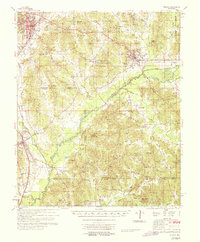 1968 Winona1968 Print · USGSMontgomery County in the late sixties shows a landscape of tight-knit rural communities connected by the Illinois Central railroad and the Big Black River. Genealogists and local historians can trace family roots at Wilmont Cem, Bethlehem Ch, and the old settlement of Poplar Creek.
 - 1972 Map of Maben, 1974 Print
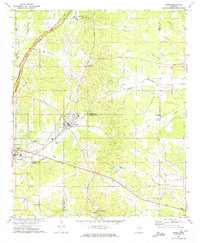 1972 Maben1974 Print · USGSMaben and Mathiston appear as active rail-and-road junctions in the early seventies, positioned at the convergence of four North Mississippi counties. Local historians can trace old community centers like Cumberland, dozens of country churches including Double Springs Ch, and the route of the Natchez Trace Parkway.
 - 1972 Map of Sapa, 1974 Print
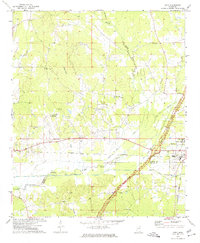 1972 Sapa1974 Print · USGSNorth-central Mississippi communities at the start of the 1970s reveal a landscape of rural school life and river-bottom agriculture. Researchers can trace local landmarks like Wood Junior College and the Drive-in Theater or locate ancestral sites such as Lollars Grove Ch.
 - 1972 Map of Hohenlinden, 1974 Print
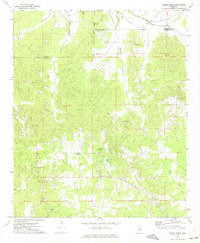 1972 Hohenlinden1974 Print · USGSWebster County's rural communities and creek valleys are captured here in the early seventies, just as the landscape remained defined by small settlements and winding forest roads. Genealogists can trace family sites at Old Shady Grove Cem or locate historic pulpits like Popular Springs Ch and Hebron Ch.
 - 1972 Map of Mantee, 1974 Print
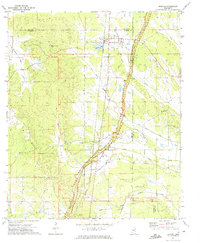 1972 Mantee1974 Print · USGSWebster County in the early 1970s reveals a rural landscape defined by the Natchez Trace Parkway and historic rail corridors. Researchers can locate community centers like Mantee and Dancy, or trace family sites at Wake Forest Ch and Mount Pleasant Cem.
 - 1976 Map of Walthall SE, 1977 Print
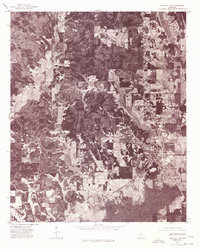 1976 Walthall SE1977 Print · USGSWebster County agriculture and town life are captured in the mid-1970s as the landscape shifts from forest to farm. Local historians can trace the development of Eupora and Walthall, or follow the course of the Big Black River.
 - 1976 Map of Walthall NE, 1977 Print
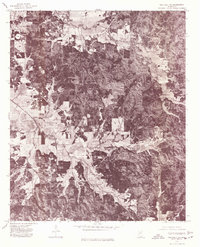 1976 Walthall NE1977 Print · USGSWebster County’s rural landscape is revealed through mid-seventies aerial imagery, documenting the timberlands and homesteads of northern Mississippi. Researchers can locate exact building footprints and property clearings near Bellefontaine, Slate Spring, and Embry.
 - 1983 Map of Cadaretta, 1984 Print
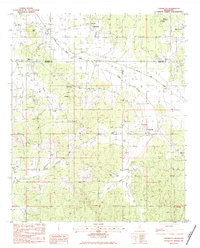 1983 Cadaretta1984 Print · USGSNorth Mississippi's rural communities at the Calhoun and Webster County line are captured here in the early eighties. Genealogists can trace family footprints at Old Salem Cem and Pittman Cem or locate the rural pulpits of Philadelphia Ch and Embry Ch.
 - 1983 Map of Bellefontaine, 1984 Print
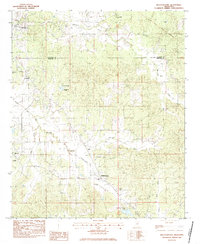 1983 Bellefontaine1984 Print · USGSThe Webster and Calhoun County borderlands are captured here in the early eighties, still defined by the historic Old Indian Treaty Boundary. Genealogists can trace family names at Vance Cem, Spencer Cem, and the community surrounding Slate Spring.
 - 1983 Map of Eupora, 1984 Print
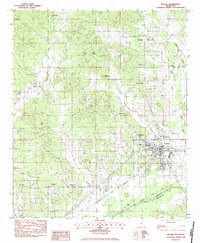 1983 Eupora1984 Print · USGSEupora and Walthall are shown in detail during the early 1980s, reflecting a rural Mississippi landscape of churches, cemeteries, and light industry. Researchers can trace family roots at Old Greensboro Cem and Jordons Cem, or locate landmarks like the Eupora Airport and the Columbus and Greenville rail line.2 unique versions available
 - 1983 Map of Sweatman, 1984 Print
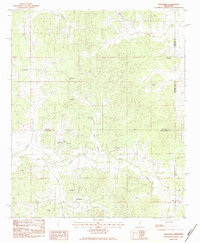 1983 Sweatman1984 Print · USGSNorth-central Mississippi rural life in the early eighties is preserved here at the crossroads of four counties. Genealogists can trace family names and early congregations at Wells Cem, Blackjack Ch, and the settlement of Sweatman.
 - 1983 Map of Lodi, 1984 Print
 1983 Lodi1984 Print · USGSThe rural borderlands of Montgomery and Webster counties are captured here in the early eighties. Researchers can trace family history through numerous remote sites like Old Northern Grocery, Purnell Cem, and the settlement of Minerva.
 - 1983 Map of Little Sand Creek, 1984 Print
 1983 Little Sand Creek1984 Print · USGSWebster County in the early eighties is mapped here as a quiet rural landscape centered on traditional family landmarks. Genealogists can trace family connections through sites like Old Greensboro Cem, Pine Forest Ch, and Edward Springs Ch.
 - 1984 Map of Kosciusko
 1984 Kosciusko1984 Print · USGSCentral Mississippi in the mid-eighties shows a landscape of timberlands and rural crossroads anchored by Kosciusko. Genealogists can trace family roots through numerous country parishes like Bethany Ch and Zion Ch or the path of the Illinois Central Gulf railroad.3 unique versions available
 - 1984 Map of West Point
 1984 West Point1984 Print · USGSNorth-Central Mississippi in the mid-eighties shows a landscape defined by massive water management projects and dense timberlands. Researchers can trace the legacy of rural settlements like Geeslin Corner or the rail corridors of the Illinois Central Gulf RR near Grenada Lake.3 unique versions available
 - 1984 Map of Grenada, 1990 Print
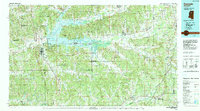 1984 Grenada1990 Print · USGSNorth Central Mississippi’s river valleys and conservation lands are captured here in the mid-1980s. Researchers can trace the sprawling Camp Mc Cain, the Illinois Central Gulf rail line, and the historic Treaty Boundary.
Showing maps 1-25 of 90
Top cities of Webster County
Frequently asked questions
- What are the different types of historical maps available for Webster County?
- What is the oldest map of Webster County?
- Where can I purchase historical maps of Webster County for my home or office?
- Where can I download high-res historical maps of Webster County?
- Are there historical topographic maps available for Webster County?
- Is there historical aerial imagery available for Webster County?
- Where are historical maps of Webster County sourced from?