Old Maps of Barton County, Missouri for Academic Research
Study the evolution of Barton County with 131 high-resolution historic maps. Whether you're teaching, researching, or modeling changes in land use, these maps provide essential visual documentation of urban, environmental, and geographic change.
- Analyze long-term change: Track patterns in development, transportation, and natural features.
- Ideal for environmental or urban studies: Support academic projects with primary historical map data.
- Use in the classroom or lab: Educators and researchers rely on these maps to bring historical context to life.
These maps are a powerful tool for teaching, research, and visualizing how Barton County has changed over the decades.
Barton County, MO maps
(131)- 1884 Map of Fort Scott, 1954 Print
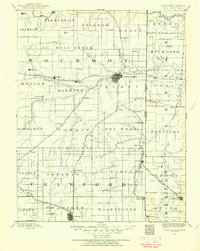 1884 Fort Scott1954 Print · USGSSoutheast Kansas is documented here in the late nineteenth century as a booming railroad hub centered on Fort Scott. Researchers can trace the early townships and rail sidings at Hiattville, Uniontown, and along the banks of the Marmaton River.
 - 1886 Map of Nevada
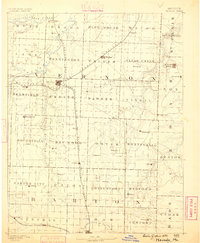 1886 Nevada1886 Print · USGSRailroads and river valleys define southwestern Missouri in the late nineteenth century, as the landscape transitions into a series of organized townships and trade centers. Genealogists and local historians can trace early settlements like Moundville, Montevallo, and El Dorado Springs along the Missouri Pacific Railroad.
 - 1886 Map of Joplin
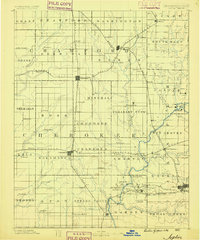 1886 Joplin1886 Print · USGSThe Missouri-Kansas borderlands were rapidly developing in the late nineteenth century as rail lines and river valleys shaped new settlements. Researchers can trace the early footprints of towns like Columbus and Pittsburg or locate vanished points like Georgia City and Litchfield.
 - 1886 Map of Fort Scott
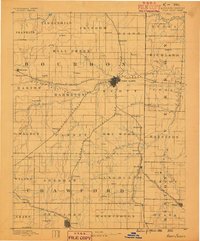 1886 Fort Scott1886 Print · USGSSoutheast Kansas comes alive in the mid-1880s as Fort Scott emerges as a powerful railroad junction connecting the prairie to the world. Genealogists and historians can trace old property boundaries and rail stops like Uniontown, Hiattville, and the remote Timber Hill.
 - 1886 Map of Carthage
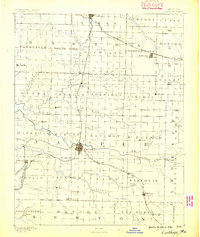 1886 Carthage1886 Print · USGSJasper and Barton Counties thrive during the mid-1880s as the railroad era transforms the Missouri landscape into a bustling corridor of trade and industry. Genealogists and historians can trace the early footprints of Carthage, the mills at Bowers Mill, and the early rail connections through Webb City and Oronogo.
 - 1893 Map of Fort Scott
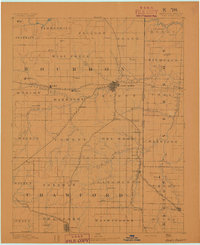 1893 Fort Scott1893 Print · USGSSoutheast Kansas at the end of the nineteenth century was a bustling nexus of competing rail lines and river valley settlements. Genealogists and historians can trace the early footprints of Fort Scott and rural communities like Zenia (Hay) or Cato along the Marmaton River.7 unique versions available
 - 1894 Map of Nevada
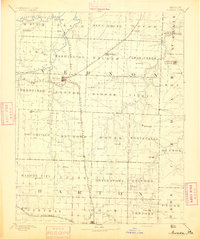 1894 Nevada1894 Print · USGSWestern Missouri at the end of the nineteenth century is defined here by its emerging rail towns and expansive prairie townships. Genealogists and local historians can trace the early development of Nevada and Lamar alongside smaller settlements like Montevallo and El Dorado Springs.5 unique versions available
 - 1894 Map of Joplin
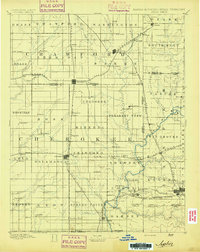 1894 Joplin1894 Print · USGSSoutheastern Kansas and southwestern Missouri met at a crossroads of industry and rail during the late nineteenth century. Genealogists can trace the early streets of Pittsburg and Joplin or find vanished rail stops like Stippville and Stilson.6 unique versions available
 - 1894 Map of Carthage
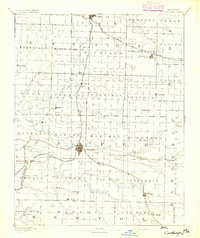 1894 Carthage1894 Print · USGSSouthwest Missouri thrived as a rail and mining hub in the late nineteenth century. Genealogists can trace family roots through old settlements like Diamond City, Dudenville, and Bowers Mill during this period of growth.5 unique versions available
 - 1945 Map of Pittsburg
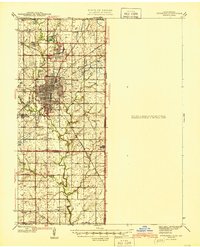 1945 Pittsburg1945 Print · USGSSoutheast Kansas at the end of the war reveals a landscape dominated by the coal industry and rural community life. Researchers can trace the extensive rail networks of the St Louis San Francisco or locate old schoolhouses like Owsley Sch and Bird Sch.2 unique versions available
 - 1947 Map of Joplin, 1954 Print
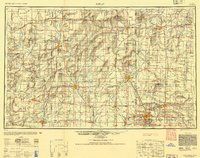 1947 Joplin1954 Print · USGSThe borderlands of Missouri, Kansas, and Oklahoma are shown here during the late 1940s, a period of heavy industrial and military activity. Researchers can trace the extensive Tri-State Mining District, the layout of Camp Crowder, and local landmarks like Mount Hope Cem.
 - 1947 Map of Pittsburg, 1978 Print
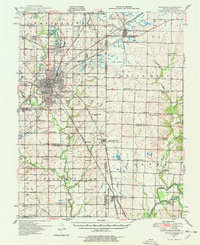 1947 Pittsburg1978 Print · USGSSoutheast Kansas and the Missouri borderlands were defined by the coal industry in the late 1940s. Genealogists can trace family footprints through numerous township schools like Nelson Sch and the many Strip Mines surrounding Frontenac and Mindenmines.
 - 1948 Map of Mulberry, 1954 Print
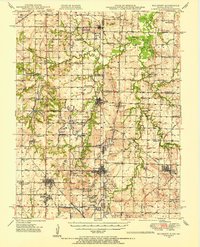 1948 Mulberry1954 Print · USGSThe Kansas-Missouri border was a hive of industrial activity just after the war, marked by extensive coal excavations. Genealogists can trace family roots through dozens of rural schools and small settlements like Arma, Croweburg, and Coalvale.2 unique versions available
 - 1948 Map of Liberal, 1954 Print
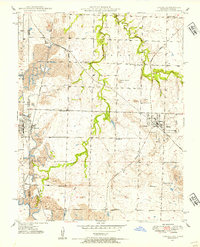 1948 Liberal1954 Print · USGSThe Missouri-Kansas borderlands were defined by intensive coal mining and a busy rail network in the late 1940s. Genealogists can trace family roots through several rural landmarks, including Coal Valley School, Banner School, and the Liberal Cemetery.
 - 1948 Map of Garland, 1977 Print
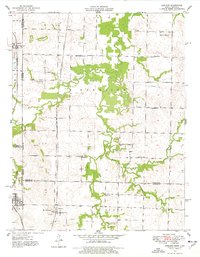 1948 Garland1977 Print · USGSThe Kansas-Missouri borderlands come alive in this mid-century survey, showing the busy rail corridors and coal fields of Bourbon and Vernon counties. Genealogists can trace family roots through numerous rural landmarks like McKill Chapel, Heaviside Cem, and Oskaloosa.
 - 1949 Map of Garland
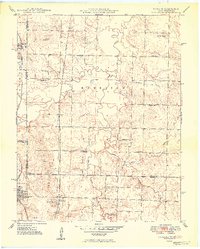 1949 Garland1949 Print · USGSThe Kansas-Missouri border comes alive in the late 1940s, showing a landscape defined by coal extraction and rail transport. Researchers can trace the Kansas City Southern line past Garland or locate rural landmarks like McKill Chapel and Totten Sch.2 unique versions available
 - 1949 Map of Joplin
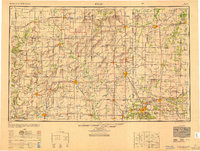 1949 Joplin1949 Print · USGSThe Kansas-Missouri borderlands thrive in the late 1940s, showing a robust network of railroad towns and river valleys. Researchers can trace historic rail lines like the Missouri Pacific RR and locate rural centers such as Chanute, Iola, and Fort Scott.
 - 1950 Map of Pittsburg
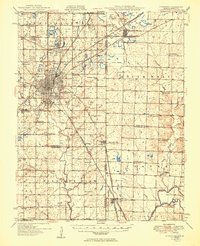 1950 Pittsburg1950 Print · USGSThe coal country along the Kansas-Missouri border was defined by heavy industry and rail just after the war. Genealogists and historians can trace numerous rural schools and family burial sites, including Mindenmines Cem, Council Corner Sch, and the town of Litchfield.2 unique versions available
 - 1950 Map of Liberal
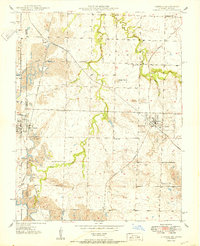 1950 Liberal1950 Print · USGSBarton County and the Kansas borderlands appear here during the peak of mid-century coal production, when rail and mining shaped every township. Researchers can trace rural life via Lone Star Sch, Liberal Cem, and the path of the Kansas City Southern railroad.2 unique versions available
 - 1950 Map of Mulberry
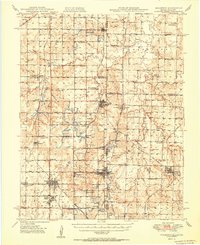 1950 Mulberry1950 Print · USGSThe Kansas-Missouri borderlands at mid-century are defined here by a dense network of coal-mining towns and rail lines. Genealogists can trace family roots through numerous local landmarks like McKill Chapel, the settlement of Red Onion, and the layout of Camp 50.2 unique versions available
 - 1954 Map of Joplin, 1967 Print
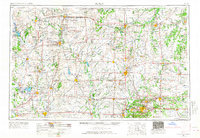 1954 Joplin1967 Print · USGSThe tri-state border region of Kansas, Missouri, and Oklahoma is captured here during a peak era of mid-century industrial and agricultural activity. Researchers can trace family history through dozens of rural cemeteries or locate landmarks like the Kansas Army Ammunition Plant and Pittsburg State University.3 unique versions available
 - 1958 Map of Joplin
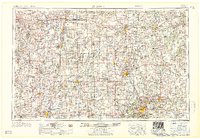 1958 Joplin1958 Print · USGSThe tri-state border region of Missouri, Kansas, and Oklahoma is shown during the late fifties, a time of heavy rail traffic and mining activity. Local historians can trace the industrial landscape through the Joplin & Pittsburg Ry or locate family sites like Zion Ch and Bender Mounds.
 - 1959 Map of Joplin
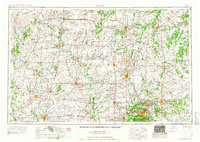 1959 Joplin1959 Print · USGSThe Tri-State region’s mining and rail-driven economy is on full display in the late fifties. Genealogists can locate Lead and Zinc Mines near Joplin, family markers at Oak Hill Cem, and military history at Camp Clark.
 - 1962 Map of Jerico Springs, 1963 Print
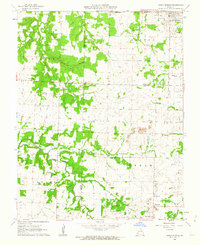 1962 Jerico Springs1963 Print · USGSThe rural borderlands of Cedar, Barton, and Dade Counties are captured here in the early sixties. Genealogists and local historians can locate family landmarks such as Round Prairie Sch, Greenfield Cem, and the church at Stony Point Ch.2 unique versions available
 - 1962 Map of Kenoma, 1963 Print
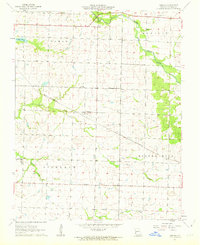 1962 Kenoma1963 Print · USGSBarton County farming life is captured here in the early sixties, showing a landscape defined by traditional township boundaries and the ST Louis - San Francisco railroad. Genealogists can locate family landmarks like Mt Carmel Ch, Fair View Cem, and numerous rural schoolhouses including Glendale Sch.2 unique versions available
Showing maps 1-25 of 131
Top cities of Barton County
- Lamar historical maps
- Golden City historical maps
- Liberal historical maps
- Mindenmines historical maps
- Nashville historical maps
- Newport historical maps
See more
Frequently asked questions
- What are the different types of historical maps available for Barton County?
- What is the oldest map of Barton County?
- Where can I purchase historical maps of Barton County for my home or office?
- Where can I download high-res historical maps of Barton County?
- Are there historical topographic maps available for Barton County?
- Is there historical aerial imagery available for Barton County?
- Where are historical maps of Barton County sourced from?