Old Maps of Oak Ridge, Missouri for Academic Research
Study the evolution of Oak Ridge with 27 high-resolution historic maps. Whether you're teaching, researching, or modeling changes in land use, these maps provide essential visual documentation of urban, environmental, and geographic change.
- Analyze long-term change: Track patterns in development, transportation, and natural features.
- Ideal for environmental or urban studies: Support academic projects with primary historical map data.
- Use in the classroom or lab: Educators and researchers rely on these maps to bring historical context to life.
These maps are a powerful tool for teaching, research, and visualizing how Oak Ridge has changed over the decades.
Oak Ridge, MO maps
(27)- 1918 Map of Altenburg
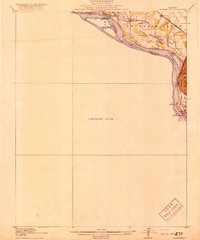 1918 Altenburg1918 Print · USGSThe riverfronts of Perry and Jackson counties were still shaped by steam and rail when this survey was completed during the First World War. Local historians can trace family ties to small communities like Neunert and Jacob or locate old schoolhouse sites such as Hanlein School.
 - 1922 Map of Cape Girardeau, 1954 Print
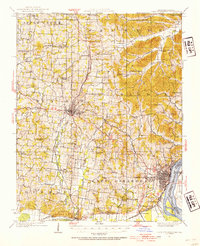 1922 Cape Girardeau1954 Print · USGSThe Missouri-Illinois riverfront was a bustling corridor of rail and river commerce in the early 1920s. Genealogists can trace family names through dozens of rural landmarks like Rock Hill Church, Needmore School, and the river landing at Neelys Landing.3 unique versions available
 - 1924 Map of Cape Girardeau
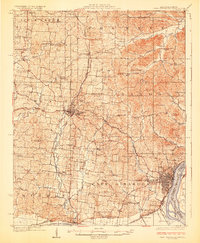 1924 Cape Girardeau1924 Print · USGSCape Girardeau County in the early twenties shows a bustling riverfront and a landscape dotted with over twenty rural schoolhouses. Genealogists can trace family roots near Needmore School, Pocahontas Sta, and the historic Pleasant Hill Church.2 unique versions available
 - 1925 Map of Altenburg
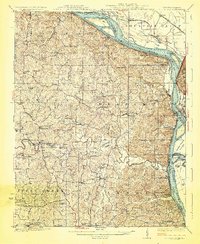 1925 Altenburg1925 Print · USGSEastern Perry County and the Mississippi riverfront are documented here during the mid-twenties, showcasing a landscape of Saxon Lutheran heritage and river commerce. Genealogists can locate family landmarks like New Bethel Church, Hager School, and the vanished river site of Wittenberg.3 unique versions available
 - 1947 Map of Oak Ridge, 1964 Print
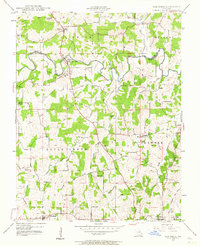 1947 Oak Ridge1964 Print · USGSPerry and Cape Girardeau counties are captured here in the late 1940s, a period when rural school districts and small post offices still anchored Missouri life. Researchers can trace family roots through numerous sites like Old Appleton (PO), Zion Ch, and Liberty Sch No 1.2 unique versions available
 - 1947 Map of Altenburg, 1976 Print
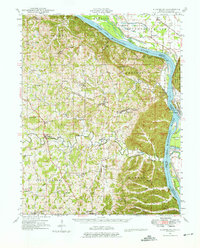 1947 Altenburg1976 Print · USGSSoutheastern Missouri's river bluffs and Lutheran heritage are documented here in the mid-forties, showing the close-knit network of river landings and small-town commerce. Genealogists can trace family footprints across Altenburg, Frohna, and dozens of rural schools like Fiehler Sch or Buckeye Sch.
 - 1948 Map of Oak Ridge
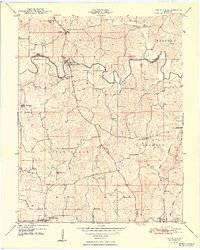 1948 Oak Ridge1948 Print · USGSThe borderlands of Perry and Cape Girardeau counties are captured here in the late 1940s, showing a high concentration of rural schools and church settlements. Genealogists can trace family roots through localized landmarks like Uniontown School, Goshen Ch, and Old Appleton.2 unique versions available
 - 1949 Map of Paducah
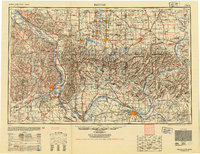 1949 Paducah1949 Print · USGSThe confluence of the Ohio, Mississippi, Tennessee, and Cumberland rivers at the close of the 1940s reveals a region bound by water and rail. Researchers can trace historic river landings, timberlands in the Shawnee National Forest, and the coal-mining infrastructure around West Frankfort and Herrin.2 unique versions available
 - 1949 Map of Altenburg
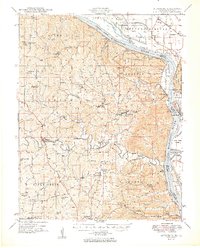 1949 Altenburg1949 Print · USGSMid-century Perry and Cape Girardeau counties show a landscape of tight-knit rural communities along the Mississippi River just after the war. Family historians can trace ancestral roots through numerous local landmarks like Uniontown Sch, New Wells School, and the river landings at Wittenberg and Hines Landing.3 unique versions available
 - 1950 Map of Paducah
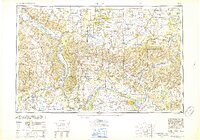 1950 Paducah1950 Print · USGSThe confluence of the great midwestern rivers defines this mid-century landscape at the intersection of Illinois, Kentucky, and Missouri. Genealogists and historians can trace the rail-and-river economy through the hubs of Paducah, Cairo, and Metropolis or locate family roots near the Wildcat Hills.
 - 1954 Map of Paducah
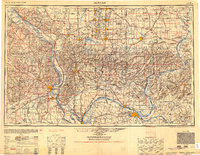 1954 Paducah1954 Print · USGSSouthern Illinois and Western Kentucky intersect at the great river confluences during this mid-century era of rail and river industry. Genealogists and historians can trace family roots and commerce through river towns like Cairo, Metropolis, and Golconda, or along the tracks of the Illinois Central Railroad.2 unique versions available
 - 1961 Map of Paducah
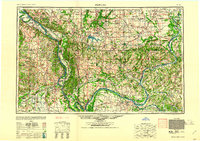 1961 Paducah1961 Print · USGSThe Lower Ohio Valley at mid-century is a landscape defined by its great rivers and newly formed reservoirs. Researchers can trace the riverfronts of Paducah and Metropolis, or locate smaller settlements like Old Shawneetown and Cave in Rock along the banks.2 unique versions available
 - 1964 Map of Paducah
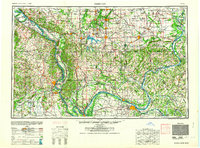 1964 Paducah1964 Print · USGSThe river-and-rail corridor of Southern Illinois and Western Kentucky is captured here during the height of the mid-century industrial era. Genealogists and researchers can trace local landmarks across several counties, from the rail yards of Paducah to the waters of Crab Orchard Lake and Kentucky Reservoir.2 unique versions available
 - 1966 Map of Jackson, 1968 Print
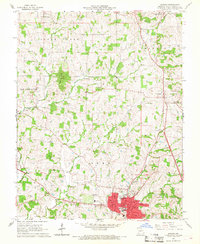 1966 Jackson1968 Print · USGSJackson and its northern neighbors were transitioning into the interstate era during the mid-sixties, balancing traditional rail-side life with new highway access. Researchers can trace numerous family burial sites like Ramsey Cem and Wheeler Cem, or locate landmarks such as the Drive-in Theater and Pleasant Hill Ch.2 unique versions available
 - 1984 Map of Cape Girardeau, 1985 Print
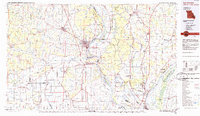 1984 Cape Girardeau1985 Print · USGSThe tri-state junction of Missouri, Illinois, and Kentucky in the mid-1980s was a bustling corridor defined by its massive river systems and complex rail lines. Researchers can trace the paths of the Missouri Pacific RR, explore the Shawnee National Forest, or locate small settlements like Marble Hill and Advance.
 - 1984 Map of Carbondale, 1985 Print
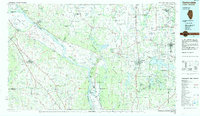 1984 Carbondale1985 Print · USGSSouthern Illinois in the mid-1980s was a crossroads of major rail lines and vast conservation lands centered on Carbondale. Local researchers can trace the development of Southern Illinois University, the Menard Correctional Center, and the many shorelines of Crab Orchard Lake.
 - 1986 Map of Carbondale
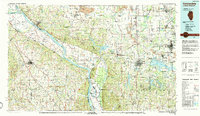 1986 Carbondale1986 Print · USGSSouthern Illinois and the Mississippi River valley are captured in the mid-eighties as a landscape of diverse water systems and conservation lands. Researchers can trace the development of Southern Illinois University or locate landmarks like Fort Gage and St Marys Seminary.
 - 1986 Map of Cape Girardeau
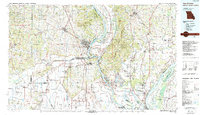 1986 Cape Girardeau1986 Print · USGSThe Missouri-Illinois-Kentucky borderlands come into focus in the mid-1980s as the river-and-rail economy shapes the landscape near the Great Rivers confluence. Researchers can trace historic rail lines and old settlements like Gordonville, New Hamburg, and the Trail of Tears State Park.
 - 1987 Map of Paducah, 1988 Print
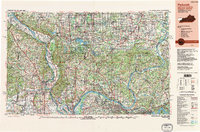 1987 Paducah1988 Print · USGSThe Lower Ohio Valley and the Illinois Ozarks come alive in this late twentieth-century regional survey. Genealogists and local historians can trace river-town roots and state park landmarks from Metropolis to Cape Girardeau and Trail of Tears State Park.
 - 2012 Map of Oak Ridge, 2012 Print
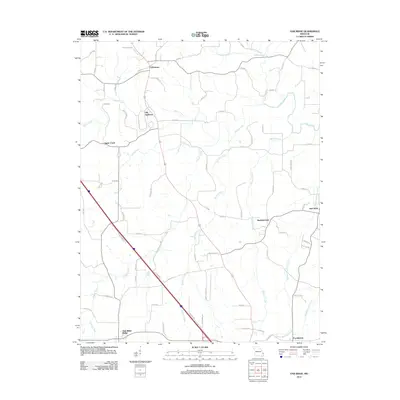 2012 Oak Ridge2012 Print · USGSSoutheastern Missouri's rural landscape is captured here in the early twenty-first century, showing the established communities of Old Appleton and Uniontown. Genealogists and local historians can trace family ties along Apple Creek and locate historic road junctions near Shawneetown and New Wells.
 - 2012 Map of Jackson, 2012 Print
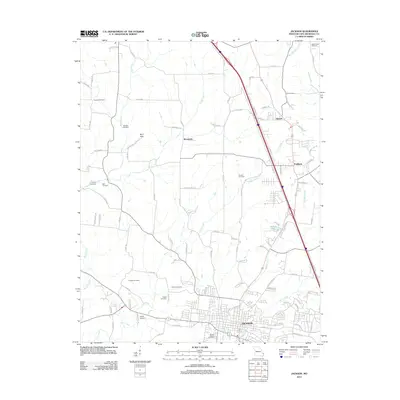 2012 Jackson2012 Print · USGSCape Girardeau County at the start of the 2010s shows a landscape of growing towns and deep-rooted rural history. Genealogists can trace family lines across numerous local sites, including Clippard Cemetery, Ramsey Cemetery, and the historic area around Fruitland.
 - 2015 Map of Oak Ridge, 2015 Print
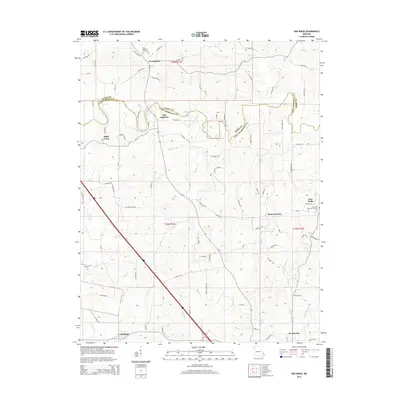 2015 Oak Ridge2015 Print · USGSThe borderlands of Perry and Cape Girardeau counties come into focus in the mid-2010s, showcasing a landscape of small farming hamlets and Lutheran heritage. Genealogists can locate family sites near Grace Lutheran Cemetery or trace the early paths of Old Appleton and Shawneetown.
 - 2015 Map of Jackson, 2015 Print
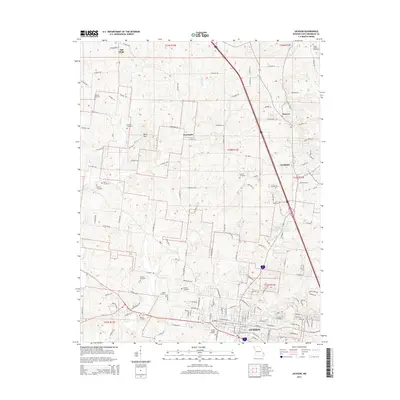 2015 Jackson2015 Print · USGSCape Girardeau County is mapped in the mid-2010s, revealing a landscape where the expanding city of Jackson meets its rural Missouri surroundings. Genealogists can trace numerous historic burial sites like Apple Creek Cemetery, Byrd Cemetery, and Clippard Cemetery.
 - 2017 Map of Jackson, 2017 Print
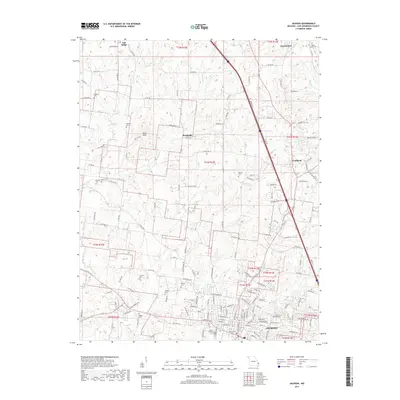 2017 Jackson2017 Print · USGSJackson and the rural townships of Cape Girardeau County appear in detail during the late twenty-tens. Genealogists can locate over ten distinct burial grounds including Apple Creek Cem and Mogler Cem, while tracing the course of Old Toll Rd through the Byrd Hills.
 - 2017 Map of Oak Ridge, 2017 Print
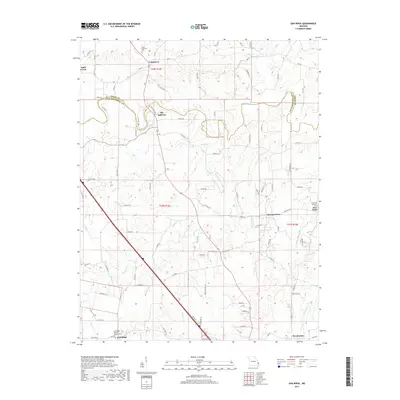 2017 Oak Ridge2017 Print · USGSCape Girardeau and Perry counties meet in this 2010s landscape of rolling ridges and historic Lutheran settlements. Genealogists can trace family roots through the Grace Lutheran Cem, Oak Ridge Baptist Church Cem, and the rural community of New Wells.
Showing maps 1-25 of 27
Top cities near Oak Ridge
- Cape Girardeau historical maps
- Jackson historical maps
- Perryville historical maps
- Grand Tower historical maps
- Gordonville historical maps
- East Cape Girardeau historical maps
See more
Frequently asked questions
- What are the different types of historical maps available for Oak Ridge?
- What is the oldest map of Oak Ridge?
- Where can I purchase historical maps of Oak Ridge for my home or office?
- Where can I download high-res historical maps of Oak Ridge?
- Are there historical topographic maps available for Oak Ridge?
- Is there historical aerial imagery available for Oak Ridge?
- Where are historical maps of Oak Ridge sourced from?