Old Maps of Polk Township, Missouri for Academic Research
Study the evolution of Polk Township with 38 high-resolution historic maps. Whether you're teaching, researching, or modeling changes in land use, these maps provide essential visual documentation of urban, environmental, and geographic change.
- Analyze long-term change: Track patterns in development, transportation, and natural features.
- Ideal for environmental or urban studies: Support academic projects with primary historical map data.
- Use in the classroom or lab: Educators and researchers rely on these maps to bring historical context to life.
These maps are a powerful tool for teaching, research, and visualizing how Polk Township has changed over the decades.
Polk Township, MO maps
(38)- 1923 Map of Clarksdale, 1963 Print
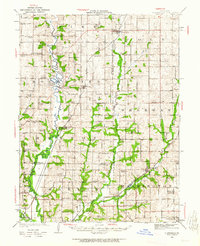 1923 Clarksdale1963 Print · USGSNorthwest Missouri's agricultural heartland is captured here in the 1920s, when small rail towns and country schools defined the rural landscape. Trace the old rail lines of the CHICAGO ROCK ISLAND AND PACIFIC RR or locate family landmarks like Bedford Chapel and Frogge School.3 unique versions available
 - 1923 Map of Maysville, 1966 Print
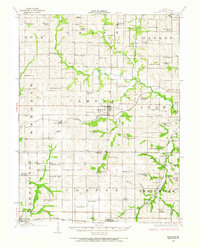 1923 Maysville1966 Print · USGSDeKalb County at the start of the twenties was a landscape of thriving rural school districts and bustling rail towns. Genealogists can locate family landmarks like Butler Cemetery or trace community life at Marvin Chapel and Fairmount School.
 - 1925 Map of Clarksdale
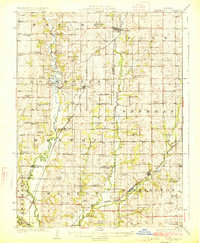 1925 Clarksdale1925 Print · USGSNorthwest Missouri's river valleys and rail lines are captured here in the mid-1920s at the height of its rural schoolhouse era. Genealogists and historians can trace dozens of family-named landmarks like Bowen Cemetery, Fountain Blue School, and the unique Wire Bridge.2 unique versions available
 - 1925 Map of Stanberry
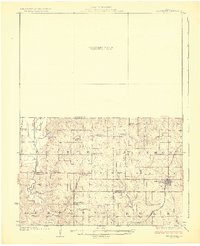 1925 Stanberry1925 Print · USGSNorthwest Missouri in the mid-1920s is captured here at a height of rural community life before the consolidation of rural districts. Genealogists can locate dozens of localized landmarks like Bachelor Hall School, Flag Springs, and the Chicago Burlington and Quincy railroad line.3 unique versions available
 - 1925 Map of Maysville
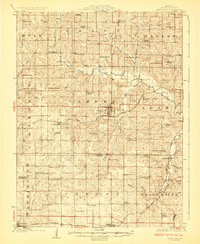 1925 Maysville1925 Print · USGSDeKalb County is shown in the mid-1920s as a thriving patchwork of rural school districts and rail-connected towns. Genealogists and local historians can trace family roots through dozens of named landmarks like Hedge School, Marvin Chapel, and Amity Cemetery.2 unique versions available
 - 1925 Map of Darlington
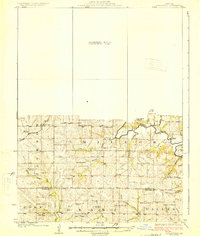 1925 Darlington1925 Print · USGSGentry and DeKalb counties come alive in the mid-1920s, showing a landscape of small farmsteads and rural schoolhouses. Genealogists can trace family roots through landmarks like Mt Tabor Church, Ford City, and the uniquely named Rattlesnake School.3 unique versions available
 - 1939 Map of Stanberry, 1954 Print
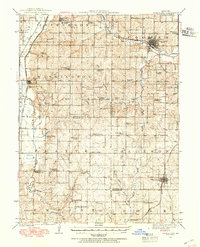 1939 Stanberry1954 Print · USGSNorthwest Missouri thrived as a rail and agricultural hub in the late thirties, with three major lines intersecting the fertile prairie. Genealogists can trace family roots through dozens of local landmarks like Conception College, Stanberry, and the Meekers Cem.
 - 1943 Map of Stanberry
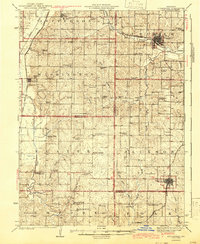 1943 Stanberry1943 Print · USGSNorthwest Missouri thrived as a rail and farming hub during the mid-twentieth century, centered on the junctions at Stanberry and King City. Genealogists can trace hundreds of farmsteads and dozens of local landmarks like Conception College and the Prairie Flower School.
 - 1950 Map of Kansas City
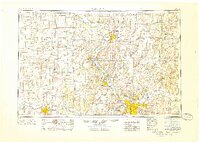 1950 Kansas City1950 Print · USGSMid-century Kansas and Missouri are captured here during a period of industrial growth and shifting transportation. Genealogists and historians can trace rail lines like the Wabash RR or locate ancestral homes near the Potawatomi Indian Reservation and Horton.
 - 1950 Map of Darlington, 1952 Print
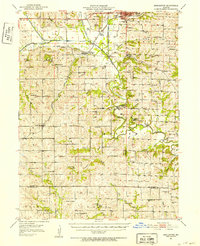 1950 Darlington1952 Print · USGSNorthwest Missouri's agricultural heartland is documented here in the early postwar era, centering on the rail junctions and river valleys of Gentry County. Researchers can trace dozens of country schoolhouses like Buckley Sch and Red Star Sch, alongside community hubs such as Gentryville and Ford City.
 - 1954 Map of Kansas City
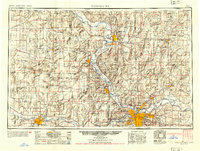 1954 Kansas City1954 Print · USGSThe Missouri-Kansas borderlands flourished in the post-war era as river commerce and rail networks converged at the Missouri River. Genealogists and historians can trace the foundations of Kansas City and smaller rural hubs like Hiawatha or Sabetha.
 - 1955 Map of Nebraska City, 1967 Print
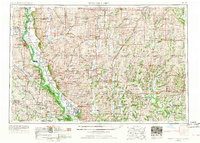 1955 Nebraska City1967 Print · USGSThe four-state region surrounding the Missouri River valley appears here in the mid-1950s, a landscape of rail-dependent market towns and rural school districts. Genealogists can locate family landmarks like the Rock Bluff School, St Oswald Church, and the Clarinda State Hospital.3 unique versions available
 - 1956 Map of Kansas City, 1967 Print
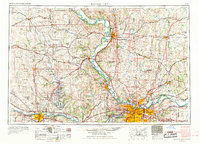 1956 Kansas City1967 Print · USGSThe Kansas-Missouri border region thrived during the mid-fifties, centered on the growing metropolitan cores and the busy river valleys. Researchers can trace the layout of significant government sites like Fort Leavenworth and the Lake City Army Ammunition Plant.4 unique versions available
 - 1957 Map of Nebraska City
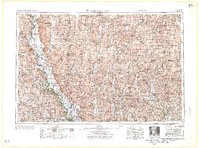 1957 Nebraska City1957 Print · USGSThe four-state junction of Nebraska, Iowa, Missouri, and Kansas comes alive in this mid-fifties survey of the Missouri River valley. Genealogists and historians can trace the rail-and-road networks connecting Nebraska City, Maryville, and the Squaw Creek National Wildlife Refuge.
 - 1958 Map of Nebraska City
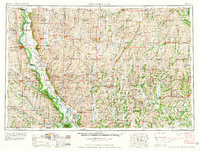 1958 Nebraska City1958 Print · USGSThe Missouri River Valley and its fertile four-state borderlands are captured here during the mid-century expansion of the regional highway and rail networks. Genealogists can trace family roots through numerous rural landmarks like Moulton School, Shady Grove Church, and the Clarinda State Hospital.
 - 1960 Map of Kansas City
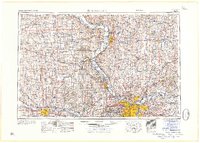 1960 Kansas City1960 Print · USGSMid-century Kansas and Missouri meet at the river forks, showing a sprawling rail-and-river economy during the 1950s growth era. Genealogists and researchers can trace tribal lands like the Kickapoo Indian Reservation or follow the early interstate corridors through Saint Joseph and Independence.3 unique versions available
 - 1983 Map of Union Star, 1984 Print
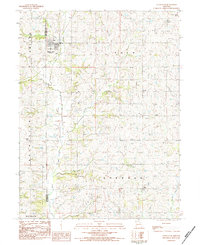 1983 Union Star1984 Print · USGSUnion Star and the surrounding Missouri countryside are captured in the early 1980s as a landscape of established family farms and quiet crossroads. Genealogists can trace local roots through several rural sites like Union Chapel Cem, Sharp Cem, and Mt Moriah Ch.
 - 1983 Map of Wood, 1984 Print
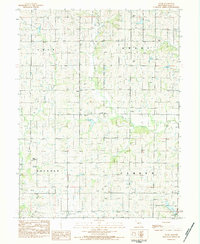 1983 Wood1984 Print · USGSDeKalb County’s rural townships are captured here in the early 1980s, revealing a landscape of family farms and small communities. Genealogists can locate several family burial sites like Botts Cem and Smith Cem or trace the early community of Wood.
 - 1984 Map of King City, 1985 Print
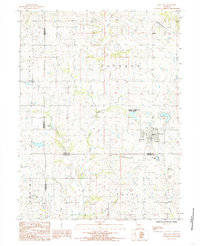 1984 King City1985 Print · USGSKing City and the surrounding three-county border region are detailed in the mid-eighties before modern development expanded. Genealogists and researchers can trace rural cemeteries, the Old Railroad Grade, and family-named landmarks like Limpp-Community State Lake.
 - 1985 Map of Ford City
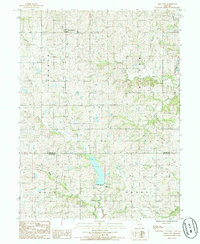 1985 Ford City1985 Print · USGSGentry and De Kalb Counties are shown in the mid-1980s, documenting a landscape of rural townships and winding creek valleys. Genealogists and local historians can trace the Railroad Grade near Ford City and locate local landmarks like the QUARRY and Cem.
 - 1986 Map of Maryville
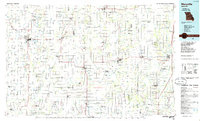 1986 Maryville1986 Print · USGSNorthwest Missouri's agricultural heartland is documented here in the mid-1980s, from the campus at Northwest Missouri State University to the Grand River valley. Genealogists can trace family footprints across dozens of local burial grounds like Alanthus Grove Cem and Brooklyn Cem.2 unique versions available
 - 1986 Map of Saint Joseph
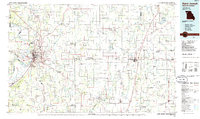 1986 Saint Joseph1986 Print · USGSNorthwest Missouri thrived as a regional transportation and educational hub during the mid-eighties, centered on the historic river city of Saint Joseph. Researchers can locate specific local landmarks like Burlington Cemetery, Pigeon Hill Church, and the winding Pony Express Trail.2 unique versions available
 - 2011 Map of King City, 2011 Print
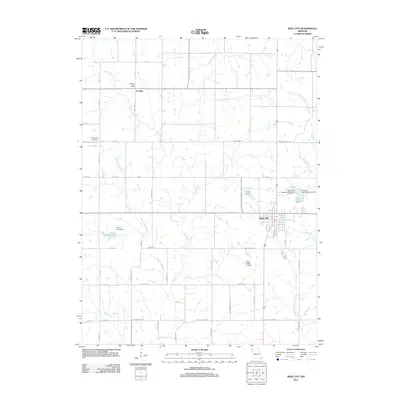 2011 King City2011 Print · USGSKing City and the rural Gentry County countryside are documented here during the early twenty-first century. Researchers can locate small-town landmarks like the Douglas Post Office or trace water resources at Limpp Lake and the King City Reservoir.
 - 2011 Map of Ford City, 2011 Print
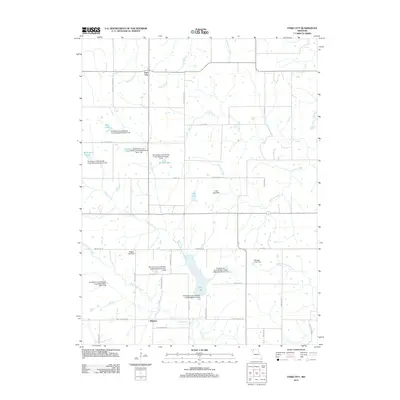 2011 Ford City2011 Print · USGSFord City and Winslow appear in this modern survey of northwest Missouri, showing a landscape defined by agricultural tradition and watershed management. Genealogists and locals can trace family-named sites like Ellis Farms, Turpin Lake, and Heintz Lake.
 - 2012 Map of Wood, 2012 Print
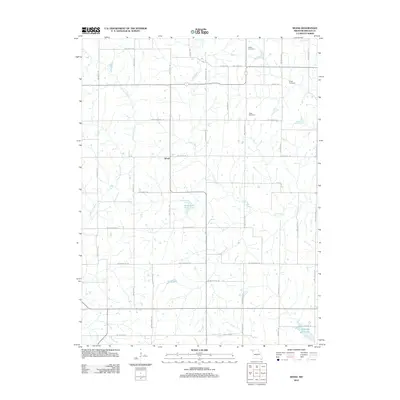 2012 Wood2012 Print · USGSDeKalb County farmland is captured here in the early 2010s, showing the rural crossroads of Wood and the surrounding agricultural landscape. Genealogists can locate family landmarks such as Butler Cemetery, Smith Cemetery, and Botts Cemetery along the local road network.
Showing maps 1-25 of 38
Top cities near Polk Township
- Saint Joseph historical maps
- Stanberry historical maps
- Maysville historical maps
- King City historical maps
- Union Star historical maps
- Clarksdale historical maps
See more
Top neighborhoods of Polk Township
Frequently asked questions
- What are the different types of historical maps available for Polk Township?
- What is the oldest map of Polk Township?
- Where can I purchase historical maps of Polk Township for my home or office?
- Where can I download high-res historical maps of Polk Township?
- Are there historical topographic maps available for Polk Township?
- Is there historical aerial imagery available for Polk Township?
- Where are historical maps of Polk Township sourced from?