Old Maps of Blue Springs, Missouri for Hiking & Exploration
Hike through history with 48 historic maps of Blue Springs. Explore old trails, ghost towns, and forgotten backroads — perfect for outdoor adventurers and local explorers.
- Rediscover forgotten places: Map out old mining camps, roads, and footpaths that no longer exist on modern maps.
- Layer with modern tools: Combine with LiDAR or satellite views to plan hikes through historical terrain.
- Made for exploration: Popular among hikers, overlanders, and local history lovers.
Use these maps to find adventure and explore the hidden past of Blue Springs.
Blue Springs, MO maps
(48)- 1887 Map of Harrisonville
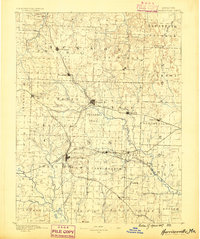 1887 Harrisonville1887 Print · USGSMissouri's western borderlands are seen here during the rail boom of the late nineteenth century. Genealogists and historians can trace the early development of Harrisonville and Lees Summit, alongside smaller settlements like Lone Jack, Peculiar, and Garden City.
 - 1892 Map of Harrisonville, 1902 Print
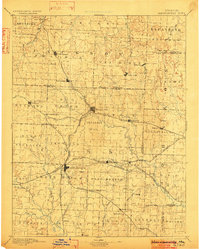 1892 Harrisonville1902 Print · USGSWestern Missouri comes into focus during the late nineteenth-century rail boom as new townships and post offices began to dot the prairie. Trace the development of early rail hubs like Harrisonville and Pleasant Hill or locate old community centers such as Chapel Hill and Daugherty (Eight Mile P. O.).2 unique versions available
 - 1894 Map of Harrisonville
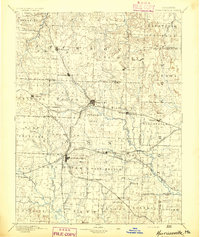 1894 Harrisonville1894 Print · USGSCass and Jackson counties come to life in the 1890s as a burgeoning rail network links remote prairie outposts. Genealogists can trace early homesteads and mail stops like Daugherty (Eight Mile P. O.), Peculiar, and Lone Jack.
 - 1894 Map of Independence
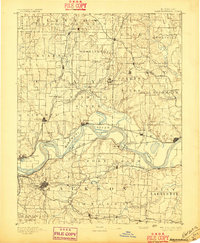 1894 Independence1894 Print · USGSThe river valley and rail corridors of western Missouri are captured in detail during the late nineteenth century. Researchers can trace the early layouts of Liberty and Independence alongside lost river features like Liberty Landing and Cooley Lake.5 unique versions available
 - 1933 Map of Blue Springs
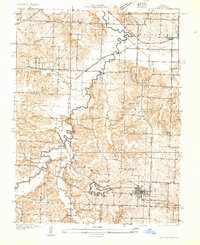 1933 Blue Springs1933 Print · USGSJackson County in the 1930s shows a landscape of rural schoolhouses and family farms connected by the Little Blue River. Researchers can trace ancestral property near Lobb Cemetery or locate vanished landmarks like Selsa and the Old Blue Springs Sch.
 - 1934 Map of Oak Grove
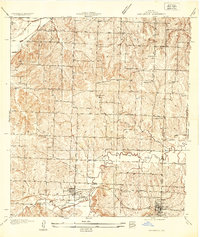 1934 Oak Grove1934 Print · USGSJackson County in the 1930s shows a landscape of growing railroad towns and scattered rural school districts. Genealogists can locate family landmarks like Sunny Nook Sch and Macklin Sch or trace early routes along Sni A Bar Creek.2 unique versions available
 - 1934 Map of Woods Chapel
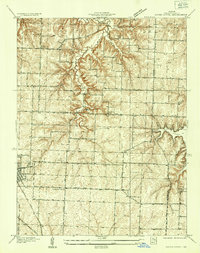 1934 Woods Chapel1934 Print · USGSJackson County agriculture and river valley life are captured here in the mid-thirties, just as the region began to modernize. Researchers can trace rural school locations like Mason Sch and early lakeside developments at Lake Lotawana near the Little Blue River.2 unique versions available
 - 1935 Map of Tarsney
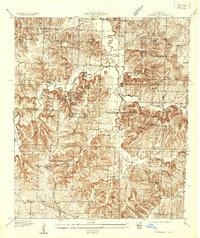 1935 Tarsney1935 Print · USGSJackson County rural life in the mid-1930s was defined by the winding waters of Sni A Bar Creek and a network of one-room schoolhouses. Genealogists can trace family landmarks like Adams Cem, New Liberty Ch, and the settlement of Tarsney.
 - 1945 Map of Blue Springs, 1955 Print
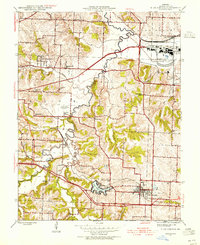 1945 Blue Springs1955 Print · USGSJackson County in the 1940s shows a landscape of country schools and family roads poised for postwar expansion. You can trace early lakefront development at Lake Tapawingo, find family-named landmarks like Owens Road, or locate the expansive Lake City Ordnance Plant.
 - 1947 Map of Blue Springs
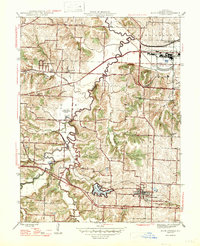 1947 Blue Springs1947 Print · USGSJackson County is captured here in the years following World War II, showing a landscape defined by the winding Little Blue River and early industrial growth. Researchers can locate numerous vanished landmarks, from the Lake City Ordnance Plant to rural schoolhouses like Sunnyside Sch and Fairview Sch.2 unique versions available
 - 1947 Map of Lawrence, 1954 Print
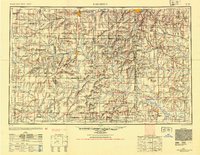 1947 Lawrence1954 Print · USGSEastern Kansas and western Missouri thrive in the late 1940s, showing a landscape defined by major river valleys and a dense railway network. Genealogists can trace family settlements from Lawrence to Greenwood and locate landmarks like Olathe Navy and Lake Lotawana.
 - 1950 Map of Kansas City
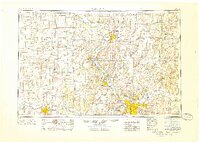 1950 Kansas City1950 Print · USGSMid-century Kansas and Missouri are captured here during a period of industrial growth and shifting transportation. Genealogists and historians can trace rail lines like the Wabash RR or locate ancestral homes near the Potawatomi Indian Reservation and Horton.
 - 1950 Map of Lawrence
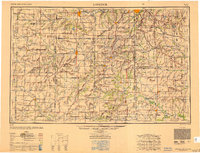 1950 Lawrence1950 Print · USGSMid-century Kansas and Missouri come alive in this map of the river-valley corridors just as the interstate era was beginning. Researchers can trace the legacy of major rail lines like the Union Pacific RR and locate ancestral roots in towns from Lawrence to Harrisonville.
 - 1954 Map of Kansas City
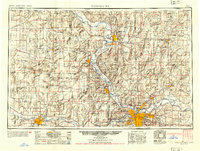 1954 Kansas City1954 Print · USGSThe Missouri-Kansas borderlands flourished in the post-war era as river commerce and rail networks converged at the Missouri River. Genealogists and historians can trace the foundations of Kansas City and smaller rural hubs like Hiawatha or Sabetha.
 - 1955 Map of Tarsney
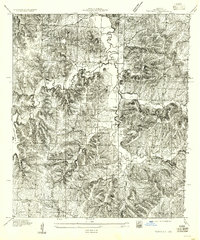 1955 Tarsney1955 Print · USGSJackson County rural life in the mid-1930s is preserved here, showing the drainage of the Sni A Bar Creek valley before extensive modern development. Genealogists and local historians can locate early landmarks like Hickory Grove Sch, Providence Ch, and the developing shoreline of Tarsney Lake.
 - 1956 Map of Kansas City, 1967 Print
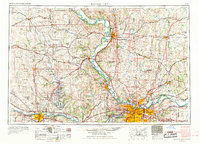 1956 Kansas City1967 Print · USGSThe Kansas-Missouri border region thrived during the mid-fifties, centered on the growing metropolitan cores and the busy river valleys. Researchers can trace the layout of significant government sites like Fort Leavenworth and the Lake City Army Ammunition Plant.4 unique versions available
 - 1956 Map of Lawrence, 1967 Print
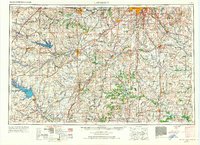 1956 Lawrence1967 Print · USGSEastern Kansas and the Missouri border country are captured here during the mid-century transition to the interstate era. Genealogists and local historians can trace family-named terrain like Summers Mound and the footprint of Sunflower Ordnance Works near Baldwin City.4 unique versions available
 - 1957 Map of Tarsney
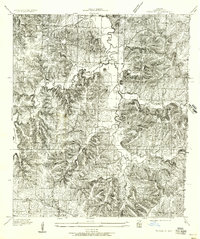 1957 Tarsney1957 Print · USGSJackson County in the mid-1930s shows a landscape of rural schools and winding creek valleys before post-war suburban expansion reached this far east. Genealogists and local historians can trace the locations of the Adams Sch, Providence Ch, and the Pleasant Prairie Cem.
 - 1957 Map of Woods Chapel, 1958 Print
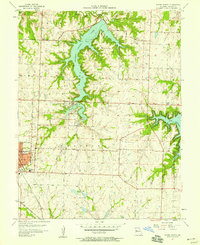 1957 Woods Chapel1958 Print · USGSJackson County is shown in a period of significant growth in the late fifties as suburban expansion met rural Missouri lakefronts. Researchers can trace family history at the Woods Chapel Cem or locate old school sites like Mason Sch and St Marys Sch.
 - 1960 Map of Kansas City
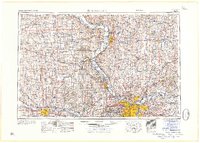 1960 Kansas City1960 Print · USGSMid-century Kansas and Missouri meet at the river forks, showing a sprawling rail-and-river economy during the 1950s growth era. Genealogists and researchers can trace tribal lands like the Kickapoo Indian Reservation or follow the early interstate corridors through Saint Joseph and Independence.3 unique versions available
 - 1961 Map of Lawrence
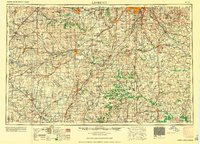 1961 Lawrence1961 Print · USGSThe Kansas-Missouri borderland shows its mid-century transition from a rail-dependent agricultural region to a suburbanizing landscape. Genealogists can trace family footprints through numerous Cem sites and distinctive terrain landmarks like Graves Mound and Summers Mound.
 - 1963 Map of Lake Jacomo, 1964 Print
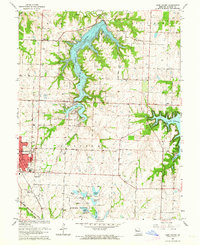 1963 Lake Jacomo1964 Print · USGSIn the early sixties, the eastern suburbs of Jackson County were taking shape around new reservoirs and established rail lines. Researchers can trace family sites and early infrastructure at Woods Chapel Cem, Prairie Lee Ch, and along the Missouri Pacific railroad.3 unique versions available
 - 1965 Map of Tarsney Lakes, 1966 Print
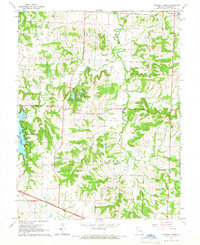 1965 Tarsney Lakes1966 Print · USGSEastern Jackson County during the mid-sixties shows a rural landscape transitioning toward modern development. Genealogists and local historians can trace family roots through numerous sites like Sni Mills, Purdue Chapel Cem, and Adams Cem.2 unique versions available
 - 1965 Map of Oak Grove, 1966 Print
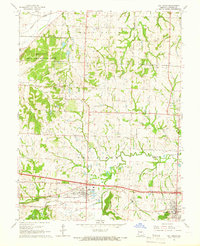 1965 Oak Grove1966 Print · USGSJackson County is documented here in the mid-1960s as small-town centers began to interface with modern industrial and aviation sites. Researchers can trace the heritage of Grain Valley and Oak Grove, locating numerous landmarks like Mecklin Cem, Pink Hill Ch, and the East Kansas City Airport.3 unique versions available
 - 1965 Map of Blue Springs, 1966 Print
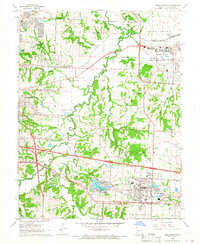 1965 Blue Springs1966 Print · USGSJackson County at the height of the mid-century shows the expanding footprint of East Independence and Blue Springs. Researchers can trace the massive Lake City Army Ammunition Plant and family-named landmarks like Lobb Cem and Stanley Cem.3 unique versions available
Showing maps 1-25 of 48
Top cities near Blue Springs
- Kansas City historical maps
- Independence historical maps
- Lee's Summit historical maps
- Liberty historical maps
- Raytown historical maps
- Grandview historical maps
See more
Frequently asked questions
- What are the different types of historical maps available for Blue Springs?
- What is the oldest map of Blue Springs?
- Where can I purchase historical maps of Blue Springs for my home or office?
- Where can I download high-res historical maps of Blue Springs?
- Are there historical topographic maps available for Blue Springs?
- Is there historical aerial imagery available for Blue Springs?
- Where are historical maps of Blue Springs sourced from?