Old Maps of Parkers Park, Missouri
Explore 12 old maps of Parkers Park, spanning from 1930 to today. These high-resolution historic maps reveal how streets, neighborhoods, landmarks, and natural features evolved over time — perfect for genealogy, metal detecting, research, and local history exploration.
What you can do with these maps:
- See how Parkers Park changed over time: Compare historical maps to modern-day views to trace roads, homesites, rail lines & more.
- View detailed metadata: Each map includes creators, publishers, year, scale, and archive source.
- Overlay maps with satellite & LiDAR: Visualize the past alongside modern tools to explore terrain & human change.
- Trusted historical sources: Maps sourced from the USGS, Library of Congress, and other archives.
- Access maps your way: View online, download high-res files, or order prints for personal or research use.
Start exploring old maps of Parkers Park to uncover forgotten places, hidden landmarks, and the deep history beneath your feet.
Parkers Park, MO maps
(12)- 1930 Map of Hardin
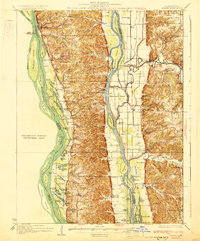 1930 Hardin1930 Print · USGSCalhoun County's narrow peninsula is captured here between the two great rivers during the late Prohibition era. Genealogists and local researchers can locate numerous rural landmarks like Indian Creek Ch, Oases Ch, and a high concentration of schoolhouses including South Lincoln Sch.2 unique versions available
 - 1934 Map of Hardin, 1956 Print
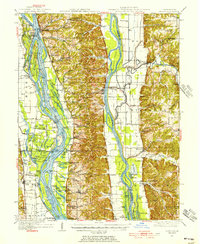 1934 Hardin1956 Print · USGSThe river bluffs of Calhoun and Greene counties come alive in this mid-1930s survey of the Mississippi River and Illinois River valleys. Genealogists can trace family roots through numerous rural landmarks like Indian Creek Ch, St Andrew Ch, and the Pecan Grove Sch.2 unique versions available
 - 1938 Map of Hardin
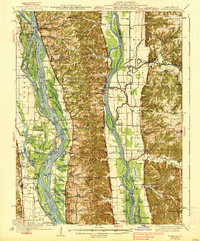 1938 Hardin1938 Print · USGSThe river-bound peninsula of Calhoun County is shown here in the 1930s, caught between the shifting chutes of the Mississippi and the Illinois rivers. Genealogists can trace family roots through numerous rural landmarks like Gilead Cemetery, the Poor Farm, and small communities such as Batchtown and Hamburg.2 unique versions available
 - 1948 Map of Quincy
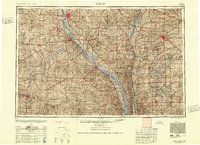 1948 Quincy1948 Print · USGSThe Mississippi and Illinois River valleys are captured at a post-war crossroads as rail and river travel met the expanding highway system. Genealogists can trace family settlements from Quincy to Hannibal and smaller towns like Vandalia and Jerseyville.2 unique versions available
 - 1956 Map of Quincy, 1967 Print
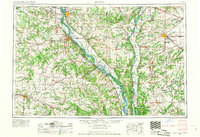 1956 Quincy1967 Print · USGSThe river and rail corridors of the Illinois-Missouri border are documented here during the mid-1950s. Researchers can trace historic river landings and regional transit hubs from Quincy and Hannibal to smaller settlements like Meredosia and Roodhouse.3 unique versions available
 - 1975 Map of Foley, 1978 Print
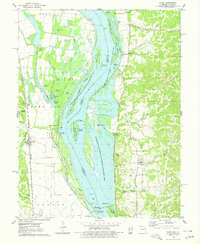 1975 Foley1978 Print · USGSThe riverfront communities of Missouri and Illinois are captured here in the mid-seventies, centered on the crossing between Foley and Batchtown. Genealogists can locate family burial sites at Stonebraker Cem and Plummer Cem or trace the old Burlington Northern rail line.
 - 1985 Map of Jerseyville
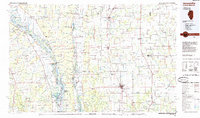 1985 Jerseyville1985 Print · USGSThe confluence of the Illinois and Mississippi rivers defines this 1980s landscape of fertile bottomlands and rail-hub towns. Genealogists and historians can trace the foundations of communities like Jerseyville and White Hall alongside the Oak Grove Cem and St Mary Church.2 unique versions available
 - 1993 Map of Foley, 1996 Print
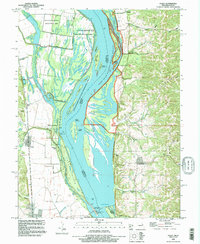 1993 Foley1996 Print · USGSThe Mississippi River bottoms and Illinois bluffs are captured here in the early nineties, showing the Missouri-Illinois border before modern developments. Local historians can trace river-town life through Parkers Landing, St Barbara Cem, and the river works at Lock and Dam No 25.
 - 2011 Map of Foley, 2011 Print
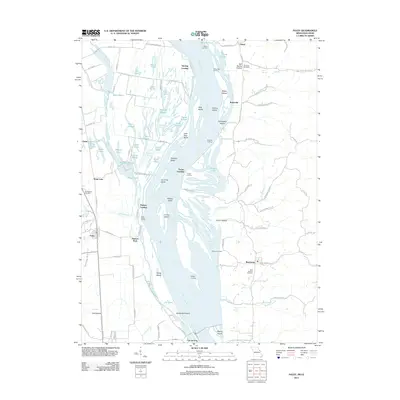 2011 Foley2011 Print · USGSThe Mississippi River bottoms near the Missouri-Illinois border are revealed here just after the turn of the century. Genealogists and local historians can trace family roots at Wilson Cemetery or explore old river sites like Sterling Landing and Kritesville.
 - 2015 Map of Foley, 2015 Print
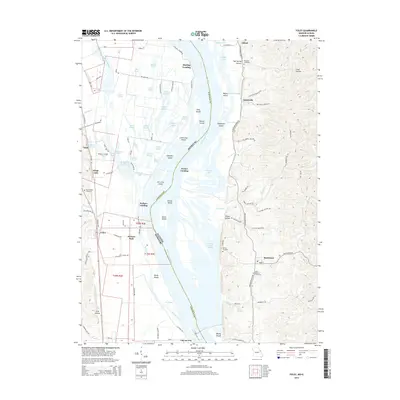 2015 Foley2015 Print · USGSThe Mississippi River valley and the bluffs of Illinois and Missouri are captured here in the mid-2010s. Genealogists and local historians can locate several burial grounds like Saint Barbara Cemetery and Stonebraker Cemetery, alongside river settlements such as Batchtown and Foley.
 - 2017 Map of Foley, 2017 Print
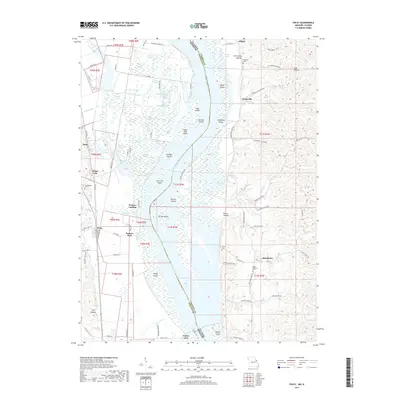 2017 Foley2017 Print · USGSThe Mississippi River floodplain and its eastern bluffs come alive in this modern survey of the Illinois-Missouri border. Genealogists and historians can locate rural landmarks like Stonebraker Cem, the settlement of Batchtown, and vanished river spots like Parkers Landing.
 - 2021 Map of Foley, 2021 Print
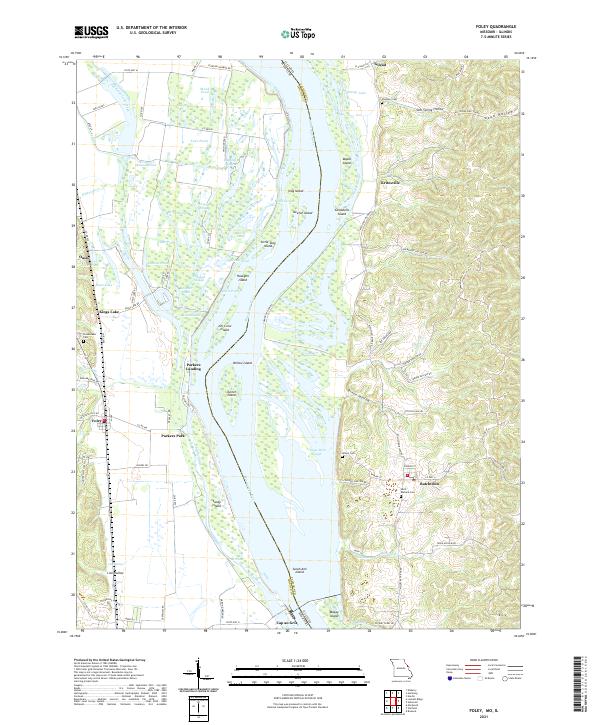 2021 Foley2021 Print · USGSThis riverfront landscape on the Missouri-Illinois border highlights the complex island and slough systems of the Mississippi River in the early 2020s. Researchers can trace local history through river settlements like Batchtown and Foley, or locate family sites at Saint Barbara Cem and Plummer Cem.
End of results
Showing maps 1-12 of 12
Top cities near Parkers Park
- O'Fallon historical maps
- Saint Charles historical maps
- Saint Peters historical maps
- Wentzville historical maps
- Troy historical maps
- Elsberry historical maps
See more
Frequently asked questions
- What are the different types of historical maps available for Parkers Park?
- What is the oldest map of Parkers Park?
- Where can I purchase historical maps of Parkers Park for my home or office?
- Where can I download high-res historical maps of Parkers Park?
- Are there historical topographic maps available for Parkers Park?
- Is there historical aerial imagery available for Parkers Park?
- Where are historical maps of Parkers Park sourced from?