Old Maps of Etterville, Missouri for Academic Research
Study the evolution of Etterville with 15 high-resolution historic maps. Whether you're teaching, researching, or modeling changes in land use, these maps provide essential visual documentation of urban, environmental, and geographic change.
- Analyze long-term change: Track patterns in development, transportation, and natural features.
- Ideal for environmental or urban studies: Support academic projects with primary historical map data.
- Use in the classroom or lab: Educators and researchers rely on these maps to bring historical context to life.
These maps are a powerful tool for teaching, research, and visualizing how Etterville has changed over the decades.
Etterville, MO maps
(15)- 1888 Map of Tuscumbia
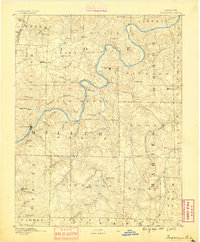 1888 Tuscumbia1888 Print · USGSThe Osage River valley comes to life in the 1880s, showcasing the intricate river bends and rugged hills of central Missouri. Genealogists and researchers can trace the original locations of early settlements like Tuscumbia, St. Elizabeth, and Iberia.
 - 1894 Map of Tuscumbia
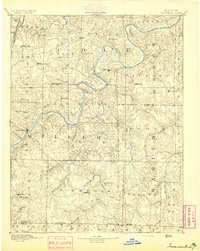 1894 Tuscumbia1894 Print · USGSCentral Missouri's river-and-rail landscape is captured here in the 1890s as the Osage River served as the region's main artery. Genealogists and historians can trace the early boundaries of communities like Tuscumbia, St. Elizabeth, and Iberia.3 unique versions available
 - 1947 Map of Jefferson City, 1949 Print
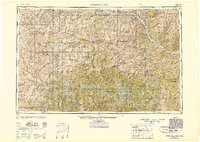 1947 Jefferson City1949 Print · USGSCentral Missouri and the northern Ozarks come into focus in this late 1940s survey of the river-and-rail landscape. Genealogists and historians can trace the growth of Jefferson City and Sedalia or locate family roots near Bagnell Dam and the Lake of the Ozarks.
 - 1948 Map of Eugene, 1966 Print
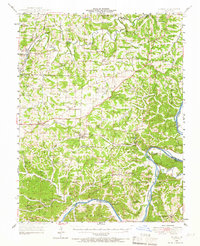 1948 Eugene1966 Print · USGSCentral Missouri rural life is captured here in the years following the war, centered on the rail corridor through Eugene. Researchers can trace family sites and community landmarks like Marys Home, Rush Chapel, and the river bluffs along the Osage River.2 unique versions available
 - 1951 Map of Eugene
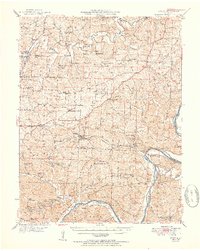 1951 Eugene1951 Print · USGSMid-century life in central Missouri centered on the Chicago Rock Island and Pacific rail corridor and the deep valleys of the Osage River. Researchers can locate dozens of historic rural landmarks, from the McCann Bridge Cem to small communities like Marys Home and Etterville.2 unique versions available
 - 1954 Map of Jefferson City
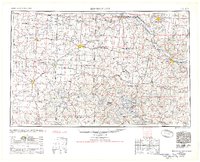 1954 Jefferson City1954 Print · USGSCentral Missouri in the early postwar years showcases a landscape defined by the winding Lake of the Ozarks and the state capital at Jefferson City. Researchers can trace the mid-century rail networks of the Missouri Pacific RR and locate rural communities like Tuscumbia, St Elizabeth, and St Anthony.2 unique versions available
 - 1955 Map of Jefferson City, 1967 Print
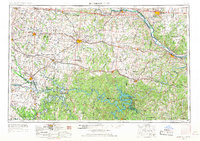 1955 Jefferson City1967 Print · USGSCentral Missouri in the mid-fifties is defined by the winding Missouri River and the expanding reach of Lake of the Ozarks. Researchers can trace the rail corridors of the Missouri Pacific or locate the early footprint of Whiteman AFB and Jefferson City.4 unique versions available
 - 1958 Map of Jefferson City
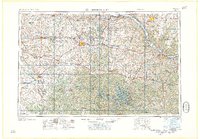 1958 Jefferson City1958 Print · USGSCentral Missouri in the late fifties shows a region transforming through the growth of Whiteman Air Force Base and the Lake of the Ozarks. Researchers can trace rail lines like the Missouri Pacific or find family roots at Enloe Cemetery and Mount Pleasant Cem.
 - 1959 Map of Jefferson City
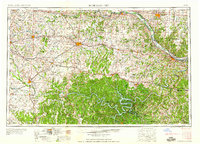 1959 Jefferson City1959 Print · USGSCentral Missouri is captured during the mid-fifties as the river economy and rail networks like the Missouri Pacific met the rise of the automobile. Local researchers can trace family landmarks and rural infrastructure from the Lake of the Ozarks up to Providence Cemetery and Knob Noster State Park.
 - 1983 Map of Lake Of The Ozarks, 1984 Print
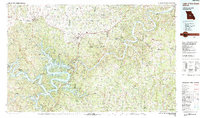 1983 Lake Of The Ozarks1984 Print · USGSThe Lake of the Ozarks region in the early eighties shows a landscape of deep river bends and growing recreation. Genealogists can trace family names and small settlements from Versailles to Meta and locate old mining sites like Tiff Mine.
 - 1987 Map of Eugene
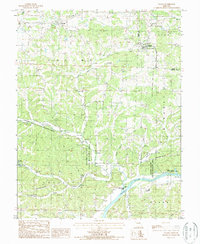 1987 Eugene1987 Print · USGSThe rural riverlands along the Osage River and the hills of Cole and Miller Counties come into focus in the late eighties. Researchers can trace family ties and local industry near Eugene and Etterville, or explore the drainages of Saline Creek and Buster Creek.
 - 2011 Map of Eugene, 2011 Print
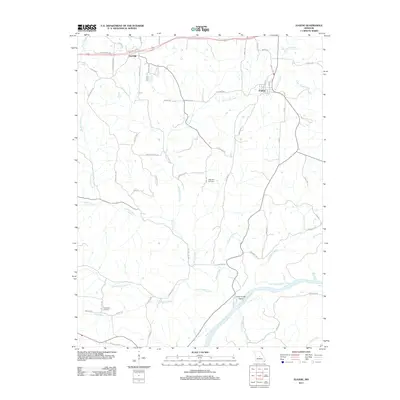 2011 Eugene2011 Print · USGSCovers Etterville, including Eugene, Cole County, and other nearby areas
 - 2015 Map of Eugene, 2015 Print
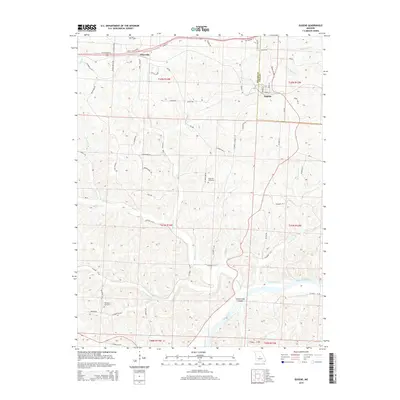 2015 Eugene2015 Print · USGSCovers Etterville, including Eugene, Cole County, and other nearby areas
 - 2017 Map of Eugene, 2017 Print
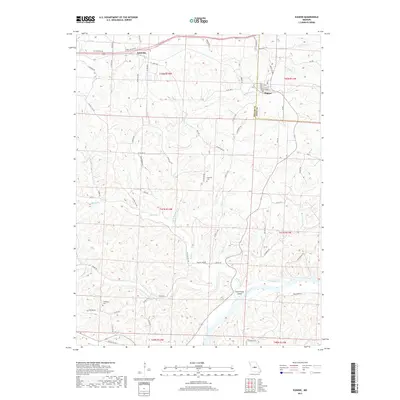 2017 Eugene2017 Print · USGSCovers Etterville, including Eugene, Cole County, and other nearby areas
 - 2021 Map of Eugene, 2021 Print
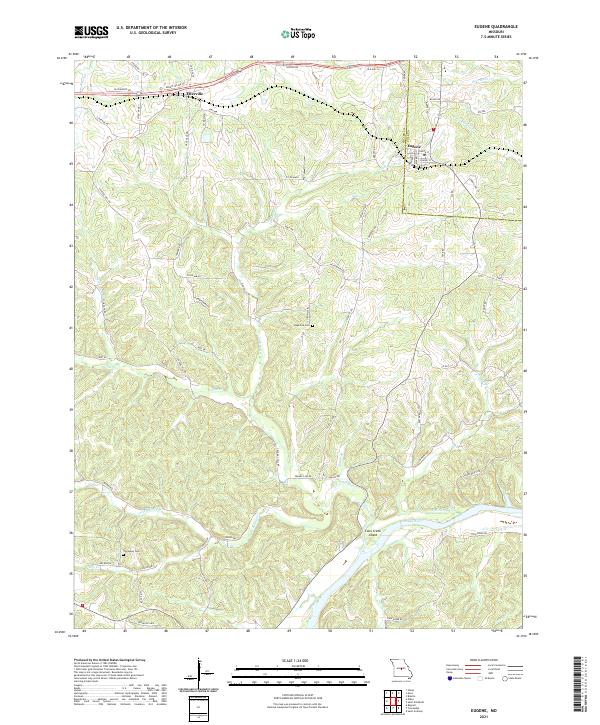 2021 Eugene2021 Print · USGSIn the rural hills of central Missouri, this modern survey captures the landscape of Cole and Miller counties as it surrounds the Osage River. Researchers can locate Gageville Cem and Thompson Cem, or trace old routes like Ernest Miller Rd near Etterville.
End of results
Showing maps 1-15 of 15
Top cities near Etterville
- Jefferson City historical maps
- Eldon historical maps
- Osage Beach historical maps
- Four Seasons historical maps
- Lake Ozark historical maps
- Russellville historical maps
See more
Frequently asked questions
- What are the different types of historical maps available for Etterville?
- What is the oldest map of Etterville?
- Where can I purchase historical maps of Etterville for my home or office?
- Where can I download high-res historical maps of Etterville?
- Are there historical topographic maps available for Etterville?
- Is there historical aerial imagery available for Etterville?
- Where are historical maps of Etterville sourced from?