Old Maps of Nodaway County, Missouri for Metal Detecting
Plan your next treasure hunt with 143 historic maps of Nodaway County. Find old homesites, ghost towns, trails, and gathering spots that may be lost to time — perfect for identifying promising metal detecting locations.
- Locate forgotten sites: Uncover places like long-lost settlements, abandoned rail lines, or gathering spots.
- Plan better hunts: Use map overlays combined with LiDAR or satellite views to narrow in on historically rich areas.
- Made for detectorists: Thousands of hobbyists use these maps to discover relics, coins, and hidden history.
Use these historic maps to boost your research and find new opportunities beneath the surface of Nodaway County.
Nodaway County, MO maps
(143)- 1925 Map of Stanberry
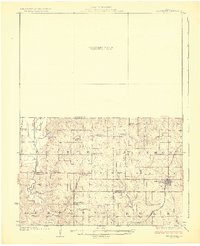 1925 Stanberry1925 Print · USGSNorthwest Missouri in the mid-1920s is captured here at a height of rural community life before the consolidation of rural districts. Genealogists can locate dozens of localized landmarks like Bachelor Hall School, Flag Springs, and the Chicago Burlington and Quincy railroad line.3 unique versions available
 - 1926 Map of Maitland
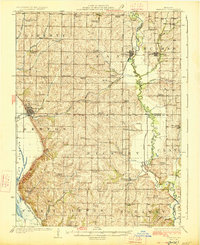 1926 Maitland1926 Print · USGSNorthwest Missouri in the mid-1920s reveals a countryside of small farms and tightly packed rural school districts. Genealogists and historians can trace family roots through dozens of local landmarks like Triumph School, Bethel Church, and the village of Graham.3 unique versions available
 - 1927 Map of Bolckow
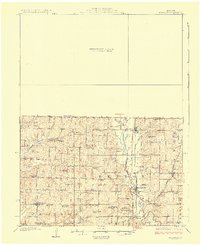 1927 Bolckow1927 Print · USGSNorthwest Missouri thrived as a rail-centered farming region in the years before the Great Depression. Researchers can trace rural lineages through numerous country schools like Radical School and Gravel Wall School, or locate the Stone Church Cem.2 unique versions available
 - 1939 Map of Skidmore
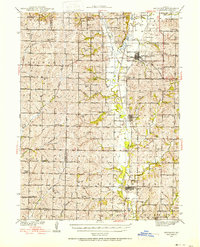 1939 Skidmore1939 Print · USGSNorthwest Missouri is captured here in the late thirties, when the river valleys were teeming with small school districts and active rail lines. Researchers can trace family history through dozens of rural schools like Evans Sch and churches including Centenary Ch.3 unique versions available
 - 1939 Map of Stanberry, 1954 Print
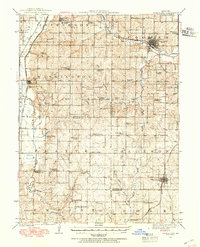 1939 Stanberry1954 Print · USGSNorthwest Missouri thrived as a rail and agricultural hub in the late thirties, with three major lines intersecting the fertile prairie. Genealogists can trace family roots through dozens of local landmarks like Conception College, Stanberry, and the Meekers Cem.
 - 1940 Map of Bedford, 1954 Print
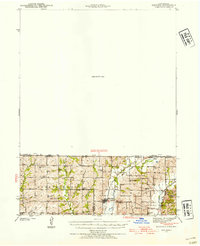 1940 Bedford1954 Print · USGSThe Iowa-Missouri borderlands come alive in this mid-century survey of Taylor, Worth, and Nodaway counties. Researchers can trace the Chicago Great Western rail line and locate vanished rural hubs like Luteston Sch and Isadora.2 unique versions available
 - 1940 Map of Coin, 1954 Print
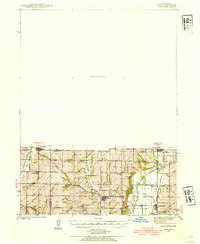 1940 Coin1954 Print · USGSThe borderlands of Iowa and Missouri come to life in this mid-century survey, showcasing the tight-knit farming communities across Page and Nodaway counties. Researchers can locate vanished rural landmarks like North Grove Sch and Six Corners Cem along the Wabash rail line.2 unique versions available
 - 1940 Map of New Market, 1954 Print
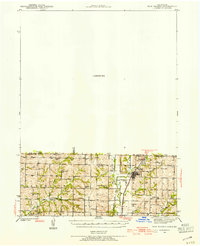 1940 New Market1954 Print · USGSThe borderlands of Iowa and Missouri come into focus during the early 1940s, centered on the rail-and-river hub of Hopkins. Genealogists can trace a wealth of rural landmarks including Burch Cem, Prairie Star Sch, and Good Hope Ch.
 - 1940 Map of Parnell, 1954 Print
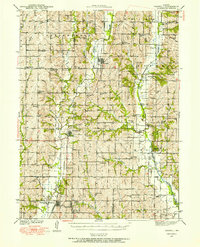 1940 Parnell1954 Print · USGSNorthwest Missouri in the 1940s is defined here by a dense grid of rural schoolhouses and the critical rail hub at Conception Junction. Trace family roots near St Benedict Convent or find old community sites like Common Sense Sch and Ravenwood.
 - 1941 Map of Skidmore
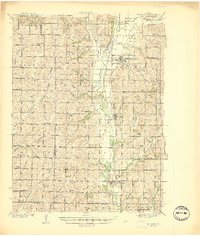 1941 Skidmore1941 Print · USGSNodaway County agriculture and transit thrive during the late thirties and early forties as major rail lines intersect. Genealogists can locate dozens of rural landmarks, including St Oswald Ch, Burlington Junction, and the Little Brick Sch.
 - 1942 Map of Skidmore
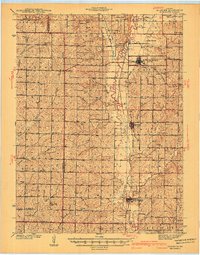 1942 Skidmore1942 Print · USGSNodaway County is captured here in the early 1940s, showing a landscape defined by the Nodaway River and the Chicago Burlington and Quincy railroad. Researchers can trace dozens of country school sites like Little Brick Sch and Eudora Sch, or find family landmarks such as St Oswald Ch and London Cem.2 unique versions available
 - 1943 Map of Bedford
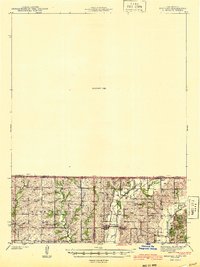 1943 Bedford1943 Print · USGSThe borderlands of Iowa and Missouri are captured here in the early 1940s, showing a landscape defined by small-town life and the railroad. Genealogists can trace family footprints through numerous rural landmarks like New Hope Cem, Star of the West Ch, and the Platte Dell Sch.2 unique versions available
 - 1943 Map of Parnell
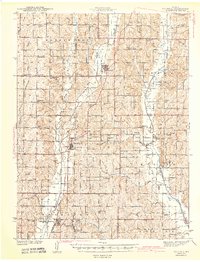 1943 Parnell1943 Print · USGSNorthwest Missouri's agricultural heartland is documented here in the early 1940s, centered on the rail junctions and river valleys of Nodaway and Worth counties. Researchers can trace rural lineages through dozens of local landmarks like Common Sense Sch, St Benedict Convent, and Sweet Home Cem.2 unique versions available
 - 1943 Map of Coin
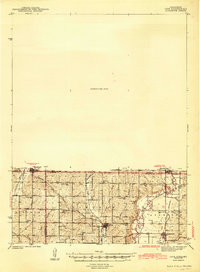 1943 Coin1943 Print · USGSThe rural borderlands of Iowa and Missouri were still defined by a dense network of country schools and rail lines in the early 1940s. Researchers can trace the exact locations of vanished rural anchors like White Chapel, Six Corners, and the High Prairie Cemetery.2 unique versions available
 - 1943 Map of Maryville
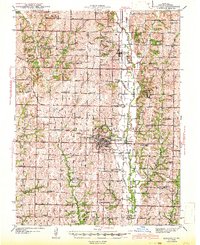 1943 Maryville1943 Print · USGSNodaway County agricultural life and the growing city of Maryville are documented here just before the mid-century. Genealogists can locate dozens of rural landmarks, from Workman Union Chapel to family-named schools like Guthrie Sch and Casteel Sch.3 unique versions available
 - 1943 Map of New Market
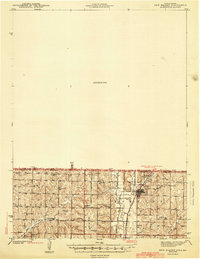 1943 New Market1943 Print · USGSThe Iowa-Missouri border was a landscape of river-valley agriculture and scattered rural schoolhouses in the early 1940s. Genealogists can trace family footprints through sites like Washburn Cem or schools such as Independence Sch and Hazel Dell Sch.2 unique versions available
 - 1943 Map of Stanberry
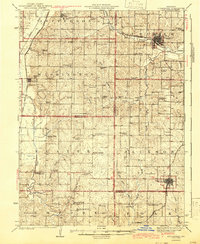 1943 Stanberry1943 Print · USGSNorthwest Missouri thrived as a rail and farming hub during the mid-twentieth century, centered on the junctions at Stanberry and King City. Genealogists can trace hundreds of farmsteads and dozens of local landmarks like Conception College and the Prairie Flower School.
 - 1945 Map of Bolckow
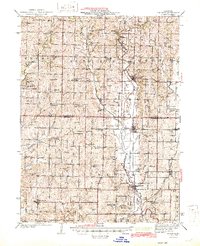 1945 Bolckow1945 Print · USGSNorthwest Missouri in the 1940s is defined here by its rail-connected towns and a dense network of one-room schoolhouses. Genealogists can trace family footprints across dozens of local landmarks like Shambaugh Cem, Common Sense Sch, and Pumpkin Center.2 unique versions available
 - 1955 Map of Nebraska City, 1967 Print
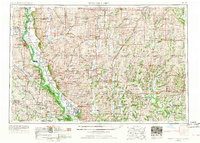 1955 Nebraska City1967 Print · USGSThe four-state region surrounding the Missouri River valley appears here in the mid-1950s, a landscape of rail-dependent market towns and rural school districts. Genealogists can locate family landmarks like the Rock Bluff School, St Oswald Church, and the Clarinda State Hospital.3 unique versions available
 - 1957 Map of Nebraska City
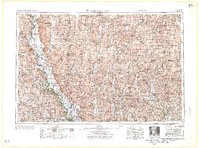 1957 Nebraska City1957 Print · USGSThe four-state junction of Nebraska, Iowa, Missouri, and Kansas comes alive in this mid-fifties survey of the Missouri River valley. Genealogists and historians can trace the rail-and-road networks connecting Nebraska City, Maryville, and the Squaw Creek National Wildlife Refuge.
 - 1958 Map of Nebraska City
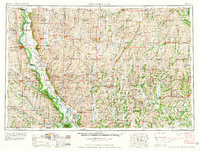 1958 Nebraska City1958 Print · USGSThe Missouri River Valley and its fertile four-state borderlands are captured here during the mid-century expansion of the regional highway and rail networks. Genealogists can trace family roots through numerous rural landmarks like Moulton School, Shady Grove Church, and the Clarinda State Hospital.
 - 1980 Map of Hopkins SW
 1980 Hopkins SW1980 Print · USGSThe Missouri-Iowa border comes into focus in the late 1970s, showing a rural landscape defined by township lines and family heritage. Genealogists and historians can trace local roots through numerous burial sites like Burch Cem, Siam Cem, and Hazel Dell Cem.
 - 1980 Map of Hopkins, 1981 Print
 1980 Hopkins1981 Print · USGSNodaway County and the Missouri-Iowa border are captured in the early eighties as rural life centered on the town of Hopkins. Genealogists can locate family landmarks like Washburn Cem and Willard Cem or trace the Burlington Northern rail line.
 - 1980 Map of Bedford SW, 1981 Print
 1980 Bedford SW1981 Print · USGSThis rural borderland between Iowa and Missouri was mapped in the late 1970s, showing a landscape of traditional farmsteads and township boundaries. Genealogists can locate several remote burial sites and community centers, including Berea Ch, New Hope Cem, and Brethren Cem.
 - 1981 Map of Clearmont
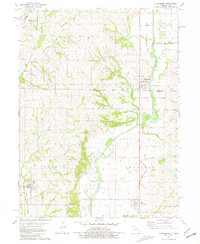 1981 Clearmont1981 Print · USGSThe Iowa-Missouri borderlands come into focus during the early eighties, centered on the Nodaway River valley. Genealogists can trace family footprints at Maple Hill Cem and Elmo Cem or follow the Old Railroad Grade past Braddyville.
Showing maps 1-25 of 143
Frequently asked questions
- What are the different types of historical maps available for Nodaway County?
- What is the oldest map of Nodaway County?
- Where can I purchase historical maps of Nodaway County for my home or office?
- Where can I download high-res historical maps of Nodaway County?
- Are there historical topographic maps available for Nodaway County?
- Is there historical aerial imagery available for Nodaway County?
- Where are historical maps of Nodaway County sourced from?