Old Maps of Raymondville, Missouri for Academic Research
Study the evolution of Raymondville with 16 high-resolution historic maps. Whether you're teaching, researching, or modeling changes in land use, these maps provide essential visual documentation of urban, environmental, and geographic change.
- Analyze long-term change: Track patterns in development, transportation, and natural features.
- Ideal for environmental or urban studies: Support academic projects with primary historical map data.
- Use in the classroom or lab: Educators and researchers rely on these maps to bring historical context to life.
These maps are a powerful tool for teaching, research, and visualizing how Raymondville has changed over the decades.
Raymondville, MO maps
(16)- 1949 Map of Rolla, 1950 Print
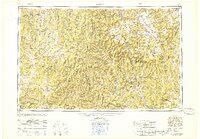 1949 Rolla1950 Print · USGSThe Missouri Ozarks are captured here just after the war, showing a landscape of deep river valleys and emerging reservoir projects. Genealogists and historians can trace the mining towns of Bonne Terre and Potosi or follow the early route of U.S. Highway 66.
 - 1951 Map of Raymondville, 1952 Print
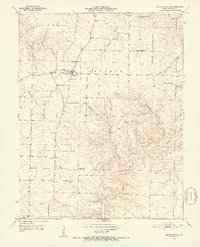 1951 Raymondville1952 Print · USGSTexas County communities and rural school districts are captured here in the early fifties. Genealogists and local historians can trace the foundations of Raymondville, find the Allen Cem, and locate old sites like High Point Sch.3 unique versions available
 - 1951 Map of Raymondville, 1958 Print
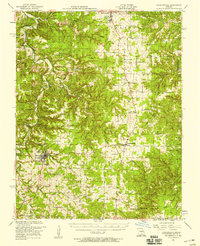 1951 Raymondville1958 Print · USGSTexas County, Missouri, is shown here in the early fifties, capturing a landscape of small upland farms and Ozark river bends. Genealogists and local historians can locate dozens of country schools and churches, such as the Whitlock School, Boone Creek Church, and the County Farm Cemetery.3 unique versions available
 - 1953 Map of Rolla
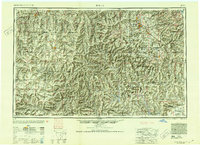 1953 Rolla1953 Print · USGSSoutheast Missouri’s mining towns and timberlands are seen here at the start of the 1950s. Genealogists and historians can trace the rail-and-river economy through local hubs like Fredericktown and the lead-mining heritage of Potosi and Desloge.
 - 1954 Map of Rolla, 1970 Print
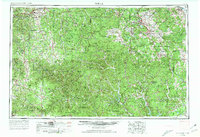 1954 Rolla1970 Print · USGSThe Missouri Ozarks and the historic Lead Belt are captured in the late sixties, showing a landscape of deep river hollows and industrial mines. Researchers can trace the routes of the Missouri Pacific RR to extraction sites like the Iron Mountain Mine or Pea Ridge Mine.2 unique versions available
 - 1958 Map of Rolla
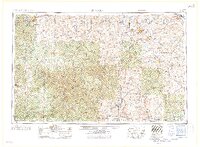 1958 Rolla1958 Print · USGSThe Missouri Ozarks and the lead-rich hills of the southeast are captured here in the late fifties as timber and mining shaped the local economy. Researchers can locate family landmarks like the Rolla Cemetery or trace old rail lines including the Missouri-Illinois RR and St Louis-San Francisco RR.
 - 1959 Map of Rolla
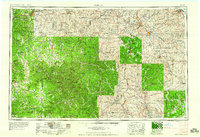 1959 Rolla1959 Print · USGSMid-century Missouri is defined here by the deep forests of the Ozarks and the industrial peaks of the St Francois Mountains. Genealogists and historians can trace the development of towns like Potosi and Fredericktown or locate rural landmarks like Dry Fork Church and the Phelps County Courthouse.
 - 1960 Map of Rolla
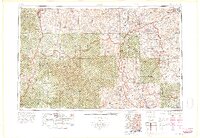 1960 Rolla1960 Print · USGSThe Ozark Highlands in the mid-twentieth century reveal a landscape of deep timber and heavy industry. Researchers can trace the rail-and-mine economy through the St Louis-San Francisco RR and the Iron Mountain Mine, alongside the growth of Fort Leonard Wood.
 - 1966 Map of Rolla
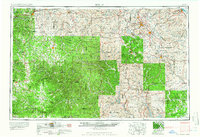 1966 Rolla1966 Print · USGSThe Missouri Ozarks are revealed here in the mid-1960s, showing the intersection of heavy industry and sprawling national forests. Trace the development of the Lead Belt near Flat River or locate family roots in vanished hamlets like Enough and Howes Mill.
 - 1971 Map of Rolla
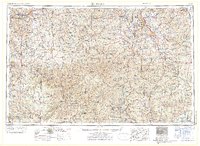 1971 Rolla1971 Print · USGSThe Missouri Ozarks are captured here during the early seventies, showing a landscape of deep river valleys and industrial mining towns. Researchers can trace historic lead mining operations at St Joseph Mines and locate rural landmarks like Viburnum and the Galveston Trail.
 - 1986 Map of Spring Valley
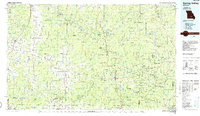 1986 Spring Valley1986 Print · USGSThe Missouri Ozarks are showcased in the mid-1980s, revealing a landscape defined by state forests and the protected waters of the Current River. Researchers can trace local heritage through landmarks like Oakside Ch, Fletcher Mine, and Summersville Cem.2 unique versions available
 - 1989 Map of Rolla
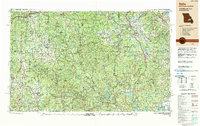 1989 Rolla1989 Print · USGSThe Missouri Ozarks are captured in the late eighties as a landscape of national forests and historic mining towns. Researchers can trace the rail lines of the Missouri Pacific RR or locate landmarks like Taum Sauk Mtn and Elephant Rocks State Park.
 - 2011 Map of Raymondville, 2011 Print
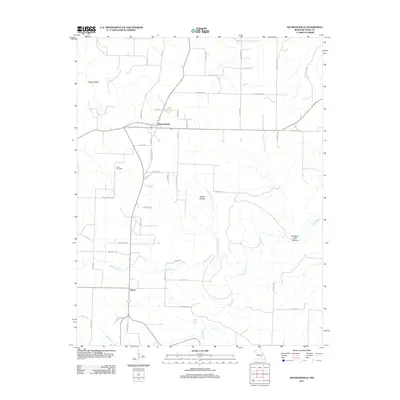 2011 Raymondville2011 Print · USGSTexas County, Missouri, is captured here in the early twenty-first century, showing the rural communities and rugged hollows of the Ozark plateau. Genealogists and local historians can trace the roads around Raymondville, find the Allen Cemetery, or locate Bear Claw Spring.
 - 2015 Map of Raymondville, 2015 Print
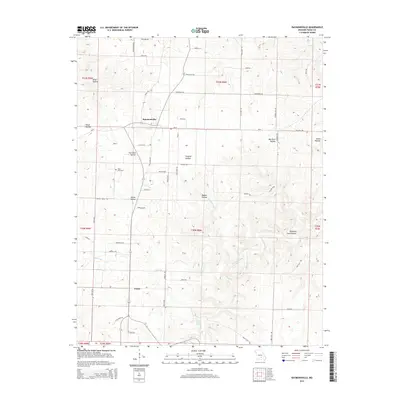 2015 Raymondville2015 Print · USGSTexas County, Missouri, is shown here in the mid-2010s, centered on the settlements of Raymondville and Yukon. Researchers can trace rural lineages through local landmarks like Allen Cemetery and remote hollows such as Bee Rock Hollow.
 - 2017 Map of Raymondville, 2017 Print
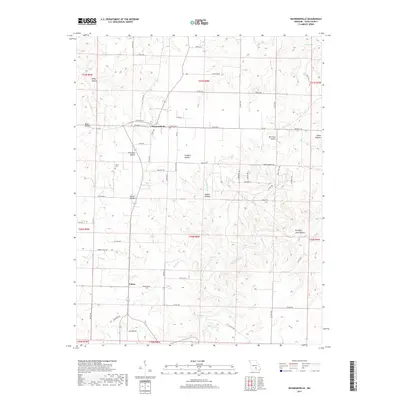 2017 Raymondville2017 Print · USGSTexas County high country is mapped here during the late twenty-tens, centered on the settlement of Raymondville. Researchers can trace old family land ties through local landmarks like Allen Cem, Bear Claw Spring, and the community of Yukon.
 - 2021 Map of Raymondville, 2021 Print
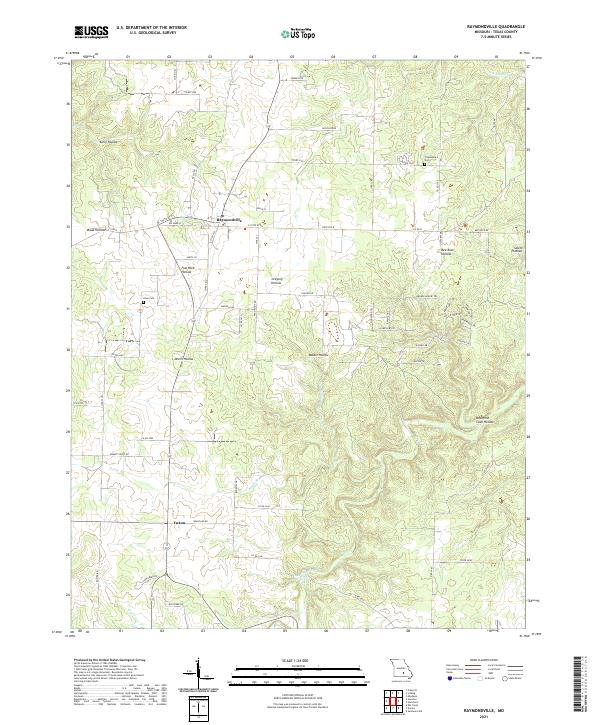 2021 Raymondville2021 Print · USGSTexas County settlement and Ozark topography are on full display in this modern survey of the Raymondville area. Researchers can trace rural life and land use through features like Friendship Cem, Yukon, and the numerous family-named hollows.
End of results
Showing maps 1-16 of 16
Top cities near Raymondville
Frequently asked questions
- What are the different types of historical maps available for Raymondville?
- What is the oldest map of Raymondville?
- Where can I purchase historical maps of Raymondville for my home or office?
- Where can I download high-res historical maps of Raymondville?
- Are there historical topographic maps available for Raymondville?
- Is there historical aerial imagery available for Raymondville?
- Where are historical maps of Raymondville sourced from?