Old Maps of Belt, Montana for Academic Research
Study the evolution of Belt with 14 high-resolution historic maps. Whether you're teaching, researching, or modeling changes in land use, these maps provide essential visual documentation of urban, environmental, and geographic change.
- Analyze long-term change: Track patterns in development, transportation, and natural features.
- Ideal for environmental or urban studies: Support academic projects with primary historical map data.
- Use in the classroom or lab: Educators and researchers rely on these maps to bring historical context to life.
These maps are a powerful tool for teaching, research, and visualizing how Belt has changed over the decades.
Belt, MT maps
(14)- 1890 Map of Fort Benton
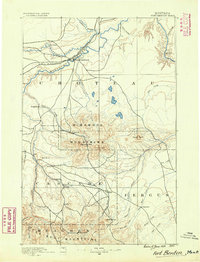 1890 Fort Benton1890 Print · USGSUpper Missouri river country was transforming in the late nineteenth century as rail lines and ranching settlements expanded across the plains. Genealogists and historians can trace early land routes between Fort Benton, Stanford, and the mining district around Clendenin.
 - 1892 Map of Fort Benton
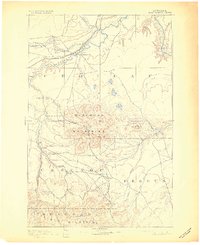 1892 Fort Benton1892 Print · USGSUpper Missouri River country in the late nineteenth century shows the transition from river commerce to the iron horse. Genealogists and historians can trace early settlements like Stanford and Fort Benton alongside the St Paul Minneapolis and Manitoba Railroad.
 - 1897 Map of Fort Benton
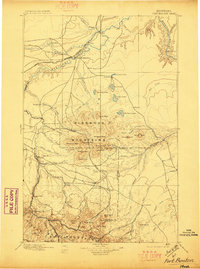 1897 Fort Benton1897 Print · USGSUpper Missouri River territory is charted here during its transition from a river-based economy to a rail-and-ranching frontier. Researchers can trace the early layouts of Fort Benton and Stanford, or locate remote sites like Barker Mtn and Riceville.4 unique versions available
 - 1954 Map of Great Falls
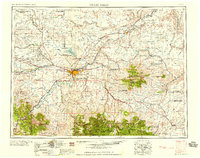 1954 Great Falls1954 Print · USGSThe Missouri River valley in the mid-1950s is shown at a time of significant industrial and military growth. Genealogists and historians can locate early schools and rail stops like Tiger Butte Community Center, Fort Benton, and the Anaconda Wire Plant.4 unique versions available
 - 1956 Map of Belt, 1957 Print
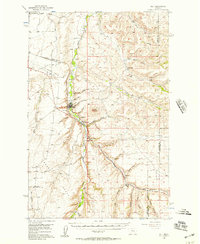 1956 Belt1957 Print · USGSCentral Montana in the mid-fifties reveals a landscape defined by the Great Northern railroad and rural school districts. Researchers can trace the legacy of mining and homesteading through sites like the Orr East Belt Mine, Pleasant View Cemetery, and Belt Butte.
 - 1957 Map of Great Falls
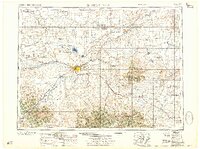 1957 Great Falls1957 Print · USGSMontana's central plains and mountain foothills are captured here in the mid-fifties, showing the hub of Great Falls and the surrounding grain-shipping towns. Genealogists can trace family roots through the rail sidings of the Great Northern and small rural communities like Sand Coulee or Fort Benton.
 - 1975 Map of Belt NW
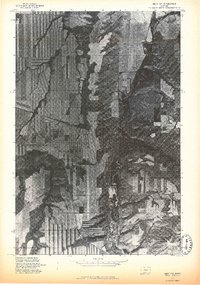 1975 Belt NW1975 Print · USGSCascade County in the mid-1970s reveals a high-contrast landscape of strip-cropping and river-valley industry. Trace the historic town limits of Belt along the banks of Belt Creek and locate the prominent landmark of Belt Butte.
 - 1982 Map of Belt, 1983 Print
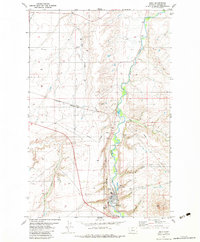 1982 Belt1983 Print · USGSBelt and the surrounding Cascade County ranchlands are captured here during the early eighties, showcasing a region defined by its mining and rail heritage. Genealogists and historians can locate the Wayne Tunnel, specific Mine locations near Belt, and community landmarks like Castner Park.
 - 1984 Map of Belt
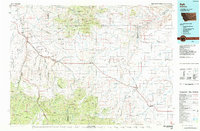 1984 Belt1984 Print · USGSCentral Montana's high peaks and ranching benches are captured here in the early 1980s, documenting the region's mining and rail heritage. Genealogists and historians can locate remote mining outposts like Hughesville and Barker, or trace the Burlington Northern Railroad through Belt and Stanford.
 - 2011 Map of Belt, 2011 Print
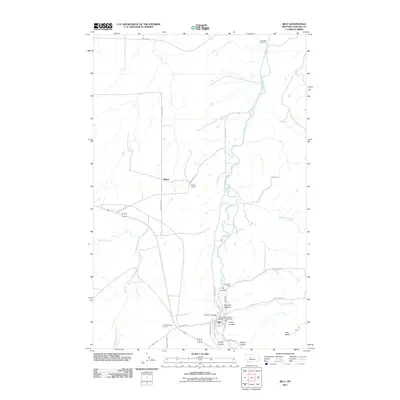 2011 Belt2011 Print · USGSBelt and its surrounding coulees are shown here in the early twenty-first century, documenting a landscape shaped by creek-side settlement and mining history. Genealogists and researchers can trace local landmarks like the East Belt Mine, Lower Belt Cemetery, and the Wayne Tunnel along the path of Belt Creek.
 - 2014 Map of Belt, 2014 Print
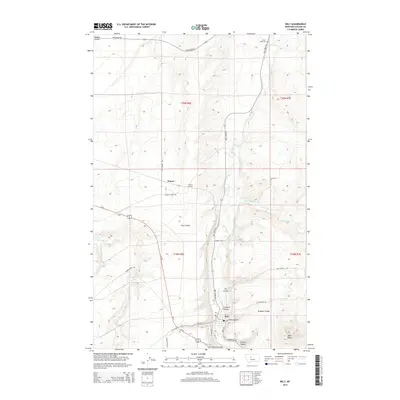 2014 Belt2014 Print · USGSThe town of Belt and the surrounding coulees of Cascade County are documented in the early twenty-first century. Researchers can trace the path of Belt Creek, identify the Lower Belt Cem, and locate the Wayne Tunnel near the settlement of Wayne.
 - 2017 Map of Belt, 2017 Print
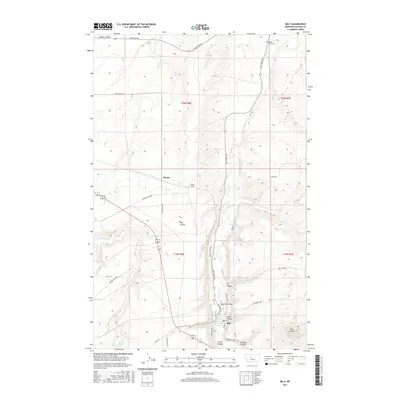 2017 Belt2017 Print · USGSBelt and its surrounding coulees are captured here in the late 2010s, showing the town at the junction of Belt Creek and Box Elder Cr. Researchers can trace local landmarks like Belt Butte, the Lower Belt Cem, and the specialized infrastructure of the Wayne Tunnel.
 - 2020 Map of Belt, 2020 Print
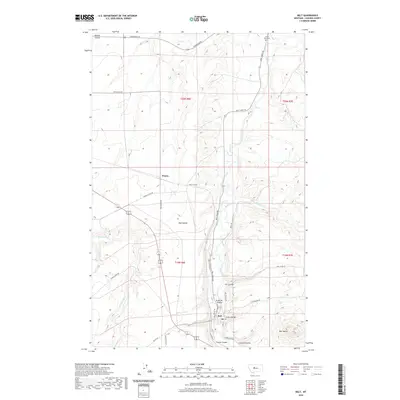 2020 Belt2020 Print · USGSThe rural landscape of Cascade County comes into focus in this recent survey of the area surrounding Belt. Trace local family roots at the Lower Belt Cem and explore the rugged coulee systems including Orr Coulee and B and M Coulee.
 - 2024 Map of Belt, 2024 Print
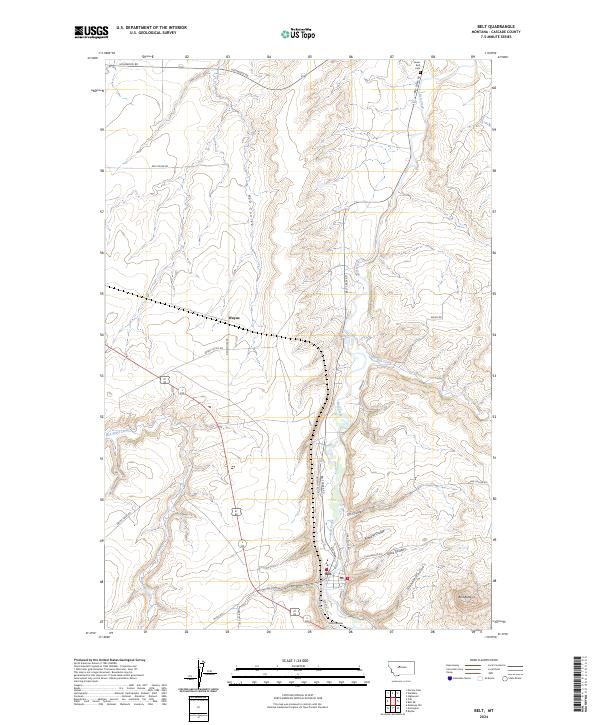 2024 Belt2024 Print · USGSBelt and its surrounding coulees are captured in this modern survey of central Montana. Researchers can trace the rural landscape from the Lower Belt Cem down to Belt Butte, identifying family land via features like Graham Coulee and Wayne.
End of results
Showing maps 1-14 of 14
Frequently asked questions
- What are the different types of historical maps available for Belt?
- What is the oldest map of Belt?
- Where can I purchase historical maps of Belt for my home or office?
- Where can I download high-res historical maps of Belt?
- Are there historical topographic maps available for Belt?
- Is there historical aerial imagery available for Belt?
- Where are historical maps of Belt sourced from?