Old Maps of Helena, Montana for Academic Research
Study the evolution of Helena with 38 high-resolution historic maps. Whether you're teaching, researching, or modeling changes in land use, these maps provide essential visual documentation of urban, environmental, and geographic change.
- Analyze long-term change: Track patterns in development, transportation, and natural features.
- Ideal for environmental or urban studies: Support academic projects with primary historical map data.
- Use in the classroom or lab: Educators and researchers rely on these maps to bring historical context to life.
These maps are a powerful tool for teaching, research, and visualizing how Helena has changed over the decades.
Helena, MT maps
(38)- 1886 Map of Fort Logan
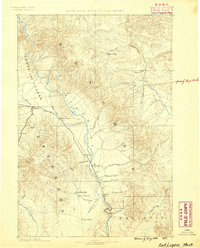 1886 Fort Logan1886 Print · USGSCentral Montana in the mid-1880s was a landscape of military outposts and early mining camps. Researchers can trace the frontier development of Radersburg and Crow Creek City or locate the historic military presence at Ft Logan.5 unique versions available
 - 1889 Map of Helena
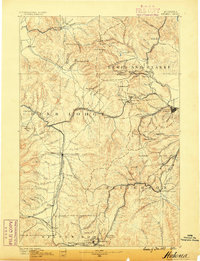 1889 Helena1889 Print · USGSThe Montana territory is caught in a moment of feverish railroad and mining expansion just before the close of the century. Genealogists and historians can trace early mountain routes and rail stations through settlements like Marysville, Wickes, and the bustling territorial hub of Helena.
 - 1893 Map of Helena
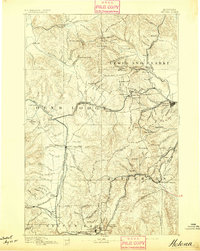 1893 Helena1893 Print · USGSMontana's gold and silver boom is captured here in the late nineteenth century, showing the rail lines and mining camps radiating from the territorial capital. Genealogists and historians can trace the early layout of Helena or locate vanished sites like Blackfoot City and Gloster.2 unique versions available
 - 1899 Map of Helena
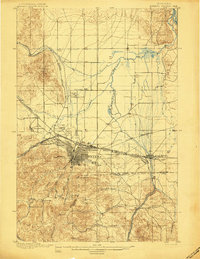 1899 Helena1899 Print · USGSThe Montana capital and its surrounding gold and silver districts are documented here just before the new century. Genealogists and historians can trace rail lines like the Great Northern R. R. to active sites like Fort Harrison, the Winscott Mine, and Montana City.3 unique versions available
 - 1899 Map of Helena, 1956 Print
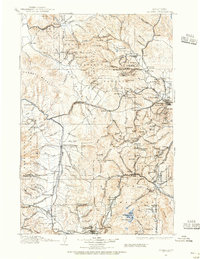 1899 Helena1956 Print · USGSThe Montana gold country and the Continental Divide appear here at the close of the nineteenth century. Genealogists and historians can trace the mining and rail networks connecting Helena and Butte, including Pikes Peak Mill, Marysville, and Ft. Harrison.
 - 1903 Map of Helena
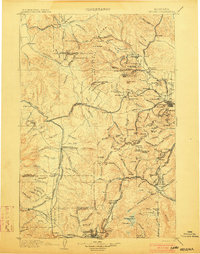 1903 Helena1903 Print · USGSMontana's mining heartland comes alive at the dawn of the new century, from the state capital to the copper-rich summits above the Silver Bow. Trace the early rail lines serving Marysville, locate the historic barracks of Ft. Harrison, and follow the mountain trails through Mullan Pass.4 unique versions available
 - 1947 Map of Butte, 1949 Print
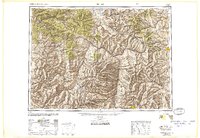 1947 Butte1949 Print · USGSWestern Montana at the peak of its rail-and-river era shows the vital connections between the mining and industrial centers of Butte and Helena. Researchers can trace the three major railroad lines serving mountain settlements like Garrison, Philipsburg, and Warm Springs.2 unique versions available
 - 1948 Map of White Sulphur Springs, 1951 Print
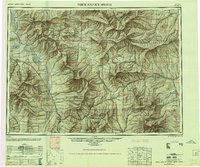 1948 White Sulphur Springs1951 Print · USGSMontana's capital and the high country of the Big Belt Mountains come alive in this mid-century survey. Trace the early hydroelectric developments at Canyon Ferry Dam or follow the historic rail lines through Ringling and Townsend.
 - 1950 Map of East Helena, 1954 Print
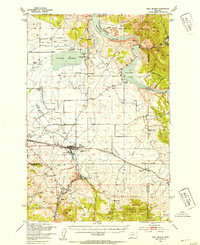 1950 East Helena1954 Print · USGSThe Missouri River valley near East Helena comes to life in the early fifties as a hub of rail transport and industrial mining. Genealogists and local historians can locate rural landmarks like Harmony School, St Anns Cem, and the Economy Mine.4 unique versions available
 - 1950 Map of Helena, 1954 Print
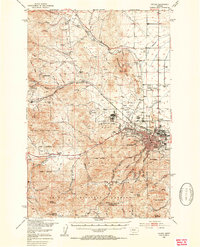 1950 Helena1954 Print · USGSThe Montana state capital and its mining-era outskirts are captured here just after the war, showing the city's growth alongside established military and medical sites. Researchers can trace the legacy of Unionville, locate the St Joseph Orphan Home, or explore the many gulches and mines that defined the early local economy.6 unique versions available
 - 1958 Map of Butte
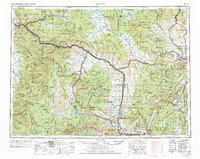 1958 Butte1958 Print · USGSWestern Montana's mining and rail corridors are captured in the late fifties, from the urban bustle of the Copper King cities to high mountain passes. Researchers can trace the path of the Milwaukee St Paul and Pacific through Deer Lodge and locate remote outposts like Potomac Post Office.5 unique versions available
 - 1958 Map of White Sulphur Springs, 1968 Print
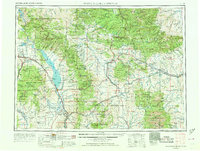 1958 White Sulphur Springs1968 Print · USGSCentral Montana in the late fifties was a landscape of high-country mining and newly formed reservoirs. You can trace the rail-and-river economy of the era through sites like Canyon Ferry Lake, the East Pacific Mine, and the historic Fort Logan.3 unique versions available
 - 1960 Map of Butte
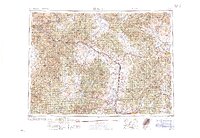 1960 Butte1960 Print · USGSWestern Montana at the dawn of the sixties is defined by its industrial mining hubs and the railroads that connect them. Genealogists and historians can trace the routes of the Milwaukee Road through Butte or locate smaller settlements like Southern Cross and Bearmouth.
 - 1961 Map of White Sulphur Springs
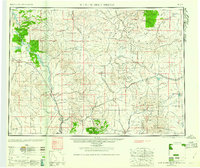 1961 White Sulphur Springs1961 Print · USGSThe Missouri River valley and central Montana highlands are captured here during a period of significant hydroelectric and rail expansion. Genealogists and rail historians can trace the paths of the Northern Pacific and Chicago Milwaukee St Paul and Pacific through settlements like White Sulphur Springs and Townsend.
 - 1962 Map of Butte
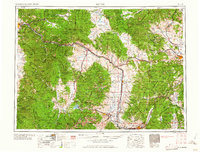 1962 Butte1962 Print · USGSWestern Montana in the early sixties remains a landscape of industrial muscle and high-mountain passes. Trace the rail lines of the Northern Pacific through Deer Lodge and the mining history around Anaconda and Philipsburg.
 - 1965 Map of White Sulphur Springs
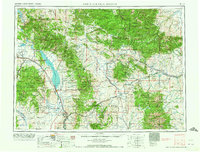 1965 White Sulphur Springs1965 Print · USGSCentral Montana in the late 1950s and early 60s reveals a rugged mountain landscape shaped by the Missouri River and the emergence of the Canyon Ferry Reservoir. Genealogists and local historians can trace legacy ranching sites, the Northern Pacific rail line, and remote schoolhouses like Cottonwood School and Spokane Creek School.
 - 1975 Map of Elliston, 1993 Print
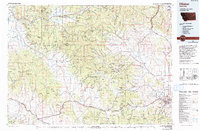 1975 Elliston1993 Print · USGSWestern Montana's rugged high-country comes into focus during the mid-seventies, showing the intersection of heavy industry and wilderness. Genealogists and historians can trace rail lines like the Milwaukee Road and locate remote sites such as the Swansea Mine or Wall City.
 - 1975 Map of Canyon Ferry Dam, 1994 Print
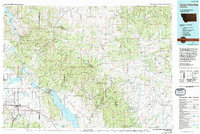 1975 Canyon Ferry Dam1994 Print · USGSThe Missouri River and Big Belt Mountains define this Montana landscape during the mid-seventies. Genealogists and historians can trace old mining sites like the Snowback Mine and industrial settlements including White City and Louisville.
 - 1985 Map of Helena
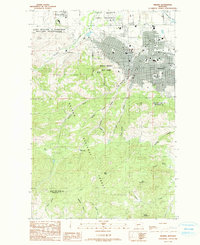 1985 Helena1985 Print · USGSThe Montana state capital and its rugged southern mining districts appear in detail during the mid-eighties. Genealogists and historians can trace the mining legacy of Unionville and Park City or examine the boundaries of Fort William H Harrison.2 unique versions available
 - 1985 Map of Scratchgravel Hills
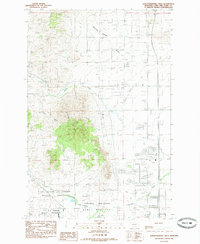 1985 Scratchgravel Hills1985 Print · USGSNorthwest of Helena in the mid-eighties, this landscape reveals a mix of military training grounds and early valley development. Trace the boundaries of Fort William H Harrison Military Reservation and find local landmarks like Diamond Spring and the Helena Valley Canal.
 - 1985 Map of East Helena
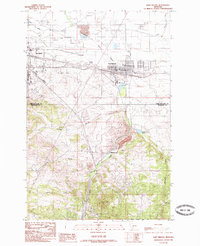 1985 East Helena1985 Print · USGSEast Helena and the county line are captured in the mid-eighties as the state capital region expanded into the surrounding valleys. Genealogists and local historians can trace family-named drainages like Holmes Gulch and local landmarks such as Montana City and the Helena Regional Airport.
 - 2001 Map of East Helena, 2004 Print
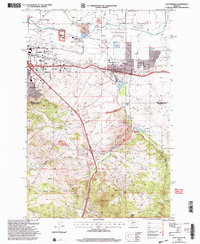 2001 East Helena2004 Print · USGSHelena and its eastern suburbs are shown in great detail at the turn of the millennium as the regional economy balanced aviation, rail, and mining. Researchers can trace land use from the Helena Regional Airport to the McClellan Creek Quarry and the Rodeo Ground.
 - 2001 Map of Helena, 2004 Print
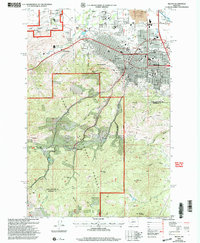 2001 Helena2004 Print · USGSMontana's capital city and its surrounding mining gulches are captured here at the turn of the millennium. Local researchers can trace the development of Helena neighborhoods alongside historical sites like the Brooklyn Bridge Mine, Unionville, and the State Capitol.
 - 2011 Map of East Helena, 2011 Print
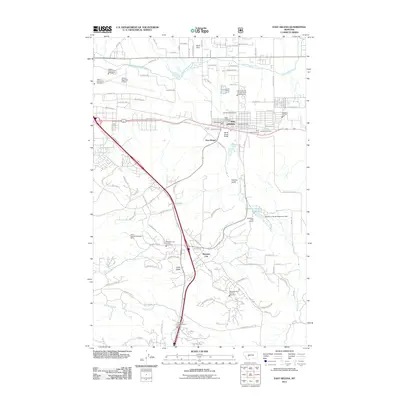 2011 East Helena2011 Print · USGSThe East Helena valley at the start of the 2010s reveals a unique mix of aviation hubs, active mining, and community landmarks. Genealogists and local historians can locate the Serbian Cemetery, the Nancy Hanks/Faith/Hope Mine, and the historic East Helena Post Office.
 - 2011 Map of Helena, 2011 Print
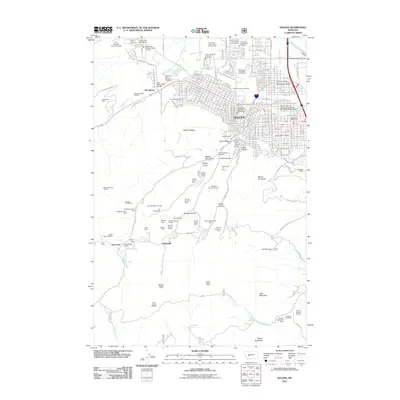 2011 Helena2011 Print · USGSHelena’s state capital complex and its rugged mining outskirts are captured here during the early twenty-first century. Researchers can trace the legacy of gold and silver through dozens of named claims like the Sterling Price Mine and historic districts like Last Chance Gulch.
Showing maps 1-25 of 38
Top cities near Helena
Top neighborhoods of Helena
- Mansion District historical maps
- Prospect historical maps
- Last Chance Gulch historical maps
- Capitol Hill historical maps
- Custer historical maps
- Cedar Street historical maps
Frequently asked questions
- What are the different types of historical maps available for Helena?
- What is the oldest map of Helena?
- Where can I purchase historical maps of Helena for my home or office?
- Where can I download high-res historical maps of Helena?
- Are there historical topographic maps available for Helena?
- Is there historical aerial imagery available for Helena?
- Where are historical maps of Helena sourced from?