Old Maps of Fort Logan, Montana for Academic Research
Study the evolution of Fort Logan with 13 high-resolution historic maps. Whether you're teaching, researching, or modeling changes in land use, these maps provide essential visual documentation of urban, environmental, and geographic change.
- Analyze long-term change: Track patterns in development, transportation, and natural features.
- Ideal for environmental or urban studies: Support academic projects with primary historical map data.
- Use in the classroom or lab: Educators and researchers rely on these maps to bring historical context to life.
These maps are a powerful tool for teaching, research, and visualizing how Fort Logan has changed over the decades.
Fort Logan, MT maps
(13)- 1886 Map of Fort Logan
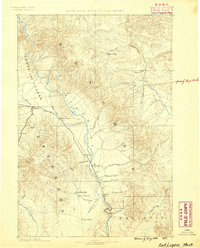 1886 Fort Logan1886 Print · USGSCentral Montana in the mid-1880s was a landscape of military outposts and early mining camps. Researchers can trace the frontier development of Radersburg and Crow Creek City or locate the historic military presence at Ft Logan.5 unique versions available
 - 1948 Map of White Sulphur Springs, 1951 Print
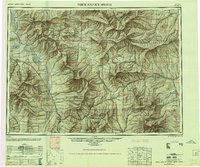 1948 White Sulphur Springs1951 Print · USGSMontana's capital and the high country of the Big Belt Mountains come alive in this mid-century survey. Trace the early hydroelectric developments at Canyon Ferry Dam or follow the historic rail lines through Ringling and Townsend.
 - 1958 Map of White Sulphur Springs, 1968 Print
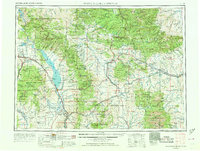 1958 White Sulphur Springs1968 Print · USGSCentral Montana in the late fifties was a landscape of high-country mining and newly formed reservoirs. You can trace the rail-and-river economy of the era through sites like Canyon Ferry Lake, the East Pacific Mine, and the historic Fort Logan.3 unique versions available
 - 1961 Map of White Sulphur Springs
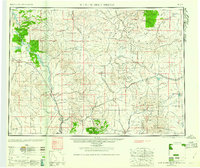 1961 White Sulphur Springs1961 Print · USGSThe Missouri River valley and central Montana highlands are captured here during a period of significant hydroelectric and rail expansion. Genealogists and rail historians can trace the paths of the Northern Pacific and Chicago Milwaukee St Paul and Pacific through settlements like White Sulphur Springs and Townsend.
 - 1965 Map of White Sulphur Springs
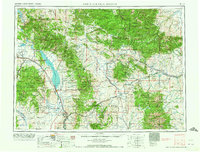 1965 White Sulphur Springs1965 Print · USGSCentral Montana in the late 1950s and early 60s reveals a rugged mountain landscape shaped by the Missouri River and the emergence of the Canyon Ferry Reservoir. Genealogists and local historians can trace legacy ranching sites, the Northern Pacific rail line, and remote schoolhouses like Cottonwood School and Spokane Creek School.
 - 1971 Map of Fort Logan, 1975 Print
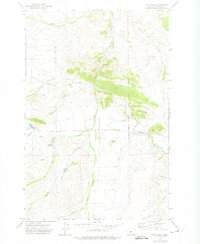 1971 Fort Logan1975 Print · USGSMeagher County's ranching and military heritage is on full display in the early 1970s. Trace the Old Military Reservation Boundary near Fort Logan or locate family history at Kinyon Cem and the various reservoirs.
 - 1975 Map of Canyon Ferry Dam, 1994 Print
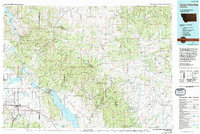 1975 Canyon Ferry Dam1994 Print · USGSThe Missouri River and Big Belt Mountains define this Montana landscape during the mid-seventies. Genealogists and historians can trace old mining sites like the Snowback Mine and industrial settlements including White City and Louisville.
 - 1995 Map of Fort Logan, 1997 Print
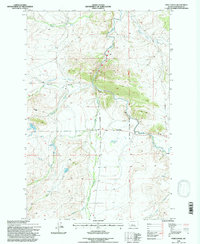 1995 Fort Logan1997 Print · USGSCentral Montana ranching country and frontier history meet in the mid-nineties along the Smith River. Researchers can trace the Old Military Reservation Boundary and locate landmarks like the Kinyon Cem and Fort Logan.
 - 2011 Map of Fort Logan, 2011 Print
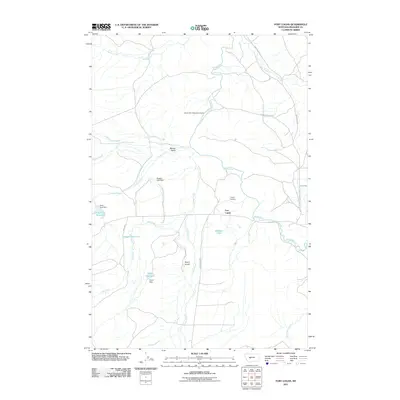 2011 Fort Logan2011 Print · USGSCovers Fort Logan, including Meagher County, United States, and other nearby areas
 - 2014 Map of Fort Logan, 2014 Print
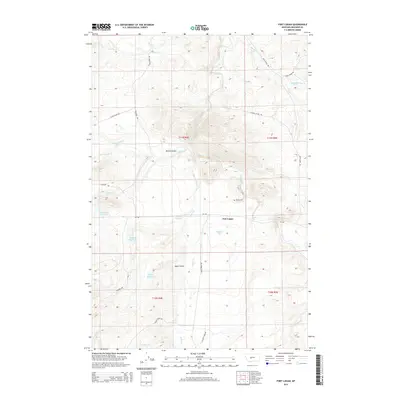 2014 Fort Logan2014 Print · USGSCovers Fort Logan, including Meagher County, United States, and other nearby areas
 - 2017 Map of Fort Logan, 2017 Print
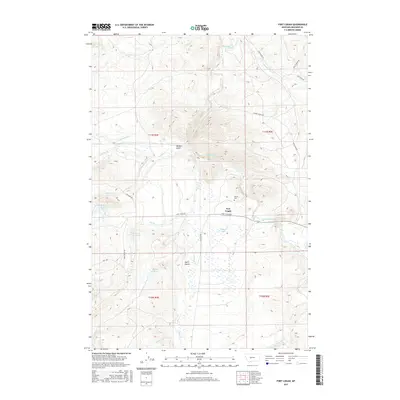 2017 Fort Logan2017 Print · USGSCovers Fort Logan, including Meagher County, United States, and other nearby areas
 - 2020 Map of Fort Logan, 2020 Print
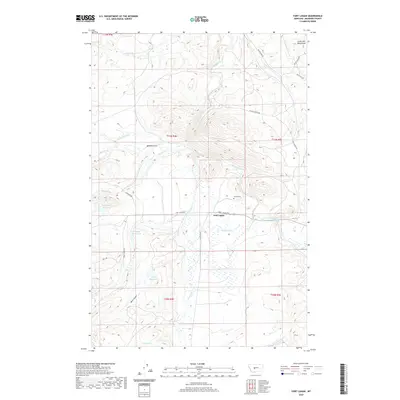 2020 Fort Logan2020 Print · USGSCovers Fort Logan, including Meagher County, United States, and other nearby areas
 - 2024 Map of Fort Logan, 2024 Print
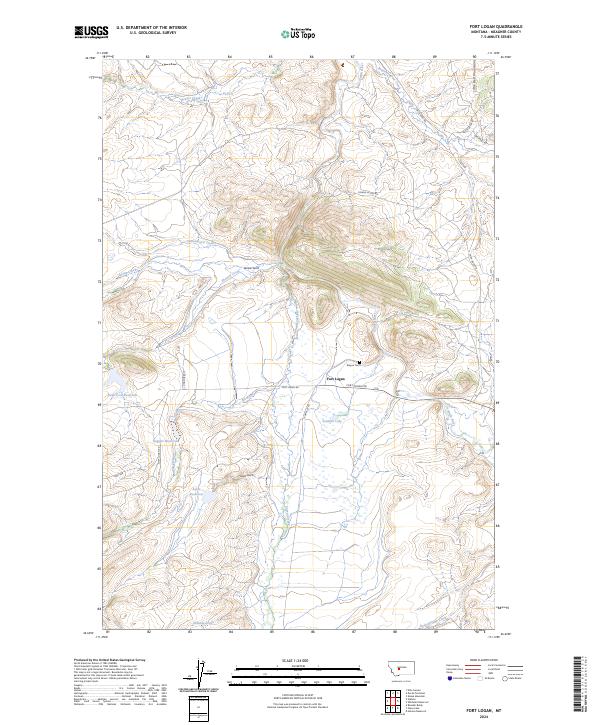 2024 Fort Logan2024 Print · USGSMeagher County, Montana, is shown in this modern survey as a landscape of remote ranches and high-mountain drainages. Genealogists and local historians can trace family-named sites such as Kinyon Cem, Benton Gulch, and the historic site of Fort Logan.
End of results
Showing maps 1-13 of 13
Frequently asked questions
- What are the different types of historical maps available for Fort Logan?
- What is the oldest map of Fort Logan?
- Where can I purchase historical maps of Fort Logan for my home or office?
- Where can I download high-res historical maps of Fort Logan?
- Are there historical topographic maps available for Fort Logan?
- Is there historical aerial imagery available for Fort Logan?
- Where are historical maps of Fort Logan sourced from?