Old Maps of Lower Rattlesnake, Missoula for Genealogy
Trace your family roots with 13 historic maps of Lower Rattlesnake. These high-res maps reveal old neighborhoods, homesites, landmarks, and streets — helping you uncover where your ancestors lived and how the area evolved over time.
- Explore historic neighborhoods: Identify where your relatives may have lived in the 1800s or 1900s.
- Compare maps over time: Trace the changes in streets, buildings, and landmarks for multi-generational research.
- Perfect for genealogy & ancestry research: Used by family historians and researchers to map out lineage and migration.
These maps are an incredible resource for exploring your personal connection to Lower Rattlesnake's past.
Lower Rattlesnake, Missoula maps
(13)- 1903 Map of Bonner
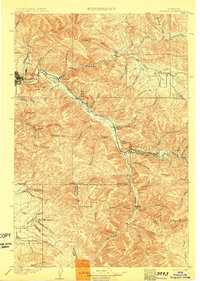 1903 Bonner1903 Print · USGSMissoula and the surrounding river canyons come to life in this turn-of-the-century survey during the height of early rail expansion. Trace the original path of the Northern Pacific through mountain passes and locate early settlements like Bonner, Potomac, and Clinton.4 unique versions available
 - 1947 Map of Butte, 1949 Print
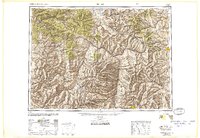 1947 Butte1949 Print · USGSWestern Montana at the peak of its rail-and-river era shows the vital connections between the mining and industrial centers of Butte and Helena. Researchers can trace the three major railroad lines serving mountain settlements like Garrison, Philipsburg, and Warm Springs.2 unique versions available
 - 1958 Map of Butte
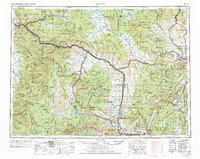 1958 Butte1958 Print · USGSWestern Montana's mining and rail corridors are captured in the late fifties, from the urban bustle of the Copper King cities to high mountain passes. Researchers can trace the path of the Milwaukee St Paul and Pacific through Deer Lodge and locate remote outposts like Potomac Post Office.5 unique versions available
 - 1960 Map of Butte
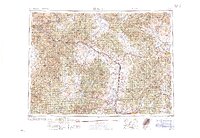 1960 Butte1960 Print · USGSWestern Montana at the dawn of the sixties is defined by its industrial mining hubs and the railroads that connect them. Genealogists and historians can trace the routes of the Milwaukee Road through Butte or locate smaller settlements like Southern Cross and Bearmouth.
 - 1962 Map of Butte
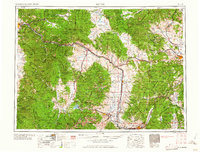 1962 Butte1962 Print · USGSWestern Montana in the early sixties remains a landscape of industrial muscle and high-mountain passes. Trace the rail lines of the Northern Pacific through Deer Lodge and the mining history around Anaconda and Philipsburg.
 - 1964 Map of Southeast Missoula, 1967 Print
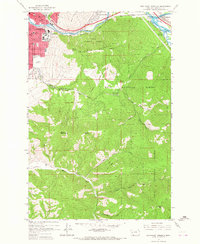 1964 Southeast Missoula1967 Print · USGSSoutheast Missoula and the Lolo National Forest are captured in the mid-1960s as the Interstate era begins to reshape the Clark Fork valley. Researchers can trace the growth of the University of Montana campus and locate early landmarks like the Milltown Dam and Hellgate High Sch.3 unique versions available
 - 1984 Map of Missoula East
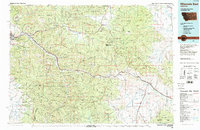 1984 Missoula East1984 Print · USGSThe Clark Fork valley and the Garnet Range are shown here in the mid-1980s as the region's timber and rail heritage remained prominent. Researchers can trace the Burlington Northern line and locate old mining sites like Garnet and the Copper Cliff Mine.
 - 1999 Map of Southeast Missoula, 2003 Print
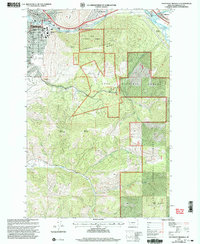 1999 Southeast Missoula2003 Print · USGSThe eastern edge of Missoula and the lower Clark Fork valley are captured here at the turn of the millennium. Researchers can trace the university campus, locate Milltown Dam, and find early local landmarks like Prescott Sch and Mount Sentinel.
 - 2011 Map of Southeast Missoula, 2011 Print
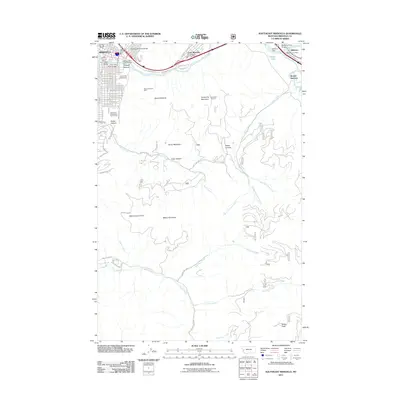 2011 Southeast Missoula2011 Print · USGSMissoula and the Blackfoot River valley are captured here just after the turn of the century, showing the city’s eastern edge and the river communities. Researchers can trace the industrial corridor through Hellgate Canyon to find the Milltown Dam and the historic Mount Sentinel Mine.
 - 2014 Map of Southeast Missoula, 2014 Print
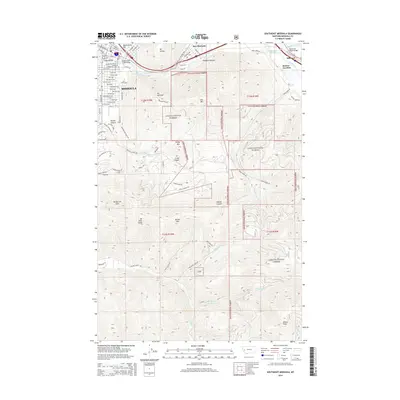 2014 Southeast Missoula2014 Print · USGSMissoula and the Clark Fork valley are documented here in the early twenty-first century, showing the city's interface with the surrounding mountains. Genealogists and hikers can trace property near the University of Montana or explore landmarks like Mt Sentinel and Hellgate Canyon.
 - 2017 Map of Southeast Missoula, 2017 Print
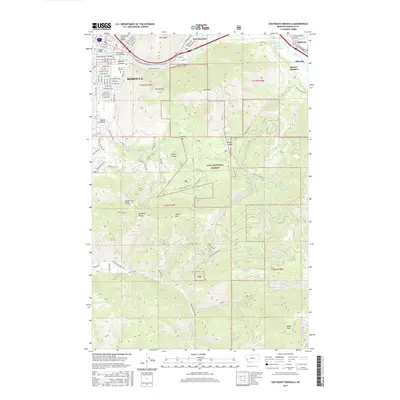 2017 Southeast Missoula2017 Print · USGSMissoula and its eastern river-valley neighbors are shown here at a period of modern growth and environmental management. Researchers can trace the university grounds, rail lines like the BNSF Railway, and local peaks including Mt Sentinel and Miller Peak.
 - 2020 Map of Southeast Missoula, 2020 Print
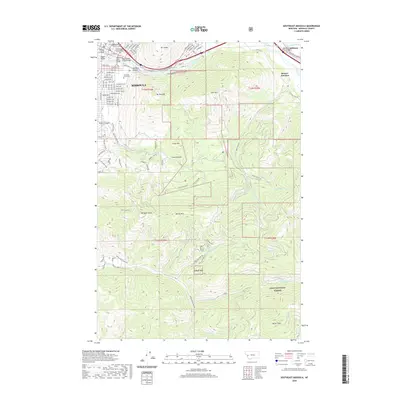 2020 Southeast Missoula2020 Print · USGSMissoula and its surrounding peaks are captured here in the early twenty-first century as the city meets the wilderness of the Lolo National Forest. Trace the grounds of the University of Montana or locate local landmarks like the Higgins Bridge and Waterworks Hill.
 - 2024 Map of Southeast Missoula, 2024 Print
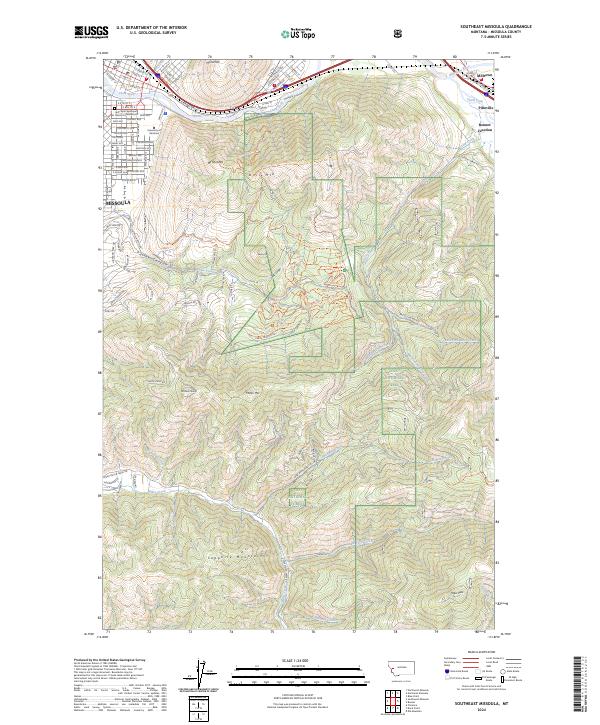 2024 Southeast Missoula2024 Print · USGSMissoula and the surrounding canyonlands appear here in high-detail modern topography, showing the city's expansion toward the Sapphire Mountains. Researchers can pinpoint the University of Montana campus, trace the Clark Fork through Hellgate Canyon, and locate the settlements of Milltown and Piltzville.
End of results
Showing maps 1-13 of 13
Frequently asked questions
- What are the different types of historical maps available for Lower Rattlesnake?
- What is the oldest map of Lower Rattlesnake?
- Where can I purchase historical maps of Lower Rattlesnake for my home or office?
- Where can I download high-res historical maps of Lower Rattlesnake?
- Are there historical topographic maps available for Lower Rattlesnake?
- Is there historical aerial imagery available for Lower Rattlesnake?
- Where are historical maps of Lower Rattlesnake sourced from?